
There is a particular kind of electricity that lives inside a great entrepreneur biography. Not the chest-thumping, hustle-poster vibe. I mean the intimate, human kind, where you get to watch someone make messy decisions in real time, recover from ego bruises, and learn to lead when the stakes feel way too high.
If you are building something of your own, these books are like sitting at a corner table in a quiet cafe with ten very different founders (and a couple of founder-adjacent field manuals), each one sliding you a napkin covered in hard-won notes. Some are tender. Some are chaotic. All of them are useful.

How to use this list: pick one book that matches the season you are in. Need courage? Choose the scrappy origin stories. Need operational clarity? Reach for the leadership heavyweights. Need creative stamina? Go for the makers and designers.
1) Shoe Dog by Phil Knight
Best for: founders who feel like everyone else got a map and you got a shoelace
Phil Knight’s story of building Nike is deeply readable, but what keeps it on my shelf is the emotional honesty. He captures that strange founder cocktail of conviction and nausea, the kind you feel when you are sure you are right and also sure you might lose everything.
- Mindset shift: progress often looks like a chain of imperfect leaps, not one perfect plan.
- Try this: write down your next “unreasonable” step, then shrink it until it is doable in 72 hours.
- Watch for: how Knight recruits, trusts, and occasionally misreads his people.
2) Pour Your Heart Into It by Howard Schultz
Best for: anyone building a brand rooted in experience and community
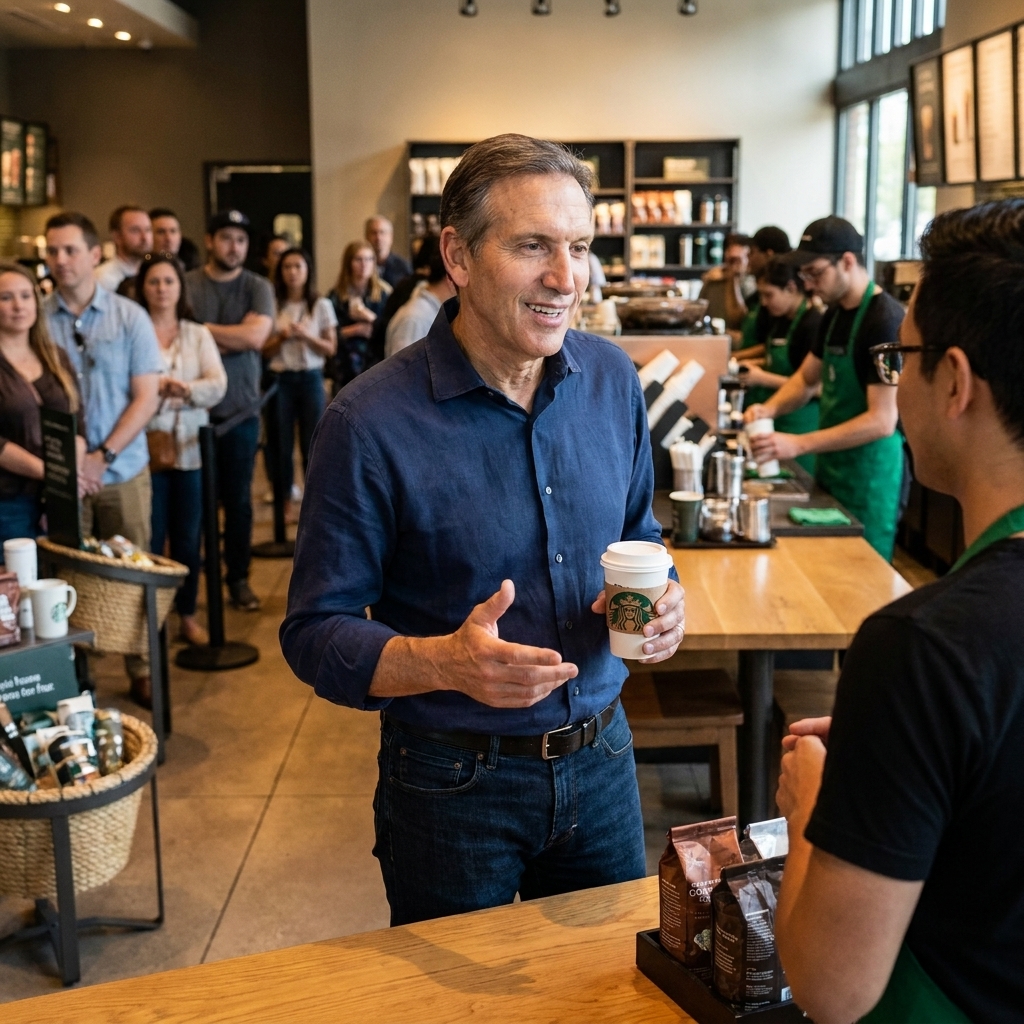
This is the Starbucks origin story, yes, but it is also a book about treating customers like guests and employees like the beating heart of the business. Schultz is big on values, and the useful question becomes: can you operationalize yours?
- Mindset shift: culture is not a perk, it is an operating system.
- Try this: define one non-negotiable customer experience detail and protect it like inventory.
- Watch for: how narrative and ritual turn a product into a habit.
3) The Everything Store by Brad Stone
Best for: builders obsessed with systems, scale, and customer behavior
Not a memoir, but a fast-moving biography of Jeff Bezos and Amazon’s rise through the early 2010s. It can inspire and caution in the same chapter. The real value is seeing how relentless customer focus can coexist with sharp elbows and intense internal pressure.

- Mindset shift: long-term thinking is a competitive advantage, but it requires emotional tolerance for discomfort.
- Try this: write a one-paragraph “customer promise” that you can measure weekly.
- Watch for: how metrics and narrative memos shape decision-making.
4) Steve Jobs by Walter Isaacson
Best for: creatives building products with taste and tension
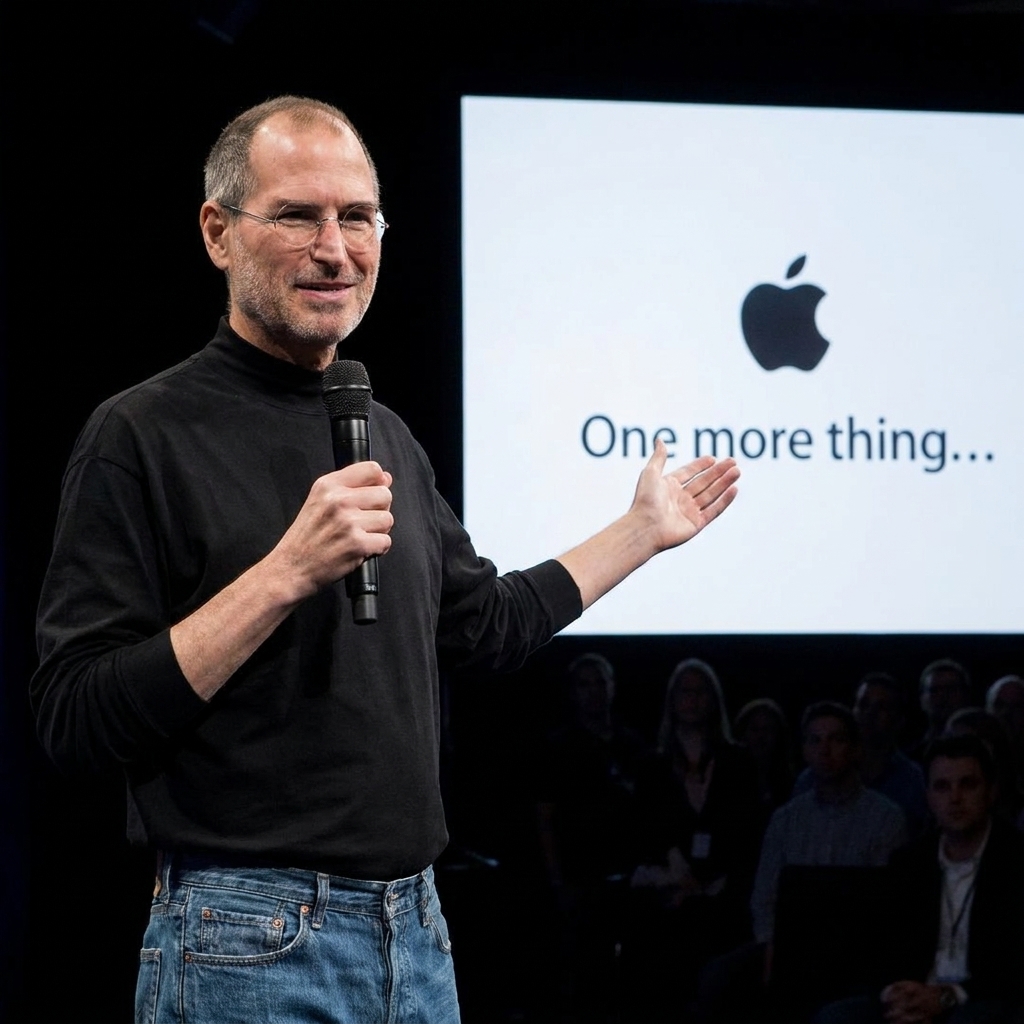
Steve Jobs is not a soft-focus portrait, and that is the point. This biography is a sharp study in product obsession, storytelling, and the cost of being “right” too often. Read it with two bookmarks: one for brilliance, one for damage.
- Mindset shift: taste is a business skill when it is paired with ruthless editing.
- Try this: cut one feature, one meeting, or one offer that does not serve the core promise.
- Watch for: how Jobs uses narrative to make products feel inevitable.
5) Losing My Virginity by Richard Branson
Best for: founders who need permission to be bold and slightly weird
Branson’s memoir has the energy of someone who sees a cliff and immediately wonders what kind of parachute would be funniest. It is a reminder that charisma, risk tolerance, and public storytelling can be legitimate tools, not guilty pleasures.

- Mindset shift: brand is behavior, repeated loudly.
- Try this: choose one “signature move” your business can own, then repeat it until it becomes expected.
- Watch for: how Branson builds goodwill before he needs it.
6) Made in America by Sam Walton
Best for: operators, retailers, and anyone hungry to understand scale
Sam Walton writes with plainspoken practicality. This is less about glamour and more about relentless attention to what customers actually do. If you have ever felt allergic to buzzwords, you will breathe easier here.

- Mindset shift: small efficiency wins compound into a moat.
- Try this: spend two hours doing “store walk” observation, even if your store is a website.
- Watch for: how Walton listens, tests, and shares information fast.
7) My Life in Full by Indra Nooyi
Best for: leaders navigating ambition, identity, and high-stakes responsibility
Indra Nooyi’s memoir is a generous, clear-eyed look at leading PepsiCo while staying in conversation with family, culture, and conscience. It is especially good for anyone managing the emotional labor that comes with being “the first” or “the only” in a room.

- Mindset shift: leadership is a practice, not a personality type.
- Try this: draft a one-page “decision filter” for your role: what you say yes to, no to, and why.
- Watch for: how she communicates change across skeptical stakeholders.
8) The Ride of a Lifetime by Robert Iger
Best for: anyone managing teams through uncertainty or growth
Iger’s Disney years are full of boardroom drama, but the heart of the book is steadier: how to keep your head, build trust, and make courageous calls without turning into a cartoon villain. In my experience, it is one of the clearest “how to be the adult in the room” leadership memoirs out there.

- Mindset shift: optimism is not denial, it is strategy plus morale.
- Try this: practice “calm clarity”: state the hard truth in one sentence, then the next best action in one sentence.
- Watch for: how Iger approaches acquisitions and creative risk.
9) Creativity, Inc. by Ed Catmull
Best for: creative founders and anyone building a feedback culture
Pixar co-founder Ed Catmull writes about creativity the way a good editor talks about drafts: with respect, candor, and a deep belief that the work can get better. It is packed with practical ideas for leading talented people without smothering them.

- Mindset shift: your job is to build an environment where great ideas survive long enough to evolve.
- Try this: run a “brain trust” meeting rule: critique the project, not the person, and require a next step.
- Watch for: how fear quietly erodes quality if you do not name it.
10) The Lean Startup by Eric Ries
Best for: early-stage founders who need traction, not trivia
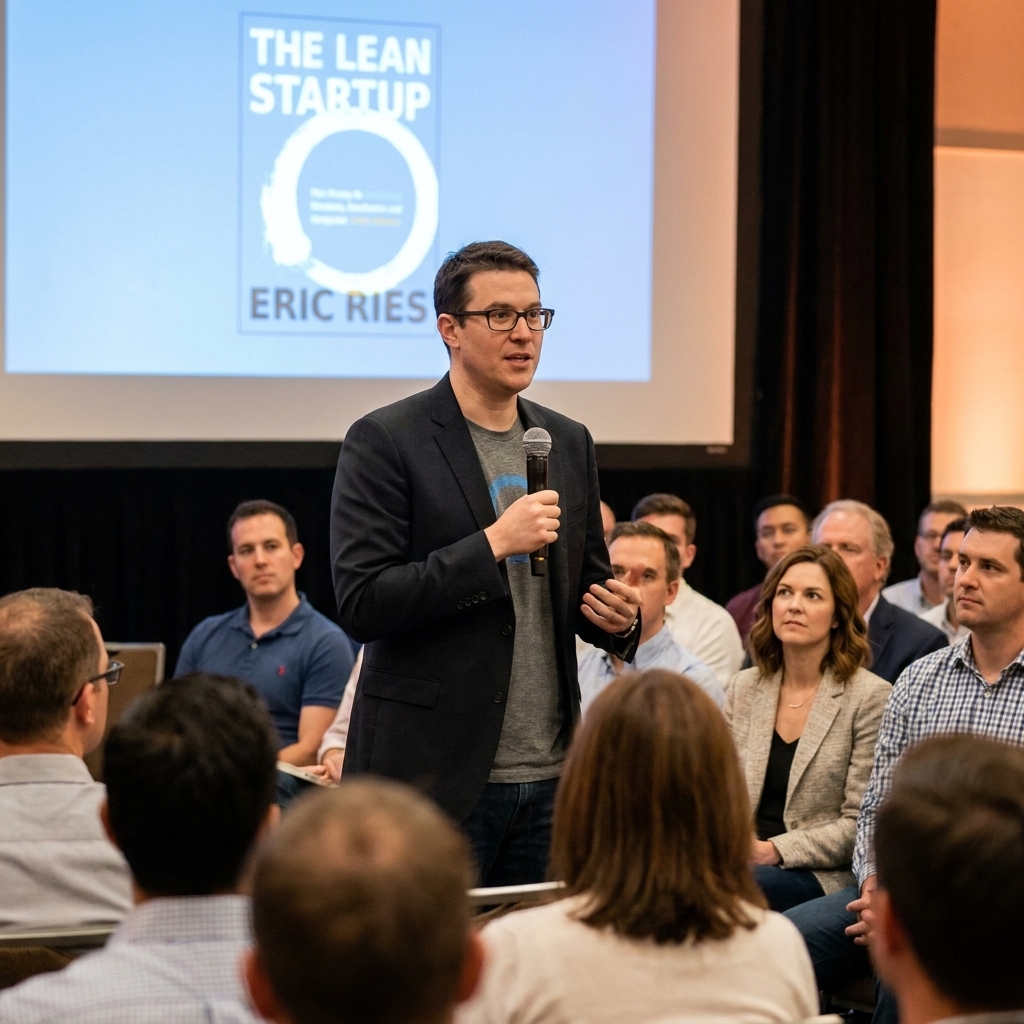
Not a biography in the traditional sense, but it is rooted in lived startup experience and reads like a field manual written by someone who has burned through time and money and decided to be honest about it. If you are allergic to building in a vacuum, this one is your antidote.
- Mindset shift: learning is a deliverable.
- Try this: define one testable assumption and design a minimum experiment you can run this week.
- Watch for: the difference between vanity metrics and real signals.
How to choose
When readers ask me where to start, I usually ask one question back: What is the hardest part of business for you right now?
- If you feel stuck: Shoe Dog or Losing My Virginity for momentum and nerve.
- If you feel scattered: The Lean Startup for experiments and focus.
- If leadership is suddenly the job: The Ride of a Lifetime or My Life in Full.
- If you are building a creative product: Creativity, Inc. or Steve Jobs for taste, process, and editing.
- If you are scaling operations: Made in America or The Everything Store.
Reading notes to steal
I love a business book that leaves you with something you can do before your tea gets cold. Here are a few founder-friendly prompts to keep a sticky note inside whichever title you choose.
- What did they say no to? List three non-obvious refusals that protected their focus.
- What did they measure? Write down one metric that actually changed behavior.
- Where did they get lucky? Name the luck, then identify the preparation that made it usable.
- What did they learn the hard way? Turn one painful lesson into a policy, checklist, or meeting ritual.
FAQ
Are entrepreneur biographies actually useful, or just inspirational?
The best ones are both. Inspiration gets you to the desk. The useful part is pattern recognition: how people hire, decide, recover, and communicate when there is no perfect option.
Which book here is best for a first-time founder?
If you want a page-turner that still teaches you how businesses really get built, start with Shoe Dog. If you want a do-this-now framework, start with The Lean Startup.
Any of these good as audiobooks?
Shoe Dog and The Ride of a Lifetime translate especially well to audio because the narrative voice carries you through the decision points like a conversation.
What are the downsides of founder memoirs?
They can be messy sources. Memoirs often include self-mythologizing, selective memory, and survivorship bias (we hear from the winners, not the equally talented teams that got unlucky). Read with curiosity and a small pinch of skepticism: look for decisions, incentives, and constraints, not just the victory speech.
If you read one of these and it jolts something awake in you, tell me which one. My cats, Brontë and Yotam, will pretend not to care, but I will be genuinely thrilled.