There is something uniquely intimate about a true story told in panels. A graphic memoir lets an author show you the texture of memory, the way certain moments go crisp around the edges while others blur, smudge, or repeat like a stubborn refrain. The art is not just decoration. It is proof of presence.
Below are eight graphic memoirs I return to again and again, the ones I hand to friends who think they “don’t read comics” or who want something honest that still feels like a crafted reading experience. Some will break your heart. A few will make you laugh out loud in a quiet café. All of them understand the alchemy of words plus images.
Why graphic memoirs hit different
In prose memoir, you rely on voice and scene. In graphic memoir, you get an extra layer: the author’s hand. You can see their choices. What they draw in detail. What they leave as a silhouette. How they frame a room when someone is lying, grieving, hiding, or finally telling the truth.
- Time becomes visible: repeating panels can mimic rumination or trauma loops, while sudden white space can feel like shock.
- Body language tells its own story: the slump of shoulders, a hand hovering over a phone, the way two people stand too far apart.
- Memory can be stylized honestly: sometimes a metaphorical image is more truthful than a literal one.
8 graphic memoirs to read next
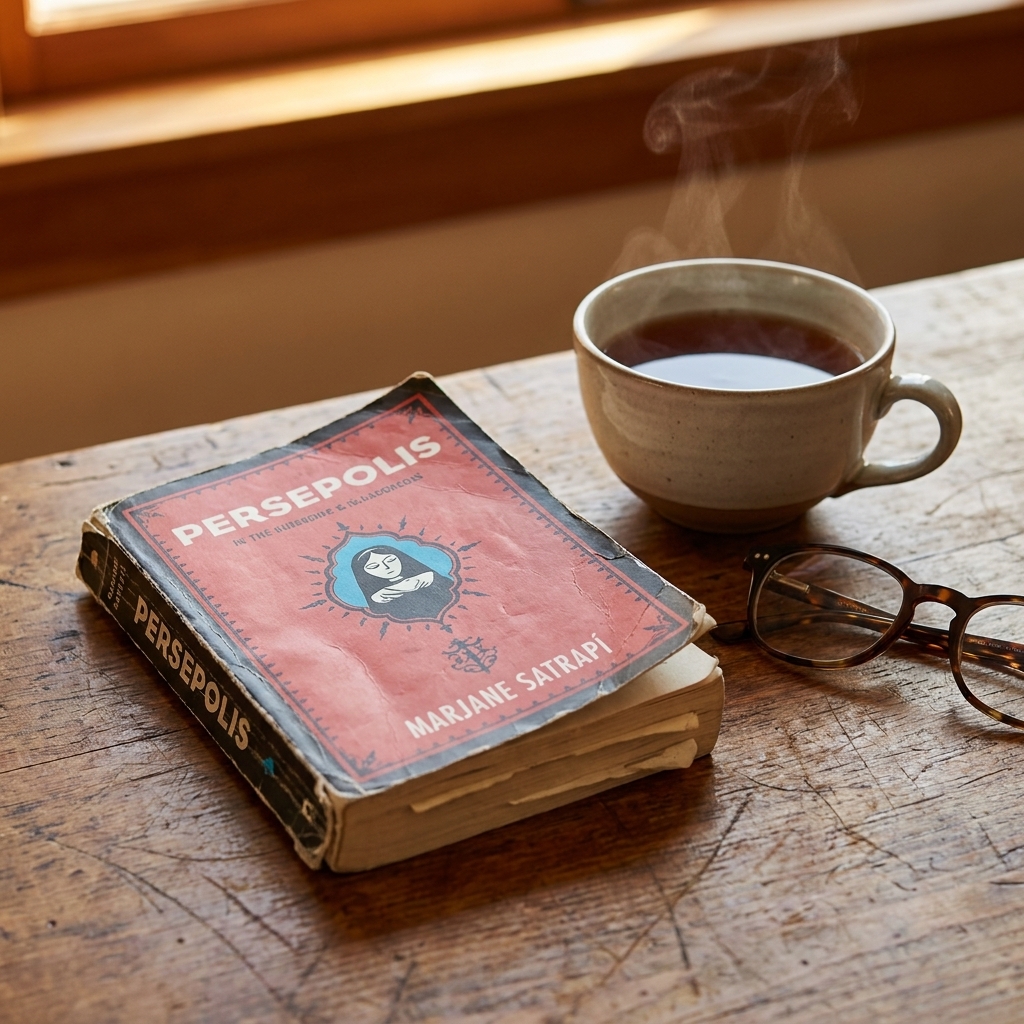
1) Persepolis by Marjane Satrapi
What it’s about: Satrapi’s coming of age during the Iranian Revolution and the Iran–Iraq War, and the disorienting experience of leaving home.
Why it works so well in comics form: The black-and-white art is deceptively simple, which is part of why the emotional punches land so hard for me. Satrapi can pivot from childhood bluntness to political terror in a single page, and the visual clarity keeps you oriented even when the world is falling apart.
Best for readers who want: personal history that doubles as a sharp, accessible political education.
Good to know: You can read it as Part 1 and Part 2, or grab a complete edition.
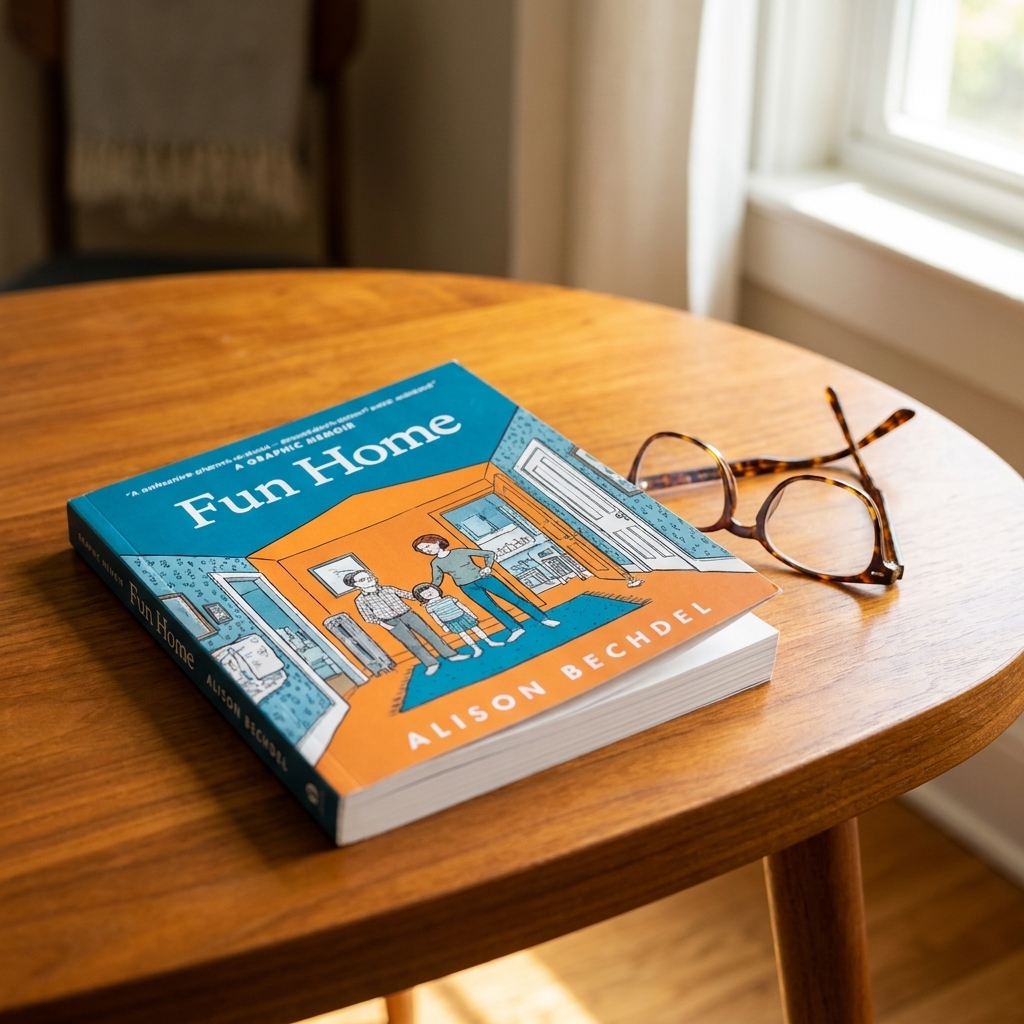
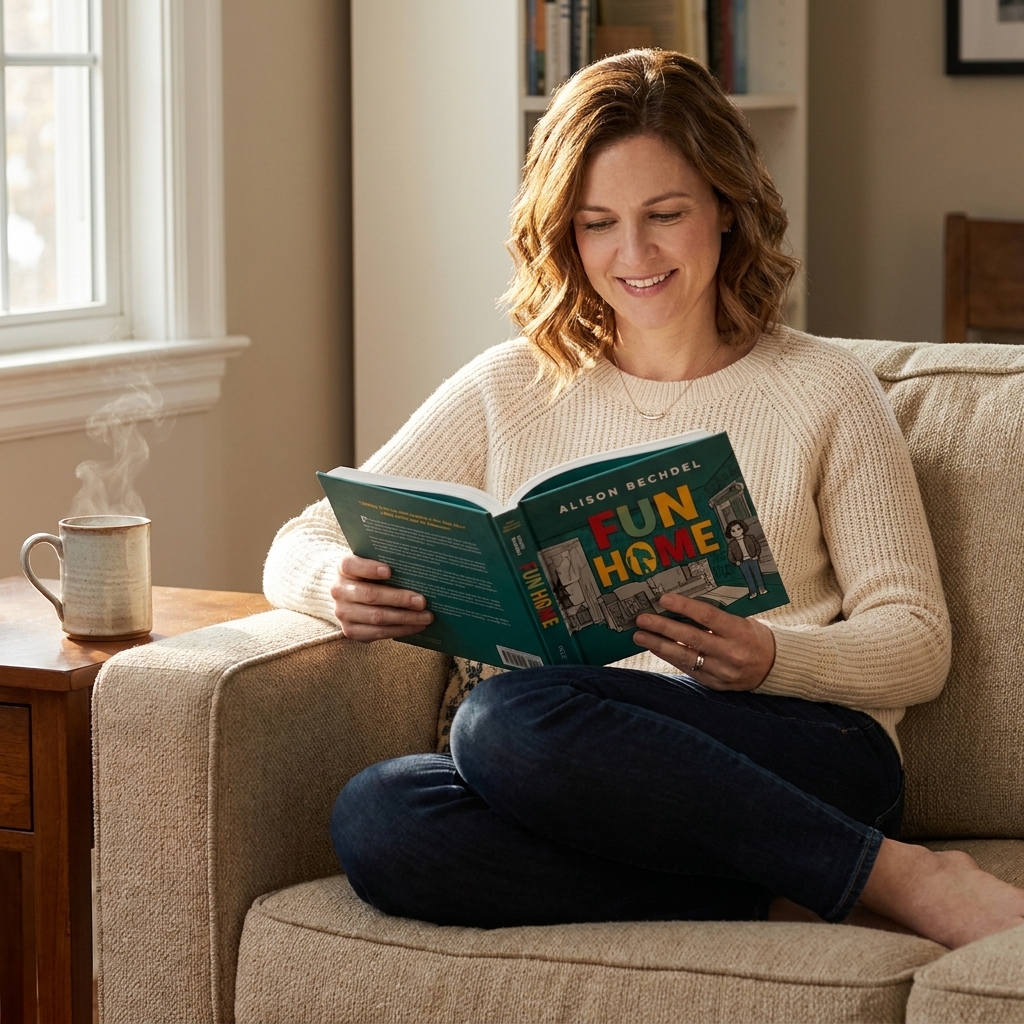
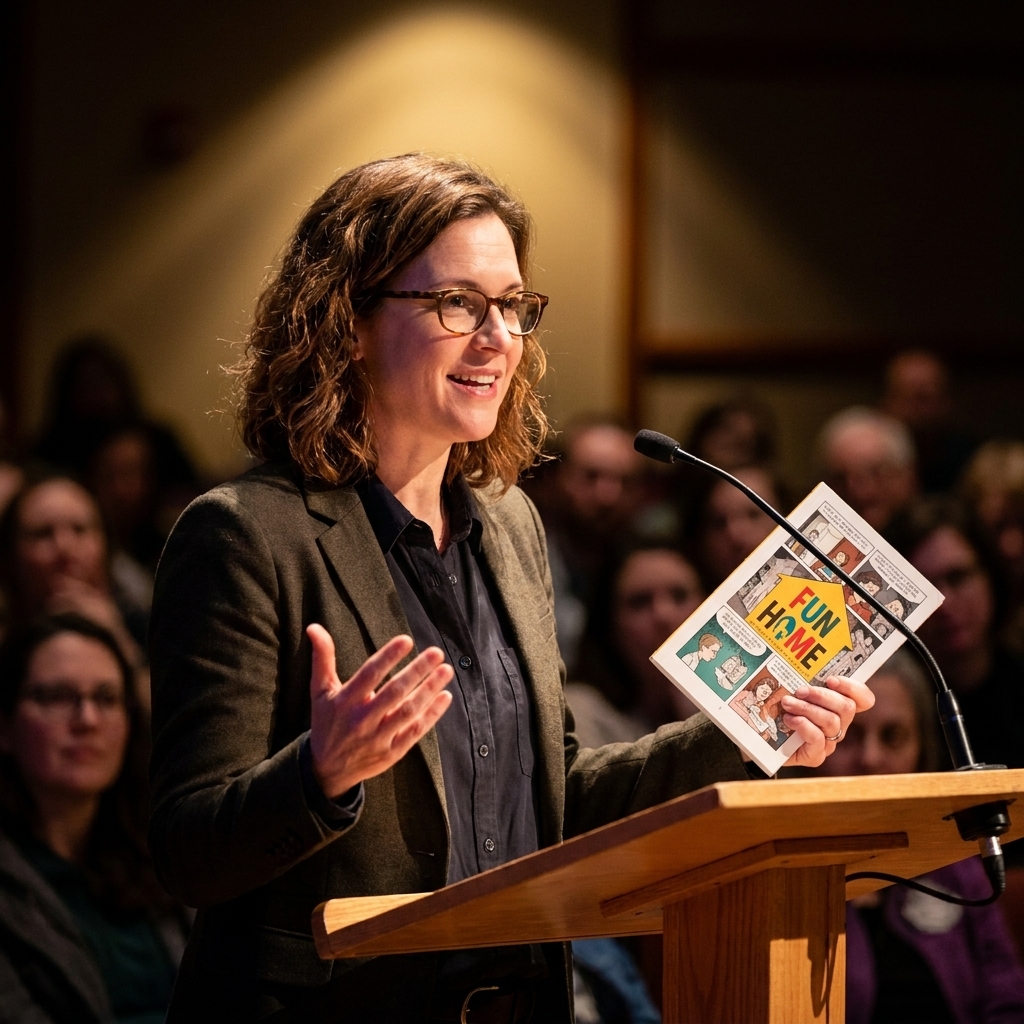
2) Fun Home: A Family Tragicomic by Alison Bechdel
What it’s about: Bechdel’s childhood, her coming out, and her complicated relationship with her father, set against literature, secrecy, and a house restored like a stage set.
Why it works so well in comics form: Bechdel uses images like evidence. Photographs, letters, and recreated scenes become part of the investigative texture of the book, and the careful paneling mirrors the meticulous way she tries to understand her own past. It is emotionally rich and intellectually playful without ever feeling cold.
Best for readers who want: a memoir that feels like a mystery you read with your whole brain and your whole heart.
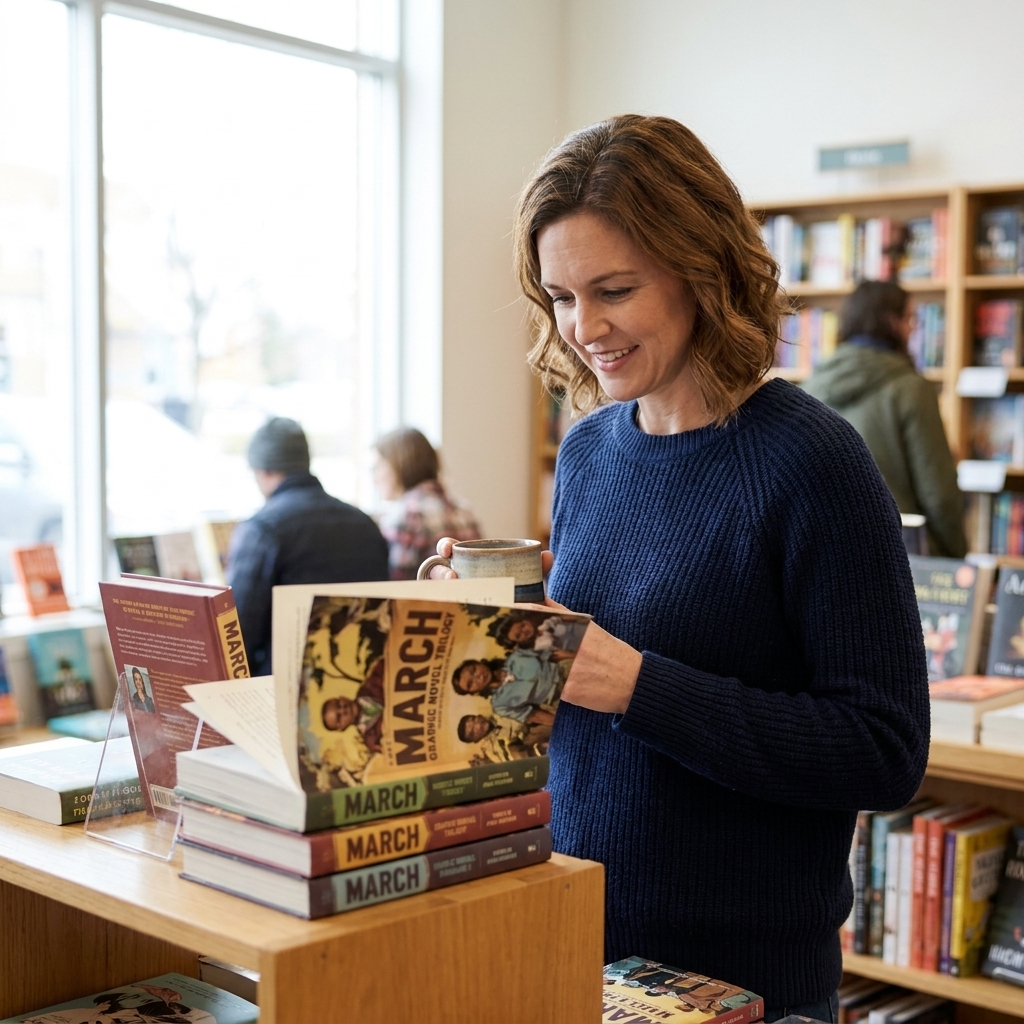
3) March (Trilogy) by John Lewis, Andrew Aydin, and Nate Powell
What it’s about: Congressman John Lewis’s life and work in the Civil Rights Movement, from early organizing through pivotal events and sustained resistance.
Why it works so well in comics form: Nate Powell’s art understands crowds, fear, and courage at street level. The series balances personal memory with historical scope, and the visual storytelling makes the logistics of protest, the choreography of violence, and the grit of perseverance brutally clear.
Best for readers who want: narrative history that reads with urgency and lived experience.
Good to know: It is three volumes, and there is also a collected edition if you want the whole arc in one brick of a book.
4) They Called Us Enemy by George Takei, Justin Eisinger, Steven Scott, and Harmony Becker
What it’s about: George Takei’s childhood imprisonment in U.S. incarceration camps for Japanese Americans during World War II, and the lifelong aftermath of that injustice.
Why it works so well in comics form: Harmony Becker’s clean lines and expressive faces create a devastating contrast with the normalized cruelty of bureaucracy. The book captures how a child can experience fear and boredom and wonder all at once, and how patriotism can be weaponized in plain sight.
Best for readers who want: a clear, approachable entry point into a history that should never be treated as an elective.

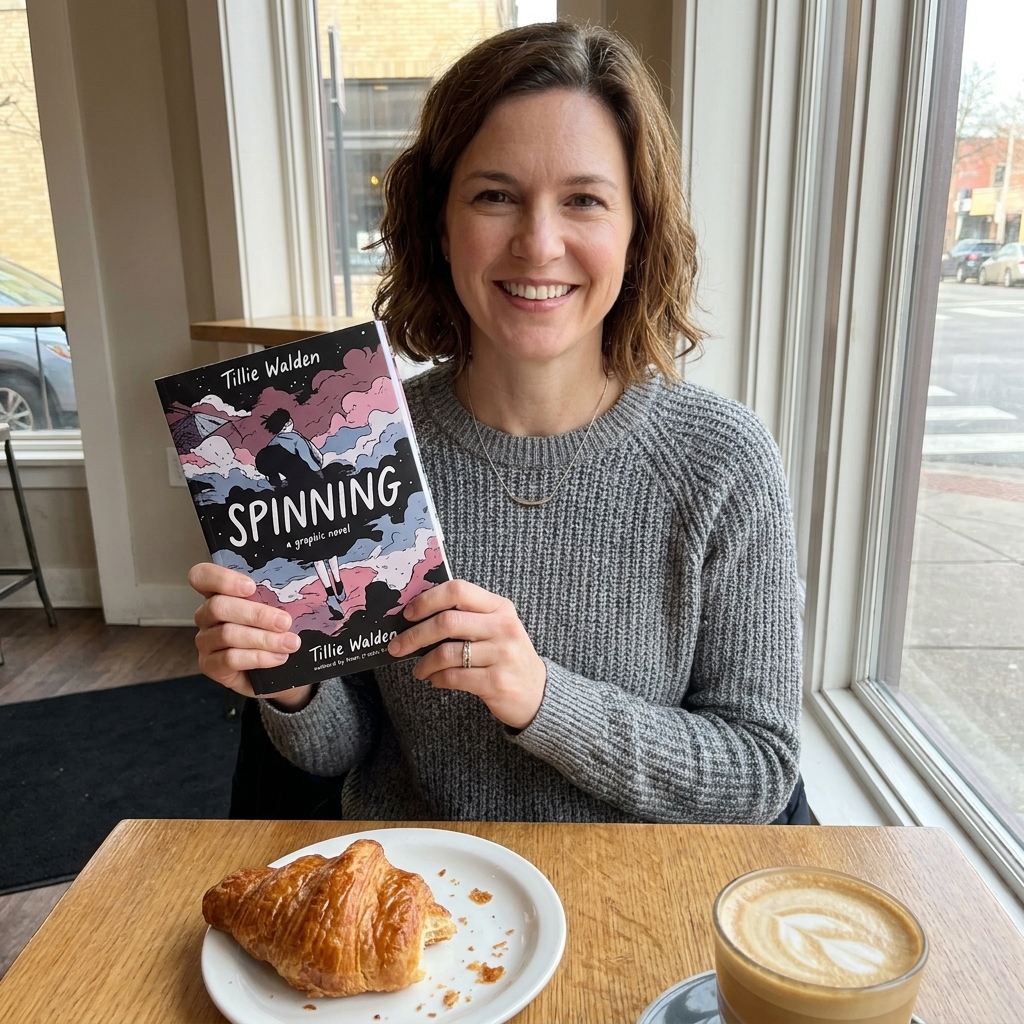
5) Spinning by Tillie Walden
What it’s about: Walden’s years as a competitive figure skater, and what it cost her in time, identity, and tenderness toward herself.
Why it works so well in comics form: Movement is emotion here. Walden draws ice like an atmosphere, not a surface, and the pacing captures the grind of practice and the loneliness of being talented and young. It is a book about ambition that never glamorizes the ache underneath it.
Best for readers who want: a coming-of-age story that is quiet, gorgeous, and sharply observant.
6) Are You My Mother? by Alison Bechdel
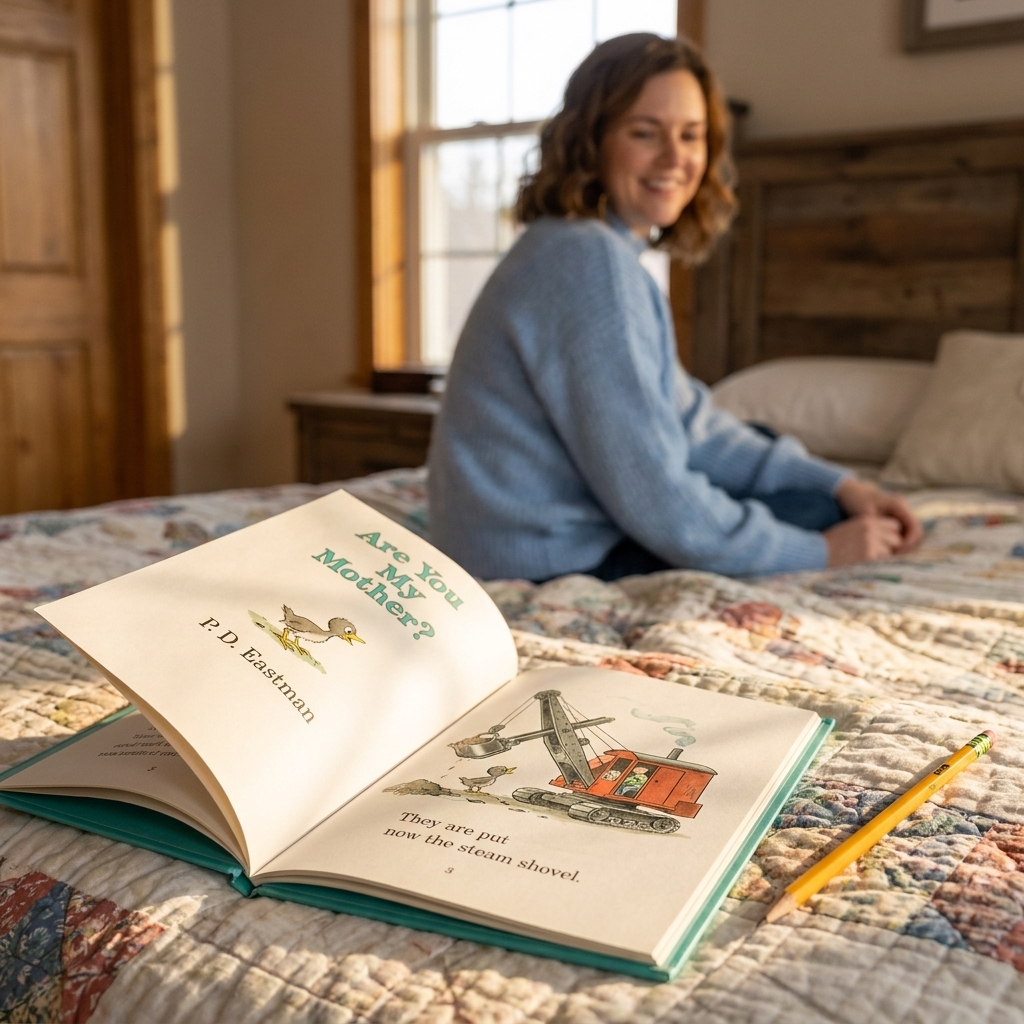
What it’s about: A deeply personal exploration of Bechdel’s relationship with her mother, braided with therapy, dreams, and psychoanalytic thought.
Why it works so well in comics form: The book visualizes the mind at work. Sessions, memories, and dream logic can share the same page without feeling gimmicky, because the drawings act as a map. If Fun Home is a literary haunted house, this one is the wiring behind the walls. (If you like specificity, Winnicott is one of the key touchstones here.)
Best for readers who want: a memoir that feels like sitting with someone while they finally, bravely, connect the dots.
7) Epileptic by David B.
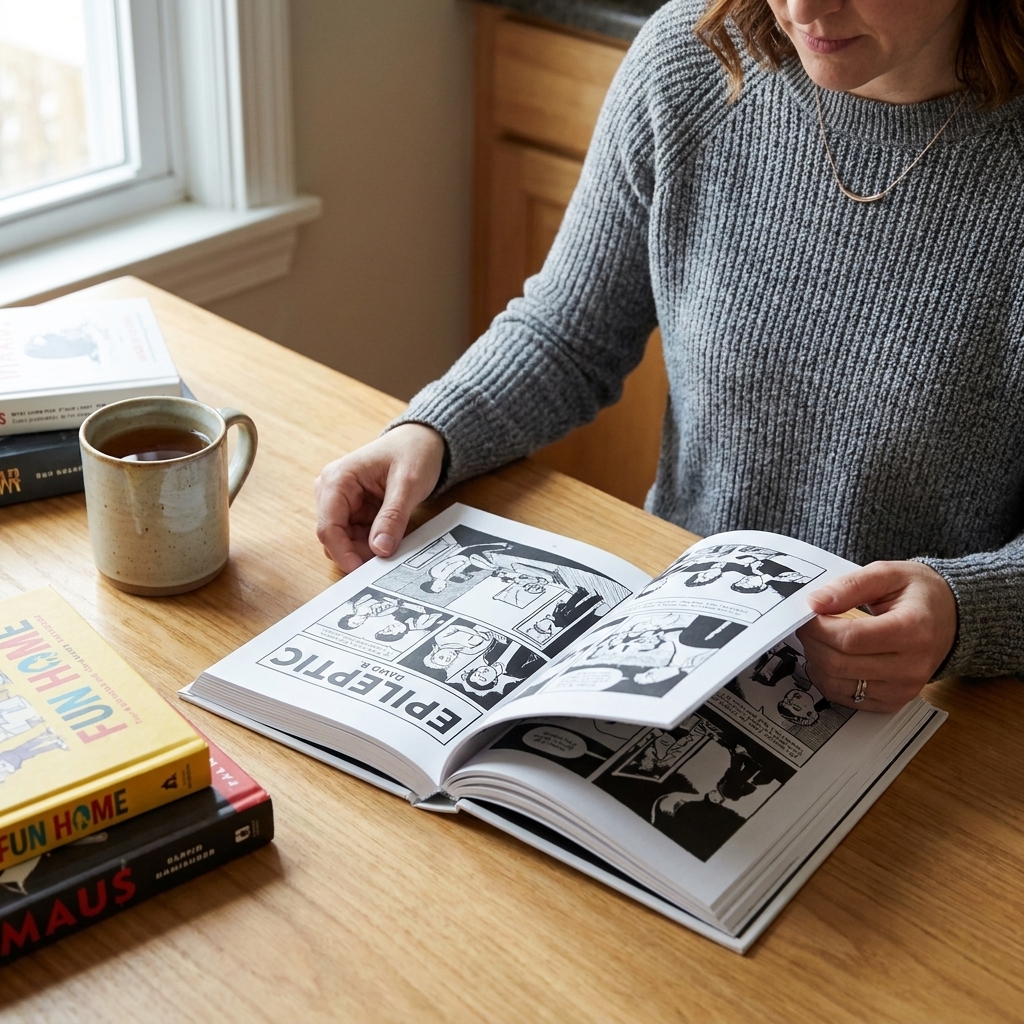
What it’s about: A family’s life shaped by the author’s brother’s epilepsy, and the psychic landscapes that chronic illness can create inside a home.
Why it works so well in comics form: David B. turns fear into symbols you can see. The imagery can be surreal, even mythic, but it never feels like an escape from reality. It feels like the truth of living with something you cannot cure, only endure and reinterpret.
Best for readers who want: memoir that is visually daring and emotionally unflinching.
8) Can’t We Talk About Something More Pleasant? by Roz Chast
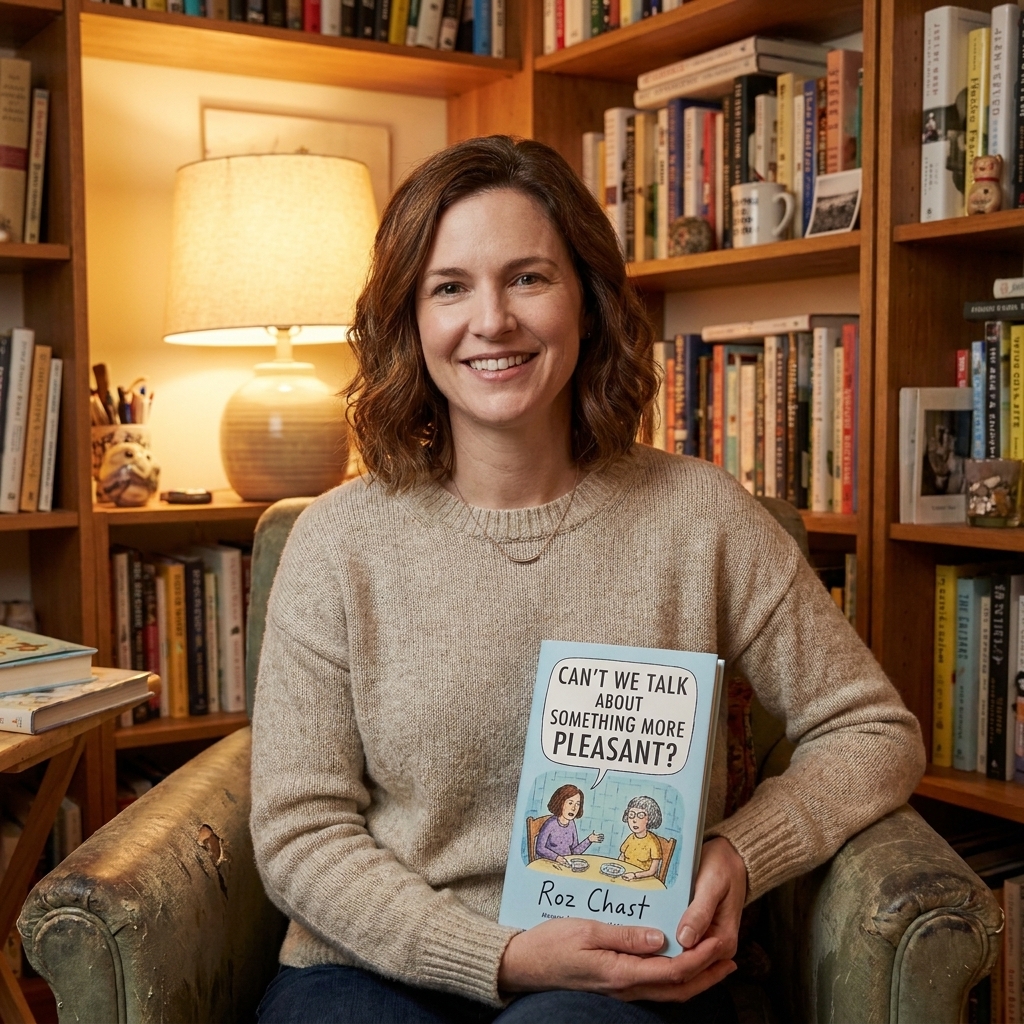
What it’s about: Aging parents, caregiving, guilt, denial, and the strange comedy that can exist alongside dread.
Why it works so well in comics form: Chast’s cartoons nail the absurdity of family dynamics, especially the tiny lines we all rehearse to avoid the Big Topics. The book is laugh-out-loud funny in places, and then quietly devastating, often in the space of a single page. It became a lifeline for me, and I have heard other caregivers say the same.
Best for readers who want: honesty with humor, and a book that feels like being understood.
Pick by mood
- For political history through a personal lens: Persepolis, March, They Called Us Enemy
- For family complexity with literary depth: Fun Home, Are You My Mother?
- For a tender, interior coming-of-age: Spinning
- For experimental symbolism and big feelings: Epileptic
- For catharsis with a side of dark comedy: Can’t We Talk About Something More Pleasant?
Gentle content notes
Memoir is a wide house with a lot of closed doors, and these books open some of them. Depending on the title, you will encounter themes like war, state violence, racism, homophobia, family secrecy, illness, mental health struggles , and end-of-life care. If you want a specific heads-up for a particular book, tell me which one and what you are avoiding right now, and I will steer you kindly.
One last nudge
If you are in a reading slump, a graphic memoir can be the perfect bridge back. The pages turn quickly, yes, but more importantly, the form invites you to linger. Look twice. Notice what changes from panel to panel. Let the art do what it does best: hold feelings in a shape your hands can actually carry.
If you try one, come back and tell me which image you cannot stop thinking about. Those are the panels that follow you out of the book and into your real life, which is, honestly, the whole point.