There are celebrity memoirs that feel like a guided tour of a highlight reel, and then there are the ones that crack the spotlight open and show you the wiring. The books below belong to the second category. They are messy, specific, self-interrogating, and in many cases, genuinely well written. Not “good for a celebrity” good. Just good.
I ranked these based on three things: vulnerability (how much risk the author takes on the page), prose quality (voice, structure, craft), and cultural impact (the conversations the book intensified, clarified, or helped redirect). Some are gutting. Some are laugh-out-loud funny in that “I cannot believe she admitted that” way. A few are both.

How this list works
- Brutal honesty: specificity beats broad confessionals. I’m looking for named feelings, not vague gestures toward them.
- Prose quality: clarity, pacing, and a voice that feels lived-in rather than sanded down into PR. Ghostwriters are not a dealbreaker, but the page has to breathe.
- Cultural impact: not just sales. Did it show up in public debate, criticism, think pieces, classroom syllabi, advocacy conversations, or the way we talk about fame, addiction, trauma, race, disability, gender, or power?
Quick note from a former bookstore manager: if you are sensitive to topics like addiction, disordered eating, abuse, sexual assault, or self-harm, skim the summaries and take care. Many of these books go there.
Also: I’m using “celebrity memoir” a little loosely. Most of these are by household-name entertainers, but I made room for one public-figure memoir that became culturally central in a way tabloid fame cannot quite capture.
The ranking
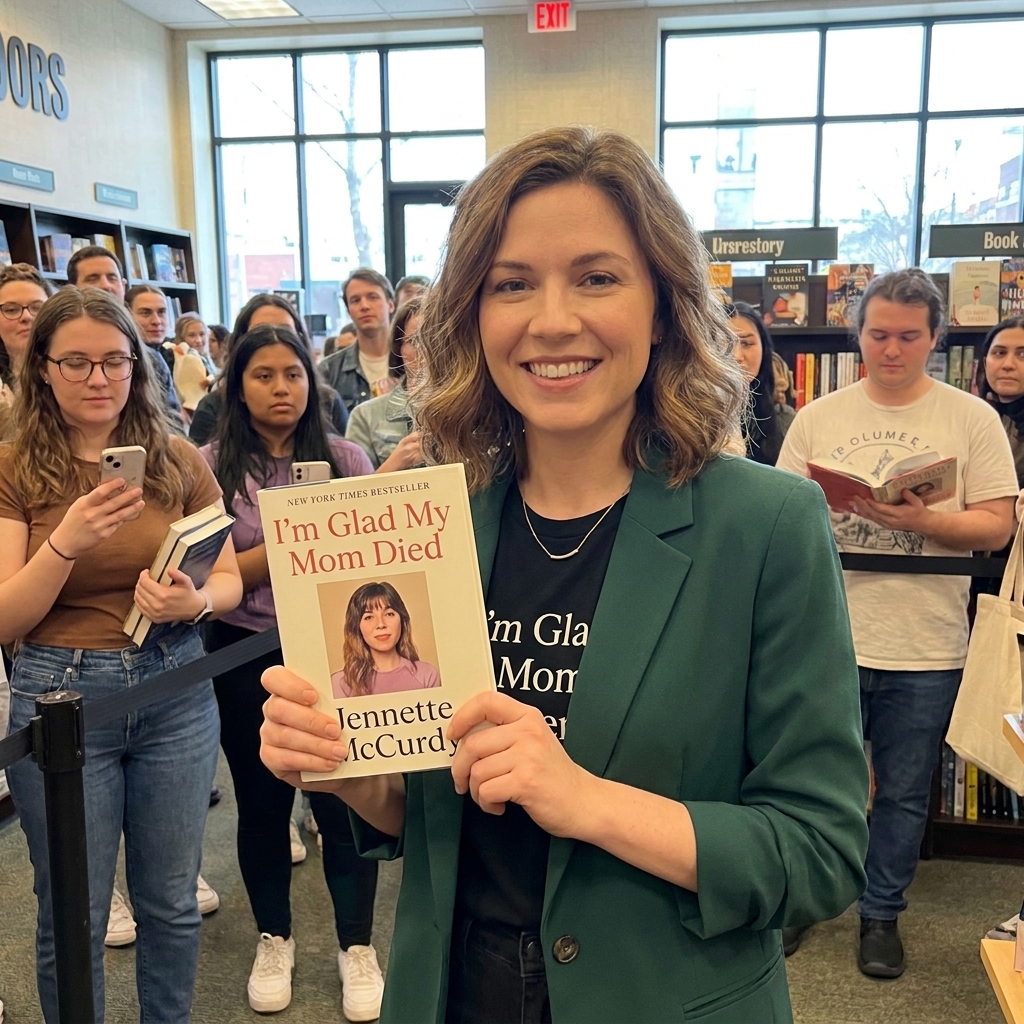
1) I’m Glad My Mom Died (2022) by Jennette McCurdy
Why it ranks #1: This is the gold standard for a modern celebrity memoir that refuses to protect the reader, the author, or the machine that made her famous. McCurdy writes with startling precision about childhood stardom, control disguised as “care,” eating disorders, and the long, brutal slog of untangling love from harm.
Vulnerability: Off the charts. She names what happened, how it felt, and how it warped her inner life without leaning on tidy redemption arcs.
Prose quality: Clean, propulsive, and emotionally exact. The dark humor is not a garnish, it is a survival tool.
Cultural impact: It became a focal point for renewed scrutiny of child stardom and parental exploitation, showing up in waves of coverage and reader conversation that outlasted the initial release cycle.
2) The Woman in Me (2023) by Britney Spears
Why it’s here: There’s an intimacy to Spears’s account that feels almost surreal because the world has spent decades narrating her life for her. This memoir reads like reclaimed oxygen: a first-person record of fame as confinement, of autonomy negotiated in public, and of what it means to have your voice treated as a commodity.
Vulnerability: Bracing in its directness about control, family dynamics, and the long shadow of the conservatorship.
Prose quality: Plainspoken and urgent. The power is in the accumulation of detail and the insistence on “this is what I experienced.”
Cultural impact: A widely discussed first-person correction to years of commentary, and a reminder that pop spectacle can mask very real governance over someone’s body and choices.
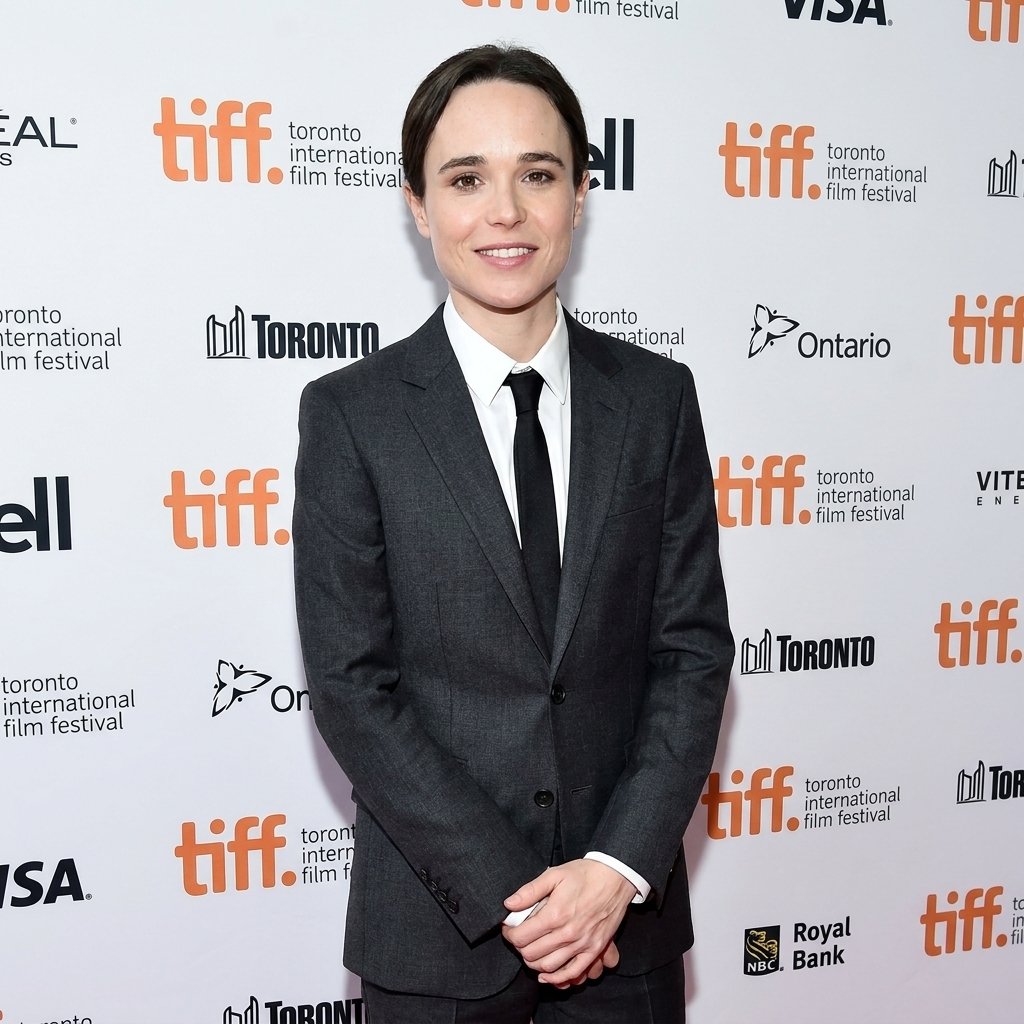
3) Pageboy (2023) by Elliot Page
Why it cuts deep: Page writes about dysphoria, fame, and the strange loneliness of being celebrated for a version of yourself that feels unlivable. The book is not a victory lap. It is an attempt to tell the truth with as little performance as possible.
Vulnerability: Deeply personal, particularly around identity, relationships, and the cost of silence.
Prose quality: Crisp and image-rich. Short sections work like cinematic cuts, moving you through memory with emotional precision.
Cultural impact: A significant mainstream memoir about trans identity and visibility in Hollywood, discussed as much for what it refuses to polish as for what it reveals.
4) Spare (2023) by Prince Harry (with J.R. Moehringer)
Why it’s more candid than people admit: If you can get past the noise around it, Spare is a grief book first. It’s also a book about institutions, inherited roles, and what happens when a life is prewritten and you try to scribble in the margins.
Vulnerability: Exposed around loss, family rupture, and the disorienting mix of privilege and pain.
Prose quality: Surprisingly readable, with strong narrative momentum and a clear emotional throughline.
Cultural impact: It kept tabloids, image-making, and institutional power in the conversation for months, not just as gossip, but as a debate about what it costs to be treated as a symbol instead of a person.

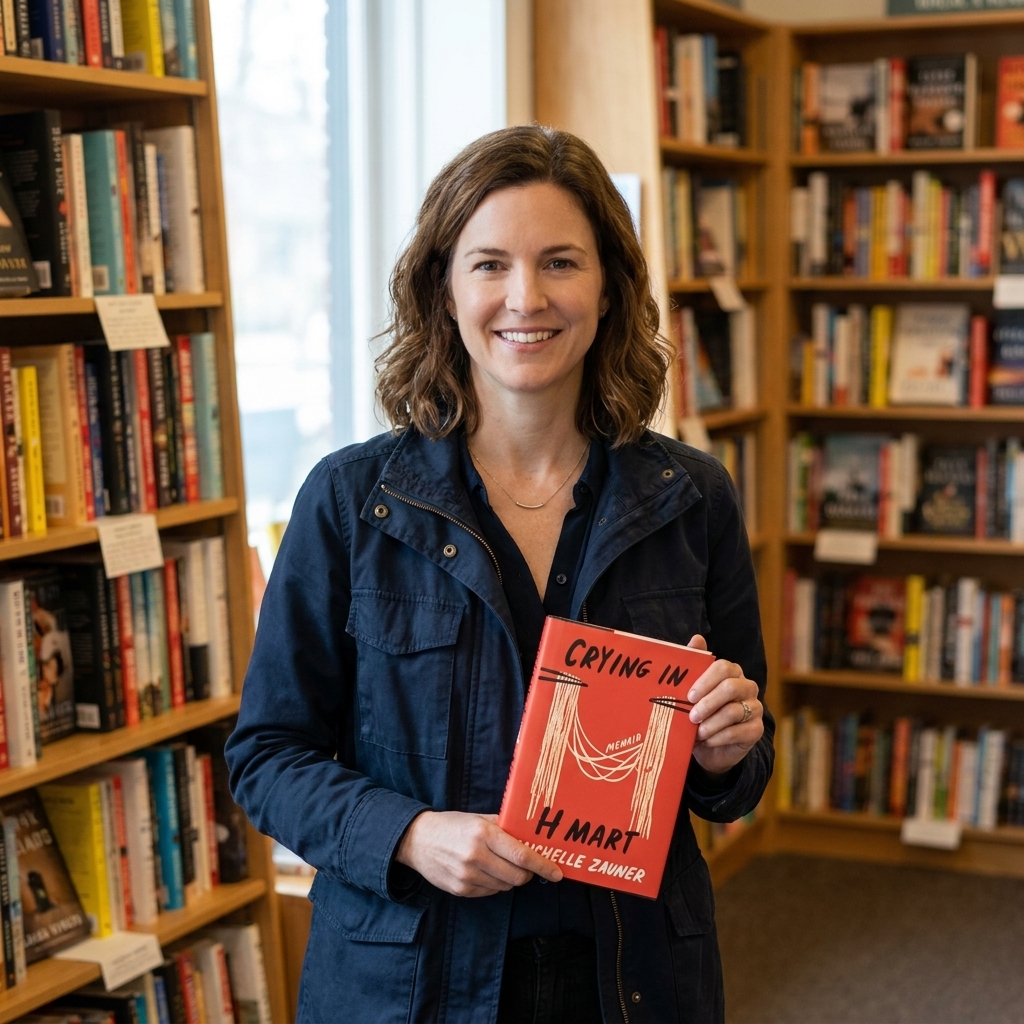
5) Crying in H Mart (2021) by Michelle Zauner
Why it hits so hard: Zauner’s memoir is about grief you can taste. Food is not a quirky framing device here, it’s the language she uses to reach her mother across the distance of death, cultural expectation, and complicated love.
Vulnerability: Intimate and unguarded about mother-daughter friction, guilt, and longing.
Prose quality: Lyrical but grounded. The sensory writing is gorgeous without feeling precious.
Cultural impact: A gateway grief memoir for many readers, and a meaningful contribution to conversations about Korean American identity.
6) Friends, Lovers, and the Big Terrible Thing (2022) by Matthew Perry
Why it belongs on this list: Perry’s memoir is frank about addiction in a way that is revealing and, at times, uncomfortably self-aware about the contradictions of relapse and recovery. It’s not a neat narrative. That’s part of its grim candor.
Vulnerability: High, especially in the specificity about medical crises, denial, and the emotional fallout of fame.
Prose quality: Conversational, uneven in places, but compelling because it reads like a man trying to get the story down while he still can.
Cultural impact: It fueled renewed public conversation about addiction and the myth that money or success can insulate anyone from it.

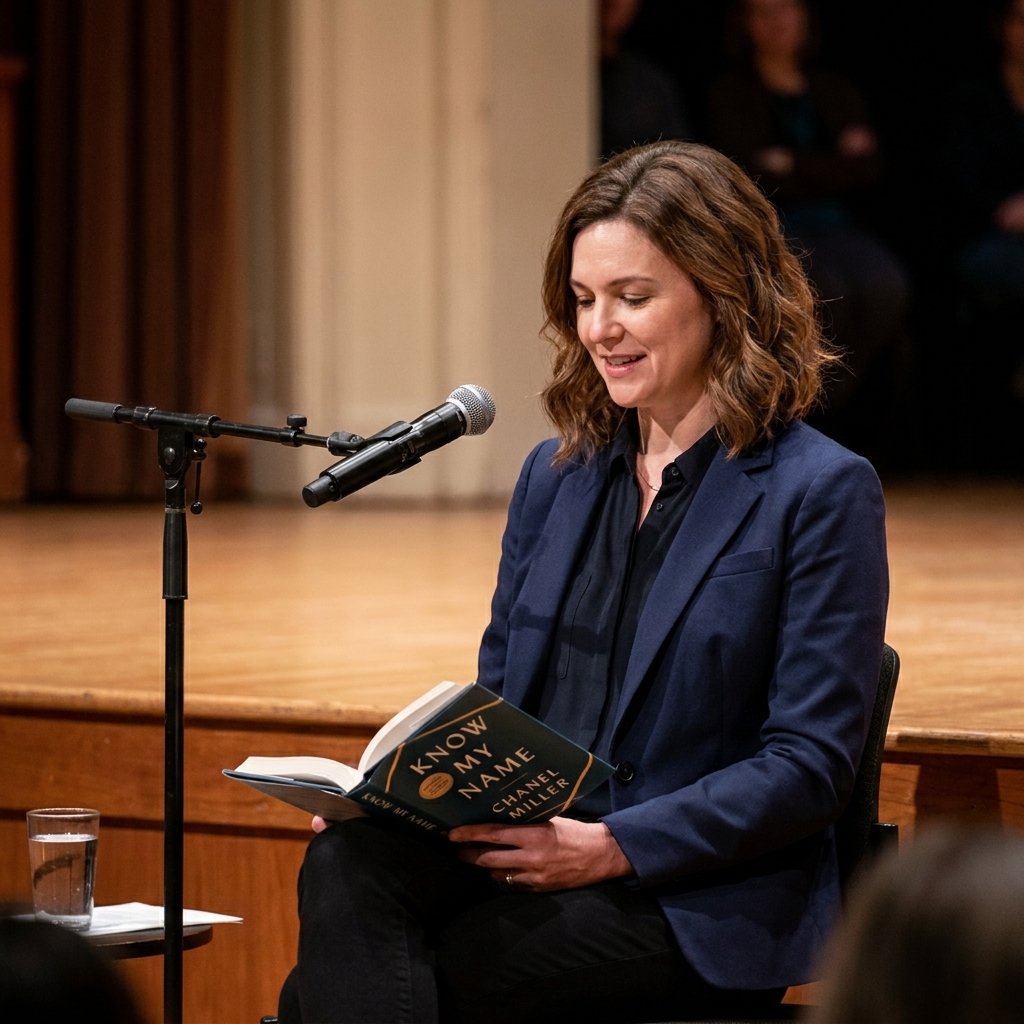
7) Know My Name (2019) by Chanel Miller
Celebrity-adjacent, culturally essential: Miller became known to the public through a case that tried to reduce her to a headline. This memoir is her refusal. It is both personally devastating and structurally brilliant, showing how institutions metabolize trauma and call it justice.
Vulnerability: Unflinching, especially about the afterlife of assault: paperwork, public opinion, the theft of ordinary peace.
Prose quality: Stunning. Controlled, intelligent, and emotionally precise. The craft is part of the argument: language as reclamation.
Cultural impact: Enormous by any reasonable measure. Her writing became part of how people discuss consent, victimhood, and narrative ownership, especially in conversations shaped by her earlier victim impact statement and its reach.
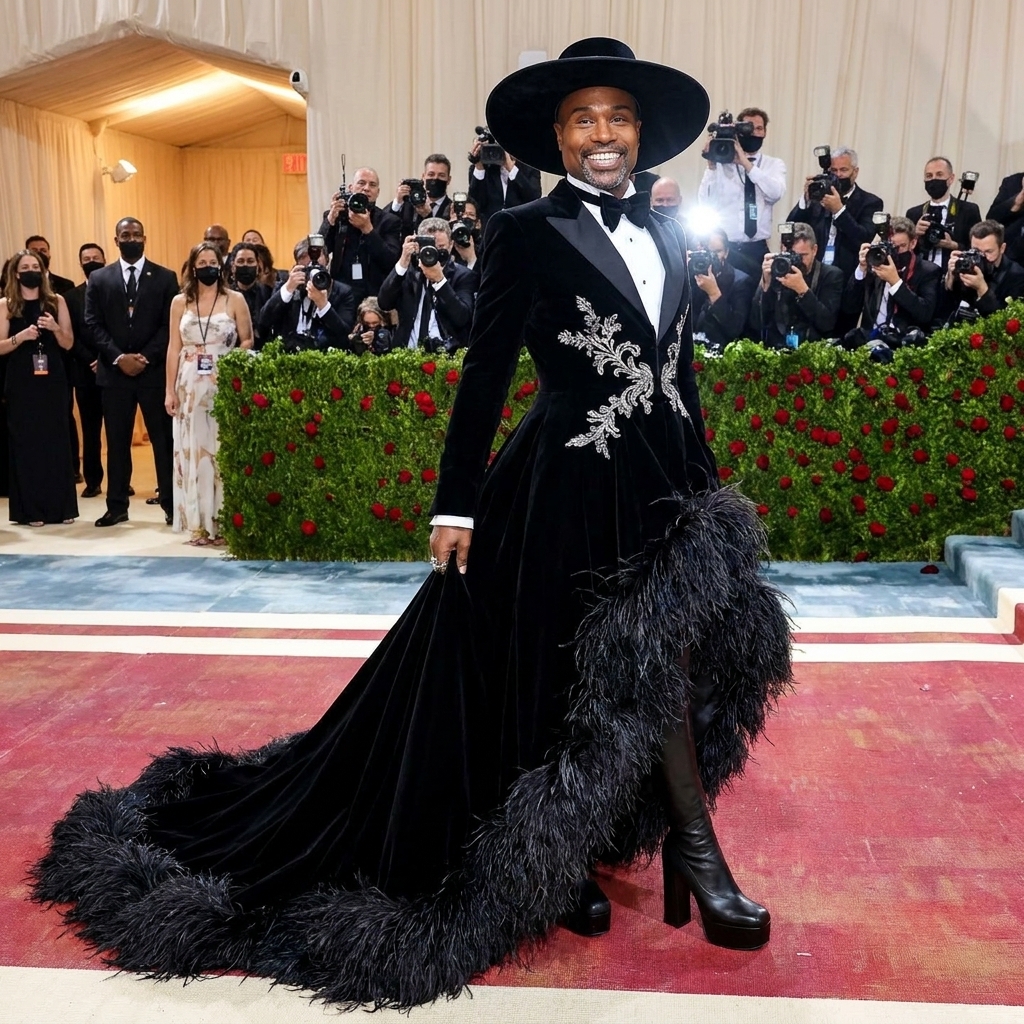
8) Unprotected (2021) by Billy Porter
Why it’s clear-eyed: Porter writes with theatrical flair, yes, but also with hard-earned candor about survival, sexuality, shame, and what it costs to be both visible and misunderstood. His reflections on career, health, and identity carry the bite of lived experience.
Vulnerability: High, particularly around health, money, and the fear that follows you even after success.
Prose quality: Big voice, strong pacing, and a sense of storytelling that feels meant to be spoken aloud.
Cultural impact: A meaningful document of queer visibility in mainstream culture, and the labor behind “overnight success.”
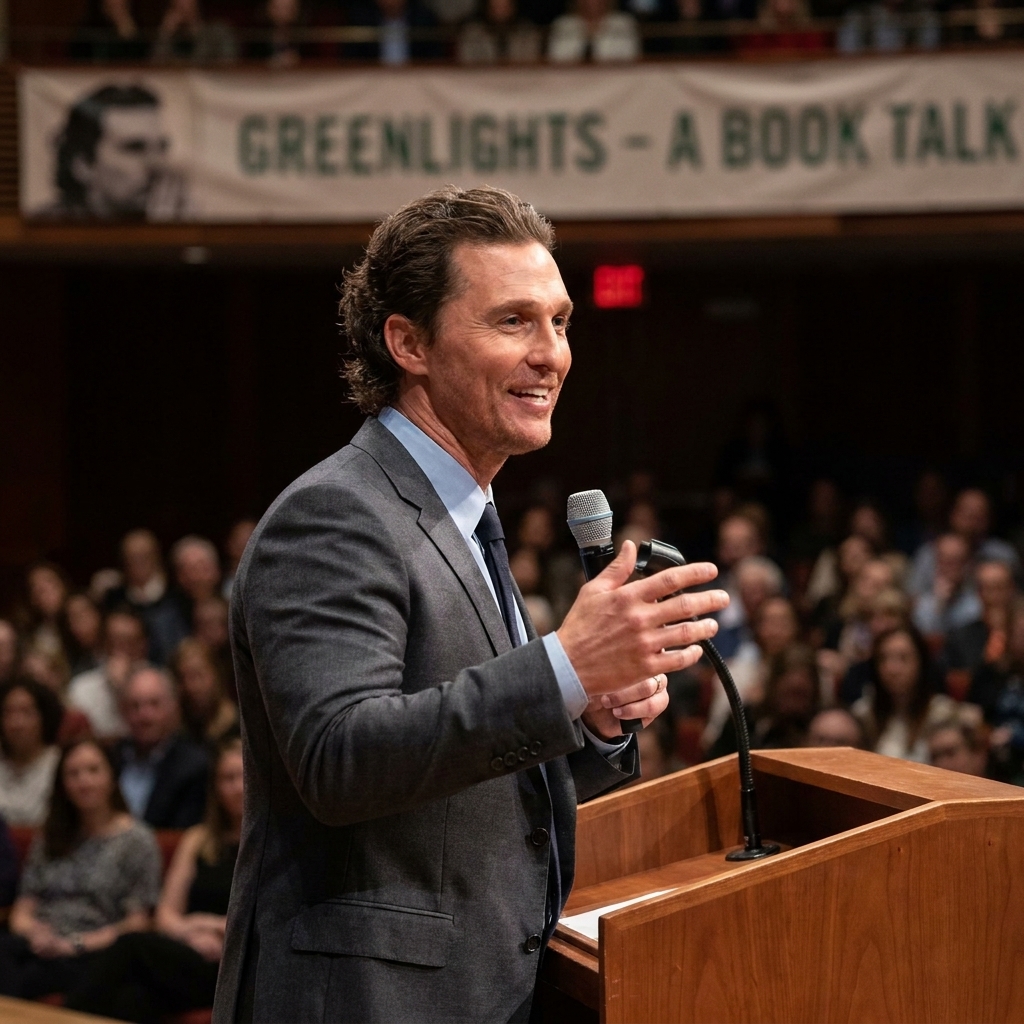
9) Greenlights (2020) by Matthew McConaughey
Candid in a different way: This one is less “open wound” and more “here are the scars, let’s talk about how they formed.” McConaughey is charming, philosophical, and occasionally slippery, but the book contains real admissions about family chaos, discipline, and the stories we tell ourselves to keep moving.
Vulnerability: Medium-high. It’s curated honesty, but not empty.
Prose quality: Energetic and highly voice-driven, with a scrapbooky structure that matches the late-night-monologue vibe.
Cultural impact: Hugely popular and frequently quoted, for better and for worse. It reinforced a modern appetite for memoir-as-manifesto.
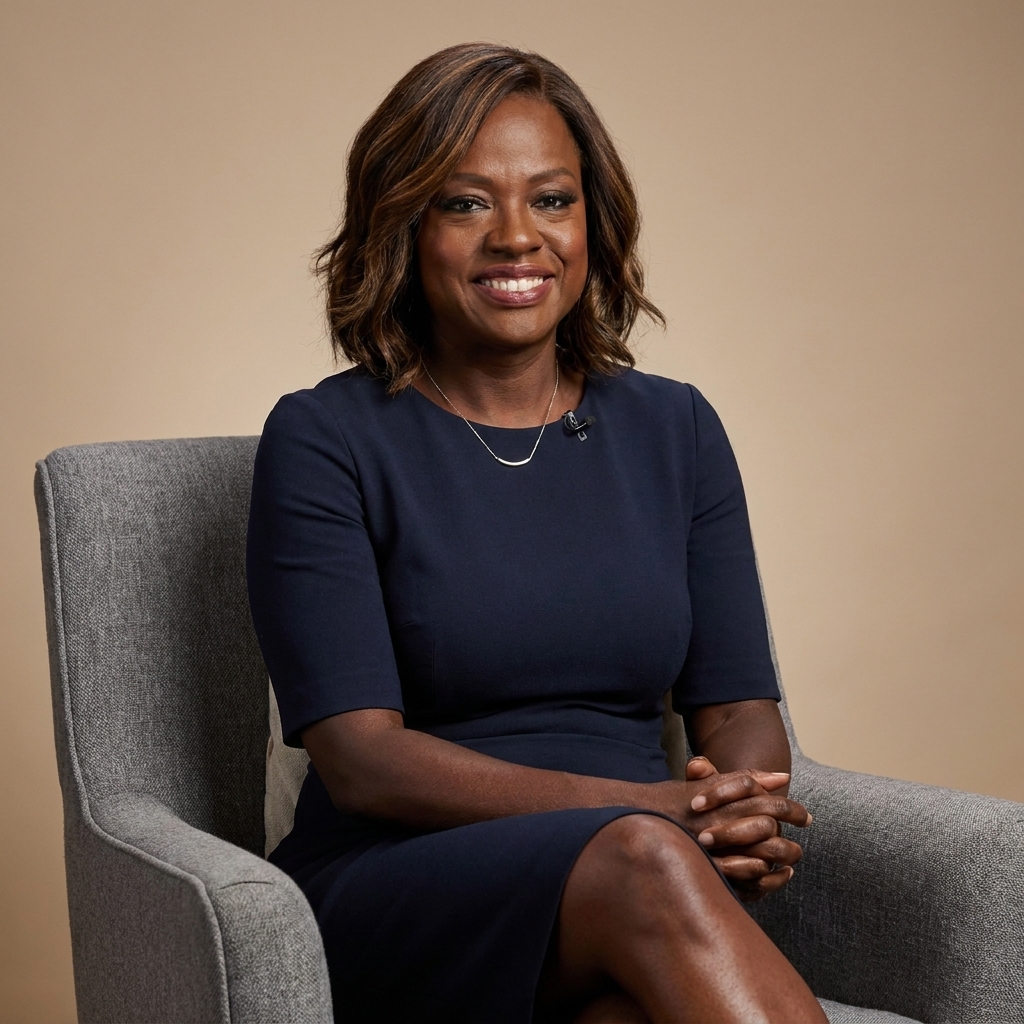
10) Finding Me (2022) by Viola Davis
Why it lands with such force: Davis writes about poverty, abuse, and hunger with a steadiness that makes your chest tighten. The book’s honesty comes from its refusal to romanticize resilience. Surviving is not presented as inspirational content. It is presented as a fact with a cost.
Vulnerability: High, especially around childhood and the long-term imprint of violence and scarcity.
Prose quality: Clear, emotionally grounded, and often quietly poetic.
Cultural impact: A powerful addition to American memoirs about class and survival, written by someone whose public image could have easily stayed polished.
What makes these feel honest?
I’ve shelved enough memoirs to know that “honest” is not the same as “confessional.” A book can share a lot and still feel managed. The memoirs that last tend to have a few things in common:
- Specificity over generality: not “I struggled,” but how, when, and what it cost.
- Complicated self-portraiture: the author admits to being wrong, not just wounded.
- Clear boundaries: paradoxically, the best honesty often includes what the author chooses not to share.
- A sense of aftermath: the story does not end at the headline moment. It follows the emotional paperwork.
Read these next
Because sometimes you finish a memoir like this and you need a chaser that is equally human.
- More high-impact vulnerability: Educated by Tara Westover, Heavy by Kiese Laymon
- For grief with a strong sense of place and palate: The Year of Magical Thinking by Joan Didion
- For fame and the cost of being watched: The Lonely City by Olivia Laing (not a celebrity memoir, but it speaks to that isolation)
- For recovery narratives that do not sugarcoat: Drinking: A Love Story by Caroline Knapp

FAQ
Are these all written without ghostwriters?
Not necessarily, and I don’t treat that as a moral failure. What I care about is whether the voice feels coherent and emotionally true, and whether the structure serves the story instead of sanding it down into PR. Some memoirs are explicitly co-written, like Spare (with J.R. Moehringer).
Where do you draw the “celebrity memoir” line?
Mostly: people whose lives are routinely treated as public property. I included Chanel Miller because her public visibility was imposed on her, and her writing became culturally central in the way celebrity memoirs can be, shaping discourse beyond the book world.
Which one should I start with if I’m in a reading slump?
If you want momentum and sharp humor alongside real pain, start with I’m Glad My Mom Died. If you want lyrical grief, start with Crying in H Mart. If you want a memoir that felt like a public conversation in real time, start with The Woman in Me.
What’s the difference between “brutally honest” and “oversharing”?
Oversharing can feel impulsive or performative. Brutal honesty feels considered: the author understands what they are revealing and why, and they stay with the consequences on the page.