Some days you want a voice in your ear, telling you a story like you are splitting a slice of cake at the kitchen table. Other days you want the steady satisfaction of facts and footnotes, where each chapter opens into another room of history. Both cravings are valid, and both are delightful in wildly different ways.
Celebrity memoirs and researched biographies are cousins in the nonfiction family. They both promise a life, a voice, a transformation. But they move at different speeds, they care about different kinds of truth on the page, and they leave you with different aftertastes. Let’s match your current reading mood to the right kind of life story.
What you are really choosing
Before we get into pacing and style, here is the core difference in the plainest terms:
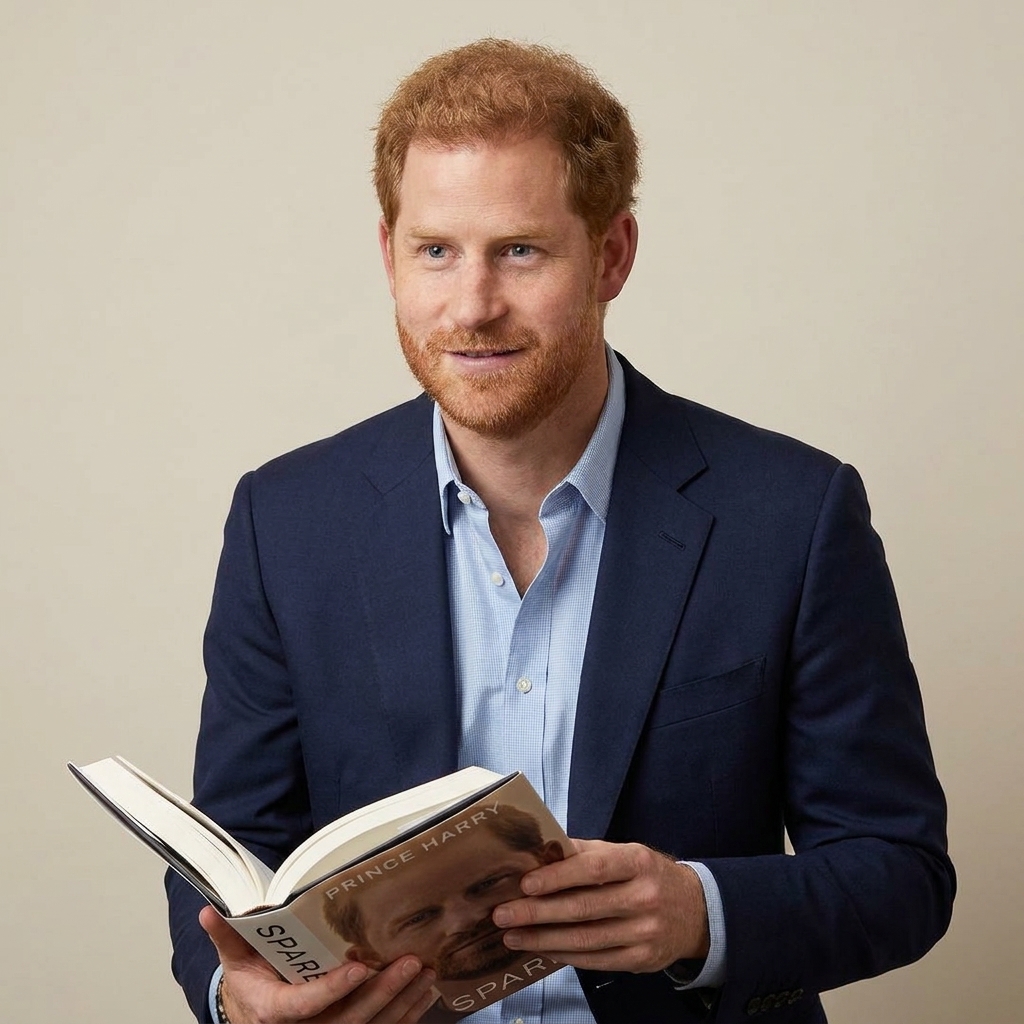
- Celebrity memoir: a curated personal narrative, told from the inside. The point is how it felt, what it meant, and why the storyteller is ready to talk about it now.
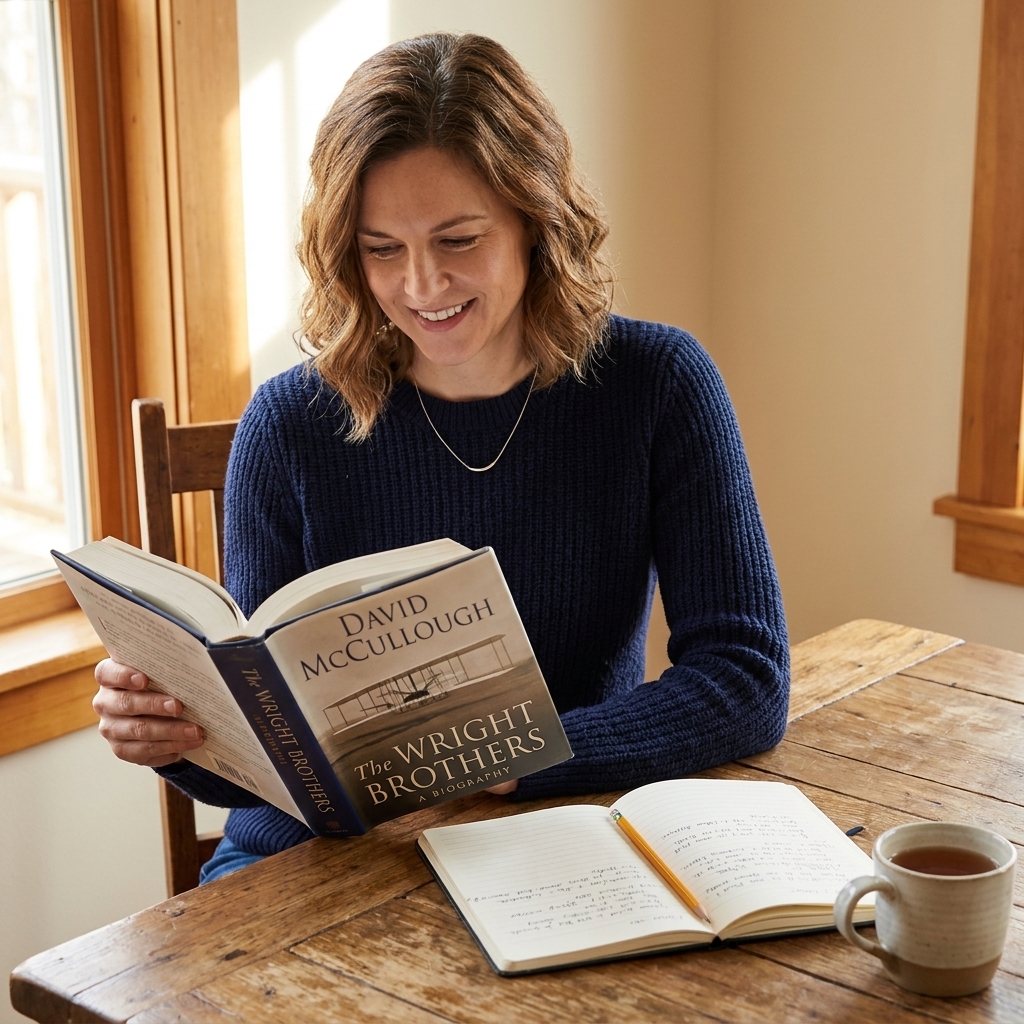
- Researched biography: a sourced life story, told from the outside. The point is what happened, how we know, what it changed, and what it reveals about a time and place.
A quick translation note: biography can be about anyone, including modern celebrities. Here, “historical biography” means the more research-forward style that leans on documents, interviews, and context, rather than a first-person account.
Also, if the labels blur together on you, you are not alone:
- Memoir usually covers a slice of a life (a theme, an era, a turning point).
- Autobiography more often aims for cradle-to-present, still in the author’s own voice.
- Biography is written by someone else, using sources and interpretation.
Neither memoir nor biography is automatically “truer” than the other. They are simply aiming at different targets. Memoir is often emotional truth in a spotlight. Biography is contextual truth in a wide-angle lens.
Narrative voice
Celebrity memoir: intimacy and the “I”
Memoir tends to feel like a direct line to the speaker. Even when it is co-written or shaped by an editor, it is built to sound like a singular person talking. You get opinions, side comments, self-justifications, regrets, and moments of blunt self-mockery. It is not pretending to be neutral, and that is part of the appeal.
Common voice traits you will notice:
- Present-tense emotional recall: “I walked in and my stomach dropped.”
- Conversational structure: quick scenes, punchy anecdotes, a sense of being confided in.
- Selective focus: what they choose to linger on tells you as much as what they skip.
A note on ghostwriting and co-writing: it can mean a cleaner arc, sharper pacing, and more polish. It can also mean the voice is a little more “performed” than purely spontaneous. If you care, the acknowledgments often tell you how collaborative the process was.
Researched biography: distance and the “they”
Biography voice often feels steadier and more panoramic. A good biographer is part storyteller, part investigator, part tour guide. You will feel the author’s mind working, weighing sources, presenting competing accounts, and explaining why one version seems more likely.
Common voice traits you will notice:
- Measured narration: less confession, more synthesis.
- Source-conscious storytelling: letters, diaries, interviews, archives, court records, newspapers.
- Context-building: the life as a thread woven through social norms, politics, art, science, war, migration, money.
Pacing
If memoirs feel like sparkling water and biographies feel like a hearty stew, pacing is often why.
Celebrity memoir pacing
Memoirs are usually built from scenes. They prioritize momentum and readability, so you get:
- Short chapters and clear beats: childhood, discovery, breakthrough, fallout, reinvention.
- Dialogue and set pieces: on-set drama, backstage moments, family blowups, a pivotal audition, a turning-point illness.
- Emotional cliffhangers: not always literal, but often the chapter ends where your curiosity peaks.
This is why memoirs are such reliable slump-busters. Even when the subject matter is heavy, the narrative engine is typically brisk.
Researched biography pacing
Biographies often move according to evidence rather than adrenaline. A decade might take twenty pages because it matters historically, while a dramatic week might take three because the records are thin. Expect:
- Time jumps that follow the paper trail: “In 1847, the correspondence shifts…”
- Strategic slowdowns for major events: elections, publications, exhibitions, trials, expeditions.
- Context chapters that pause the “life story” to explain the world: patronage systems, publishing economies, medical beliefs, racial hierarchies, class structures.
When a biography is great, this pacing feels luxurious. When you are tired, it can feel like trying to run errands in a museum. That is not a character flaw. It is just a mood.
Truth on the page
This is the part where readers sometimes get a little tense, so let’s make it gentle and useful.
Memoir truth: the power and limits of remembering
Memoir is built from lived experience. That means you get texture: what the room smelled like, what shame does to your voice, the exact kind of loneliness that hits after a standing ovation. But memory is also a messy medium. People misremember dates, compress timelines, merge minor characters, and interpret past selves through today’s understanding.
A responsible memoirist often signals this with phrases like “as I remember it” or admits uncertainty. The best ones are not trying to win a court case. They are trying to tell you what it was like to be them. And some memoirs are also rigorously fact-checked, especially when other people or public events are involved.
Biography truth: receipts, gaps, and agendas
Biography is often sturdier on the “what happened when” question when it is well-sourced and responsibly argued. But it has its own limits. Records can be biased, missing, destroyed, or never created in the first place. And even with a mountain of documents, a biographer is still making choices about emphasis, interpretation, and tone.
Historically, powerful people have been more likely to leave extensive paper trails, while marginalized people have often been recorded through someone else’s lens, if they were recorded at all. A great biographer makes those gaps visible, and also stays alert to two classic traps: the saintly portrait (hagiography) and the takedown (hatchet job). The goal is not perfection. It is a life you can trust enough to think with.
Emotional payoff
What a celebrity memoir tends to leave you with
- Catharsis: you close the book feeling wrung out or buoyed up.
- Voice: you can “hear” the person afterward, like a song stuck in your head.
- Permission: to reinvent, to set boundaries, to try again, to be complicated.
What a researched biography tends to leave you with
- Perspective: a sense of how one life intersects with larger systems.
- Nuance: fewer heroes and villains, more humans making choices under pressure.
- After-reading rabbit holes: art movements, political shifts, culinary trends, medical history, labor history.
As someone who loves the intersections of food history and art, I will admit: a good biography can make you notice the world differently the next time you walk through a museum or read a restaurant menu.
Pick by mood
If you are standing in front of your bookshelf or library holds list like you are choosing what to wear in unpredictable Portland weather, try this.
Choose a celebrity memoir if you want…
- Fast immersion and easy chapter breaks
- A strong personality driving the story
- Confession and humor, even alongside pain
- Behind-the-scenes details about an industry or public life
- An audiobook that sings, especially if narrated by the author
Choose a researched biography if you want…
- A bigger canvas where the life explains an era
- Research satisfaction, sources, notes, and “how we know”
- Slow-burn understanding that accumulates over time
- A complex character study with contradictions intact
- To learn without feeling like you are in a classroom
Try these titles
If you want a few handholds, here are some widely loved picks in each lane. (Treat this as a starter shelf, not a syllabus.)
Memoirs with a strong voice
- Born a Crime by Trevor Noah
- Educated by Tara Westover
- I’m Glad My Mom Died by Jennette McCurdy
Biographies that read like stories
- Steve Jobs by Walter Isaacson
- Alexander Hamilton by Ron Chernow
- The Immortal Life of Henrietta Lacks by Rebecca Skloot
If you like memoir energy but want more context, narrative nonfiction about one person in a bigger system can be a perfect bridge.
How to test a book
Here are a few gentle bookshop tricks I used behind the counter when someone wanted help without committing to a full conversation.
For memoirs
- Read the first 2 pages. If the voice clicks, you are in good hands.
- Skim a random chapter mid-book. Memoirs should keep their momentum beyond the opening fireworks.
- Check the acknowledgments. You can often see how collaborative the process was, which helps set expectations.
For biographies
- Read the introduction. A strong biographer tells you their angle and sources up front.
- Peek at the endnotes. Not for homework vibes, but to see whether the author is transparent and thorough.
- Look for chapter titles. Are they event-based (good for pacing) or thematic (good for depth)? Either can be great, but you should know what you are signing up for.
Common dilemmas
“I am in a slump but I want nonfiction.”
Go memoir, especially if it is funny, voice-driven, or celebrity-adjacent to something you already enjoy (music, comedy, sports, film). Bonus points for audiobook.
“I want to feel like I learned something real.”
Go biography, or choose a memoir by someone whose career sits inside a bigger historical moment and is willing to talk about systems, not just self.
“I do not care about celebrities.”
You might still like memoir if the hook is craft rather than fame: a chef , an editor, a dancer, an investigative journalist. Look for memoirs marketed around work, obsession, or community, not just name recognition.
“Biographies intimidate me.”
Try a shorter biography, a biography of one focused period (not cradle-to-grave), or a narrative historian whose style is more novelistic. Also, do not be afraid of skimming dense stretches. You are allowed.
Final nudge
If you want to be held close by a single voice, pick the memoir. If you want to step back and see a life in the weather of its time, pick the biography. And if you cannot decide, choose based on your attention span this week, not your aspirational self. Your reading life will be happier for it.
And truly, if all else fails: choose the book with the paper that feels good in your hands. Tactile joy counts as literary wisdom in my world.