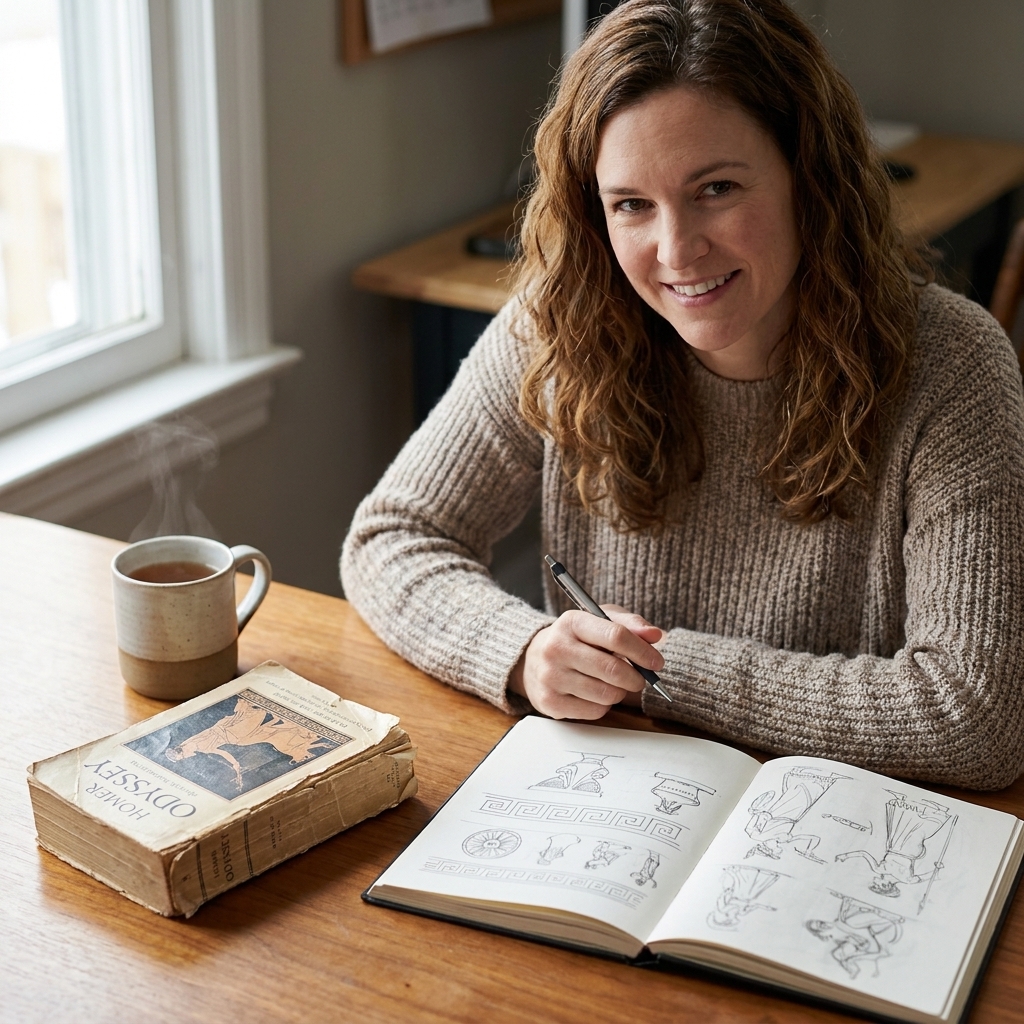
Some poetry books are meant to be read. Others are meant to be held like a small, secret museum. The best illustrated poetry collections do something a plain page cannot. They give your imagination a handhold, a color palette, a rhythm you can see as well as feel. The art does not explain the poem so much as it keeps you company while you wander through it.

Below are illustrated poetry books that merge visual art and verse in ways that feel genuinely collaborative. To keep things honest, this guide is grouped into three kinds of visual-poetry joy: illustrated editions of adult poetry, classics where the art is inseparable from the text, and graphic adaptations that treat the page like a stage.
Modern illustrated poetry
The Waste Land by T. S. Eliot, illustrated by Martin Rowson
If you have ever wanted The Waste Land to feel less like a locked room and more like a city you can walk through, Martin Rowson helps. His illustrations are darkly funny, politically sharp, and teeming with detail, which makes Eliot’s famous fragmentation feel purposeful instead of punishing. The art does not tame the poem. It gives you another doorway in.
- Best for: readers who like modernist classics but want a more visceral, visual entry point
- Art vibe: graphic, satirical, densely detailed scenes
- Reading mood: rainy afternoon, pencil in hand, a little delighted and a little unsettled
Milk and Honey by Rupi Kaur
Part of what makes this collection so widely shared is the way Kaur’s spare line drawings act like emotional punctuation. The visual minimalism mirrors the poems’ directness. It is not ornate or fussy. It is a book that meets you where you are, especially if you are carrying something heavy.
- Best for: readers who want accessible, emotionally immediate poems
- Art vibe: minimal line drawings that function like breath marks
- Reading mood: phone off, feelings on, underlining favorite lines
Illuminations by Arthur Rimbaud, translated by John Ashbery, illustrated by Maira Kalman
If you want contemporary visual energy wrapped around classic text, this is a standout. Kalman’s art brings bright, restless intelligence to the page, the kind that makes you look up mid-poem and feel the world tilt a few degrees. Rimbaud’s lines stay wild and uncontainable, but the illustrations give your attention something to lean on. Not a simplification. A second weather system.
- Best for: readers who like lyric intensity and want art that feels like a companion voice
- Art vibe: bold, playful, and emotionally nimble
- Reading mood: afternoon light, a little caffeine, letting the strange feel vivid
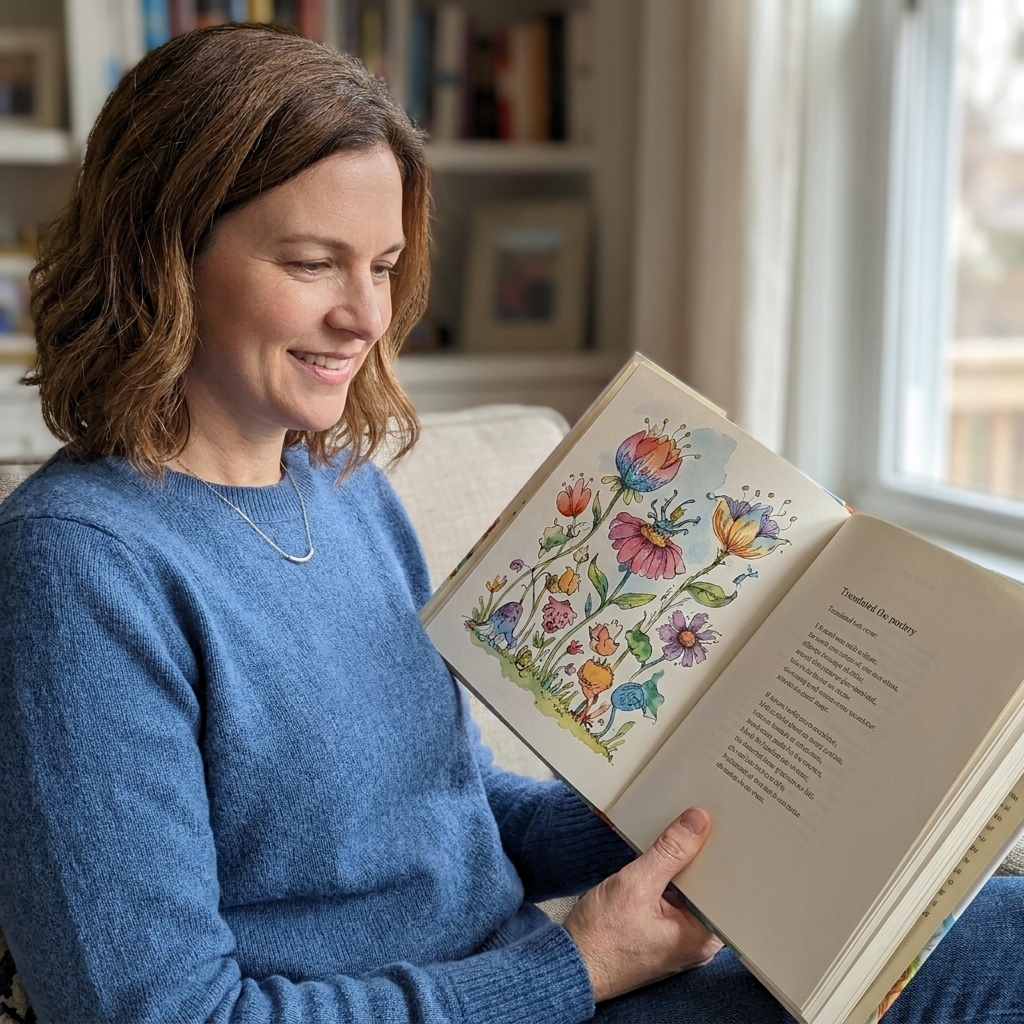
Classic illustrated poetry
Songs of Innocence and of Experience by William Blake
If you want one of the earliest, most iconic proofs that poetry and art can be the same breath, start with Blake’s illuminated books. He wrote, etched, and hand-colored pages that feel like spells you can touch. The poems are sharp, strange, and memorable. The visuals do not sit beside the language. They are fused to it, which is why looking at Blake can feel like reading with your whole face.
- Best for: readers who want a true art-object reading experience
- Art vibe: symbolic, ornate, mythic, full of tiny intensities
- Reading mood: slow pages, candle-hour attention, letting the strange be beautiful
A Book of Nonsense by Edward Lear
Lear is a reminder that illustration is not only for grandeur and myth. It can be the engine of a poem’s joke, timing, and charm. His limericks are brisk, musical, and delightfully odd, and his drawings do not merely accompany them. They are part of the punchline, part of the mood, part of the logic that makes nonsense feel exact.
- Best for: readers who love wordplay and want poems that move with visual wit
- Art vibe: crisp, quirky, pen-and-ink absurdity
- Reading mood: quick dips, repeat reads, laughing at how precise silliness can be
Illustrated poetry for all ages
A Child’s Garden of Verses by Robert Louis Stevenson, illustrated by Tasha Tudor
This is the kind of illustrated poetry book that makes you understand why people talk about keeping a copy for life. Stevenson’s poems feel warm and precise, and Tudor’s illustrations add a glow of domestic magic without turning saccharine. It is gentle, yes, but it is also craft-forward, the kind of book you reach for when you want to remember what charm can mean.
- Best for: gifting, family shelves, and readers who like poetry that feels lived-in
- Art vibe: classic, storybook-rich, tenderly detailed
- Reading mood: Sunday morning, tea nearby, unhurried
Poems to Learn by Heart selected by Caroline Kennedy, illustrated by Jon J Muth
Some poetry anthologies feel like a syllabus. This one feels like an invitation. The selections are friendly to new readers without being shallow, and Jon J Muth’s watercolor illustrations bring a calm, luminous spaciousness to the pages. It is an easy first illustrated poetry book, and it still holds up when you already know your way around poems.
- Best for: readers who want a welcoming, beautifully paced anthology
- Art vibe: soft watercolor atmosphere, contemplative and open
- Reading mood: a few poems at a time, letting them linger
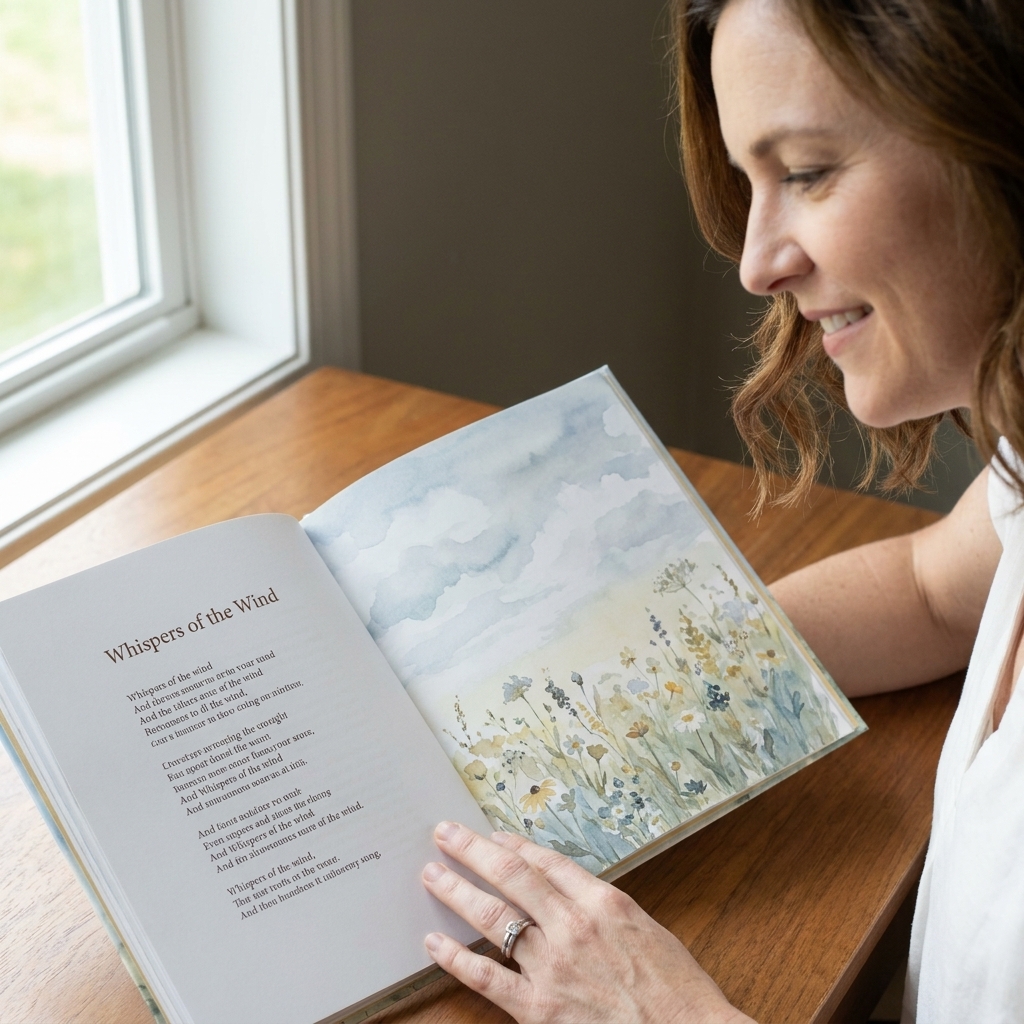
Graphic adaptations
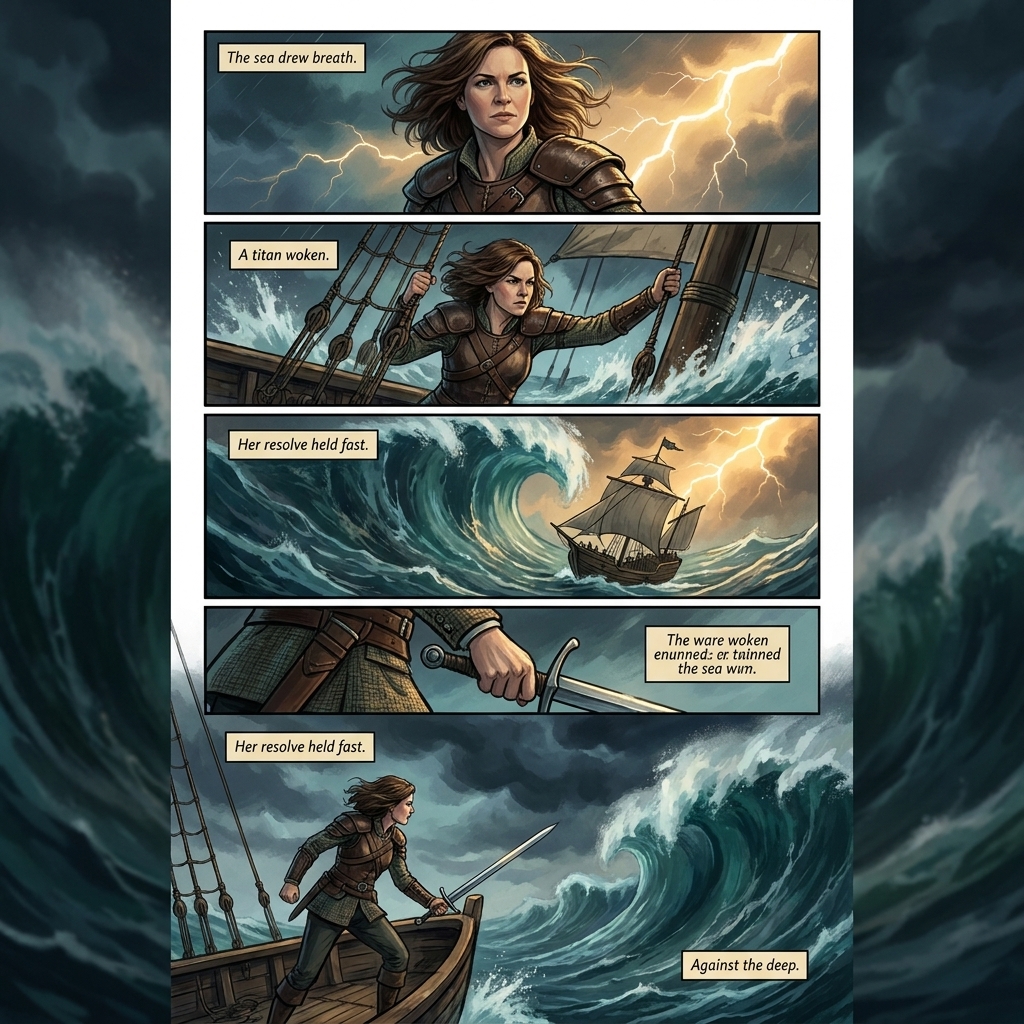
If you want the fusion of text and image rather than a poetry book with occasional art, adaptations and verse-forward graphic storytelling are where the electricity lives. Here, the visuals are not an accompaniment. They are part of the storytelling engine.
The Odyssey by Homer, adapted and illustrated by Gareth Hinds
Yes, it is an epic, and Hinds adapts a poetic classic into graphic form. The result is immediate and cinematic without sanding off its mythic strangeness. His pages balance clean readability with a sense of scale, and the monsters arrive with real presence. Great if you want to see the stakes while still feeling the story’s ancient pulse.
- Best for: readers who love classics but want momentum and visual immersion
- Art vibe: clear panel-to-panel storytelling with mythic breadth
- Reading mood: evening binge-read energy, one more chapter, one more island
The Iliad by Homer, adapted and illustrated by Gareth Hinds
If you are drawn to poetry for its intensity, this adaptation understands the assignment. The clashes, grief, pride, and fatalism land with clarity, and Hinds gives the quiet moments room to bruise. It is not a substitute for the poem. It is another way in.
- Best for: readers who want high drama, fate-soaked storytelling, and visual force
- Art vibe: bold action balanced with intimate, human close-ups
- Reading mood: sharpened focus, a little awe, the feeling of history hitting hard
How to choose
Because pretty is not the same as powerful, here are a few quick ways to tell when art and poem are truly in conversation.
- Look for collaboration, not decoration. The best books let the art create mood, tension, or pacing rather than merely filling space.
- Match the visual language to your reading mood. Minimal line work can feel like breath and silence. Dense art can feel like world-building.
- Consider format. Illustrated poetry is often best in hardcover for paper quality and color depth. If you are buying as a gift, this matters.
- Flip through for rhythm. Do the images appear at emotional turning points? Do they guide your eye and your pause?
Gift picks
If you are shopping for someone who loves both books and art objects, go for editions that feel intentional in the hand. Think sturdy binding, generous margins, paper that takes ink beautifully, and a cover you would happily leave face-out on a shelf.
- For the modernist classic lover: Martin Rowson’s illustrated The Waste Land
- For the minimalist shelf: Rupi Kaur’s Milk and Honey
- For the true art-object gift: a facsimile or museum-quality edition of Blake’s illuminated books
- For a vivid art-and-verse pairing: Rimbaud’s Illuminations translated by John Ashbery and illustrated by Maira Kalman
- For a family heirloom-feel: Stevenson’s A Child’s Garden of Verses illustrated by Tasha Tudor
Where to find the most beautiful editions: museum shops, rare-book rooms that carry facsimiles, and small presses that care about paper as much as content.
FAQ
Are illustrated poetry books only for beginners?
Not at all. Illustration can be an access point, but it can also be an artistic counterpart that deepens interpretation. Plenty of seasoned poetry readers love illustrated editions because they make rereads feel new.
Do I need to study the art to get the poems?
No. Let the images do what good stage design does. They set the mood, suggest subtext, and sometimes widen the emotional lens. If you want to linger, wonderful. If you want to read straight through, also wonderful.
What if I usually prefer contemporary poets?
Start with books where the visuals feel integral to voice and pacing, like Kaur’s work. Then try an art-forward pairing like Kalman’s Illuminations. From there, branch into illustrated classics once you trust the format.