There are two kinds of Russian classic readers: the ones who have a lifelong love affair with a particular translation, and the ones who have a minor existential crisis in the bookstore aisle because there are five different Anna Kareninas and they all look equally serious. If you are in camp two, come sit by me and my teacup.
Here is the comforting truth: you cannot “ruin” Tolstoy or Dostoevsky by picking the “wrong” translation. You can, however, pick one that fits you better. Some versions prioritize literal closeness to the Russian. Others aim for a supple English voice that reads like a novel written yesterday. And a few strike a balance so elegant it feels like finding a perfect thrifted wool coat that somehow already knows your shoulders.
How to choose a translation
Before we get author by author, here are the three questions I ask when I am matchmaking a reader to a Russian doorstopper.
- Do you want maximum fluency or maximum fidelity? “Fidelity” is not automatically better. A very literal translation can preserve syntax and oddness in a way that scholars love, but it can also feel stiff if you just want to fall into the story.
- Do you care about names and honorifics? Russian uses patronymics and diminutives that carry relationship cues. Some translations keep them intact. Some smooth them over. If you are easily overwhelmed by multiple nicknames per person, pick a translation with a helpful character list.
- Do you want notes or no notes? Footnotes can be lifesavers for historical context, Bible references, social customs, and wordplay. They can also interrupt the dream. Decide which reader you are.
One more thing from my bookstore manager era: if possible, read the first two pages of two different translations. Your body will tell you which one you will actually finish.
Tolstoy
Tolstoy can feel like a clear window or a blizzard, depending on the translation. His sentences are often deceptively simple, and the emotional temperature matters: you want clarity without flattening his moral urgency.
Anna Karenina
- A great classic, steady option: Louise and Aylmer Maude. The Maudes knew Tolstoy and translated with a humane rhythm that still works wonderfully for modern readers. If you want the novel to feel like a story first and a monument second, this is a happy place to start.
- A strong modern literary feel: Marian Schwartz. Smooth, contemporary English without losing the spiritual and social weight. Many readers who bounce off other versions find this one quietly irresistible.
- For close texture and particularity: Richard Pevear and Larissa Volokhonsky (often abbreviated to P&V). Their work can preserve Russian cadence and strangeness in a way that feels “closer,” though some readers find it a touch angular in English.
- If you love an older, classic cadence: Constance Garnett. Not everyone’s first pick, but if you enjoy slightly antique prose, she can be oddly cozy.
War and Peace
- A lively, modern, page-turning choice: Anthony Briggs. Briggs reads with energy, and the social scenes sparkle. If you want to be swept along by parties, battles, and philosophical spirals without feeling bogged down, this is a strong pick.
- If you want a classic voice: Louise and Aylmer Maude. Old-school, solid, and emotionally direct. It has that faintly antique polish that some readers associate with “this is a classic,” but it is still highly readable.
- For fidelity enthusiasts: Pevear and Volokhonsky. Meticulous and attentive to the original’s structure. If you like to feel the Russian pressing gently against the English, you may love it.
The French in War and Peace
One small practical note that saves a lot of headaches: some editions keep the French passages and footnote them; others translate them into English in-line. If you know you will not enjoy flipping to notes every few paragraphs, choose an edition that translates the French in-line or handles it with very light annotations.
The Death of Ivan Ilyich
With Tolstoy’s shorter works, the translation differences can feel even sharper because the moral force is concentrated.
- A crisp all-around choice: Richard Pevear and Larissa Volokhonsky (often in collections). Their Tolstoy short fiction tends to be precise and clean.
- Also excellent: Look for modern collections from major publishers with strong editorial apparatus. For shorts, good notes and a clean text often matter more than the “brand name” of the translator.

Dostoevsky
Dostoevsky is voice-driven. His narrators rant, plead, contradict themselves, and occasionally combust in public. A translation that is too polished can sand down the mania. A translation that is too literal can turn intensity into awkwardness. The sweet spot is: vivid, propulsive English that still lets the prose twitch.
Crime and Punishment
- A propulsive, contemporary favorite: Oliver Ready. This is my go-to hand-sell for readers who want the novel to feel urgent and alive. Ready captures the speed and dread without making the English feel museum-stiff.
- A reliable, widely available modern choice: David McDuff. Often paired with useful notes, and a solid match for readers who want clarity without losing grit.
- For close fidelity fans: Pevear and Volokhonsky. If you like the sense of the Russian behind the English, this version delivers, though it can read more deliberately.
The Brothers Karamazov
- Readable and intense in English: Ignat Avsey. Many readers find Avsey exceptionally readable while still emotionally ferocious. Dialogue feels natural, which matters in a book where conversations can turn into philosophical knife fights.
- A beloved classic: Constance Garnett. Historically important and still very readable for some. Her Victorian-era English can blur voices across authors, but if you enjoy that classic cadence, it can be a warm doorway.
- For fidelity enthusiasts: Pevear and Volokhonsky. Strong on texture and structural closeness.
Notes from Underground
- For the narrator’s bite: Michael R. Katz. Katz keeps the Underground Man sharp, funny, and unbearable in exactly the right way.
- Also strong: Pevear and Volokhonsky. Their version leans into the peculiar rhythms of the original.

Chekhov
Chekhov is all about what is not said. Translation choices here are less about “accuracy vs readability” and more about tone: gentle irony, sudden tenderness, and that faint ache that sneaks up on you after the last line.
Short stories
- Clear and humane: Rosamund Bartlett. Bartlett’s Chekhov feels clean and emotionally honest, with a modern naturalness that does not betray the period.
- A big, generous selection: Richard Pevear and Larissa Volokhonsky (collections). Widely admired, and often published in satisfying, comprehensive volumes.
- If you love a classic voice: Constance Garnett. Antique, yes, but for some readers that atmosphere is half the pleasure.
Plays
Plays are meant to be spoken. If the dialogue feels stiff on the page, it will feel worse on a stage.
- Theatre-forward and speakable: Look for translations by Paul Schmidt or other stage-minded editions that prioritize natural speech. The best choice often depends on whether you are reading quietly or participating in a production.

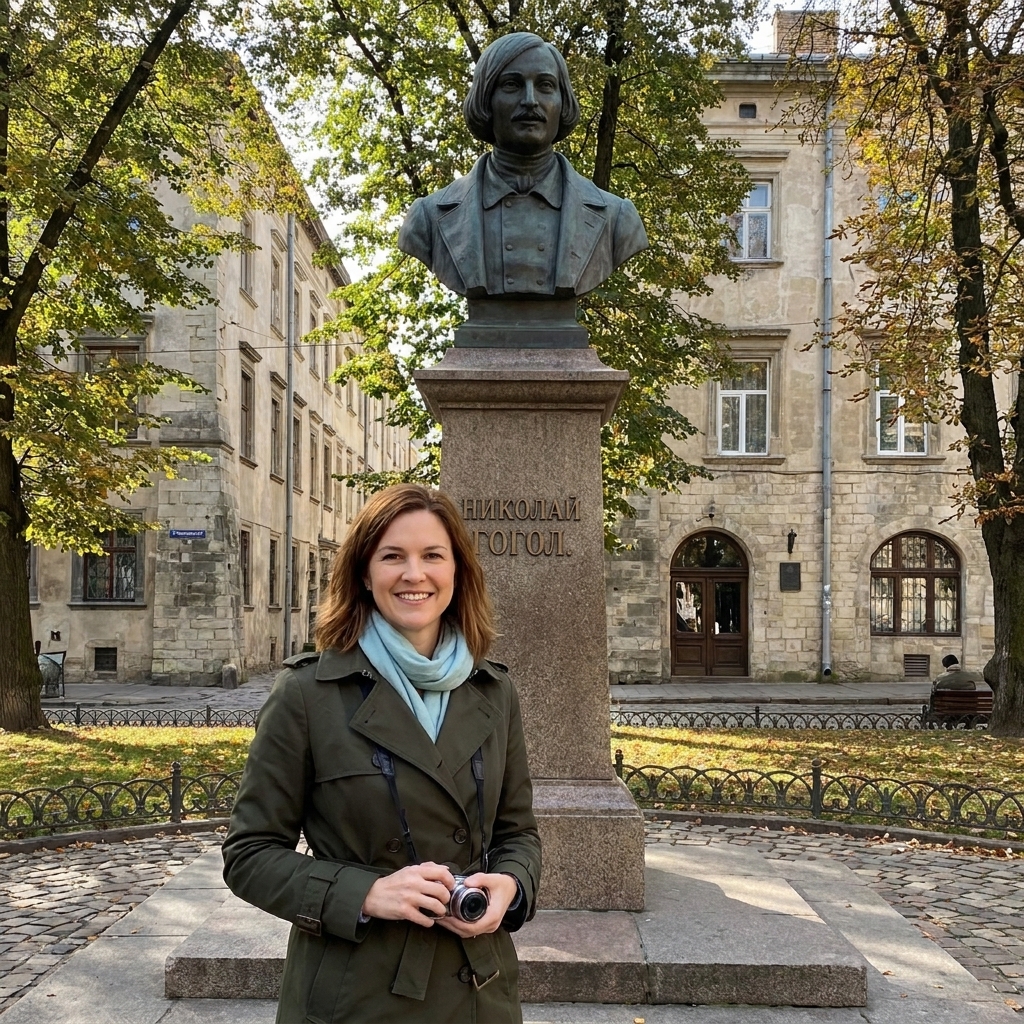
Gogol
Gogol is mischievous, surreal, and sharply funny. You want a translator who can do comedy without turning it into stand-up. The sentences should feel nimble, slightly uncanny, and delighted with themselves.
Dead Souls
- A lively, literary modern choice: Robert A. Maguire is often recommended for capturing Gogol’s voice with an intelligent English sensibility.
- Another excellent modern option: Donald Rayfield. A strong alternative if you want Gogol’s wit to land cleanly in contemporary English.
- Also widely read: Pevear and Volokhonsky. Attentive to oddity and rhythm, which suits him well.
The Overcoat
For Gogol’s shorter pieces, choose an edition with strong notes. His jokes and social satire often land harder when you understand what he is poking.
Pushkin
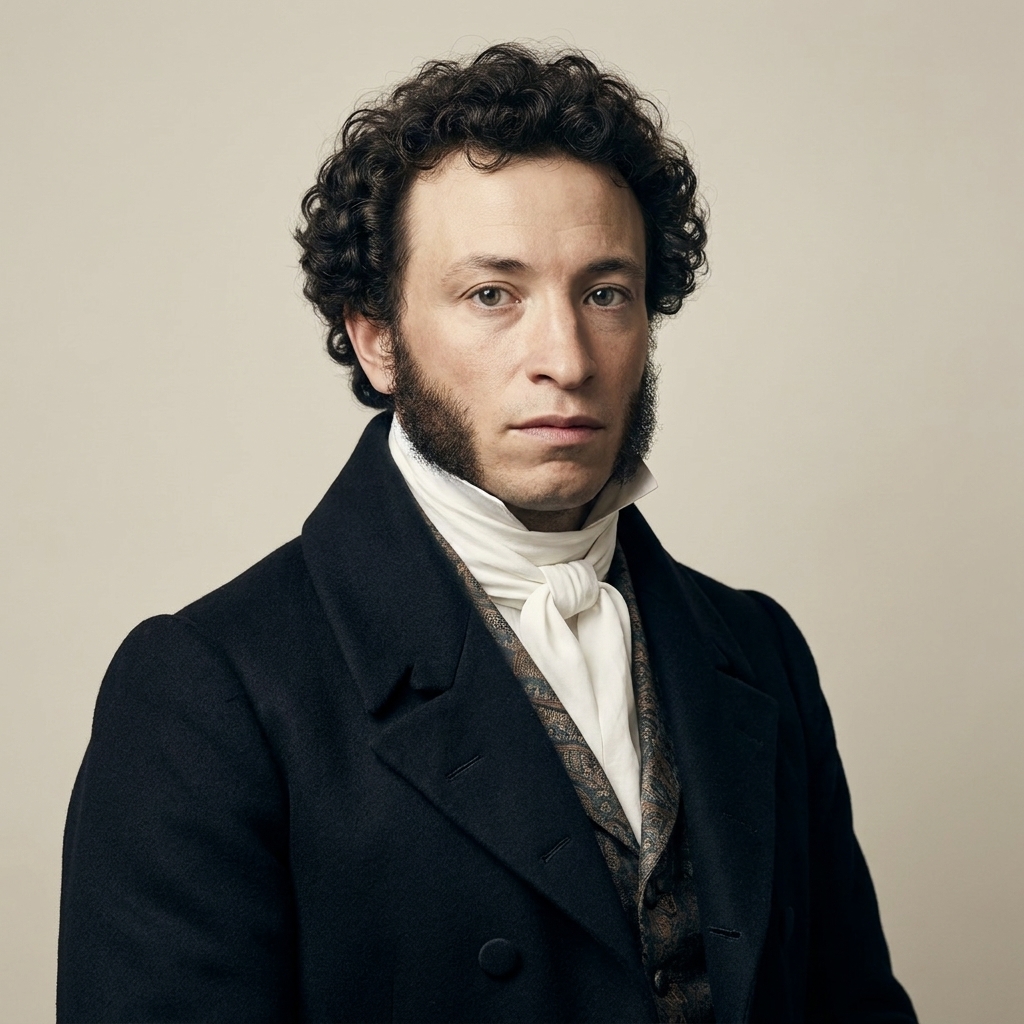
Pushkin is the tricky one because so much of the magic lives in sound. Translation becomes a series of trade-offs: rhyme, meter, and precision cannot all win at once.
Eugene Onegin
- For scholarly precision and depth: Vladimir Nabokov. Famously literal, and paired with extensive commentary. A fascinating reading experience if you want to study the poem-novel as an artifact.
- For verse that still feels like a dance: James E. Falen. A widely loved choice for readers who want rhyme and momentum, and who want the book to feel like literature, not a lab report.
- For a classic, readable verse approach: Charles Johnston. Elegant and enjoyable, with an older-school poetic poise that many readers find fits Pushkin’s charm.
Quick picks
Okay. I hear you. Here are my warm-and-practical default recommendations, assuming you want strong English and a faithful spirit.
- Tolstoy: Anna Karenina in Marian Schwartz or the Maudes. War and Peace in Briggs or the Maudes.
- Dostoevsky: Crime and Punishment in Oliver Ready. The Brothers Karamazov in Ignat Avsey (or P&V if you want maximum texture).
- Chekhov stories: Rosamund Bartlett or a well-annotated P&V collection.
- Gogol: Dead Souls in Maguire or Rayfield.
- Pushkin: Eugene Onegin in Falen for verse pleasure, or Nabokov if you want to go full deep-study mode.
If you are building a small shelf you will actually reread, pick one translator you consistently enjoy and stay with them for a while. Consistency helps you learn the cultural and naming rhythms, which makes later books feel friendlier.
Edition notes
Translation is only half the experience. The edition matters more than we like to admit, especially if you are reading long novels.
- Look for clear type and sturdy binding. Russian classics are not the place for microscopic fonts and brittle spines.
- Notes can be your secret weapon. If you are new to Russian literature, a well-annotated edition can make social customs and religious references feel like part of the story instead of a fog.
- Be wary of very old, very cheap editions with no translator credit. Sometimes they are fine. Sometimes they are public-domain reprints with minimal editorial care.
And yes, you are allowed to buy the edition that feels good in your hands. Reading is physical. If the paper feels lovely and the margins let the book breathe, you will reach for it more often.
FAQ
Is Pevear and Volokhonsky the most accurate?
They are widely respected for closeness to the Russian and consistency across the canon, and many readers adore that texture. “Most accurate,” though, is a slippery crown. Accuracy can mean lexical precision, tone, rhythm, or cultural register, and different translators prioritize different kinds of truth.
Are Constance Garnett translations outdated?
They can feel Victorian, and her English sometimes smooths out differences between authors. But “outdated” does not mean “bad.” If you love classic, slightly antique prose and you are reading for story and atmosphere, Garnett can still be a joyful doorway.
Where should I start?
- For a first Tolstoy: The Death of Ivan Ilyich (short, devastating, perfect).
- For a first Dostoevsky: Crime and Punishment (thrilling and psychologically intimate).
- For a first Chekhov: a curated short story collection (small doses of genius).
Do I need Russian history first?
Nope. A good introduction and a few footnotes will do. The bigger requirement is emotional willingness: Russian classics love big questions, messy motives, and characters who do not always behave nicely for the reader’s convenience.
A gentle invitation
One of my favorite bookish secrets is that translations age with you. The version you devour at twenty might not be the one you crave at thirty-five. When a book stays in your life long enough, you get to meet it again through a different translator and feel the rooms rearrange themselves.
So pick a door, step in, and let the snow start falling in your imagination. The “definitive” edition is often the one you actually read to the end, preferably with a cat on your lap and a cup of tea you forgot to drink because the chapter would not let you go.