Some memoirs hand you a life story. The best food memoirs hand you a life story and a warm plate, as if the author slid into the booth across from you and said, “Okay, here is what happened, and here is what it tasted like.” These are the culinary biographies and food-forward memoirs I return to when I want emotional honesty, a sense of place, and the particular kind of comfort you only get from reading about soup simmering while someone figures out who they are.
Below are nine books that beautifully blend food and memory, each one generous with both feeling and flavor. Some are classic, some modern, and all of them understand that what we cook is often what we are trying to say.
The 9 best culinary biographies and food memoirs
Each pick includes what it’s about, what it feels like to read, and who I’d press it into the hands of at the bookstore counter.
1) My Life in France by Julia Child (with Alex Prud’homme)
If you have ever longed to reinvent yourself somewhere beautiful, this one is pure oxygen. Julia’s years in late 1940s and 1950s France are rendered with such openhearted curiosity that even a trip to the market feels like a plot point. There are long afternoons of lessons, clattering pans, and the slow confidence that comes from doing something again and again until your hands know what to do. It is part coming-of-age, part love letter to French food, and part reminder that enthusiasm is a skill you can practice.
- Best for: readers who want Paris, butter, and a big life reset
- Signature mood: buoyant, capable, wildly appetizing
2) The Gastronomical Me by M.F.K. Fisher
M.F.K. Fisher is the patron saint of food writing for a reason: she can describe hunger, longing, and pleasure in a single paragraph without ever tipping into melodrama. This memoir-in-essays moves through meals, romances, and travel with a kind of elegant candor. A simple table, a glass, a bite taken at exactly the right moment, and suddenly you are reading about the human condition. It is less “here is the recipe” and more “here is the hunger underneath the recipe.”
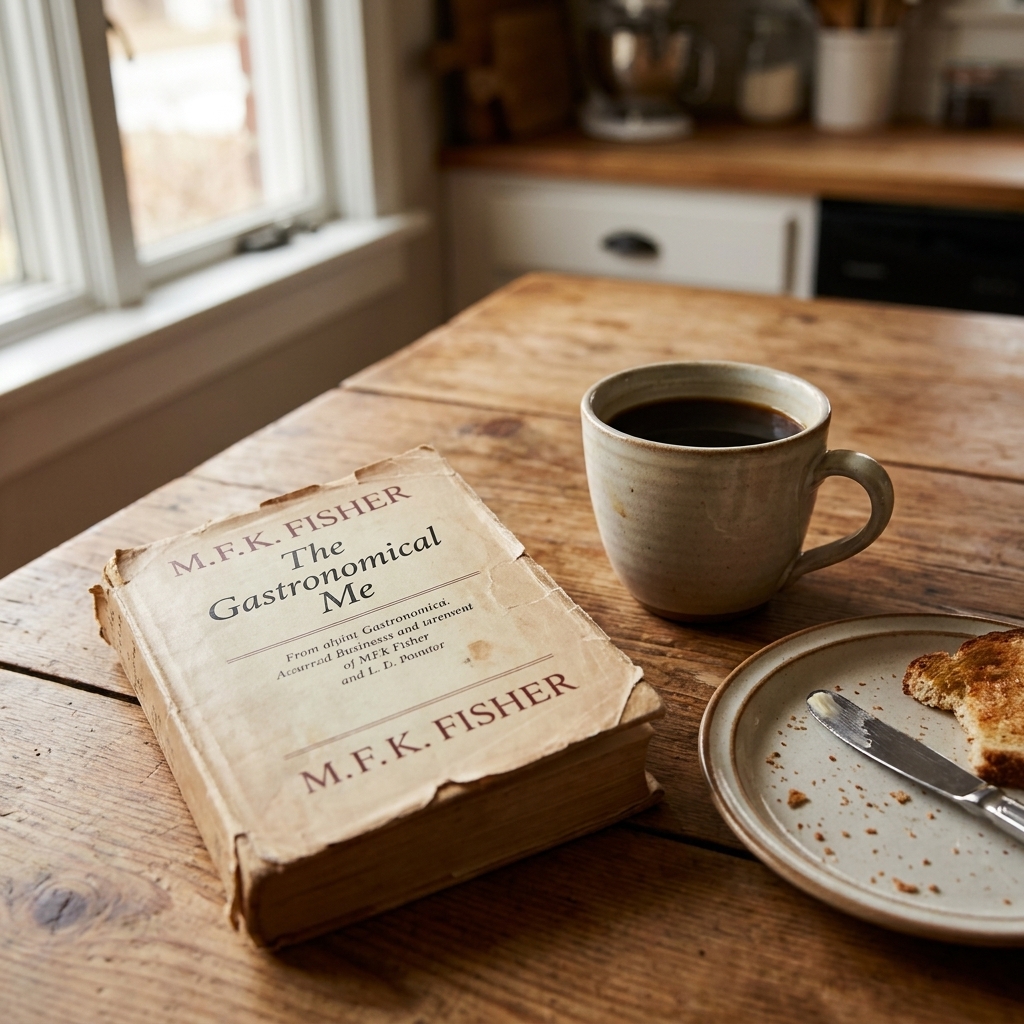
- Best for: essay lovers and anyone who savors sentences as much as dessert
- Signature mood: sophisticated, intimate, quietly devastating
3) Tender at the Bone by Ruth Reichl
Reichl’s story reads like a road trip through the American appetite, from a chaotic childhood to her early days as a critic. There is glamour and grit here, plus the delicious behind-the-scenes thrill of someone learning how to trust their palate and their instincts. The chapters move with momentum, and the book is studded with recipes that feel like snapshots you can cook. She writes about food the way some people write about music: with immediacy, memory, and a little awe.
- Best for: readers who love restaurant culture and personal reinvention
- Signature mood: funny, sharp, warmly confessional
4) Heat by Bill Buford
This is one of my favorite “I threw myself into a world and let it change me” books. Buford stages in a high-pressure New York restaurant kitchen and then heads to Italy, chasing culinary mastery with stubborn devotion. You feel the burn of the line, the sting of ego, and the obsession of learning by doing, badly, until you do it better. It is a memoir, yes, but also a sensory immersion into work, discipline, and the romance and reality of craft.
- Best for: readers who want kitchen adrenaline and obsessive learning arcs
- Signature mood: intense, kinetic, ravenously detailed
5) Blood, Bones & Butter by Gabrielle Hamilton
Hamilton’s memoir is as sharp as a chef’s knife, cutting through childhood, desire, and ambition with startling clarity. Food is not a decorative theme here, it is survival, identity, and work. There are moments that feel like you are standing beside her at the stove, watching the heat rise and the day narrow to the next ticket. If you like memoirs that feel unvarnished and fiercely intelligent, this one will stick to your ribs.
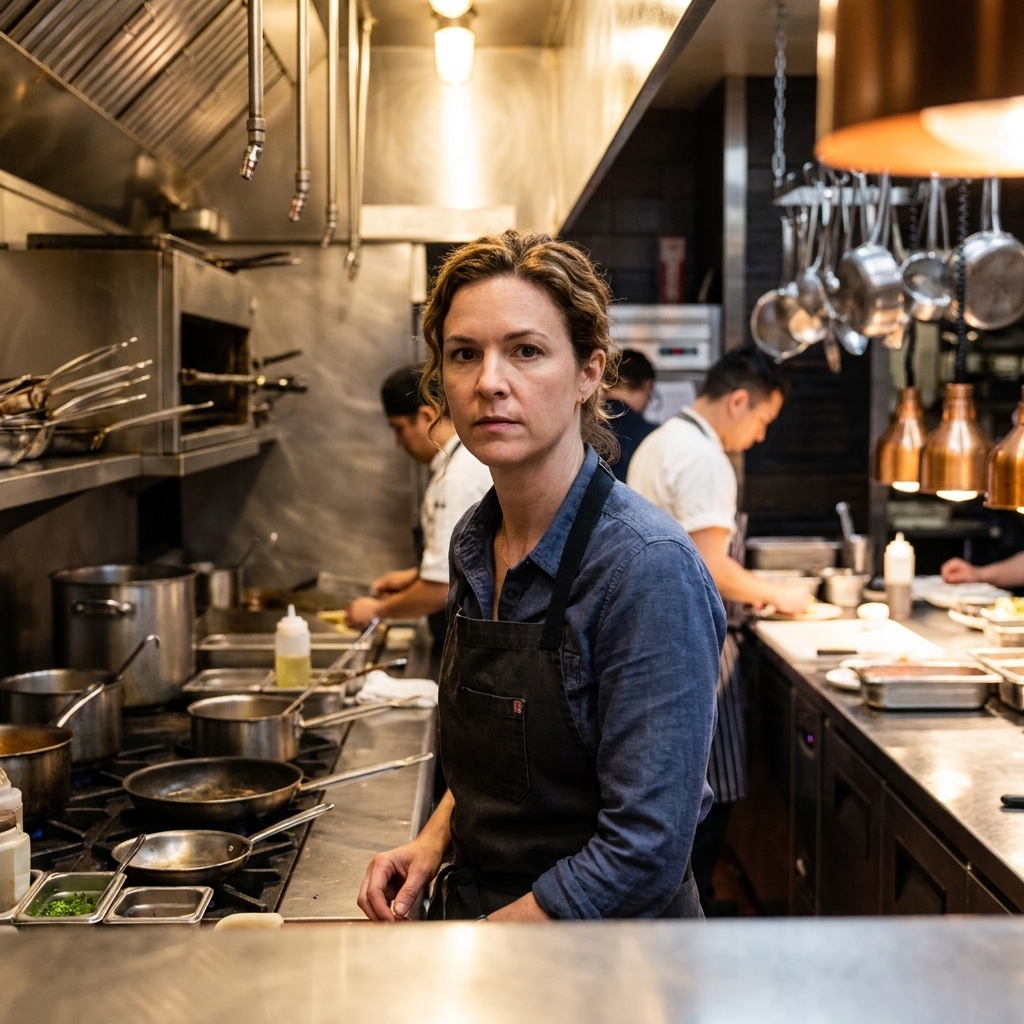
- Best for: readers who want grit, honesty, and gorgeous prose without sentimentality
- Signature mood: bracing, lyrical, hard-earned
6) Kitchen Confidential by Anthony Bourdain
A modern classic for a reason. Bourdain’s voice is magnetic, profane, and strangely tender beneath the swagger. This book is part personal confession, part industry exposé, lit by the harsh fluorescents of prep stations and late-night decisions. You can practically hear the clatter of pans and the sharp laughter that comes when everyone is too tired to be polite. Even if you have watched every episode of his shows, the memoir still lands because the writing has bite.
- Best for: readers who like their memoirs fast, funny, and a little feral
- Signature mood: rowdy, observant, unexpectedly humane
7) Save Me the Plums by Ruth Reichl
Yes, I am double-dipping on Reichl, because her years at Gourmet deserve their own spotlight. This is a workplace memoir with serious culinary sparkle: ambitious menus, editorial drama, and the particular ache of loving a job that becomes part of your identity. You get conference rooms, deadline pressure, and lunches that feel like tiny lifeboats in the middle of the workday. It is also a love story to the people behind a magazine and the meals that stitched their days together.
- Best for: readers who love publishing stories, food media history, and office ecosystems
- Signature mood: glamorous, bittersweet, celebratory
8) The Cooking Gene by Michael W. Twitty
This is food memoir as lineage, scholarship, and lived experience, braided together with care. Twitty explores African American culinary history, the legacy of slavery, and the deep meanings carried by Southern foodways. You get archives and family stories, travel and tasting, and the sense of recipes as living documents. It is a book that makes you taste and think at the same time, and it treats food as evidence, memory, and inheritance.
- Best for: readers who want cultural history with personal stakes
- Signature mood: rigorous, moving, illuminating
9) Crying in H Mart by Michelle Zauner
Not every food memoir is chef-centric, and this one proves how powerful food can be as a language of grief and love. Zauner writes about losing her mother and clinging to Korean food as a way of staying close to her, of translating memory into something you can hold and taste. The grocery aisles and home-cooked dishes are vivid, but the heart of the book is the tenderness underneath them.
- Best for: readers who want catharsis, family stories, and the comfort of familiar flavors
- Signature mood: raw, tender, quietly restorative
How to pick by mood
If you are standing in front of your shelf thinking, “I want food writing, but what kind?”, here is my easiest sorting method.
- For pure escapism and joie de vivre: My Life in France
- For literary elegance and emotional depth: The Gastronomical Me
- For restaurant world immersion: Kitchen Confidential or Heat
- For a fierce, chef-driven life story: Blood, Bones & Butter
- For grief, family, and food as belonging: Crying in H Mart
- For history woven into memoir: The Cooking Gene
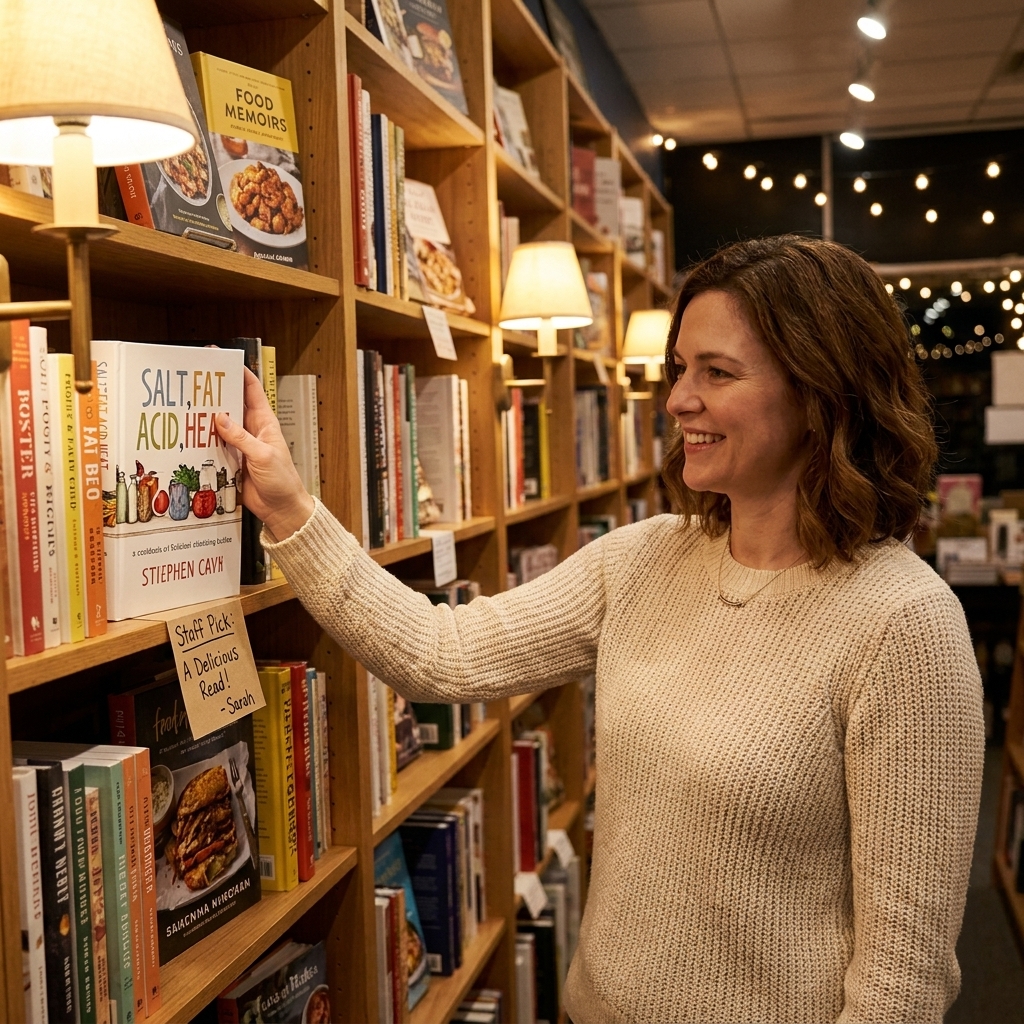
What makes a food memoir work
For me, the best culinary biographies and food memoirs do three things at once.
- They tie flavor to feeling. The meal is never just a meal. It is a first love, a last goodbye, a hard-won paycheck, a kitchen that finally feels like home.
- They give you a vivid sense of place. A city, a family table, a hot line during dinner rush. You can smell the air.
- They respect the reader’s hunger. Not just for recipes, but for meaning. You finish the chapter wanting to cook something and call someone you miss.
Mini FAQ
Are these books heavy on recipes?
Most are primarily narrative, not cookbooks. My Life in France is pure story and will make you want to cook, but it does not include recipes. If you want a memoir that actually drops recipes into the chapters, start with Ruth Reichl, especially Tender at the Bone.
Which one is best for a reading slump?
Tender at the Bone is my go-to slump buster because the chapters move quickly and the voice is so companionable. If you prefer something even punchier, Kitchen Confidential reads like you are being told a great story at the end of a long night.
Where should I start if I usually read fiction?
Crying in H Mart has the emotional momentum of a novel, and My Life in France has that “main character discovering her true life” arc that fiction readers tend to adore.