Classics have a reputation for being all spinach and no dessert. But most of the time, the problem isn't you. It's the way we've been taught to approach them: like a test, not a story.
I managed an indie bookstore for years in a college town, and the pattern was always the same. Someone would pick up a classic they “should” read, push through fifty pages, and then quietly abandon it next to a guilt pile of bookmarks. My goal here is to help you read classic literature like a human being: with momentum, curiosity, and a little strategic support.
Start with the right book
The fastest way to fall in love with classic literature is to pick one that matches your current reading mood, not your imaginary “best self” reading mood.
Choose by vibe
- If you want sharp social drama: Jane Austen, Edith Wharton, Henry James (start with Wharton if you want the most immediately readable bite).
- If you want mystery and momentum: Wilkie Collins, Arthur Conan Doyle, and classic mysteries like Agatha Christie (canonical in the genre, and wildly readable).
- If you want gothic atmosphere: Charlotte Brontë, Daphne du Maurier, Mary Shelley, Edgar Allan Poe.
- If you want adventure and plot-first storytelling: Alexandre Dumas, Robert Louis Stevenson, Jules Verne.
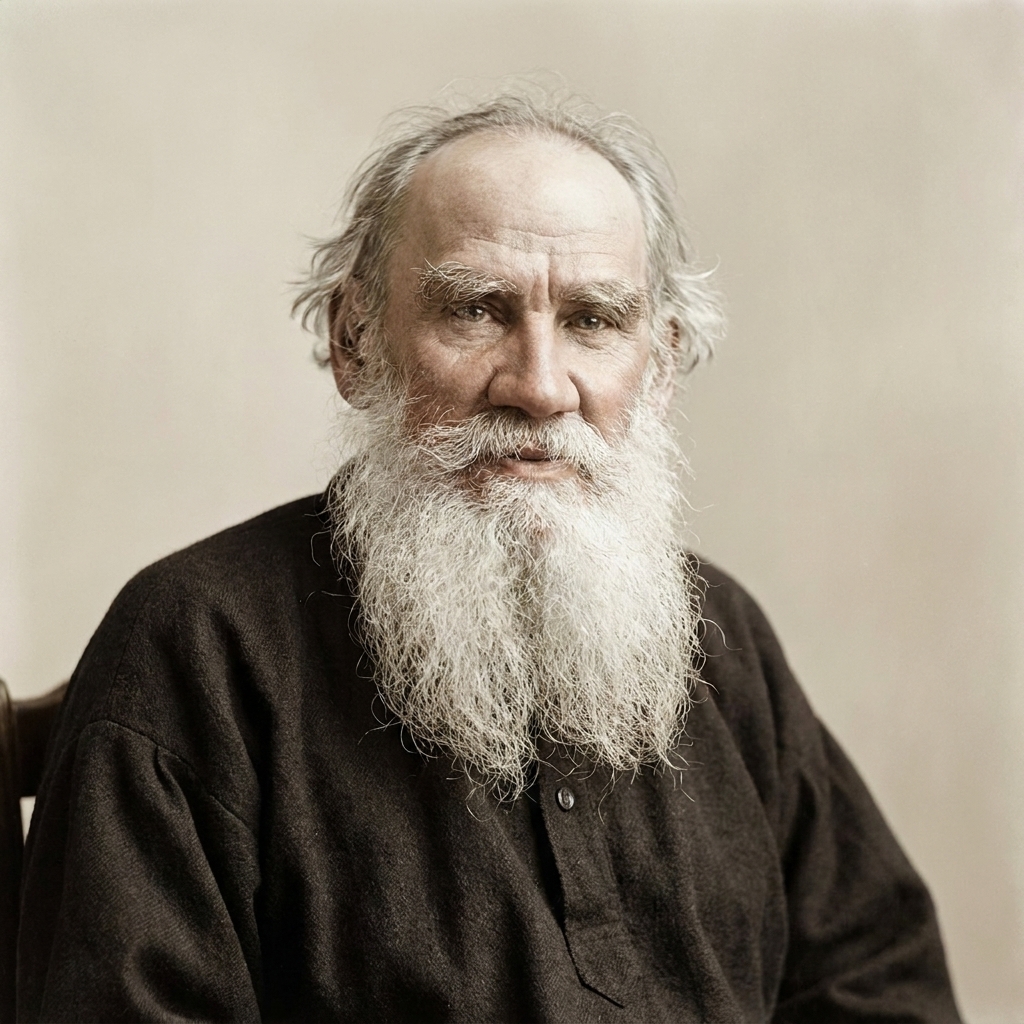
- If you want big feelings: Elizabeth Gaskell, Leo Tolstoy (yes, truly), Thomas Hardy (bring tissues).
Try a gateway title
There's no prize for starting with the densest option. If you want a gentle entry, consider:
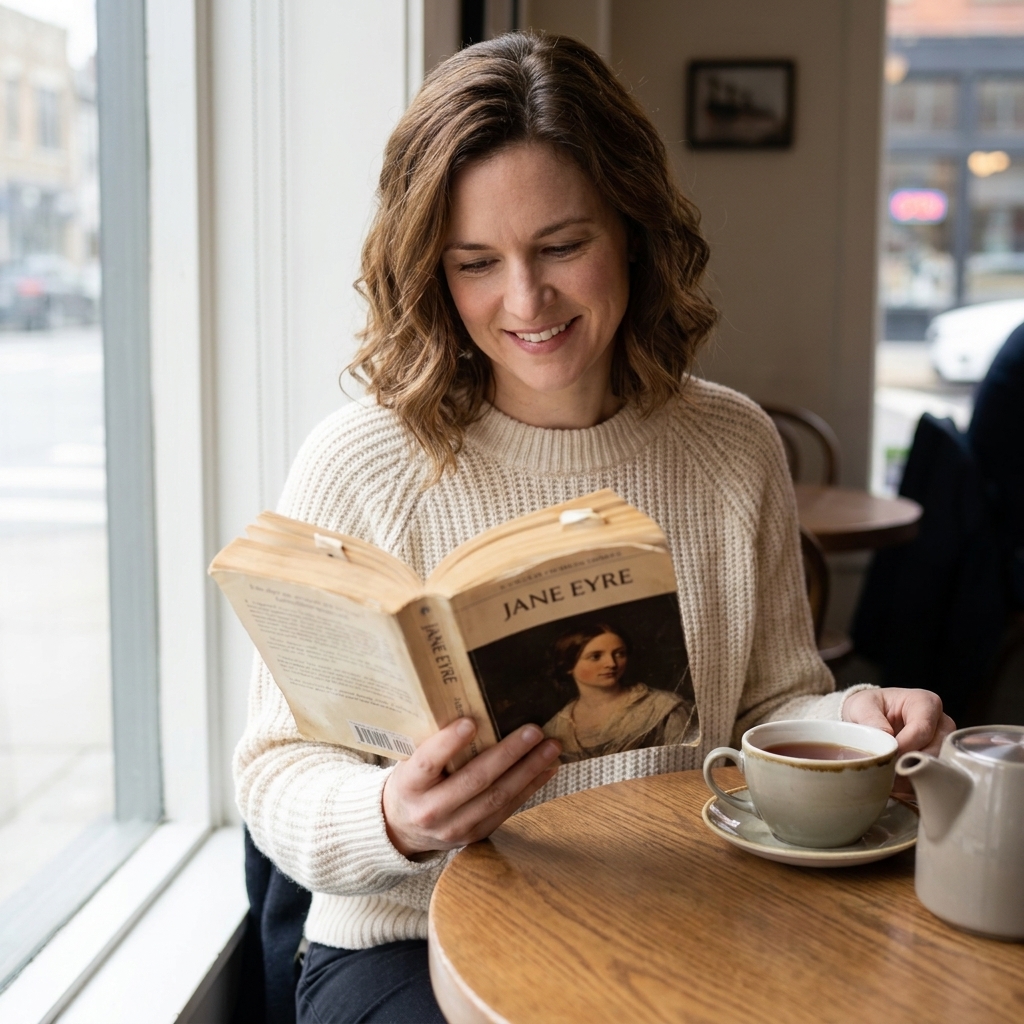
- Jane Eyre for voice-driven storytelling
- The Count of Monte Cristo for pure page-turning revenge energy
- Frankenstein for philosophical chills in a surprisingly accessible package
- The Picture of Dorian Gray for drama, decadence, and a brisk length
- A Christmas Carol for a short, warm, sharp classic you can actually finish in a weekend
- The Importance of Being Earnest for a comedy you can read in one sitting (and then quote forever)
Pick a helpful edition
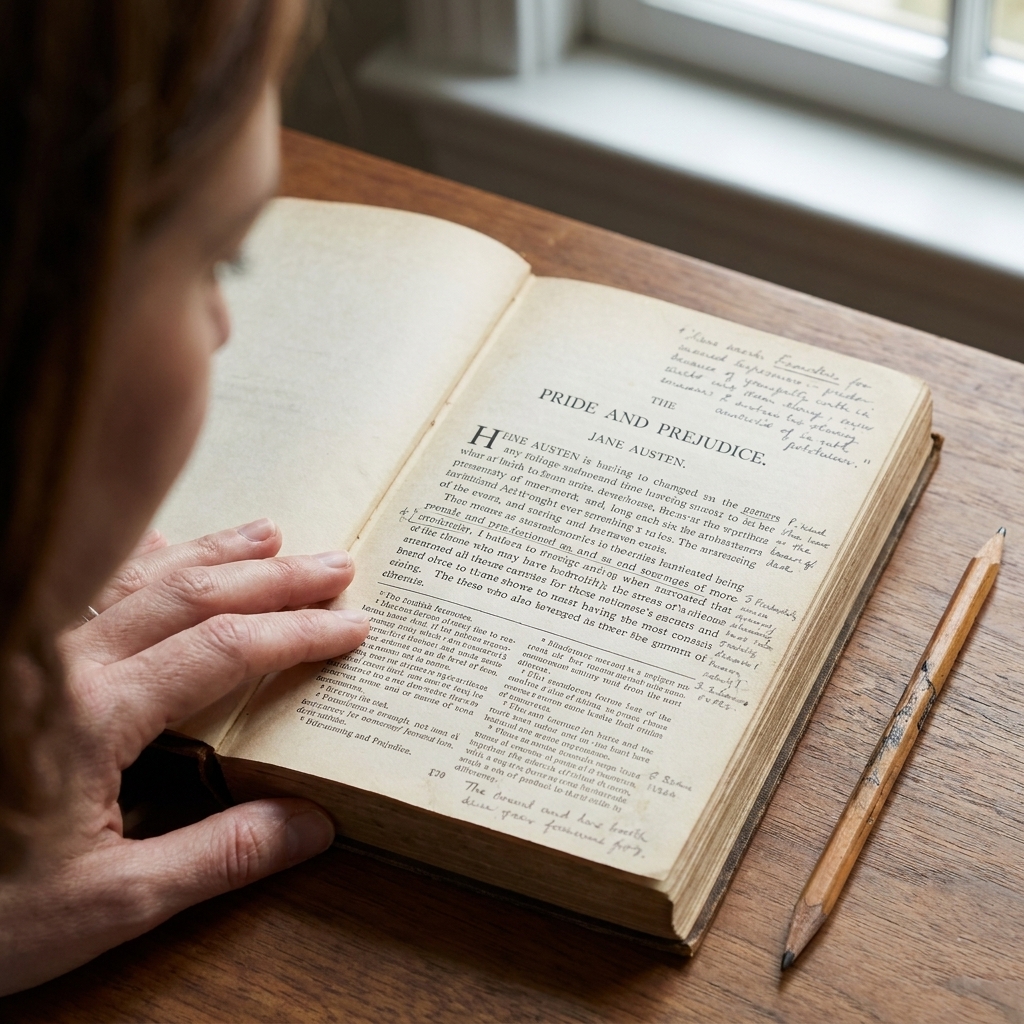
Editions matter more than people admit. The right one feels like reading with a calm, helpful friend nearby.
What to look for
- A short introduction, not a thesis. Ideally, it gives context without spoiling major twists.
- Footnotes or endnotes that explain references. (Old slang, historical events, biblical allusions, unfamiliar foods, money, titles.)
- Readable type and comfortable margins. If the page feels like a crowded subway at rush hour, you won't want to linger.
- A character list. Some editions include this and it's a gift.
If footnotes annoy you, try an edition with endnotes. If endnotes break your flow, go with footnotes. You're allowed to choose what supports your attention.
If it's translated
If your classic was written in another language, the translation is part of the reading experience. A great translation can make a book feel alive. A stiff one can make you think you hate an author you might actually love.
How to choose a translation
- Read a sample page. If the voice feels crisp and natural to you, that's your translation.
- Prefer a well-regarded modern translation if you're new to classics. Older translations can be beautiful, but they can also add extra fog.
- Don't overthink “the best” one. Pick one you can read with ease. You can always try another later.
Build a small ramp
A tiny bit of prep can make a classic feel noticeably less steep.
Do a five-minute orientation
- Read the back cover copy and the first page.
- Skim the chapter titles if they exist.
- Learn the setting: where and roughly when are we?
- Look up one sentence about the author's life, just enough to anchor your expectations.
Use a spoiler-free companion
Some classics are easier when you've got a lantern. A good companion can explain context and clarify who's who without telling you what happens next. If you're the kind of reader who relaxes once you feel oriented, this isn't cheating. It's smart scaffolding.
Handle old language
The goal isn't to translate every sentence into modern English. The goal is to stay with the story long enough for your brain to acclimate. It will.
Three rules that keep you moving
- Don't stop for every unfamiliar word. Circle it or highlight it. Keep going. Often, the meaning becomes obvious within a paragraph.
- Read tricky sentences out loud. Classics were often written with an ear for rhythm. Your eyes can get stuck where your voice will glide.
- Focus on verbs. When a sentence feels like ornate wallpaper, find the action. Who's doing what to whom?
Use a confusion budget
I tell readers to allow themselves about 10 percent confusion in the early chapters. You're learning a dialect of English, plus a social code, plus a new cast of characters. Feeling slightly lost at first is normal. If you're lost all the time, that's a sign you need a different edition, a different classic, or a different pace.
Make long books smaller
A lot of big 19th-century novels were originally published in installments. They were built to be read in chunks, not inhaled in a weekend like a thriller.
Use scene goals
- Read until the setting changes.
- Read until a new character arrives.
- Read one conversation scene.
- Read one chapter, even if it's short.
Use a simple bookmark system
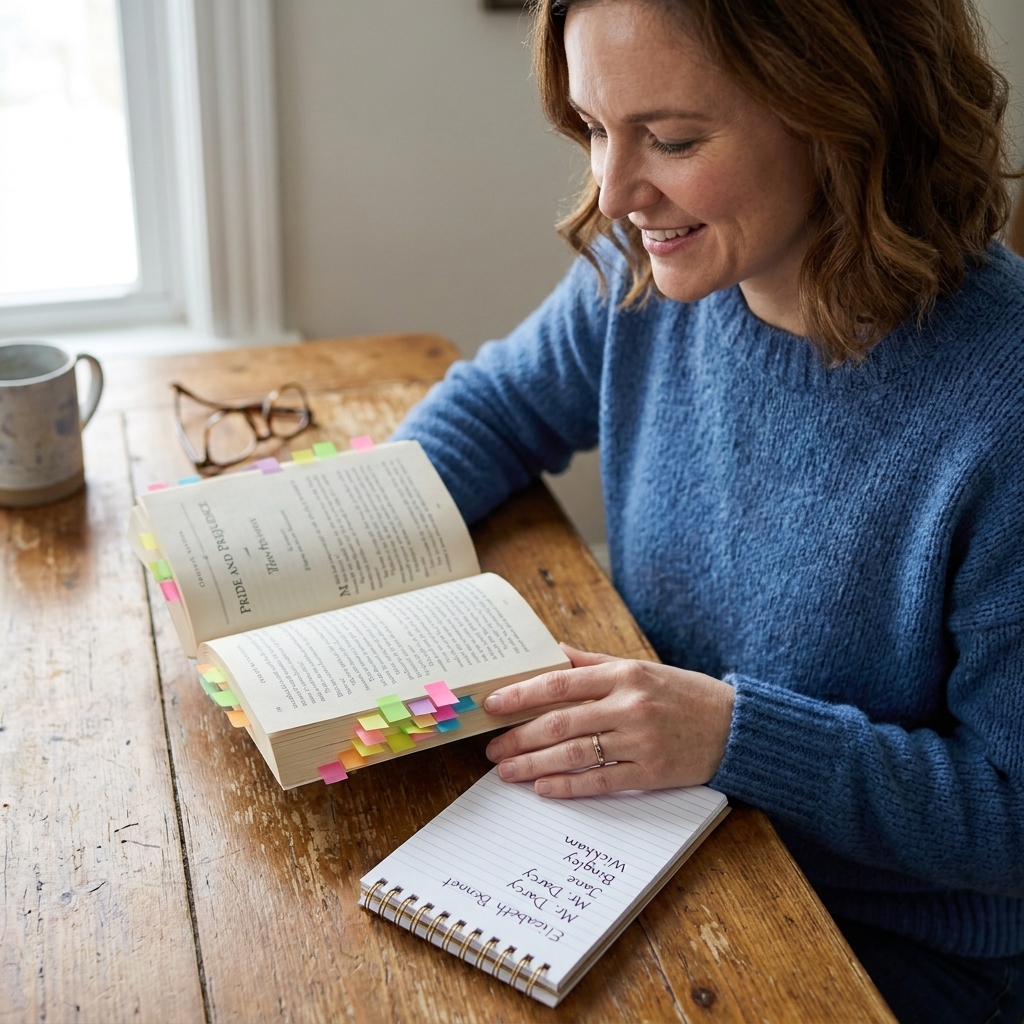
- One bookmark: your place in the book.
- One sticky note: a running list of characters and how they connect.
- One pencil mark: a star next to passages you love or don't understand yet.
This turns “I should remember this” anxiety into a calm, physical system you can trust.
Track characters
Classic novels love a large cast, and some characters come with multiple names, titles, and nicknames. This is where many new classic readers start to spiral.
Try a one-line cast list
On a note in the front or on your phone, write each key character with one line:
- Name: identifying detail
- Relationship: who they're tied to
- Goal: what they seem to want
Example: “Mr. Collins: pompous clergyman, cousin to the Bennets, wants approval and a suitable marriage.” That's enough.
Don't memorize
You don't need to hold everyone perfectly in your head. You only need to recognize them when they appear and understand what they do to the story.
Read for feeling first
This is my favorite permission slip. You don't have to “get” the entire themes-on-the-first-pass experience. You can simply notice how the book makes you feel.
- Where do you feel tense?
- Who do you trust, and who makes your shoulders rise?
- What feels unfair, funny, tender, or quietly devastating?
Meaning often reveals itself after you've got a relationship with the characters. Let the story do what stories do: make you care.
If you finish a classic and all you can say is “That was oddly moving,” you understood more than you think.
When you hit a slog
Almost every classic has a stretch where the plot slows, a side character monologues, or the author decides you absolutely must understand local inheritance law.
Three rescue moves
- Switch formats for a chapter. Try the audiobook while you walk, cook, or fold laundry. A strong narrator can make dense prose feel effortless.
- Read a summary for that section. Not the whole book. Just the muddy bit. Then go back to the text with your bearings.
- Skim strategically. Yes, really. If you can tell a passage is repeating a point you already grasp, give yourself permission to glide.
Staying connected to the story matters more than reading every line at the same speed.
Read with context
Some classics carry the values of their era like mud on their boots. You may run into racism, sexism, antisemitism, colonial thinking, or casual cruelty that isn't treated as a problem on the page.
How to keep going without excusing it
- Name what's happening. A quick note like “this is ugly and normalized here” can keep you grounded.
- Use a light companion source. An intro, a lecture, or a trusted guide can explain the historical context without asking you to swallow it.
- Give yourself boundaries. It's okay to skip a scene, stop a book, or choose a different classic. Reading isn't a moral endurance sport.
Discussion helps
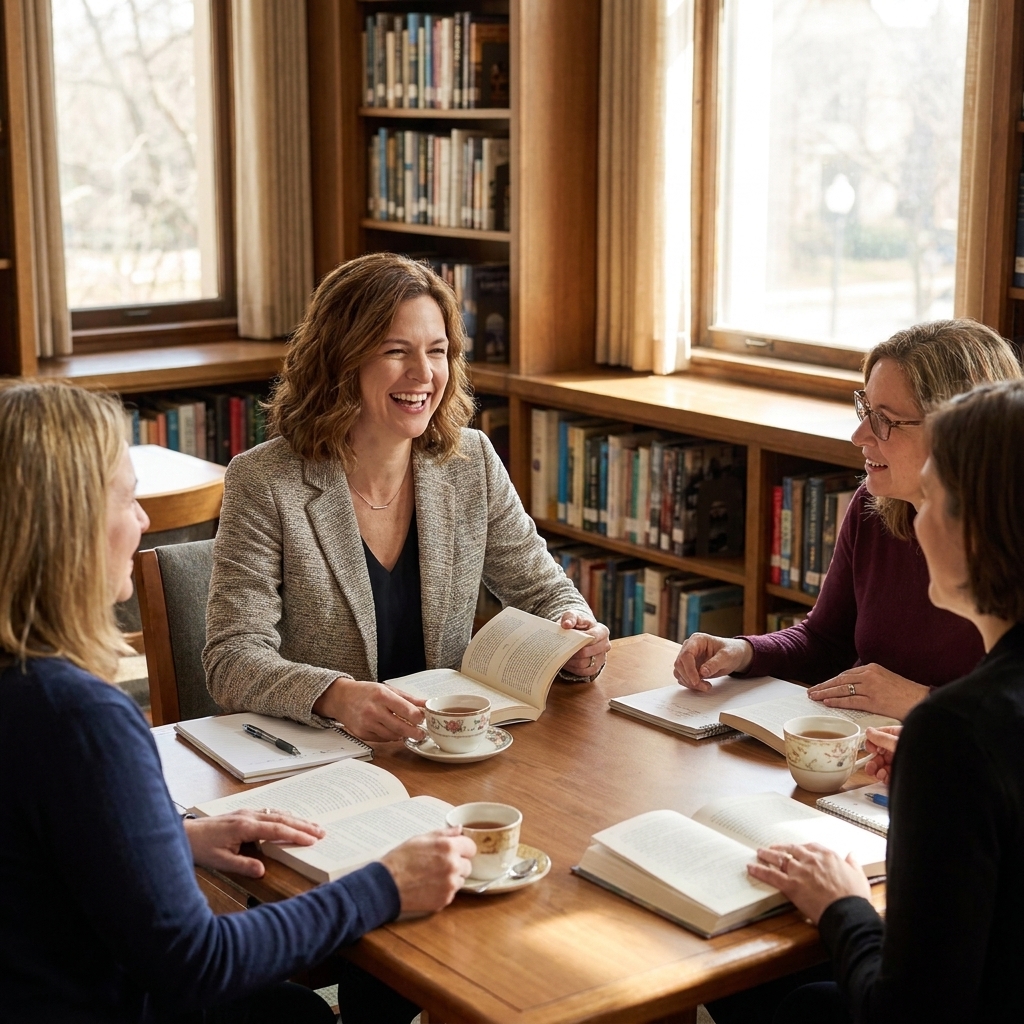
One of the sweetest secrets of classic literature is that it's social. These books have survived because people talked about them, argued about them, and pressed them into friends' hands.
Low-pressure options
- Join a local library book club, especially “classics for beginners” groups.
- Buddy read with one friend and set tiny check-ins.
- Listen to a chapter recap podcast alongside your reading.
- Keep a shared note of favorite lines, funniest moments, and most unhinged decisions.
A simple 2-week plan
If you want structure, here's a plan that works for many novels without turning your life into a syllabus. It's designed to build a habit and get you solidly into the book, not necessarily to finish a doorstop in 14 days.
Week 1: Build momentum
- Days 1 to 3: 20 to 30 minutes a day, no pressure to take notes. Just meet the voice.
- Day 4: Write a one-paragraph “what's happening so far” recap for yourself.
- Days 5 to 7: Keep the same daily time. Add a one-line character list if needed.
Week 2: Deepen understanding
- Days 8 to 10: Mark passages that spark a reaction, even if you can't explain why yet.
- Day 11: Look up one piece of context you're curious about (a social custom, a historical event, a place).
- Days 12 to 14: Keep going with shorter sessions if your attention is fraying. A steady trickle beats a stalled-out binge.
Classic reading FAQs
Should I read in chronological order?
No. Read what intrigues you. You can always travel backward and forward later, once you know what you like.
Is it okay to use an audiobook?
Absolutely. Many classics shine when performed. Audiobooks also help with older sentence structures, since you can hear where the emphasis lands.
What if I don't like the classic I picked?
Then you learned something valuable about your taste. Try a different author, a different genre, or a shorter work. Disliking one classic doesn't mean you dislike classics.
How do I know if I'm understanding it right?
If you can tell what characters want, what's getting in their way, and how the book makes you feel, you're understanding it. Interpretation can be layered. Comprehension comes first.
One last permission slip
You don't have to read classic literature like you're proving something. Read it like you're visiting a different time and listening closely. Some days it'll feel effortless, and some days you'll need footnotes, a recap, and a cookie.
But when a classic clicks, it's magic. You feel the strange little miracle of connection across decades or centuries, as if a writer reached through time, tapped your shoulder, and said, “Yes. That's exactly what I meant.”