There is a particular kind of readerly frustration I’ve seen a thousand times, usually while someone stands in front of the fiction shelves looking slightly haunted: “I want to read the classics , but I keep bouncing off them.” Or the reverse: “New books are fun, but I miss that feeling of being in conversation with history.”
The good news is you don’t have to pick a team. “Classic” and “modern” fiction are less like rival camps and more like two different dinner parties. One is candlelit and full of long stories, the other has great music and quick introductions. Your best choice depends on what you want your reading to do for you right now.
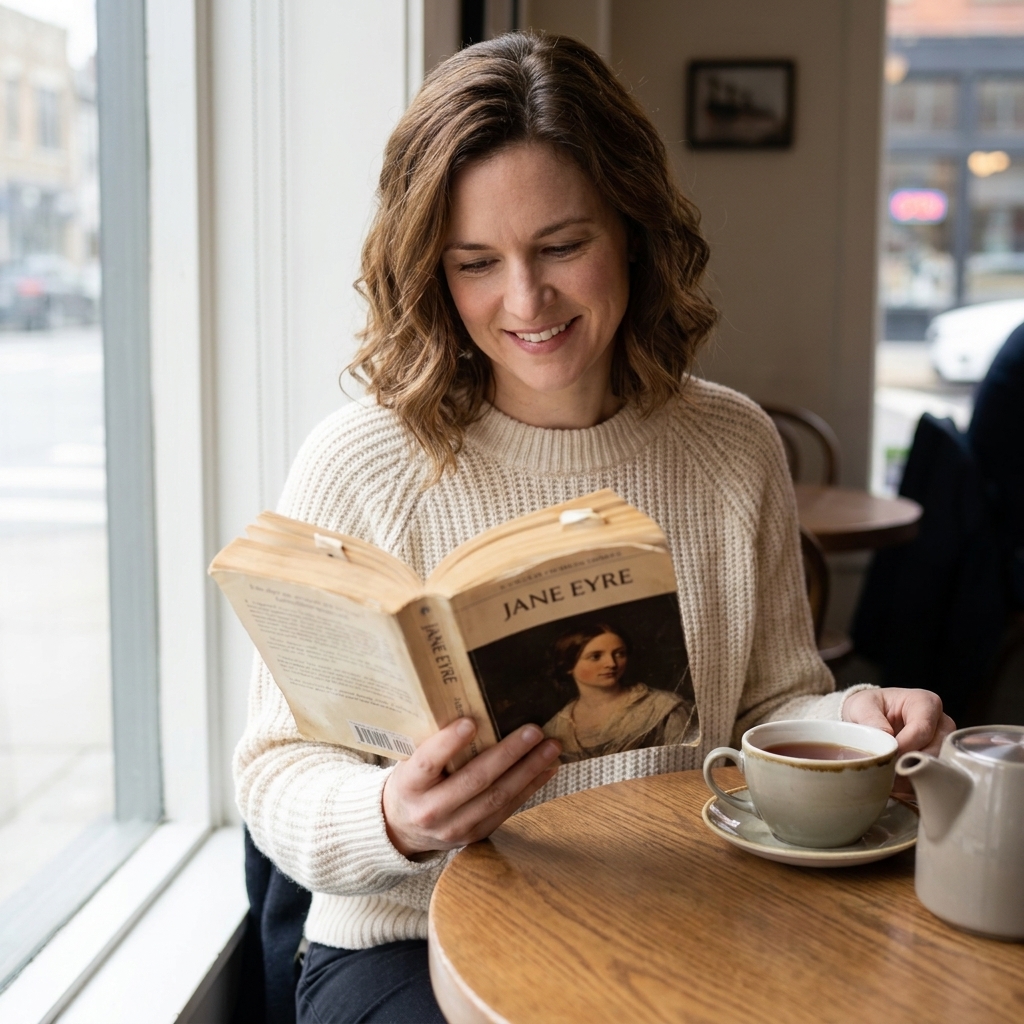
What we mean by classic and modern
Definitions get fuzzy fast, so here’s the working version I use when recommending books.
- Classic fiction: books that have stuck around because they’re influential, widely read, and/or culturally pivotal. Many classics are older (often pre mid-20th century), but “classic” is ultimately a status, not a date. Some post-1950 novels have absolutely earned that label.
- Modern or contemporary fiction: in this piece, I’m using “modern/contemporary” to mean late 20th century through today, written with today’s pacing, language, and social context in mind. (Yes, “Modernism” is also a specific literary era, roughly early 1900s. Here we mean newer books you’ll find on the front tables.)
Both categories contain every genre under the sun: romance, mystery, literary fiction, speculative, satire, you name it.
How classics feel on the page
Classics often come with a sense of distance at first. The language can be more formal, the sentences can be longer, and the social rules can feel like a whole separate weather system. But once you find your rhythm, the payoff is real: you start hearing echoes everywhere, because so many later stories borrow their bones from these books. The sharp-tongued courtship comedy, the gothic house with secrets, the ambitious striver who wants more than the world will allow, they all have deep roots.
You might love classics if you crave…
- Immersion and texture: slower builds, lush description, a strong sense of place and social world.
- Big themes with room to breathe: class, morality, marriage, ambition, faith, power, guilt, desire.
- That “I’m in on the reference” thrill: recognizing where modern tropes began.
- Character studies: people making complicated choices over long stretches of time.
Common sticking points (and what helps)
- The language feels stiff: try an edition with helpful footnotes and/or an audiobook to catch the intended cadence.
- The pacing feels slow: aim for shorter classics first, or read in smaller daily sips.
- You feel like you’re “supposed” to like it: you’re allowed to DNF a classic. Truly. Try a different author, a different era, or a different genre classic.
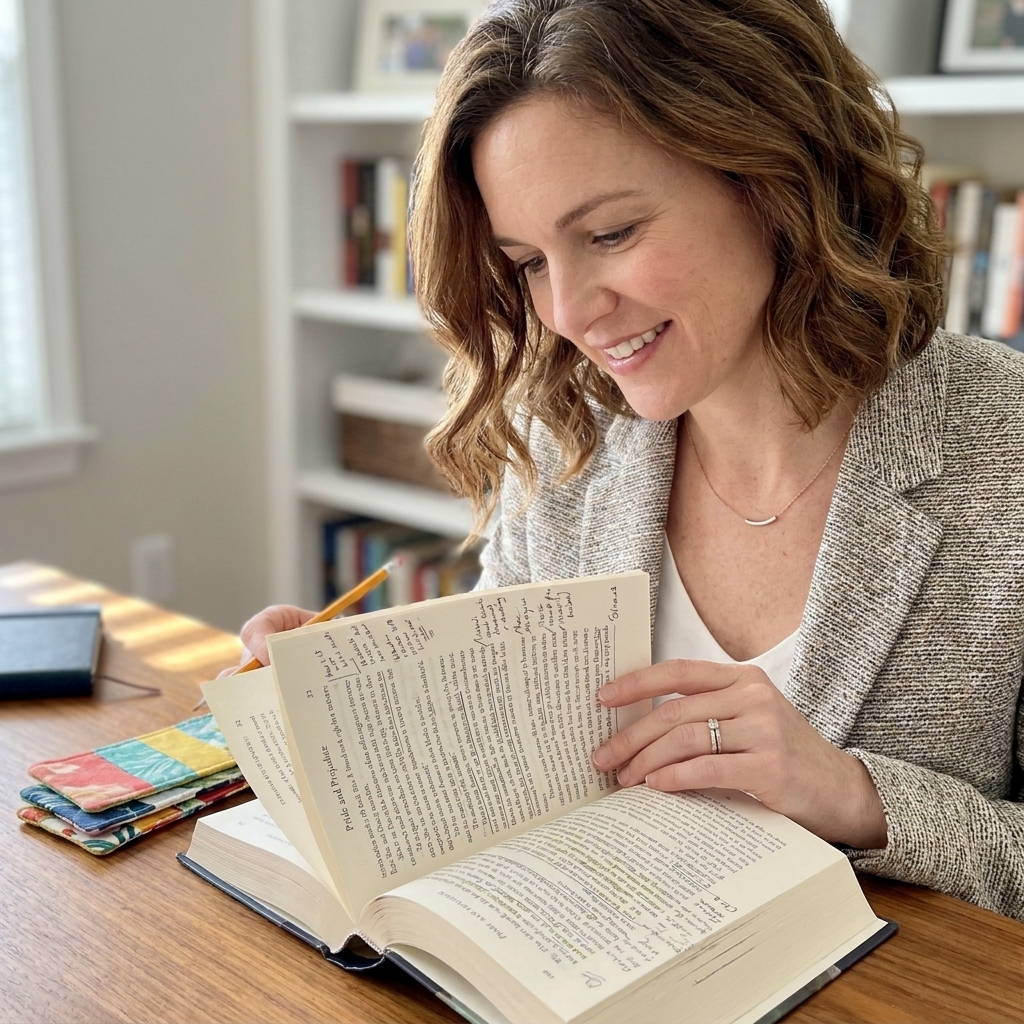
How modern fiction tends to read
Modern fiction often speaks in a voice closer to how we think and talk now, even when it’s doing something experimental. It can feel brisker, more accessible, and more directly connected to current conversations.
Contemporary novels also often reflect a broader range of identities and experiences, especially in mainstream publishing in recent decades, as more doors have opened for more writers. That said, marginalized writers have always been here. Many were simply less published, less promoted, or less preserved in the “official” canon.
You might love modern fiction if you crave…
- Momentum: clean pacing, quicker hooks, chapters that tempt you into “just one more.”
- Fresh angles: new structures, genre blending, playful narration, bold premises.
- Current emotional vocabulary: directness around trauma, intimacy, mental health, and social pressures.
- Representation and variety: more stories that mirror the world as it actually is, in all its complexity.
Common sticking points (and what helps)
- It feels too trendy: try authors who prioritize character over commentary, or look for modern books with a quieter, more interior vibe.
- You miss “classic” depth: aim for contemporary literary fiction, multi-generational sagas, or novels that consciously riff on older forms.
- Too many choices: pick by mood and setting first, not hype. “Coastal mystery,” “workplace satire,” or “tender coming-of-age” is a better compass than bestseller lists.
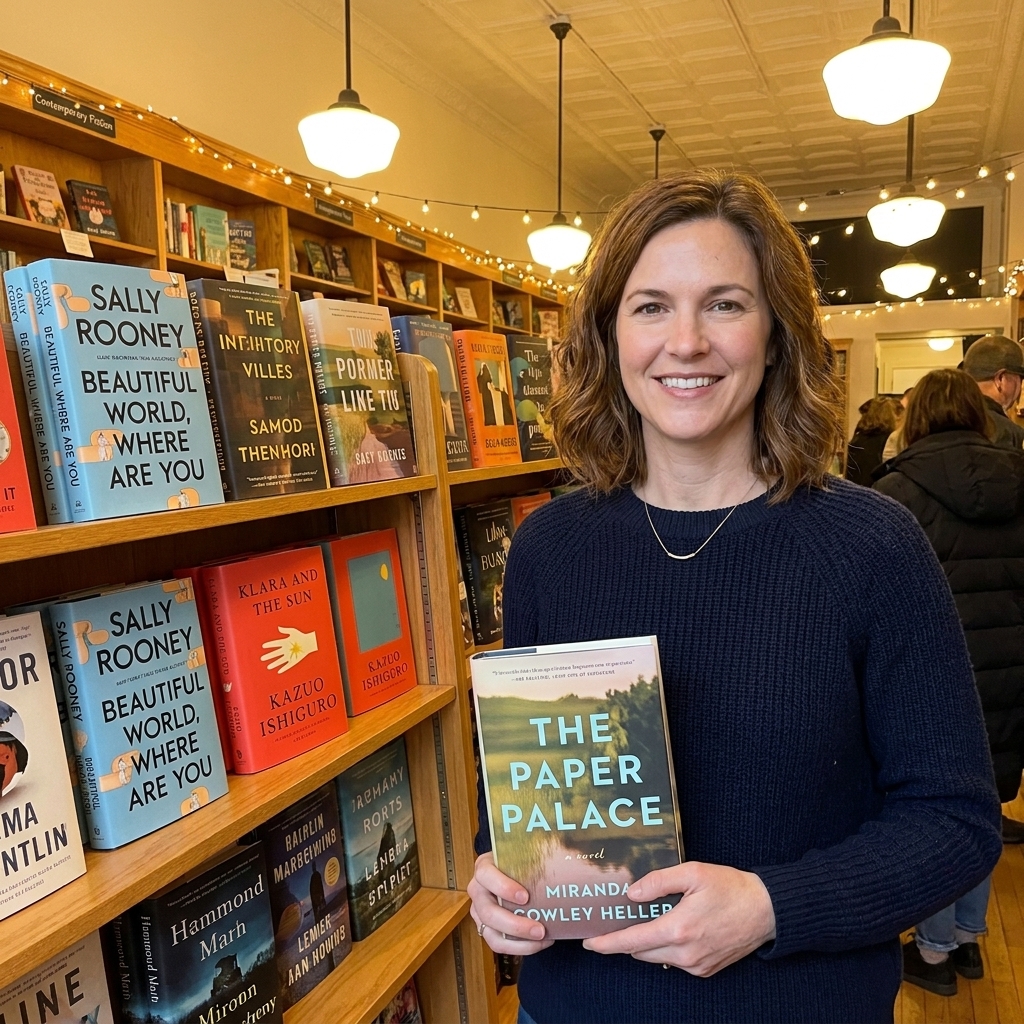
A quick self-check
If you’re deciding what to read next, these questions tend to cut through the noise.
Choose classics when you want…
- A slower reading tempo that rewards attention.
- A sense of lineage, like you’re tracing the roots of today’s stories.
- Language as an experience, not just a delivery system for plot.
- A contained world with its own social codes and tensions.
Choose modern when you want…
- Ease of entry and quicker emotional connection.
- Page-turning propulsion, especially if you’re in a slump .
- Stories in conversation with right now, even when the setting is historical or speculative.
- A wide range of voices and narrative approaches.
If reading has felt hard lately, pick the format that removes friction: shorter chapters, audiobook-friendly prose, or a story that matches your current energy level. The “best” book is the one you can actually return to tomorrow.
Goal-based picks
If your goal is to be well-read
Go hybrid. Pair a classic with a modern book that responds to it, echoes it, or flips it. You get the cultural foundation and the contemporary conversation.
- Try this approach: one classic per season, plus modern books in between.
- Bonus tip: read introductions after you finish. They can spoil the fun if you read them first.
Bridge pairings to steal
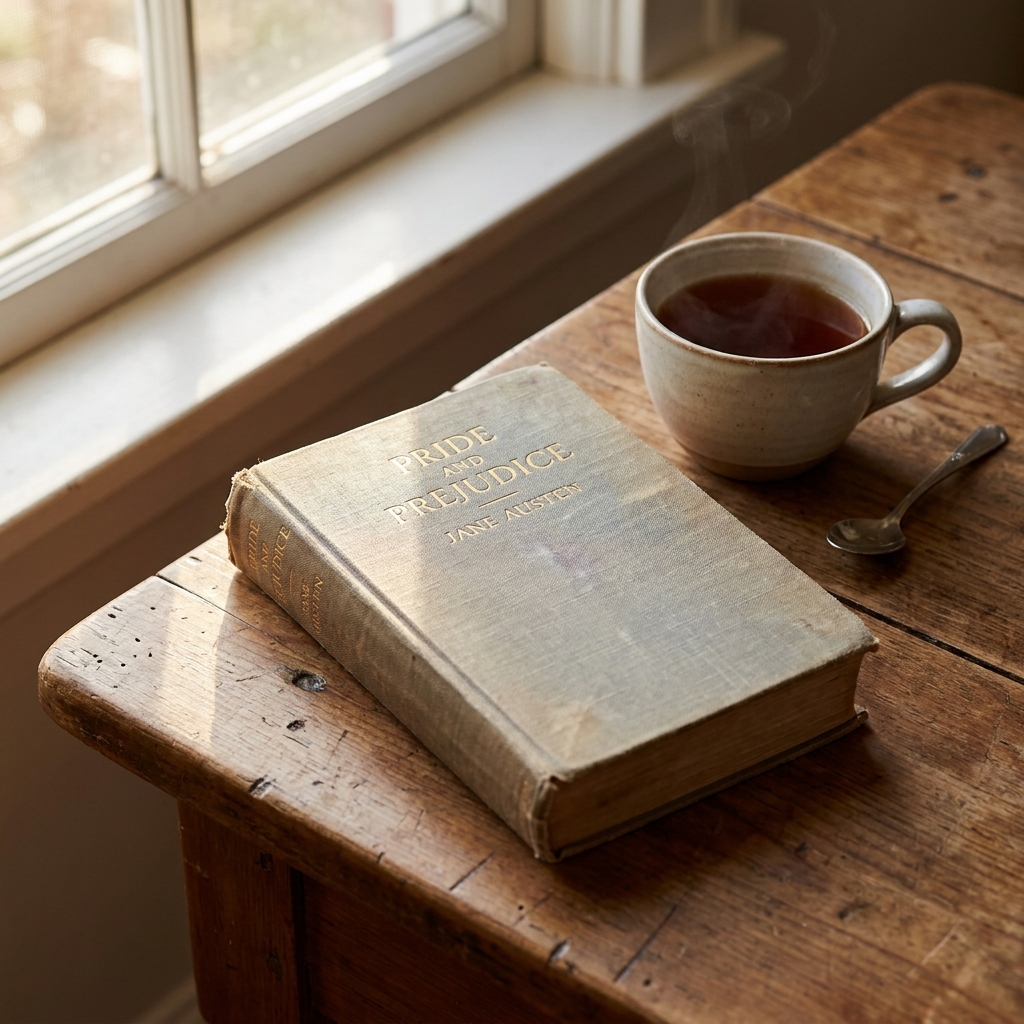
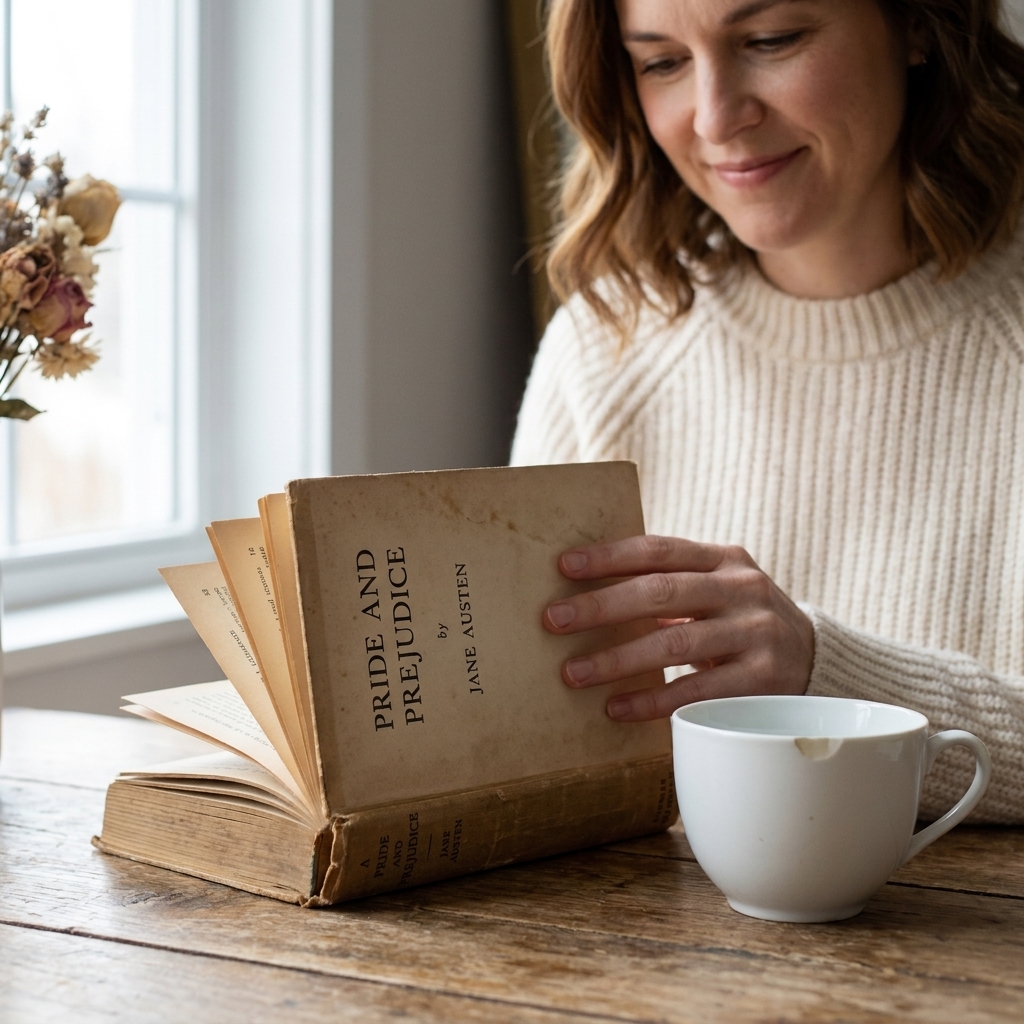
- Witty manners and marriage plots: Pride and Prejudice (Jane Austen) + Eligible (Curtis Sittenfeld).
- Gothic tension and haunted houses: Rebecca (Daphne du Maurier) + Mexican Gothic (Silvia Moreno-Garcia).
- Social rules, private longing: The Age of Innocence (Edith Wharton) + The House of Mirth if you want more Wharton, or go modern with Fleishman Is in Trouble (Taffy Brodesser-Akner) for a contemporary social autopsy.
- Big-city moral weather: Great Expectations (Charles Dickens) + A Little Life (Hanya Yanagihara) if you want maximal scope, or Tomorrow, and Tomorrow, and Tomorrow (Gabrielle Zevin) for a warmer, propulsive build.
If your goal is pure escape
Modern fiction often wins on immediacy, but classics can be wildly transporting too. The trick is choosing the right kind of escape for your mood: witty, romantic, gothic, adventurous, cozy, or sweeping.
If your goal is to stretch
Pick the style that feels slightly outside your comfort zone, not miles beyond it. Stretching should feel like a good yoga class, not like punishment.
- Gentle stretch: a short classic, or a modern novel with an unusual structure.
- Brave stretch: a doorstopper classic, or a contemporary book that experiments with voice and form.
Starter picks by vibe
I’m keeping these suggestions broad on purpose. Consider them doorways, not homework assignments.
Classic gateways
- Witty social observation: Jane Austen (start with Pride and Prejudice if you want spark and momentum).
- Gothic atmosphere: Daphne du Maurier’s Rebecca for suspense you can practically taste.
- Moral drama and momentum: Charles Dickens, especially A Christmas Carol for a short, punchy classic.
- Quiet devastation: Edith Wharton’s The Age of Innocence for emotional precision.
Modern gateways
- Character-driven literary page-turner: Tomorrow, and Tomorrow, and Tomorrow (Gabrielle Zevin) for momentum with heart.
- Family saga: Pachinko (Min Jin Lee) for sweeping scope with modern readability.
- Romance with bite: Red, White & Royal Blue (Casey McQuiston) for pure “one more chapter” joy.
- Mystery with depth: The Thursday Murder Club (Richard Osman) for cozy cleverness, or The Girl with the Dragon Tattoo (Stieg Larsson) for darker propulsion.
- Speculative with big ideas: Station Eleven (Emily St. John Mandel) for lyrical clarity, or The Fifth Season (N.K. Jemisin) for seismic imagination.
- Short and sharp: Convenience Store Woman (Sayaka Murata) for a slim novel that still rearranges your brain.
If you want to build a tiny “bridge stack,” make it practical: write down two books you loved, two you abandoned, and one vibe you want right now (cozy, angsty, funny, eerie, romantic). Then ask a librarian or bookseller to match you, or use that note as your own compass while browsing.
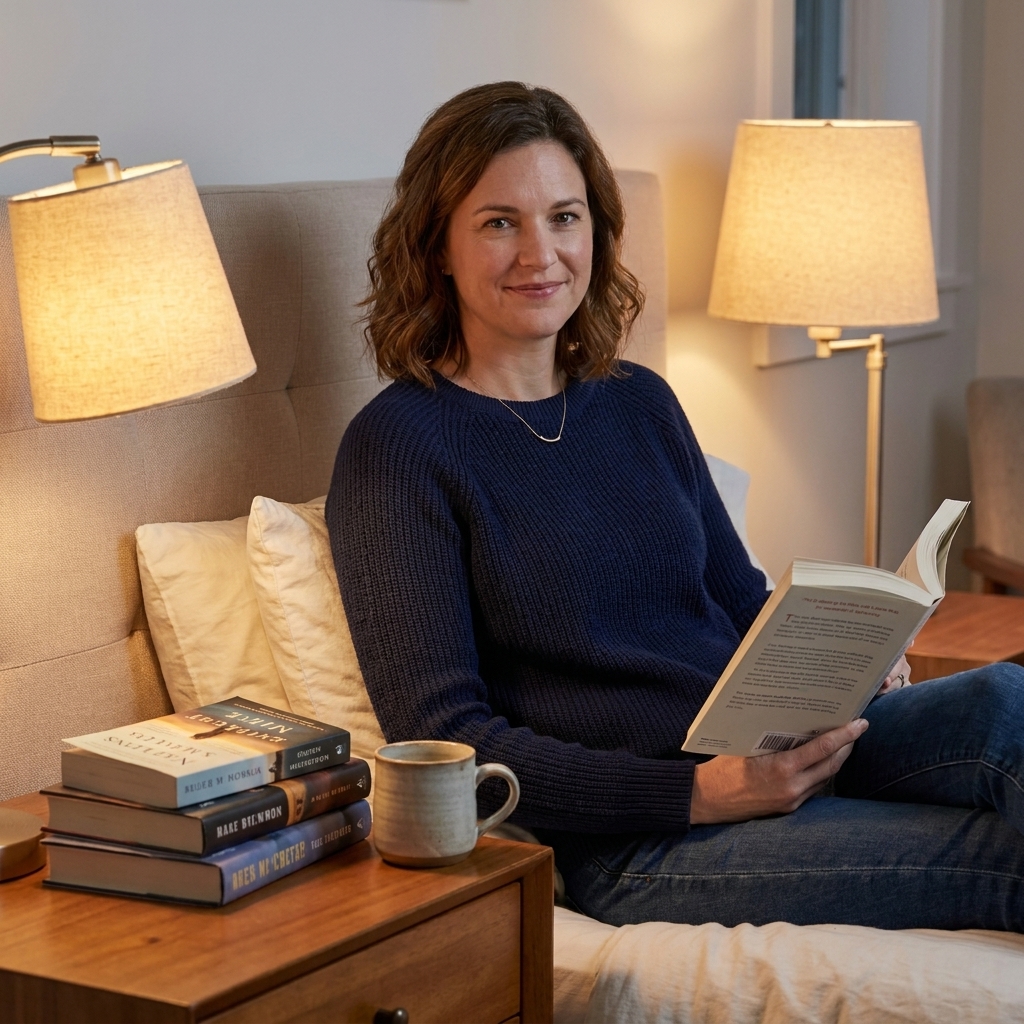
How to blend both
Try the two-track method
One classic in print, one modern book on audio or ebook. Different formats reduce comparison and keep you moving.
Pick a theme
Choose a theme like “unreliable narrators,” “marriage plots,” “city novels,” or “revenge,” then read one classic and one contemporary title that scratches the same itch.
Respect reading seasons
Some months you want crisp, fast dialogue and short chapters. Other months you want sentences you can sink into. Your taste isn’t inconsistent, it’s alive.
FAQ
Are classics harder to read?
Often, yes, but “harder” usually means “different.” Vocabulary, pacing, and cultural context can add friction. The right edition, audiobook, or a shorter title can make a huge difference.
Do translations matter?
They matter a lot. Two translations of the same classic can feel like two different books . If you bounce off a translated classic, try a more modern translation, or an edition with notes that gently carries the context.
Is modern fiction less literary?
Not at all. There is dazzling, ambitious contemporary literature, just as there were plenty of pulpy, breezy books in every past century. Quality is scattered across time like good thrift finds.
What if I feel guilty for not reading classics?
Guilt is a terrible bookmark. Try reframing classics as a menu, not a syllabus. You’re allowed to sample, skip, and return later. Reading is a relationship, not a performance.
How do I choose my first classic?
Choose by vibe, not reputation. Do you want romance, satire, mystery, adventure, or gothic tension? Start there, then pick a shorter, plot-forward title in that lane.
The real answer
The best reading style is the one that keeps you curious. Classics can give you depth, lineage, and that slow-bloom satisfaction. Modern fiction can give you immediacy, variety, and a hand on your shoulder that says, “Yes, the world is like this, and you’re not alone.”
If you’re torn, here’s my cozy librarian-in-your-pocket advice: pick one book that feels like comfort and one that feels like a stretch. Let them take turns.