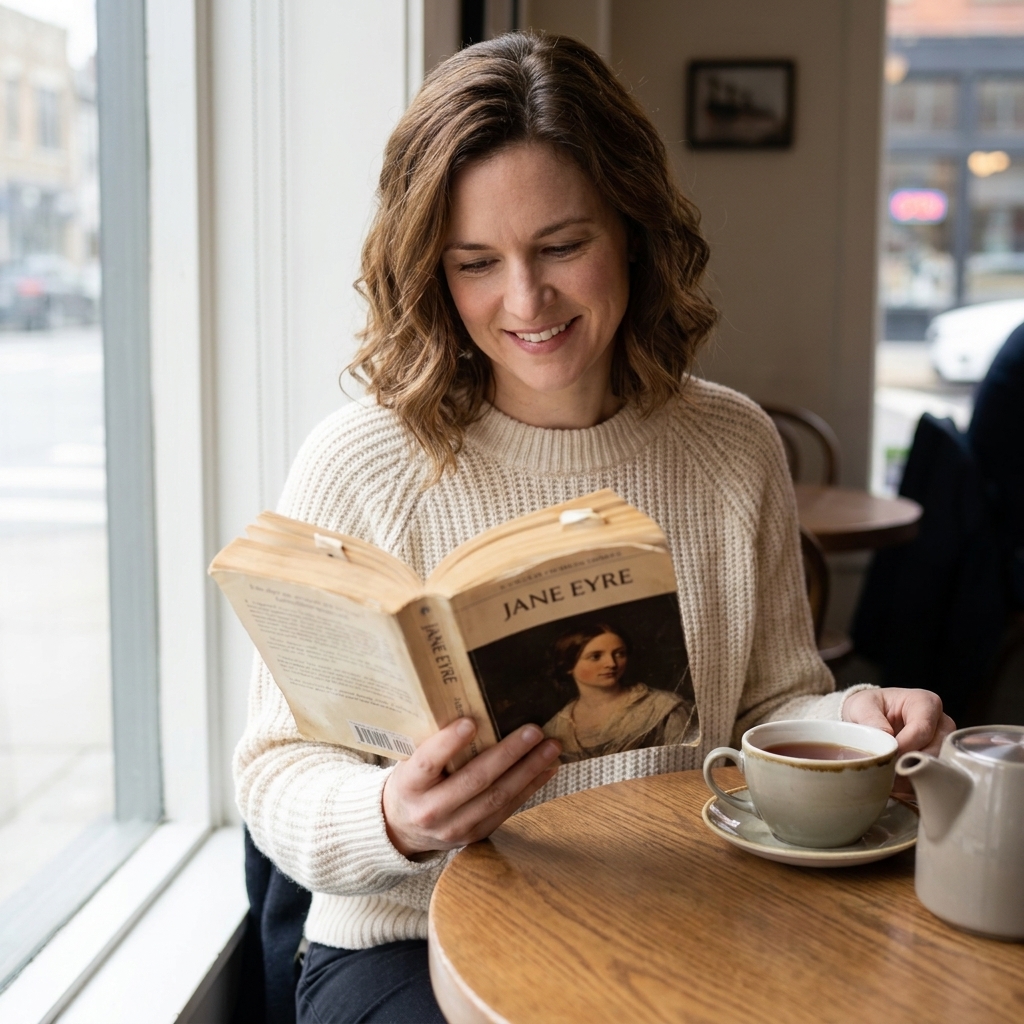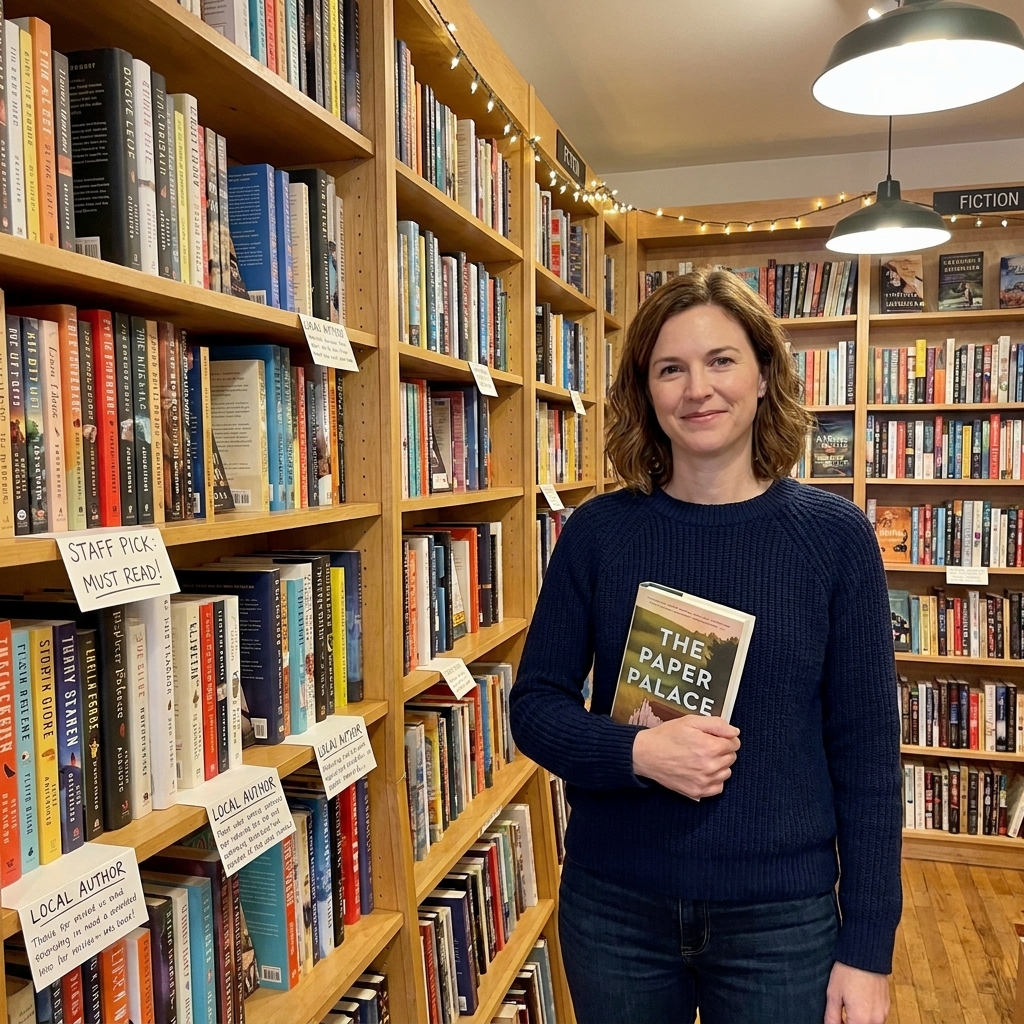
Let me guess: you want to read more fiction, you even have a stack beside your bed, and yet most nights you blink and it’s suddenly 11:47 p.m. and you are scrolling through your phone like it owes you money.
As a former indie bookstore manager, I’ve watched countless people fall back in love with stories after long dry spells. The trick is not “more willpower.” It’s making fiction easier to start and easier to return to. Here are seven tips that work in real life, even when your calendar is doing backflips.
1) Choose the right book for now
When you’re busy, the “right” book is not necessarily the one you should read. It’s the one you will actually open after a long day.
A quick way to choose
- If your brain feels fried: try a propulsive page-turner, a cozy mystery, romantic comedy, or a fast-paced thriller.
- If you have ten-minute pockets: look for short chapters, a novella, short stories, or a tightly plotted genre novel.
- If you crave emotional depth but not a slog: contemporary literary fiction with a strong hook can be perfect.
Bookstore rule of thumb: if you’re not excited to pick it up by page 30 to 50, it is not a moral failure. It’s a mismatch. Swap it.
Quick starter picks (mix and match)
- Cozy mystery: The Thursday Murder Club by Richard Osman
- Rom-com: Beach Read by Emily Henry
- Thriller: Gone Girl by Gillian Flynn
- Literary with a hook: Tomorrow, and Tomorrow, and Tomorrow by Gabrielle Zevin
- Short story collection: Interpreter of Maladies by Jhumpa Lahiri
- Novella: Of Mice and Men by John Steinbeck
2) Make the goal tiny
“Read for an hour a day” sounds noble. It also sounds like a chore. Busy adults do better with small, repeatable commitments that build momentum.
Try one of these micro-goals
- One chapter a day (or even half a chapter).
- Ten pages a day.
- Five minutes after I make coffee.
The magic is consistency. Once reading becomes “what you do,” the minutes often expand naturally.
3) Put the book where life happens
Reading is a habit of access. If your novel is tucked in a drawer, you will not reach for it. If it’s in your hand when a gap appears, you will.
- By the kettle or coffee maker: for that quiet pre-work moment.
- In your bag, coat pocket, or car (if it won’t get damaged): for waiting rooms, pickup lines, transit, and early arrivals.
- On the couch where you usually sit with your phone.

4) Make setup friction-free
It sounds dramatic, but tiny annoyances are habit-killers. If you are constantly losing your place, squinting at tiny print, or fighting the lighting, you will choose the path of least resistance, which is usually your phone.
Reduce friction in two minutes
- Use a bookmark you love (a receipt works, but let’s not pretend it sparks joy).
- Try the format that fits your day: a print book at night, an ebook on the go, an audiobook for chores.
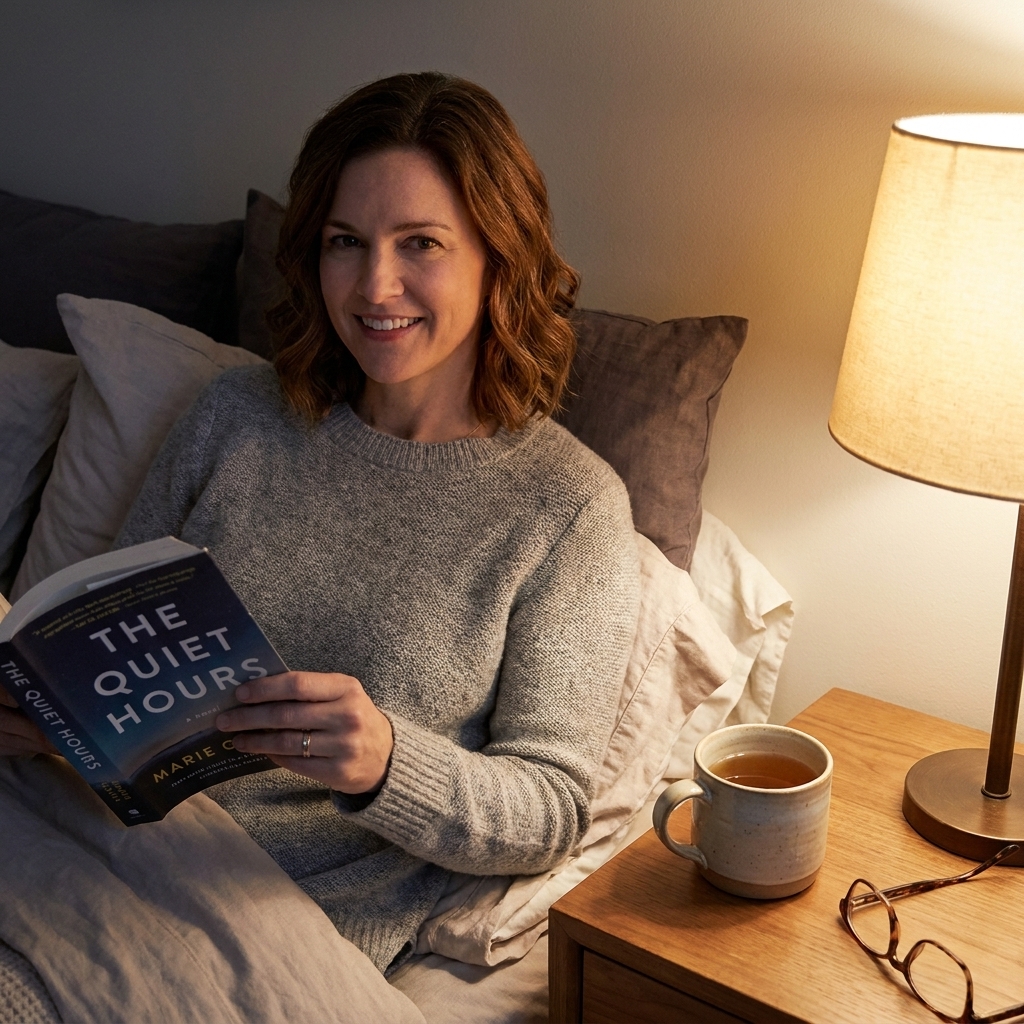
- Keep a small reading light by your bed if you share a room or read late.
Yes, audiobooks count toward consuming fiction and finishing books. Story is story.
If you keep rereading the same page, you are not broken. Try shorter sessions, larger print, or an audiobook while you walk.
5) Swap scrolling, gently
You do not need a digital detox to read more fiction. You just need one or two specific moments where a book becomes the default.
Two easy swaps
- The “one page first” rule: read a page before you open any app in the evening. If you stop after one page, fine. Most nights you will not.
- Phone parking: charge your phone across the room and keep your book on the pillow.
This is not about being perfect. It’s about giving your attention a softer landing at the end of the day.
6) Build a small ritual
When reading becomes a small pleasure instead of another self-improvement project, it sticks. Think of it like setting the table for your brain.
Steal this simple ritual
- Make a cup of tea or a quick snack.
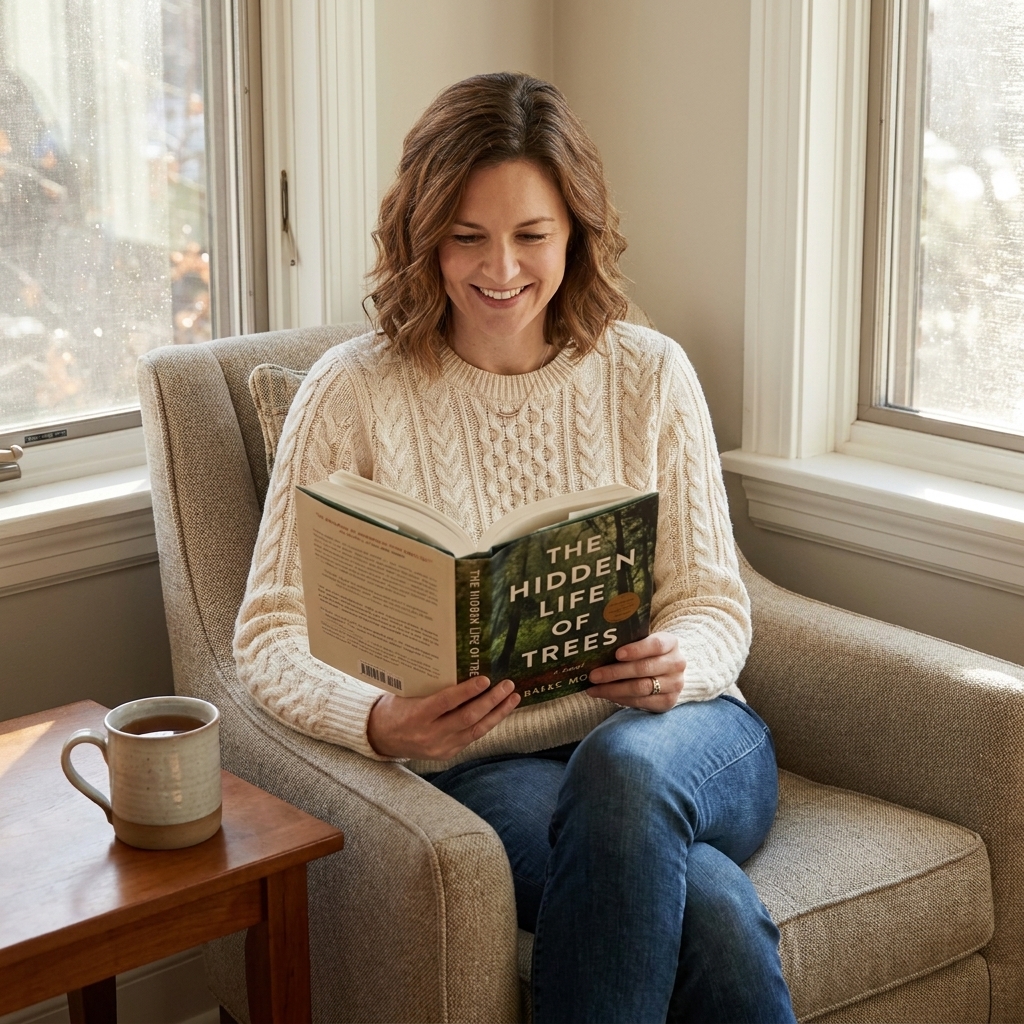
- Sit in the same spot (even if it’s just one corner of the couch).
- Read for a small, set window: 10 to 20 minutes.
Rituals can reduce decision fatigue. You are not debating whether to read. You are simply starting the ritual, and the reading happens inside it.
7) Keep a next-book plan
One of the most common reasons many readers drift away is the gap after finishing a book. You close the cover, feel accomplished, and then nothing is lined up. Weeks pass.
End every book by choosing what’s next
- Option A: pick your next book when you are 30 pages from the end.
- Option B: keep a short “Next Up” list of 3 titles, so you never have to start from scratch.
- Option C: pair books like meals: alternate something light and something rich.
Momentum is a gift. Protect it.
If you want instant access, set up a library card and Libby (or your local library’s app). Keep one ebook and one audiobook queued so you can start the moment you have a gap.
A simple weekly plan
If you want something concrete, here’s a low-pressure structure that works for a lot of busy readers:
- Monday: reset day. Choose or confirm your book, and set your cue (bedside table, bag, coffee station).
- Tuesday to Thursday: 10 minutes a day, same time, same spot.
- Friday: audiobook during chores or errands.
- Weekend: one longer session, even 30 minutes counts.
The goal is not maximum pages. The goal is keeping the thread of the story alive in your mind.
FAQ
What if I keep starting books and not finishing them?
Two things can be true: you are busy, and the book might not be right. Give yourself permission to DNF with intention. If you are not feeling curious about what happens next, try switching genres or choosing something shorter to rebuild confidence.
Is it better to read multiple books at once?
For some readers, yes. One “carry-around” book plus one bedtime book can be a perfect system. If you find it confusing, stick to one book until you are back in the groove.
How do I read more if I’m exhausted at night?
Move reading earlier. Five minutes at lunch or right after work often beats 20 minutes in bed when you are already half-asleep. Audiobooks also shine here, especially for commutes and chores.
Your next step
Pick one tip from this list and try it for seven days. Not seven months. Seven days. If you want an easy place to start, make it this: put a book where your phone usually lives and read one page before you scroll.
Stories are not a luxury item. They’re a way back to yourself, even in a busy week.