Some biographies read like a quiet museum stroll. These are not those biographies.
The books below feel more like getting pulled into the studio while the paint is still tacky, or watching someone load film with hands that are equal parts confident and trembling. I picked these because they do two things at once: they give you the human story and they deepen how you look at the work. If you have ever stood in front of a self-portrait or a contact sheet and thought, how did a person become this, you are in the right place.
The 8 life stories to read
Consider this your cozy stack for the nightstand: painters who burned bright, photographers who changed what the camera could say, and life stories that are as textured as the art itself.
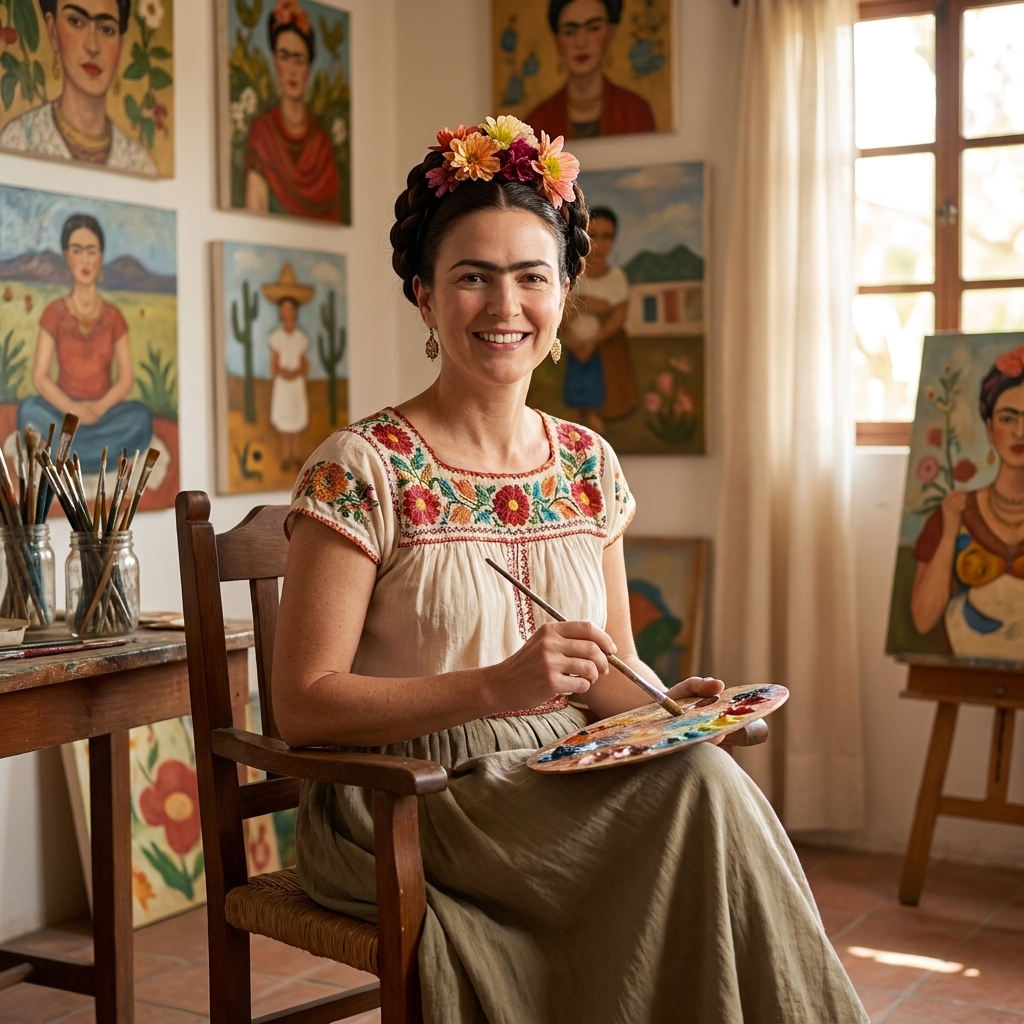
1) Frida: A Biography of Frida Kahlo by Hayden Herrera
If you want a widely loved starting point for Frida, this is the one many readers begin with and return to. Herrera writes with a novelist’s sense of momentum, tracing Kahlo’s childhood, the accident that reshaped her body and her art, and the complicated orbit of Diego Rivera, politics, and devotion.
- Why it’s essential: It connects the iconography we recognize (the brow, the flowers, the direct stare) to a full, messy, brilliant life.
- Best for: Readers who want context for the symbolism and pain in Kahlo’s self-portraits without the story feeling clinical.
2) Van Gogh: The Life by Steven Naifeh and Gregory White Smith
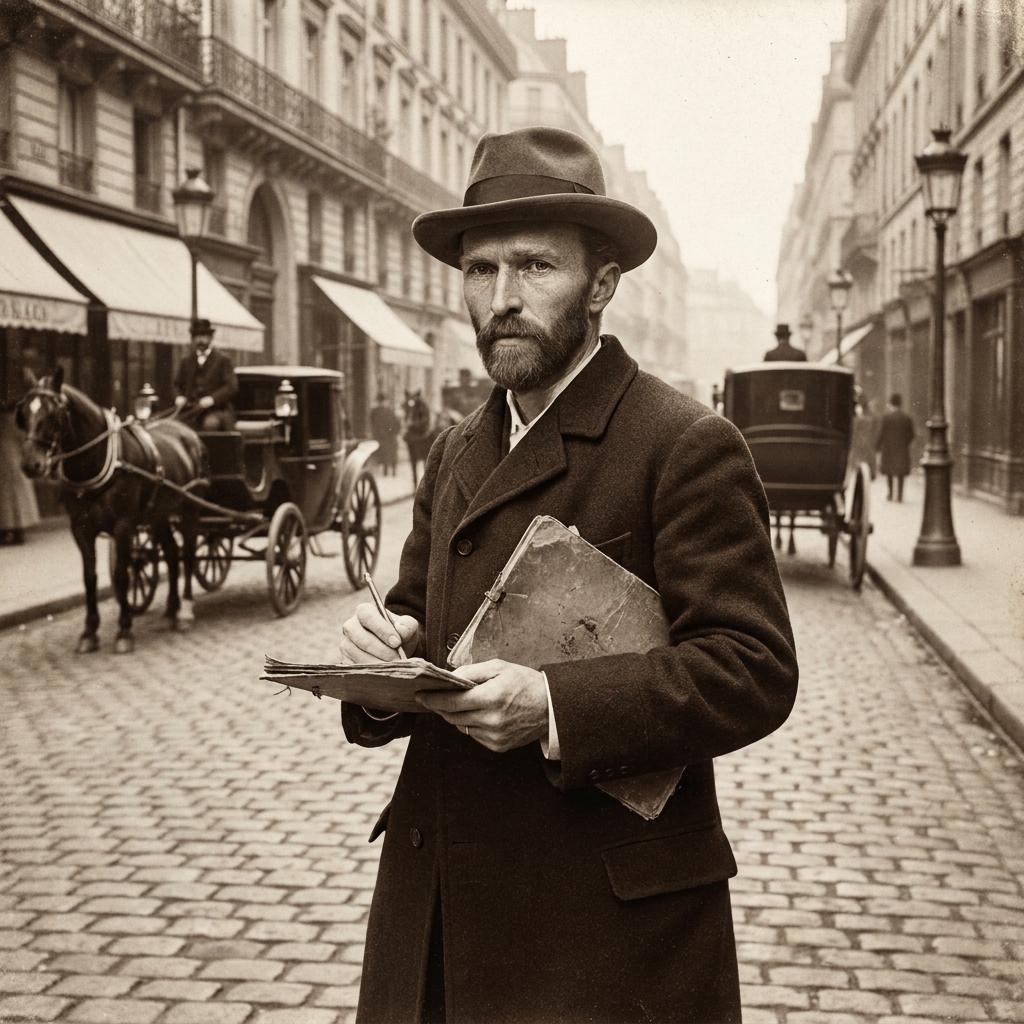
Deeply researched and immersive, this biography works hard to make Vincent feel less like a tragic myth and more like a person who studied relentlessly, thought intensely, and wanted connection as fiercely as he wanted color.
- Why it’s essential: You come away understanding just how hard Van Gogh experimented, learned, and persisted.
- Best for: Readers who like detail, atmosphere, and the slow build of a life.
3) Georgia O’Keeffe: A Life by Roxana Robinson
O’Keeffe is often flattened into a few familiar images: the flowers, the bones, the desert. Robinson gives her back her complexity, from early ambition and teaching to her relationship with Alfred Stieglitz, to the tough, luminous independence of her later years in New Mexico.
- Why it’s essential: It treats O’Keeffe as an artist with strategy and stamina, not just an aesthetic.
- Best for: Anyone who loves an “I built my own life” story, told with tenderness and grit.
4) Life with Picasso by Françoise Gilot (with Carlton Lake)
This memoir-biography hybrid is a sharp, personal account from someone who was there. Gilot writes with clear-eyed precision about life with Picasso, the daily atmosphere around work, power, jealousy, and the cost of being near someone who expected the world to rearrange itself around him.
- Why it’s essential: It complicates the legend with lived experience, and it does not blink.
- Best for: Readers interested in the social ecosystem of art making, and the reality behind the genius narrative.
5) Diane Arbus: An Aperture Monograph (monograph with biographical essays)
This is not a standard cradle-to-grave biography, but it is one of the most powerful ways to understand Arbus: through her images, paired with biographical and critical writing that frames her choices, her eye, and the ethical questions her work still sparks.
Arbus is a photographer people have strong feelings about. This book gives you room to look longer, think harder, and sit with that discomfort instead of smoothing it over.
- Why it’s essential: It puts the work at the center, where it belongs, with enough life context to deepen the viewing.
- Best for: Visual learners, photography lovers, and anyone who wants the life story to stay close to the art object.
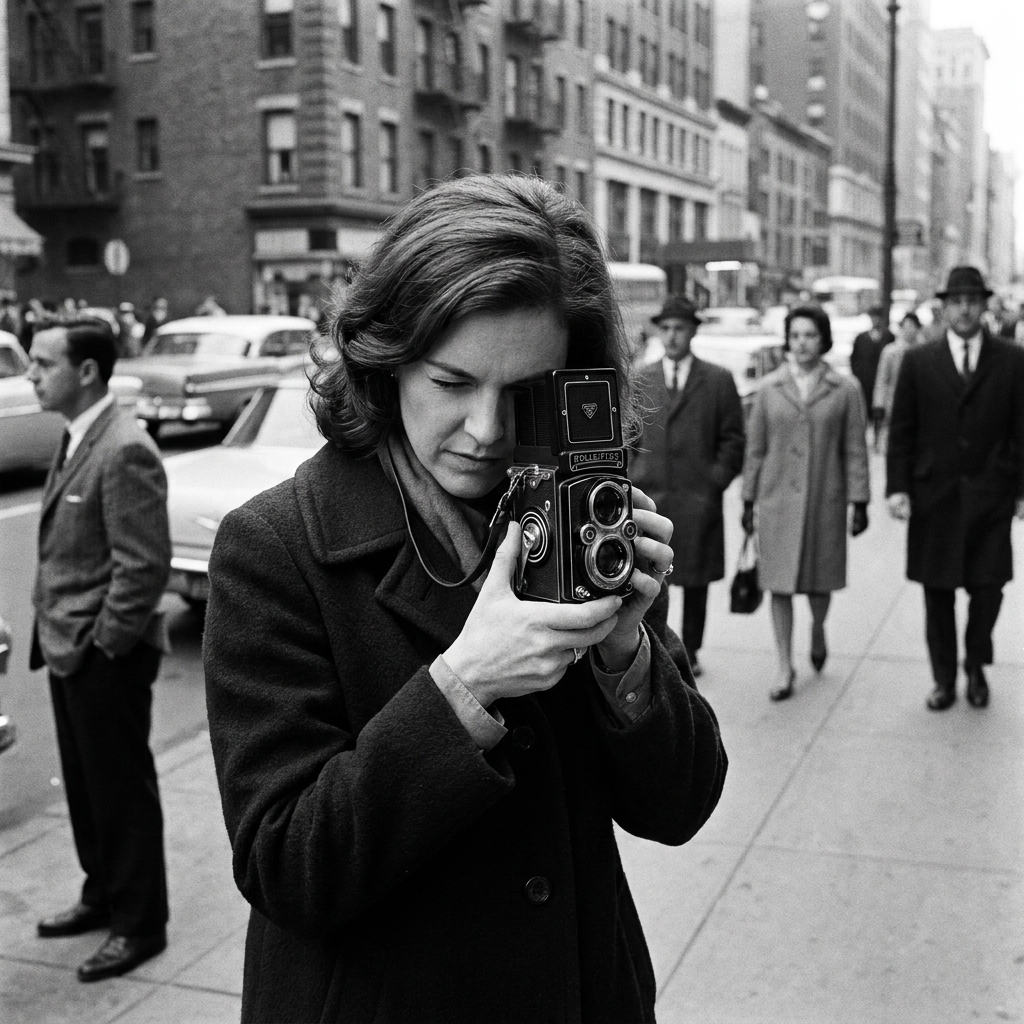
6) Man Ray: American Artist by Neil Baldwin
Man Ray’s life reads like modernism with the volume turned up. Baldwin captures the restless invention: the Dada and Surrealist circles, the experimentation in the darkroom, the sense of someone perpetually making and remaking his artistic identity.
- Why it’s essential: It shows how photography, objects, and ideas braided together in one career.
- Best for: Readers who love art-world history, salons, and the thrill of artistic cross-pollination.
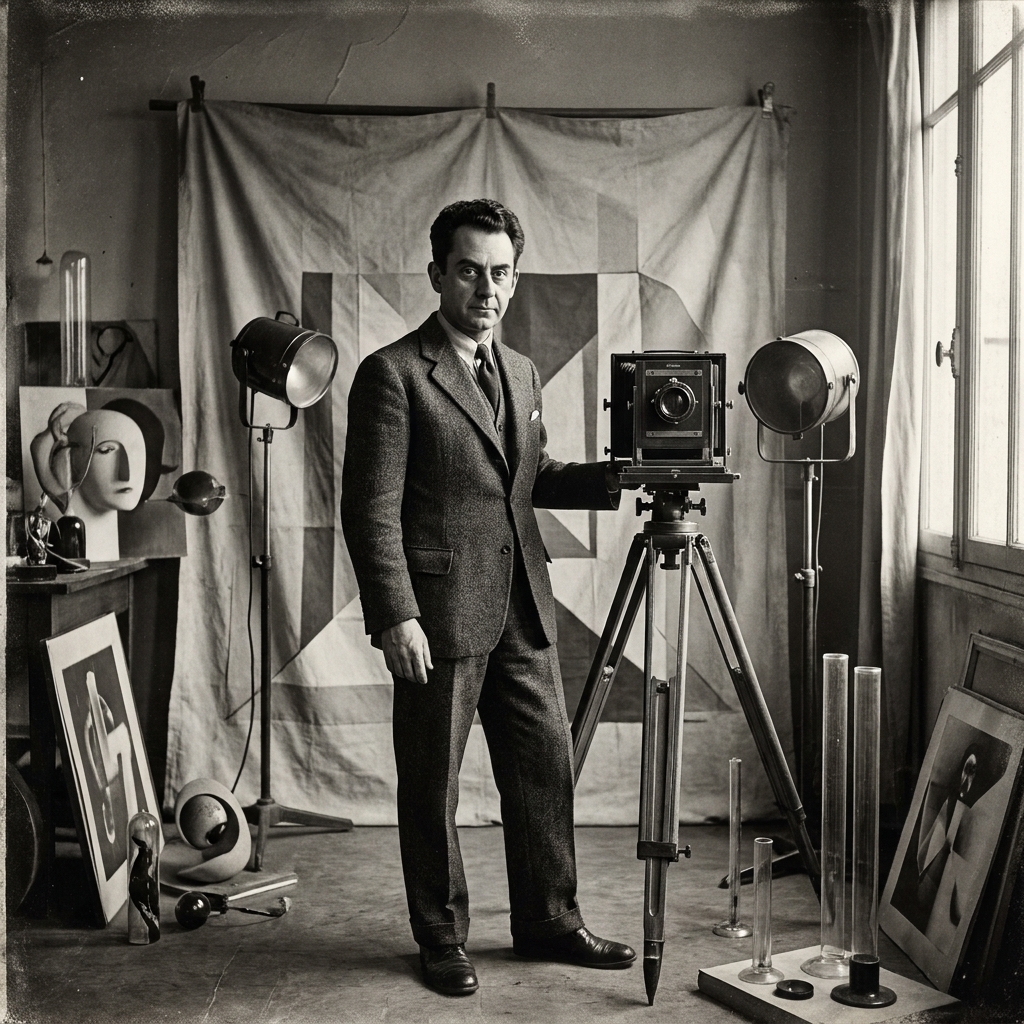
7) Ansel Adams: An American Life by Mary Street Alinder
If your mental picture of Ansel Adams is a single iconic mountain range, this biography widens the frame. Alinder follows Adams as an artist and as a citizen of the natural world: his discipline, his technical rigor, and his role in conservation efforts that are often credited with shaping how America values landscape.
- Why it’s essential: It makes clear how much craft, planning, and advocacy live behind those seemingly effortless photographs.
- Best for: Hikers, nature lovers, and anyone who enjoys process, technique, and purpose traveling together.
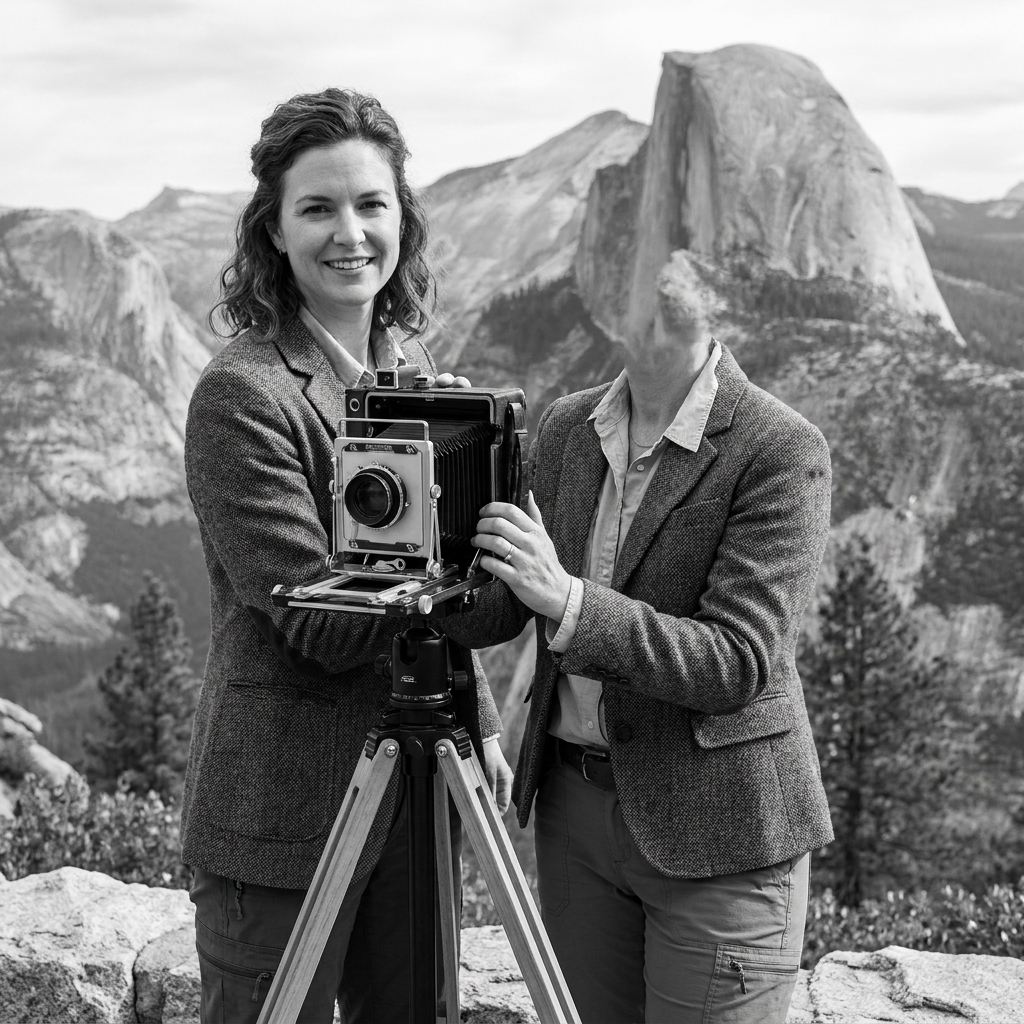
8) Lee Miller: A Life by Antony Penrose
Lee Miller’s story has everything: model, muse, Surrealist collaborator, and then an extraordinary war photographer who documented the unthinkable. Penrose, her son, writes with intimacy and access, tracing both the brilliance and the complicated aftermath of what she witnessed.
- Why it’s essential: It honors Miller’s artistry and courage while acknowledging the psychological cost of her work.
- Best for: Readers drawn to photography history, women’s lives in the arts, and biographies that do not look away from hard truths.
How to choose
If you are staring at this list the way you might stare at a wall of spines in a used bookstore, here is a gentle sorting trick:
- If you want emotional intensity: Kahlo, Van Gogh, Miller.
- If you want artistic community and scene-setting: Man Ray, Picasso through Gilot’s eyes.
- If you want craft and process: Adams, Arbus through the work-forward monograph format.
- If you want a life shaped by place: O’Keeffe and the desert, Adams and the American West.
And truly, there is no wrong entry point. The best life story is often the one that makes you immediately want to pull up images of the work and look again.
Reader questions
Are these good for beginners?
Yes. Even the heftier books here are written for general readers, not just art historians. If you want the most approachable starting points, I would hand you Herrera’s Frida, Robinson’s O’Keeffe biography, or Penrose on Lee Miller.
Which include lots of images?
Photography monographs and illustrated editions vary by publisher and printing, but Diane Arbus: An Aperture Monograph is intentionally image-rich. For the others, you will often get photo inserts, but the heart of the experience is the narrative.
I’m in a reading slump. Which is the most propulsive?
Life with Picasso moves fast because it is firsthand and unsparing. Lee Miller: A Life also has that page-turning momentum because her life changes so dramatically across eras.
Any that benefit from a second perspective?
Yes, especially the entries that spark debate, like Picasso and Arbus. If you find yourself wanting more angles, try pairing the biography or monograph with a documentary, a museum catalog essay, or a long-form critical profile. Sometimes the richest understanding comes from letting more than one voice into the room.
Final note
If you do only one thing after reading this article, make it this: pick one artist from the list, borrow the book, and then spend twenty minutes looking at their work with fresh eyes. These stories are not just about knowing facts. They are about learning how to look, slowly and generously, at what a human being made with their one wild life.