There are two kinds of cookbooks that end up living on your counter: the ones you splash with olive oil on a Tuesday night , and the ones you curl up with like a novel when it’s raining in Portland and you want to believe you, too, could casually make perfect focaccia in a sun-drenched kitchen.
Both are valid. Both are wonderful. They just do different jobs.
Let’s talk about the difference between traditional recipe books and modern, narrative-forward cookbooks (what I’m affectionately calling culinary manifestos), and how to pick the one you’ll actually reach for again and again.
Traditional recipe books
A traditional recipe book is instruction-forward. It’s built to answer the most important question in any kitchen: What do I do next?
These books tend to prioritize:
- Clear recipes with reliable measurements and step-by-step methods
- Useful structure like chapters by ingredient, course, season, or technique
- Consistency, meaning the dish comes out more repeatably when you follow along
- Teaching, often through basics like knife skills, sauces, doughs, stocks, and timing
Think of them as your calm, competent kitchen friend who isn’t here for drama. They’re here for dinner.
Modern culinary manifestos
A modern culinary manifesto is a narrative-driven food book that uses recipes as part of a bigger point of view. Sometimes it’s a lifestyle lens. Sometimes it’s cultural critique. Sometimes it’s a love letter to an identity, a place, a restaurant scene, a pantry philosophy, or a way of hosting people.
These books often emphasize:
- Voice and worldview, where the author’s personality is a main ingredient
- Storytelling, like essays, travel notes, family history, or kitchen memoir
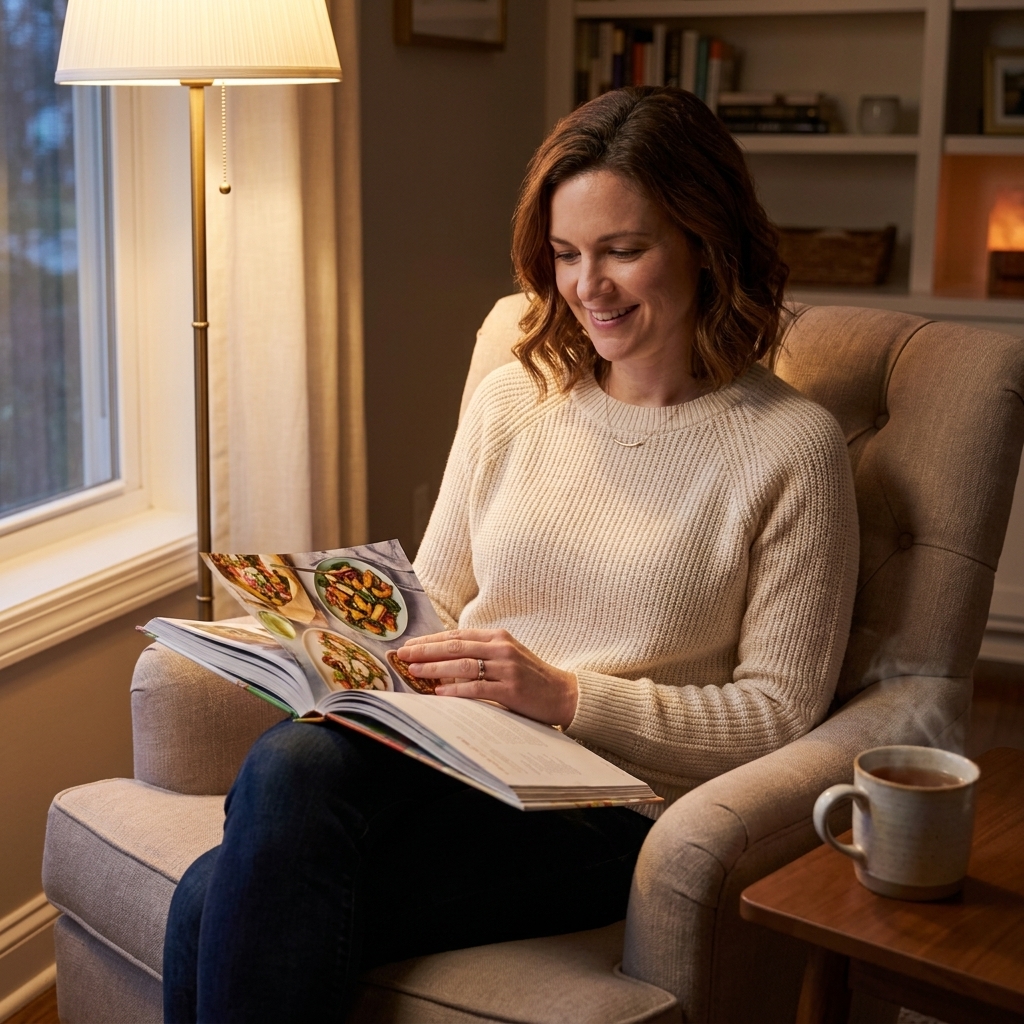
- Aesthetic, with moody photography and design that begs to be left out on your coffee table
- Values, like seasonality, low-waste cooking, regional specificity, or intentional hosting
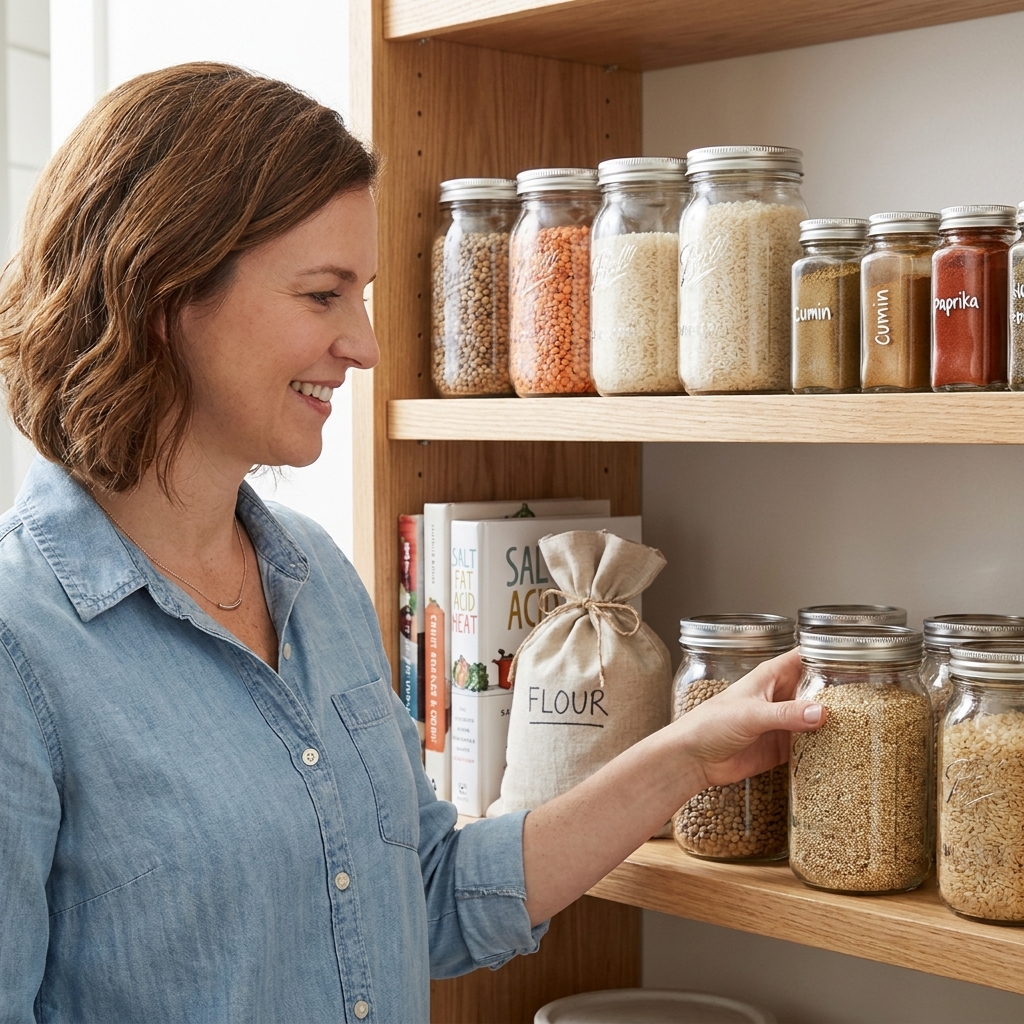
Manifesto isn’t meant as an insult here. I say it with affection. These are the books that make you want to rearrange your pantry, buy better anchovies, and text a friend, “come over, I’m making something.”
Choose based on today
Buy a traditional recipe book if you want…
- Weeknight wins: dependable dinners without a lot of improvisation
- Skill building: techniques you can reuse across cuisines
- Coverage: lots of recipes, variations, and practical notes
- Confidence: you want the author to hold your hand through timing, doneness, and troubleshooting
Buy a culinary manifesto if you want…
- Inspiration: you’re in a cooking slump and need new ideas more than strict instruction
- Reading pleasure: you want essays and atmosphere along with recipes
- A point of view: a guiding philosophy that shapes how you cook and eat
- A giftable book: something gorgeous that feels like an experience
If you’re standing in a bookstore aisle, here’s my honest litmus test: do you want dinner solved, or do you want to feel something? Sometimes the answer is both, but usually one wins.
Quick examples
If you want a fast mental shortcut, here are a few examples that fit the vibe:
- Traditional, instruction-first: Joy of Cooking, How to Cook Everything (Mark Bittman), The Food Lab (J. Kenji López-Alt)
- Narrative-forward, manifesto-adjacent: Salt, Fat, Acid, Heat (Samin Nosrat), Ottolenghi Simple (Yotam Ottolenghi), Nothing Fancy (Alison Roman)
There are hybrids in both lists, too, because cookbook genres love to blur their own edges.
How they live on your shelf
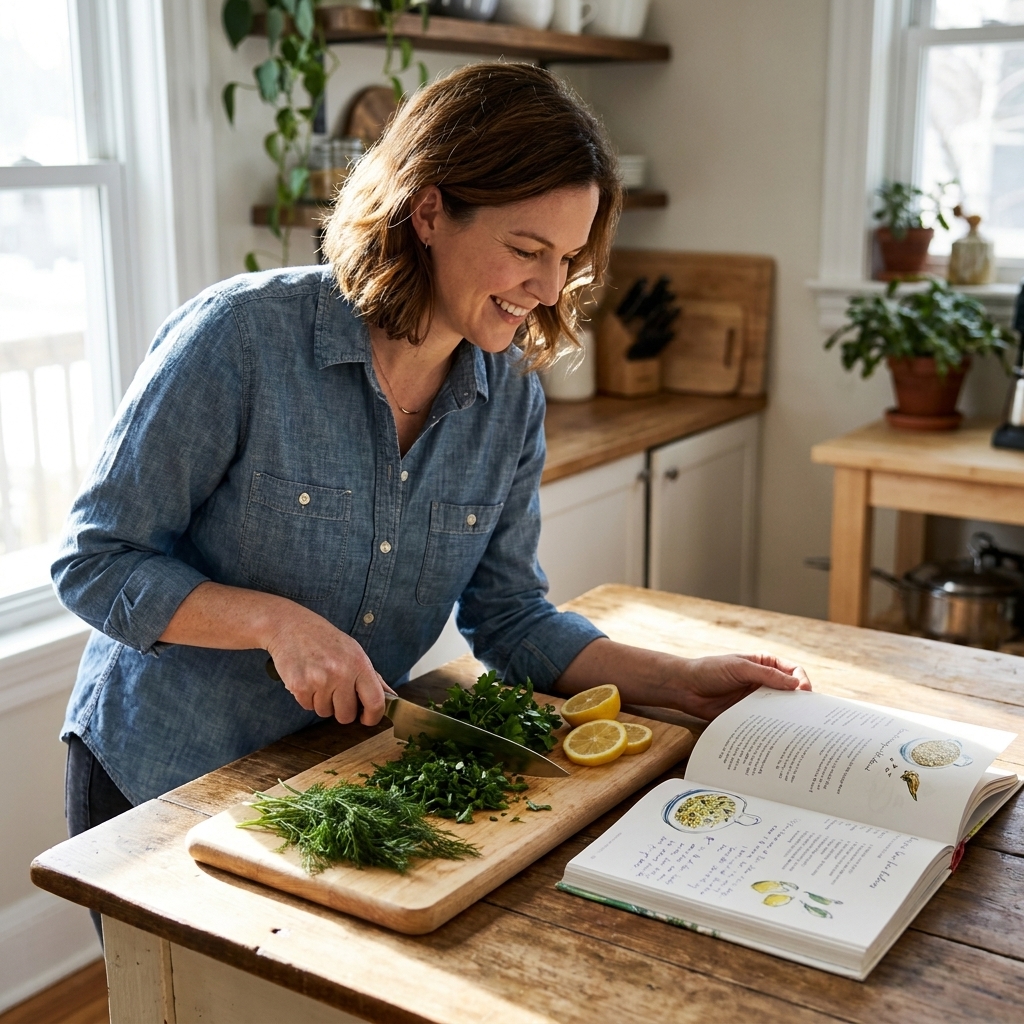
Traditional books are often “grab and go”
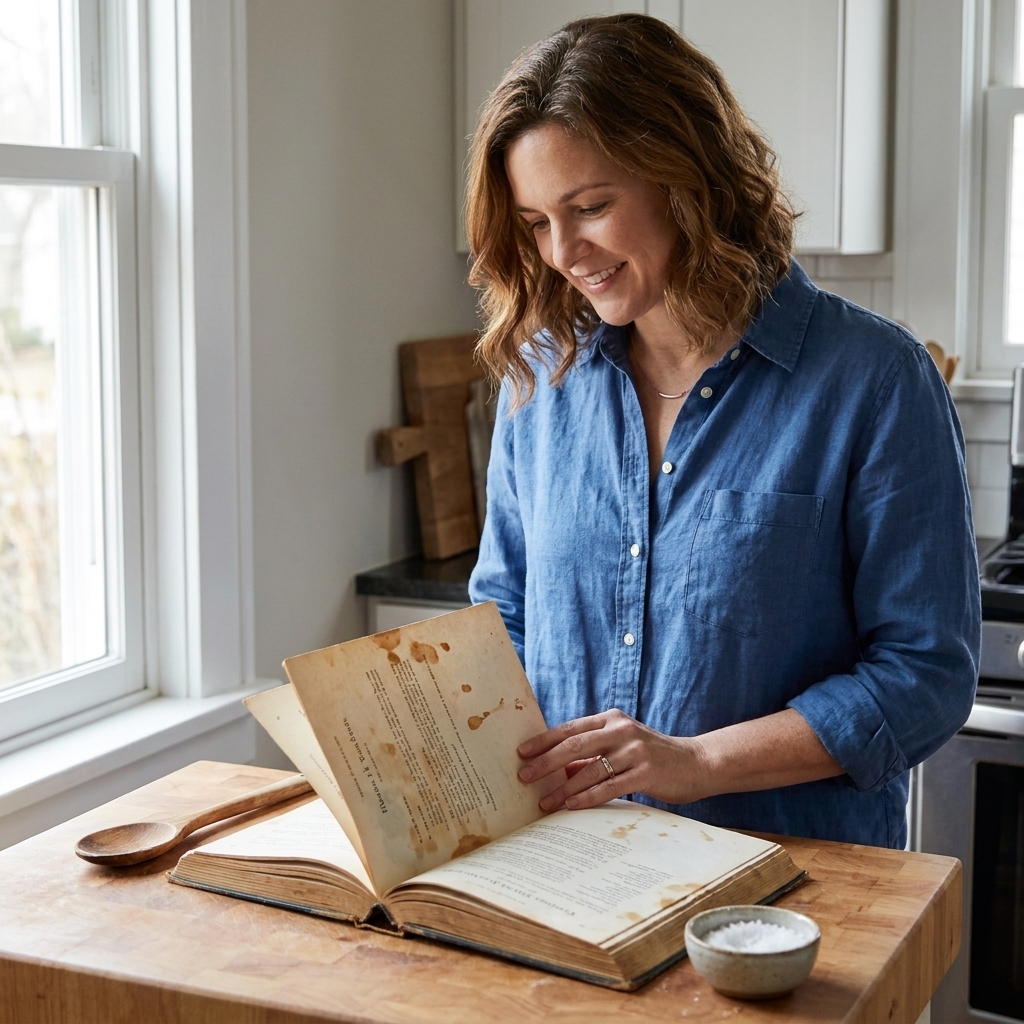
You reach for them with flour on your hands. Many open flat. They often have indexes that actually help. They tolerate sticky notes. They get battered in the most loving way.
In used bookstores, these are the ones with spines cracked at the best chapters and little handwritten notes like “double this for company” or “too salty, use half.” My favorite kind of marginalia.
Manifestos are often “read and return”
You might cook from them, absolutely. But you’re just as likely to flip through for ideas, soak up the vibe, and then make your own version with what you have.
These are the books that become part of your home’s personality. They sit on the table when friends come over, quietly saying: we care about good food here.
Before you buy
If you’re buying a traditional cookbook
- Ingredient realism: Do the recipes rely on staples you can actually find and afford where you live?
- Clarity: Are steps specific about heat levels, timing ranges, and visual cues?
- Tested feel: Do headnotes mention common pitfalls and fixes?
- Index quality: A detailed index isn’t sexy, but it’s the difference between “useful” and “dusty.”
- Recipe count: Some books are slim and focused, others are comprehensive. Know which you want.
If you’re buying a culinary manifesto
- Voice you can live with: Read a page. If the tone irritates you now, it won’t improve at 9 p.m. when you’re hungry.
- Recipe-to-essay ratio: Flip through. Is it closer to 70 percent narrative, 30 percent recipes, or the other way around?
- Skill assumptions: Some manifesto-style books quietly assume you already know how to salt properly, roast confidently, and taste as you go.
- Design payoff: If you’re paying for beautiful, make sure it actually moves you.
- Flexibility: Are the recipes substitution-friendly, or precious and rigid?
A little bookstore manager secret: if you have time, open to a random recipe and ask, “Could I cook this on a normal day?” That gut check is worth more than any blurb.
The hidden costs
Cookbooks have invisible requirements that don’t show up on the back cover.
Traditional books may ask for patience
They can be methodical. They might have long ingredient lists. They might expect you to learn a foundational technique and repeat it a few times before you feel fluent. The payoff is huge, but it’s a slow build.
Manifestos may ask for lifestyle buy-in
Sometimes the real ingredient is time: slow mornings, dinner parties, specialty shopping, a certain kind of pantry. If that’s your dream, wonderful. If you’re in a season of frozen dumplings and survival meals, a manifesto can accidentally make you feel like you’re failing at being a person. You’re not. You’re just busy.
Best for gifting
It depends on what you’re trying to give: utility or identity.
- Gift a traditional cookbook to a new cook, a new parent, a college grad, or anyone who’s said “I need easy ideas.” It’s practical love.
- Gift a culinary manifesto to someone who already likes reading about food, loves hosting, travels through taste, or collects beautiful books. It’s aspirational love.
If you don’t know the recipient’s cooking level, a narrative-forward cookbook is often a safe bet because it’s enjoyable even if they never make a single recipe. But if they’ve been asking for help with weeknight dinners, go practical and don’t overthink it.
The hybrid option
Some of the best contemporary cookbooks blend the two approaches: a strong narrative voice with recipes that are actually weeknight-doable. Look for authors who teach gently inside the storytelling, with clear steps and a tone that feels like a friend, not a judge.
If you’re building a small but mighty cookbook shelf, hybrids give you the best of both worlds: you can read them and you can live in them.
FAQ
Are culinary manifestos real cookbooks?
Yes, when they include recipes you can follow. They’re simply cookbooks with a stronger narrative agenda. The question isn’t whether they count. It’s whether that format fits your life right now.
Which is better for beginners?
Usually a traditional recipe book, especially one that teaches fundamentals and includes troubleshooting. A manifesto can be inspiring, but it may skip the nuts and bolts a new cook needs.
What if I want to cook healthier?
Either type can help, but look for specificity. Traditional books often give clear frameworks and repeatable meal ideas. Manifestos can help you reshape habits through a philosophy, like cooking seasonally or eating more plants, which can be surprisingly motivating.
How do I tell if a cookbook is actually tested?
Clues include consistent measurements, clear yield information, realistic timing, and notes about what can go wrong. If every recipe sounds effortless and perfect without any practical guidance, be skeptical.
What about digital cookbooks and apps?
If your phone already lives on your counter, recipe apps can be the most practical “traditional” option: searchable, adjustable, and always with you. Physical books still win on pleasure, browsing, and that slow-building sense of a cook’s point of view. Many people end up happiest with both.
The bottom line
If you want a book that earns its place on the counter, get a traditional recipe book. If you want a book that earns its place in your imagination, get a modern culinary manifesto.
And if you can swing it, keep one of each. One to feed you, one to remind you that feeding yourself can be art, too.