Poetry has a reputation for being a locked room where you need the right key. I am here to lovingly tell you that the door is already open.
If you are new to poetry (or returning after years of being graded on it), the best place to start is not with what you think you should read, but with poems that feel like a voice you would actually want to sit next to on the bus. The collections below are mostly contemporary, plus one beloved classic that proves poetry can be playful and welcoming at any age. They are approachable, emotionally clear, and full of lines that make you go, “Oh. That is exactly it.”
Each pick includes a little nudge on what it’s like to read and why it works for beginners. Not because beginners need simpler feelings, but because you deserve poems that meet you where you are.
How to read poetry when you feel rusty
- Start with one poem. Truly. One. Close the book after if you want. Poetry is built for small doses.
- Read it out loud. Even quietly. A lot of meaning lives in rhythm, pauses, and plain old sound.
- Do not hunt for “the” meaning. Ask instead: what do I notice, what do I feel, what line won’t let go?
- Reread your favorites. Poems are meant to be revisited. The second pass is where the magic gets bolder.
Bonus tip: Use the library or an ebook sample first. Poetry is personal. It is completely fine to test a voice before you commit to a whole collection.
12 poetry collections for beginners
1) The Carrying by Ada Limón (2018)
If you want poems that feel like standing in the kitchen after a long day and finally exhaling, Limón is your person. Her writing is conversational without being casual, full of nature and body and ordinary life, rendered with a clarity that lands.
- Vibe: tender, luminous, quietly funny
- Great if you like: essays, journaling, walking-with-a-friend energy
2) Calling a Wolf a Wolf by Kaveh Akbar (2017)
These poems are emotionally direct and spiritually restless in the most relatable way. Akbar writes about addiction, faith, longing, and the strange, bright ache of being a person who wants to be better. The imagery is vivid, but the voice keeps you close.
- Vibe: intense, searching, alive
- Beginner-friendly because: the emotional throughline is clear even when the metaphors get wild
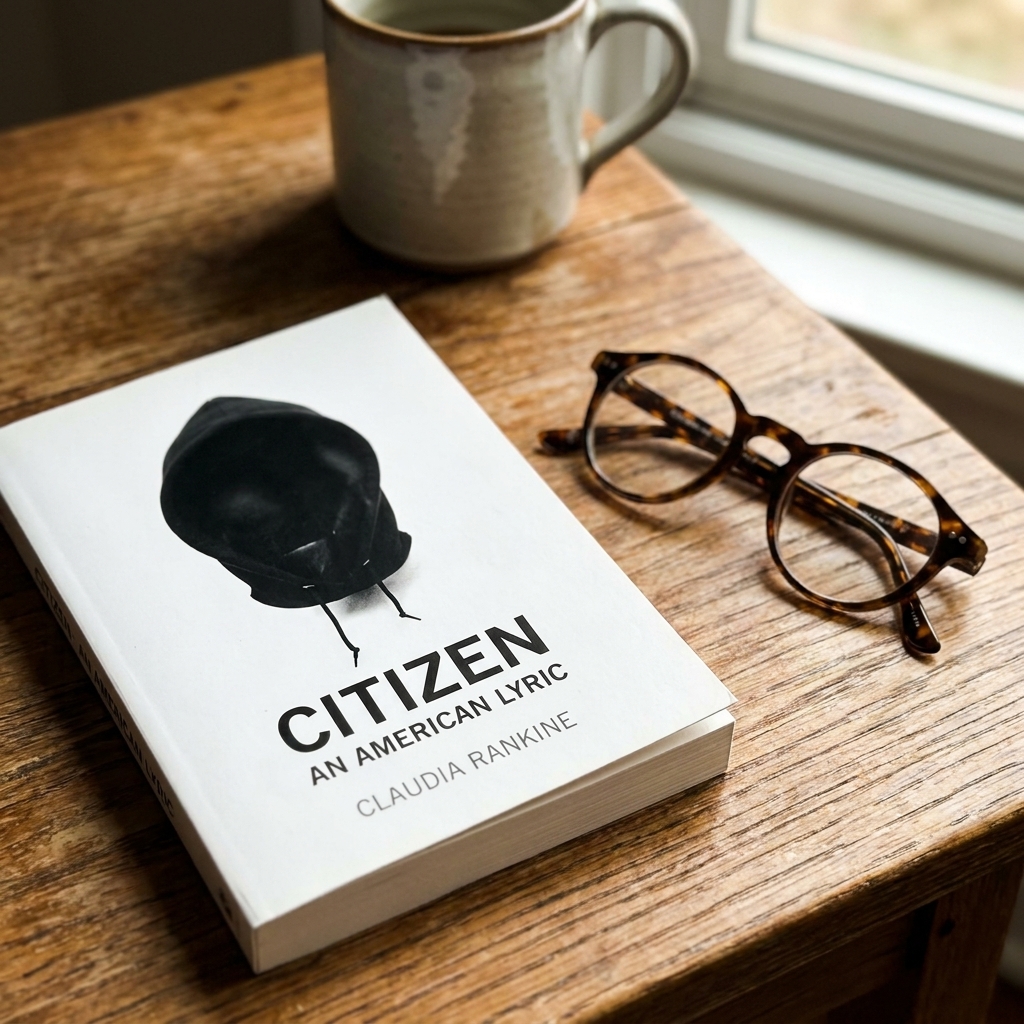
3) Citizen: An American Lyric by Claudia Rankine (2014)
Part essay, part poem, part visual experience, Citizen reads like a series of sharp, necessary realizations. It addresses racism and microaggressions in a way that is both intimate and formally inventive, with plenty of white space that lets the words echo.
- Vibe: incisive, urgent, unforgettable
- Great if you like: nonfiction, cultural criticism, hybrid books
4) Crush by Richard Siken (2005)
This is the collection for anyone who has ever felt love as weather. The poems are fast, cinematic, and emotionally loud in the best way, like a song you put on repeat even though it ruins you a little. You do not need to decode it. You just need to let it happen.
- Vibe: passionate, surreal, heart-on-fire
- Beginner-friendly because: momentum and feeling do a lot of the work
5) Soft Science by Franny Choi (2019)
Choi’s poems are smart and playful, often using sci-fi and the language of technology to talk about identity, longing, and the pressure to be “acceptable.” It is accessible in the way great speculative fiction is: imaginative, funny, and sneakily devastating.
- Vibe: witty, tender, uncanny
- Great if you like: sci-fi, pop culture, sharp one-liners
6) Salt. by Nayyirah Waheed (2013)
Short, distilled poems that read like emotional matches. Waheed’s work is widely quoted, and the style is a big reason why: very brief, aphoristic pieces that hit quickly and stay.
- Vibe: minimalist, intimate, mantra-like
- Beginner-friendly because: you can read it in tiny bites and still feel the full impact
7) Don’t Call Us Dead by Danez Smith (2017)
Smith writes with a voice that can be furious, tender, hilarious, and holy, sometimes all in the same poem. This collection reckons with racism, police violence, HIV, and joy, and it does so with craft that is electric but still very readable.
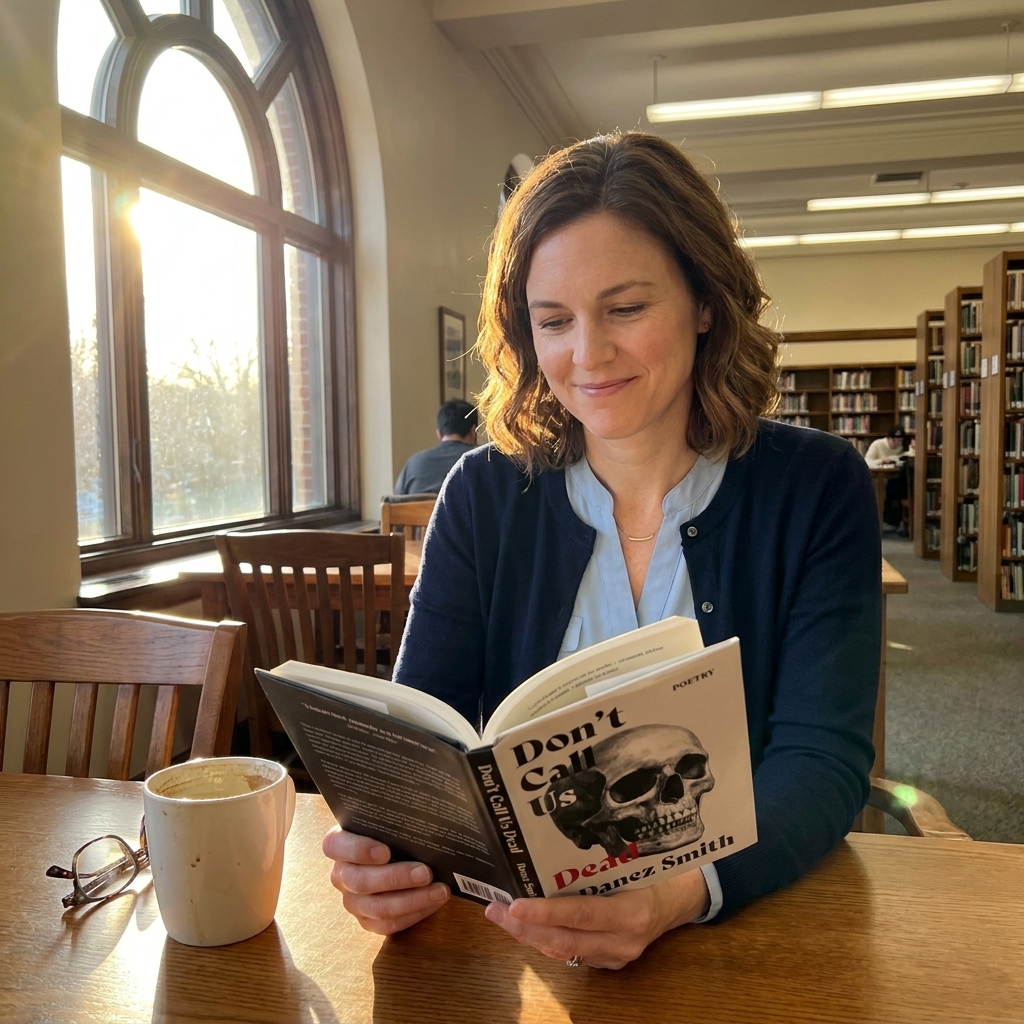
- Vibe: bold, musical, fierce, celebratory
- Great if you like: spoken word, performance energy on the page
8) Night Sky with Exit Wounds by Ocean Vuong (2016)
Vuong’s poems are gorgeous without feeling closed-off. They move through family history, queerness, grief, and tenderness with images that feel like they are lit from within. Read slowly. Let the lines do what they do.
- Vibe: lyrical, haunted, stunningly gentle
- Beginner-friendly because: even when the language is lush, the emotional intent is clear
9) Where the Sidewalk Ends by Shel Silverstein (1974)
Yes, it is often shelved in children’s literature. And yes, it absolutely belongs on a beginner poetry list. Silverstein reminds you that poems can be funny, strange, and a little bit rebellious, and that delight is a legitimate doorway into the genre.
- Vibe: whimsical, clever, mischievous
- Great if you like: wordplay, quick reads, reading aloud
10) Helium by Rudy Francisco (2017)
If you want poems that feel like a live performance even on the page, start here. Francisco’s voice is warm, accessible, and emotionally straightforward, with pieces about family, love, and the ache of modern life that are easy to follow and hard to forget.
- Vibe: heartfelt, humorous, big-feeling
- Beginner-friendly because: narrative clarity and a strong speaking voice guide you through
11) Life on Mars by Tracy K. Smith (2011)
Smith blends the cosmic with the personal, weaving in pop culture, science fiction, elegy, and wonder. Even when she reaches for the stars, the poems stay grounded in human questions: what do we owe each other, how do we live with grief, what do we do with awe?
- Vibe: thoughtful, spacious, luminous
- Great if you like: essays about space, reflective memoirs, quiet contemplation
12) Teaching My Mother How to Give Birth by Warsan Shire (2011)
Shire writes poems that are sharp as glass and tender as skin. This collection explores immigration, womanhood, family, trauma, and survival with an immediacy that makes it feel like someone is telling you the truth in a whisper you cannot unhear.
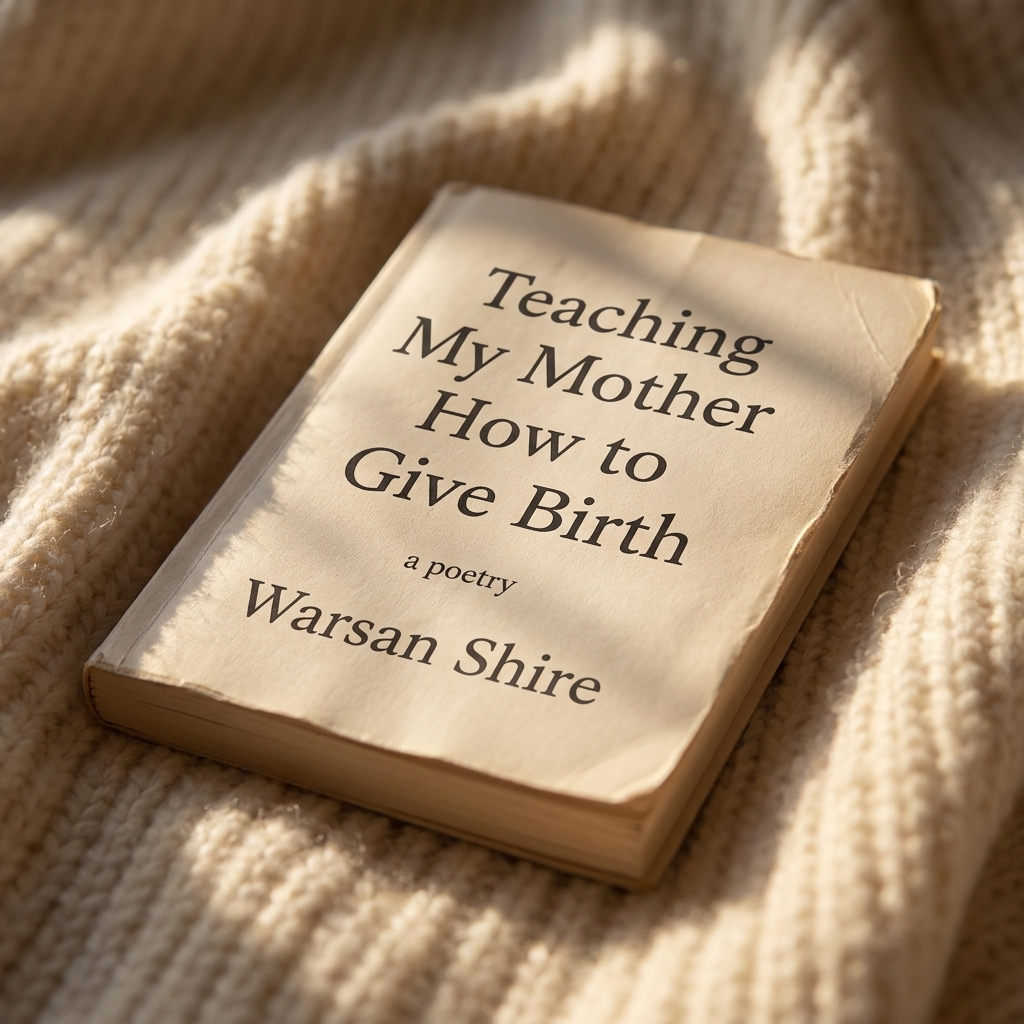
- Vibe: fierce, intimate, haunting
- Beginner-friendly because: the language is direct and the emotional stakes are unmistakable
If you are not sure where to start
Pick based on mood. Poetry is less like choosing a “level” and more like choosing a playlist.
- Want something soothing and life-affirming? Start with Ada Limón.
- Want sharp social commentary in a readable form? Go to Claudia Rankine.
- Want love and intensity turned up to eleven? Richard Siken will do it.
- Want voice-driven poems that feel great out loud? Try Rudy Francisco or Danez Smith.
- Want lyrical beauty with emotional clarity? Ocean Vuong is a gorgeous entry point.
- Want something quick and mantra-like? Try Nayyirah Waheed.
Beginner questions
Do I need to analyze poetry?
No. You can, and it can be fun, but it is not a toll you have to pay. Start with feeling and noticing. Analysis can come later, like seasoning.
What if I don’t get it?
Then you are having a normal poetry experience. Try rereading once, out loud. If it still does not click, skip it. Poems do not get to guilt-trip you.
Should I read poetry on paper or audio?
Either, ideally both. Some poets, especially those with spoken word roots, come alive in audio. But paper lets you linger and reread a line until it opens.
How many poems should I read in a sitting?
For beginners, three to five is perfect. Stop at a poem you love so you will want to come back.
Do I need to start with an anthology?
Not necessarily. Anthologies are great for sampling, but a single-author collection lets you settle into one voice. If you are overwhelmed by choice, start with a collection and borrow an anthology later for variety.
A gentle invitation
If you have been poetry-curious but intimidated, consider this your permission slip. Grab one of these collections, read a single poem tonight, and let it be enough. Then, tomorrow, read another. That is how poetry becomes part of your life: not through studying, but through returning.
If you tell me what you usually read when you are not reading poetry, I can point you to the best match on this list and a few bonus picks from the deep shelves.