Photography books are sneaky little portals. You open one expecting a stack of images, and suddenly you are inside a mood, a place, a life. Contemporary photobooks, especially, love to tell stories sideways. They use repetition, gaps, and design choices the way a novelist uses chapters and pacing. If you have ever flipped through one and thought, I like this, but I don't know what I'm supposed to be noticing, this guide is for you.
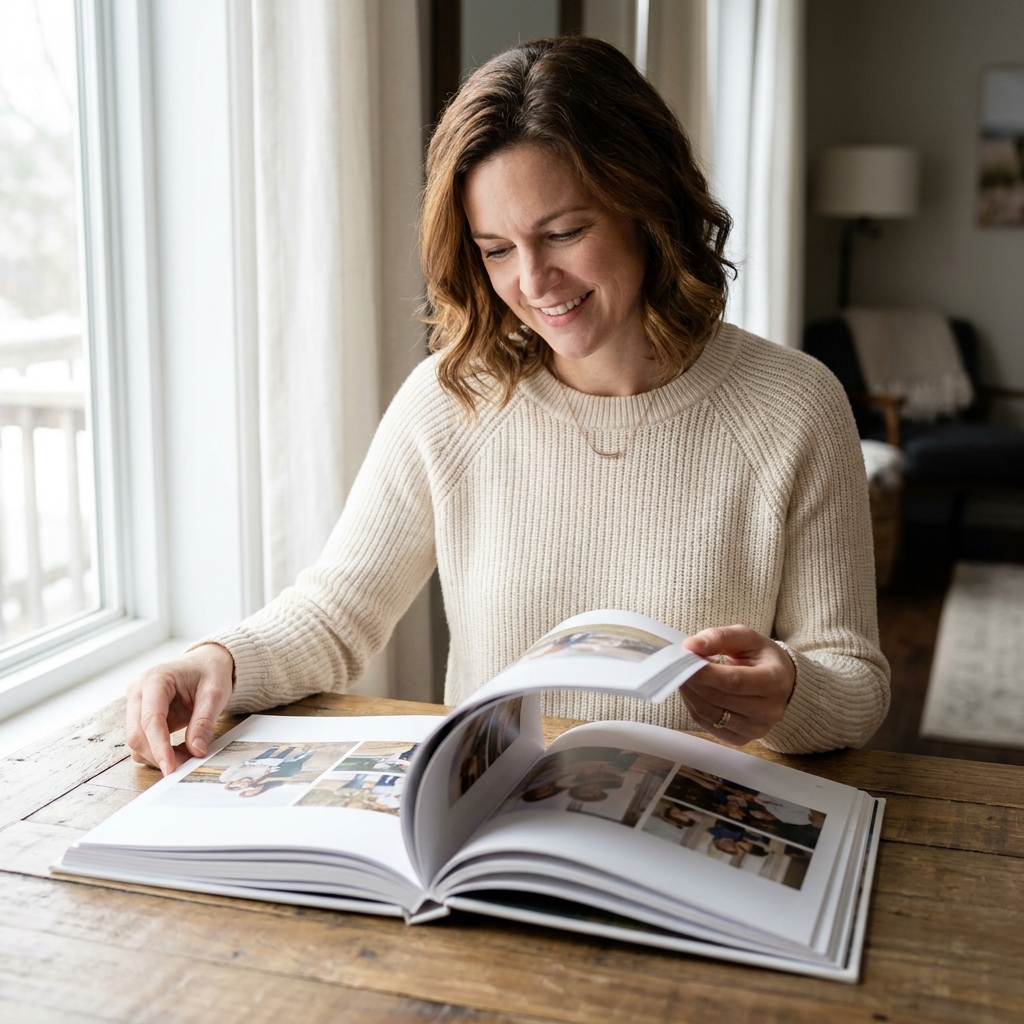
Below is a beginner-friendly way to read contemporary photography books without turning it into homework. Think of it as learning to hear the music in the sequencing, and then spotting the moments where the beat changes.
What makes a photobook "contemporary"
When people say contemporary photography books, they often mean work made from the late 20th century through now. Other times they mean books being published right now, often by living artists. Either way, the more useful definition is about approach.
- Concept-driven storytelling: A clear idea or question shapes the project, even if the images feel quiet or everyday.
- Sequencing as narrative: The order of images is not just a gallery on paper. It's the plot.
- Design as meaning: Paper, trim size, typography, and white space are part of the voice.
- Ambiguity on purpose: Contemporary photobooks often leave space for you to participate, like literary fiction does.
If older photography books can feel like monuments, contemporary ones often feel like diaries, investigations, arguments, or poems.
Stop reading like a museum
A museum trains us to treat each image as a separate masterpiece. Photobooks ask for something closer to reading a novel. You can linger, of course, but you also want to feel momentum and notice how images talk to each other.
Two permission slips
- You don't need to get it on the first pass. Many photobooks are built to reward rereading.
- You're allowed to respond emotionally first. Analysis comes after the gut reaction, not before it.
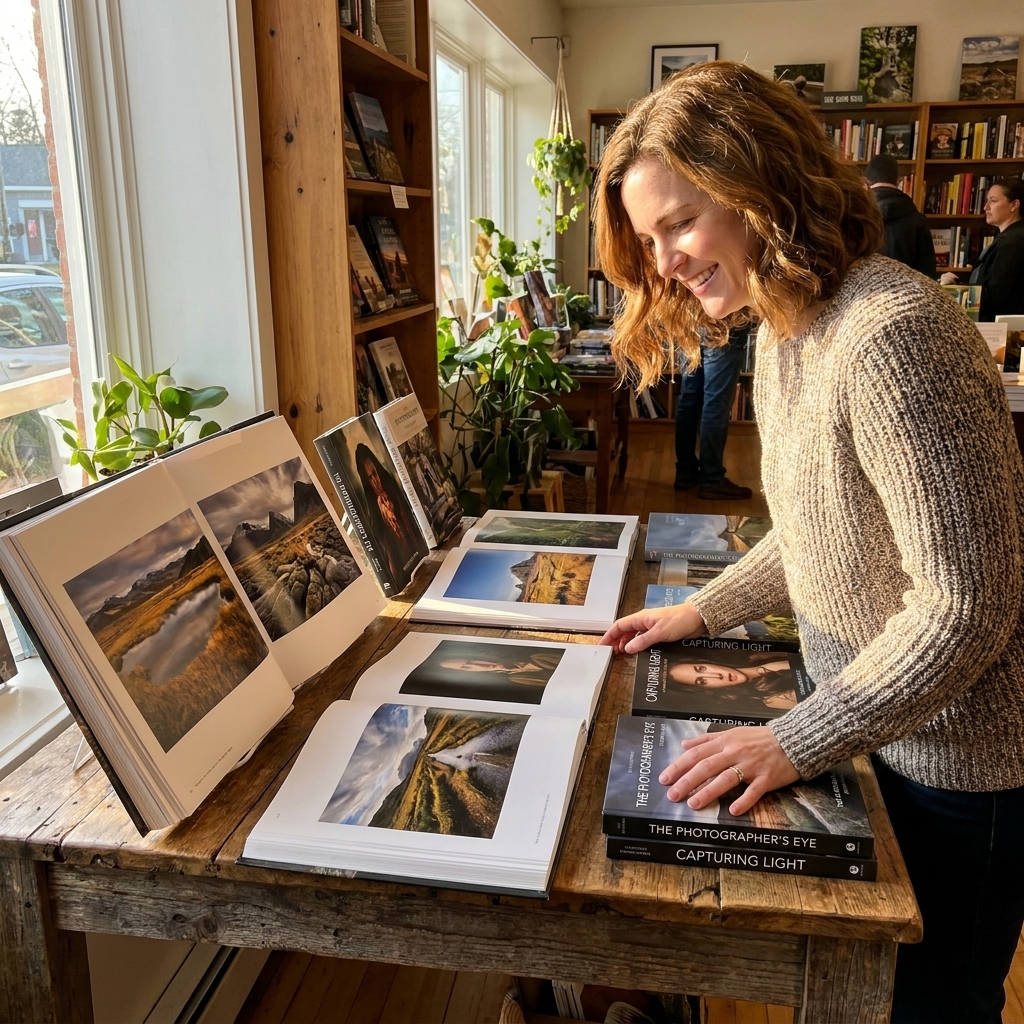
A three-pass method
If you want one practical structure, here it is. Three passes, each with a different job.
Pass 1: Flip-through (2 to 5 minutes)
Yes, really. Flip from beginning to end without stopping much. You're gathering a first impression the way you would from a film trailer.
- What's the dominant mood: tender, clinical, eerie, celebratory, lonely?
- Do you sense a setting or community, or is it more abstract?
- Does it feel fast or slow?
Tip: Notice your body. Do you lean in? Do you hold your breath? A good photobook can be a physical experience.
Pass 2: Slow read (20 to 45 minutes)
Now you give each spread time. This is where you start noticing structure.
- Where do you see clusters of similar scenes or subjects?
- Where does the book switch gears?
- Which images feel like hinges that change the direction?
Pass 3: Meaning pass (10 to 20 minutes)
After you've lived with it a little, ask what the book seems to be saying. Not the literal subject, but the underlying idea.
- What does it suggest about memory, labor, family, desire, landscape, power, time?
- What questions does it leave unanswered on purpose?
- What is the final image doing: closing a door, opening one, or refusing to end?
A quick example
Say a book starts with bright, social portraits, then moves into empty rooms, then shifts to night streets, and ends on a distant landscape. On pass one, you might just feel the mood sliding from warm to lonely. On pass two, you'd mark that pivot where the people disappear and space takes over. On pass three, you might realize the book isn't only about a town, it's about what happens after the party, or how memory turns places into ghosts.
Sequencing as plot
Sequencing is where contemporary photography books do their most novel-like work. Here are beginner-friendly patterns to look for.
1) Openings and entrances
Many books begin by teaching you how to look. The first few images often establish rules: color palette, distance from the subject, level of intimacy, sense of place. Ask: What kind of attention is this book training me to have?
2) Repetition and variation
When a motif repeats, it's rarely an accident. The repetition is the point.
- A repeated doorway can become a theme about thresholds.
- Repeated portraits can shift from individuality to pattern, or the other way around.
- Repeated empty rooms can start to feel like grief, or anticipation.
3) Pacing: quiet and loud images
Think of images as sentences. Some are short and sharp. Others are long and spacious. Books often alternate detail shots with wider scenes to control breath and tempo.
4) The turn
In poetry, a volta is a pivot. In photobooks, you often feel a turn halfway through. The light changes. The subject gets closer. The book becomes more intimate, or more distant. Mark that page. It usually holds the key.
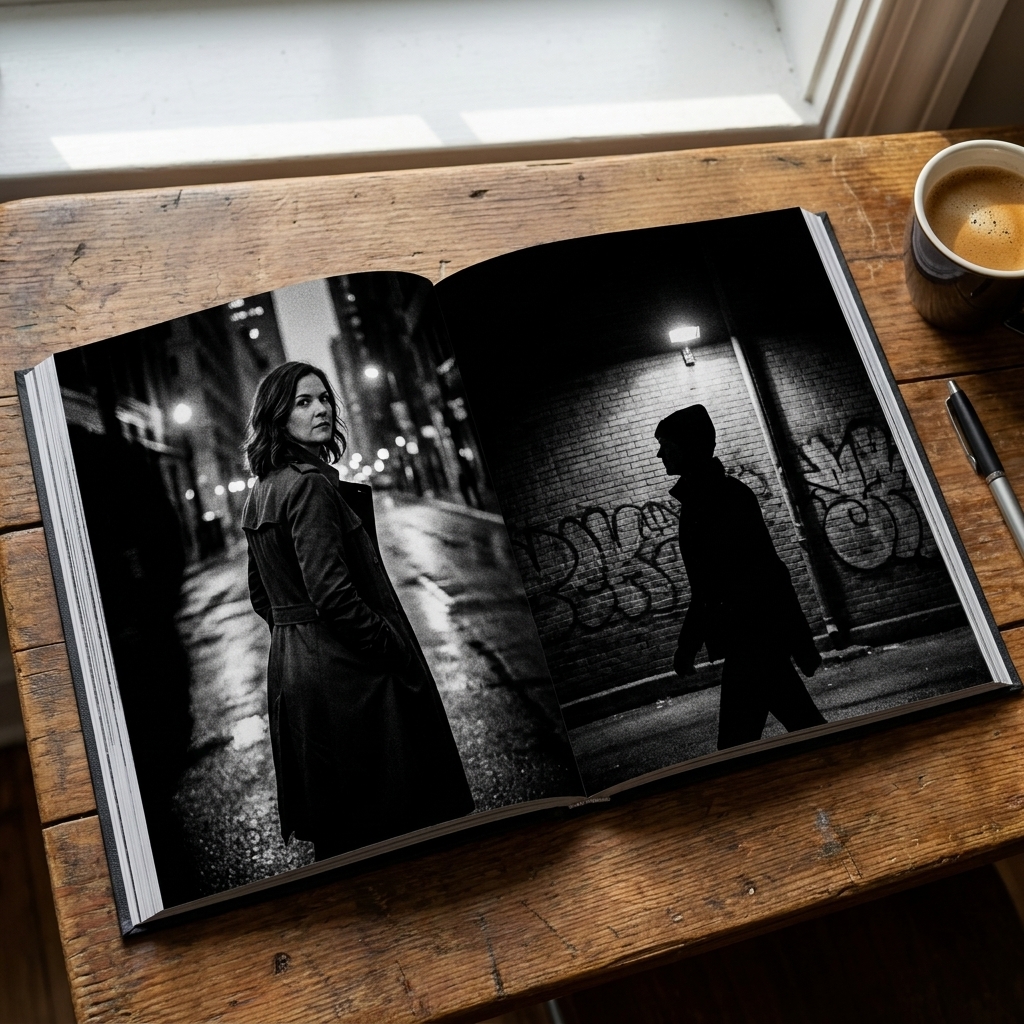
Reading a single photo
You don't need technical jargon to look closely. A few questions will take you far.
Emotional distance
Not just where the camera is physically, but where the photographer seems to stand emotionally. Do they feel like a guest, a witness, a participant, an intruder, a caretaker?
What the photo won't show
Pay attention to edges, cropped bodies, blocked doorways, overexposed windows, or deep shadows. In contemporary work, what's hidden often matters as much as what's revealed.
How time behaves
- Frozen time: crisp detail, a clean decisive moment.
- Slippery time: blur, long exposure, movement, dream logic.
- Layered time: reflections, archival images, screens, rephotography.
Light as tone
Light is the book's emotional weather. Soft morning light suggests one kind of world. Harsh flash suggests another. Try swapping the light in your imagination. If the meaning changes, the light is a main character.
Text and captions
Contemporary photobooks often use text sparingly, which makes every word feel loud. Before you read captions, try a quick experiment: look at a spread, form your own interpretation, then read the caption and see what shifts.
Common text styles
- Factual captions: names, places, dates. These can anchor images in reality, or expose the limits of what "facts" can hold.
- Personal fragments: diary lines, letters, overheard speech. These create intimacy fast.
- Essay or artist statement: sometimes at the beginning, sometimes tucked at the end like an aftertaste.
- No text at all: which is also a choice, and often a dare.
Beginner move: If the book has an essay at the back, try reading the images first. Then read the essay and do a second flip-through. It's like rereading a novel after you learn the secret.
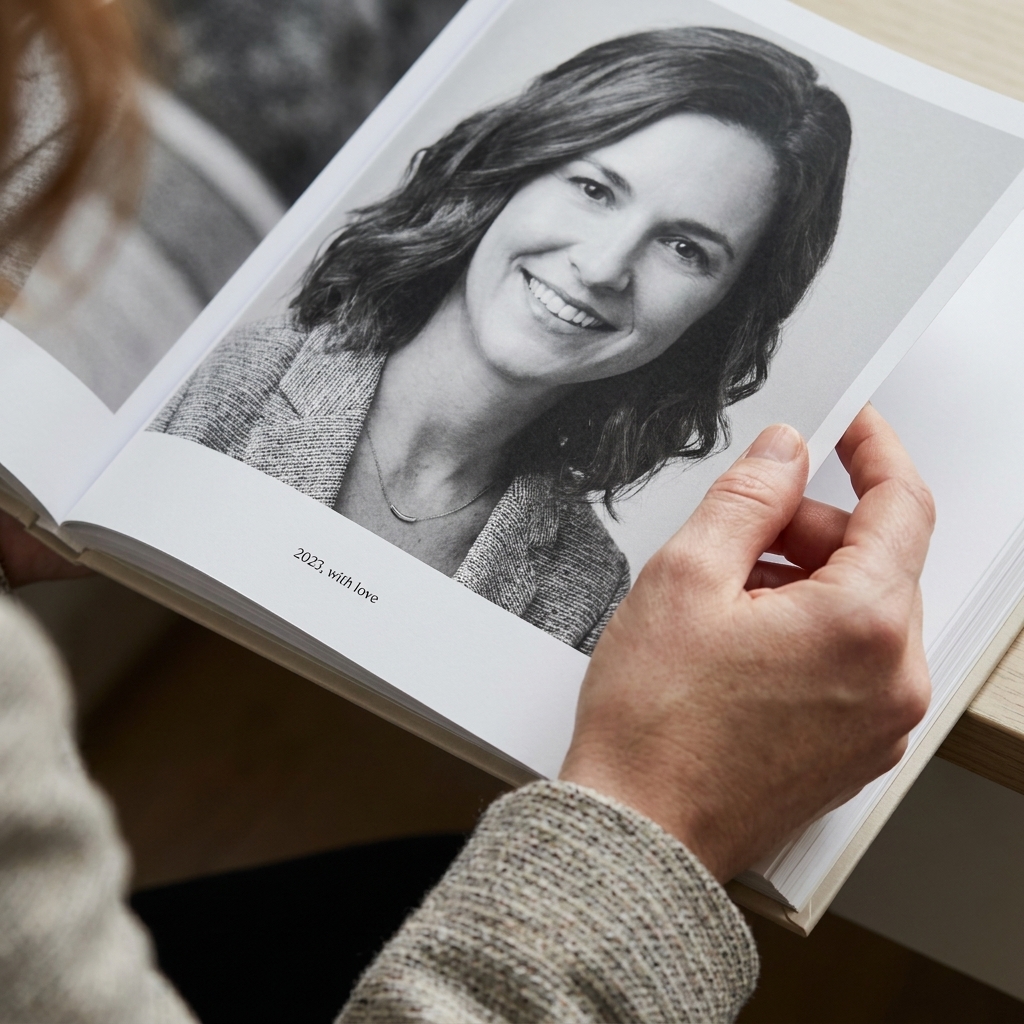
Design tells the story
As a former bookstore manager, I can tell you this with my whole chest: photobooks are some of the best-designed objects on the shelves. And the physical choices are not just pretty. They're narrative tools.
What to notice
- Cover and binding: A clothbound cover can feel archival. A glossy paperback can feel immediate, like a zine's sophisticated cousin.
- Paper: Matte paper can soften an image and slow you down. Glossy paper can sharpen and intensify.
- Scale: Tiny books create secrecy and intimacy. Large books can feel like a public statement.
- White space: Generous margins can feel like silence. Full-bleed images can feel immersive or confrontational.
- Pairing across a spread: Two images facing each other is a conversation. Ask what argument they're having.
If you want to train your eye, choose one design element and track it through the whole book. You'll be amazed at how coherent even the most random-feeling photobooks become.
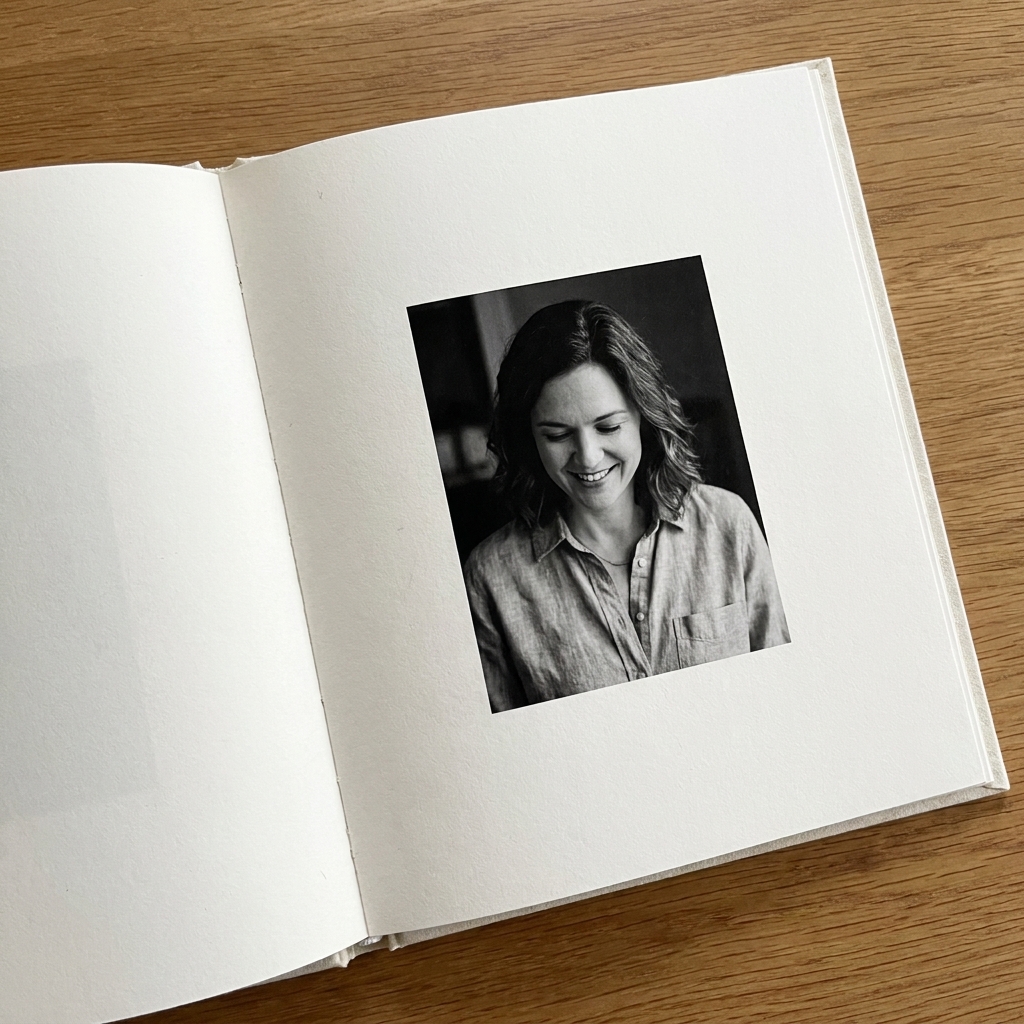
Common book types
These are not strict categories, but they help beginners find their footing.
Documentary with a point of view
Still rooted in real places and lives, but less interested in neutral coverage and more interested in a stance. The photographer's presence is part of the truth.
Autobiography and family archive
Personal photographs, found snapshots, letters, and ephemera woven together. Often tender, sometimes brutal. These books ask: Who gets to tell a family story?
Typologies and collections
One repeated subject photographed many times: bedrooms, storefronts, clouds, hands, parking lots. The pleasure is in tiny differences, and in what the pattern reveals about culture.
Staged narratives
Scenes are arranged, lit, costumed, or directed. These books blur the line between photography and fiction, and they can be cinematic in the best way.
Conceptual and experimental
These might use screenshots, surveillance imagery, appropriated photos, or nontraditional printing. They're often about how images behave in the modern world.
Editions and reprints
A practical thing beginners do not always hear: different editions can feel like different books. A first edition and a later reprint might use different paper, a different printer, new scans, or subtle sequencing changes. None of this makes one automatically better, but it can change contrast, color, and pacing.
- If a book feels muddy or overly sharp, check whether you are looking at a later printing or a budget edition.
- If you love a book, note the publisher, year, and edition details. You'll thank yourself later.
Ethics and sensitive work
Some of the most powerful photobooks deal with vulnerable people, family conflict, trauma, or private spaces. It's okay to ask ethical questions while still letting the work land emotionally.
- Consent: Does the subject seem to know the camera is there? If not, what does that choice do to the story?
- Power: Who benefits from these images? Who might be exposed by them?
- Context: Does the book offer enough framing to avoid turning people into symbols?
These questions aren't about scolding. They're part of reading the book like an adult, with your eyes open.
A reusable worksheet
If you want a simple way to build confidence, copy these prompts into your notes app the next time you sit down with a photobook.
- First feeling: What emotion did I feel in the first 10 pages?
- Setting: Where are we, and how certain am I?
- Main motifs: What repeats at least three times?
- Relationship to people: Intimate, distant, collaborative, observational, tense?
- Time: One day, many years, a loop, a memory?
- Turning point: Where does the book shift?
- Ending: What does the last image do to everything that came before?
- One sentence: If this book were a short story, what would the last line be?
Build your taste
Taste is pattern recognition plus permission to like what you like. Here are a few gentle ways to grow your visual vocabulary.
The three-book method
- One book that comforts you (a clear narrative, a strong sense of place)
- One book that challenges you (abstract, conceptual, or structurally odd)
- One book that surprises you (a zine, a small press, a thrifted find)
Reread, don't just consume
Photobooks reward return visits. The second reading is often where the story actually lands.
Follow the credits
If you find one book that clicks, check the publisher, designer, and printer. Contemporary photobook culture is wonderfully interconnected, and those threads can lead you to your next obsession.
A tiny starter stack
If you want a few widely loved entry points across styles, here are some solid directions to explore. Consider this a map, not a syllabus.
- Alec Soth, Sleeping by the Mississippi: lyrical documentary, friendly to beginners, great sequencing.
- Daido Moriyama, Bye Bye Photography or Shinjuku: high-energy street work, a masterclass in pace and repetition.
- Sally Mann, Immediate Family: intimate and ethically complicated, a strong case for slow looking and context.
- Rinko Kawauchi, Illuminance: quiet everyday poetry, beautiful use of light and breath.
- Laia Abril, On Abortion: concept-led documentary with text and structure doing heavy lifting.
If you are browsing in person, try reading just the first ten pages of a few different books. Your body will tell you which one wants your attention.
FAQ
Do I need camera knowledge?
No. Technical knowledge can be interesting, but it isn't required. Start with mood, sequencing, and what the images are doing emotionally. If you get curious later, technical details will have somewhere to land.
Why do some books feel random?
Because they're often built on association rather than plot. Like a lyric essay, they connect images through echo, contrast, and repetition. If you track motifs and turning points, the structure usually reveals itself.
Is it okay if I don't like a famous book?
Absolutely. Photobooks are intimate experiences. Some are meant to be uncomfortable. Some simply will not match your taste. The goal isn't to pass a test. The goal is to find work that changes how you see.
Essay first or last?
If you're a beginner, try images first, text last. Then do a quick second flip-through. You get the pleasure of discovery, and the essay becomes conversation rather than instruction.
A next step
The best way to learn contemporary photography books is to spend time with them in the wild. Visit your library. Linger in the art section of an indie bookstore. Let a cover or a single spread pull you in. And when you find a book that makes your brain go pleasantly quiet, give it a second read. That's where the magic usually lives.
If your publication format allows it and you want a tailored path, share one photobook you've tried, or even just the vibe you're after, and I can suggest a few directions to explore next.