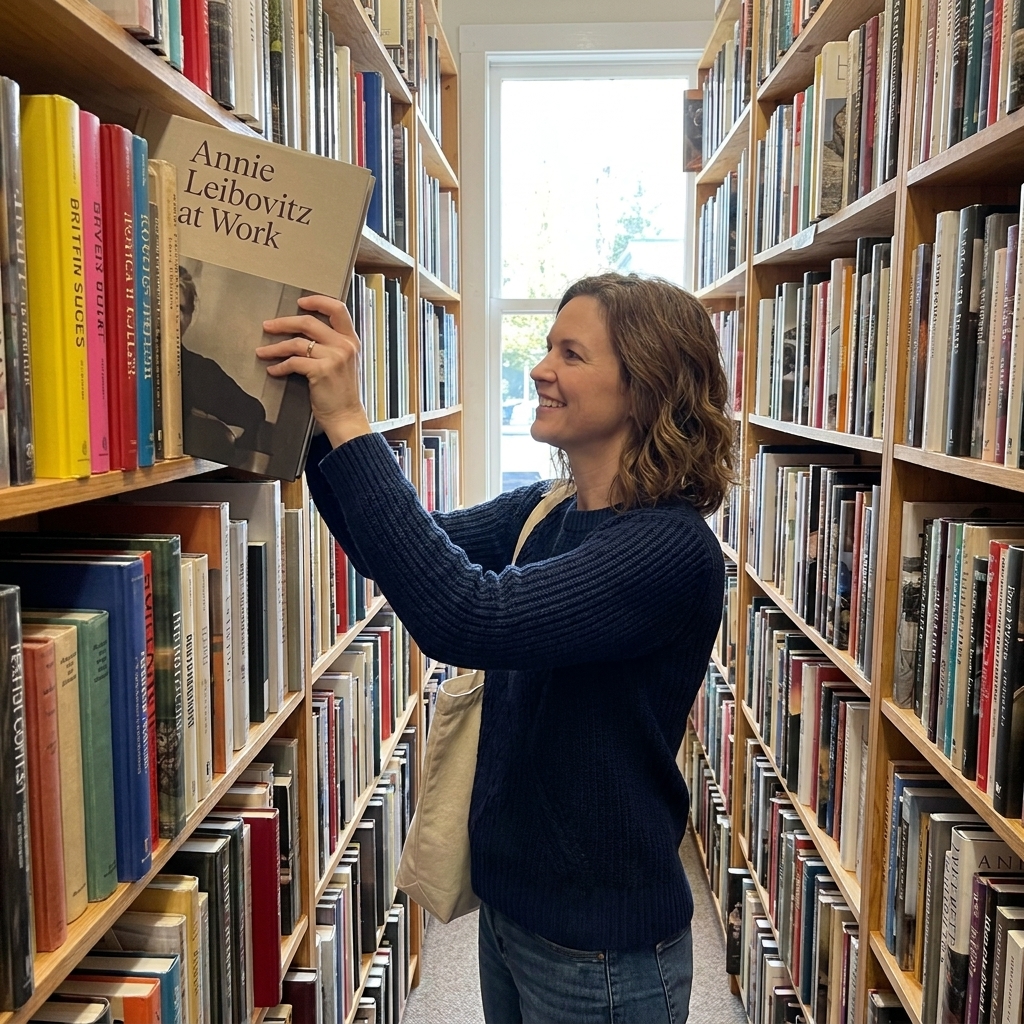
Some books are pure company. They sit on your table like a quiet invitation, catching the light, sparking a conversation, and then, when the room goes calm again, giving you a private little museum visit between covers.
As a former indie bookstore manager and a person with a truly reckless weakness for handsome hardcovers, I’m picky about what counts as a worth-it coffee-table book. I want print quality you can feel, design that respects the art, and enough context to make the images stick in your mind long after you close the book.

Below are ten stunners that deliver on visual appeal and historical value, with notes on why they belong in a collector’s orbit and what to look for when buying. Where edition details get messy, I call out specific editions and publishers to anchor your search, plus what to verify so you can buy with confidence.
What makes a coffee-table art book worth collecting
You do not need to be precious about it, but a few details separate a glossy impulse buy from a book you will keep for decades.
- Reproduction quality: Look for crisp plates, rich blacks, faithful color, and paper that feels substantial rather than slick in a disposable way.
- Design and pacing: Great art books have rhythm. White space, sequencing, and scale are part of the experience.
- Editorial voice: The best companion essays are clear, grounded, and do not talk down to you. They teach you how to look.
- Edition details: First editions, limited runs, and reputable publishers can matter for long-term value. So can simply buying the best-printed edition available.
- Longevity: Trends fade. Craft, influence, and historical documentation do not.
Quick collector basics
- First edition vs later printing: A first edition is the first time a book is published in that form. A later printing can be identical in content but less desirable for collectors. Check the copyright page.
- Slipcase and clamshells: A slipcase is both protection and part of the package. If a listing says “complete,” it should include it.
- Signed vs unsigned: Signed copies can command a premium, but only if the signature is verifiable and not a bookplate mystery.
- Common flaws to spot fast: Sunning (fading on the spine), rubbed boards, bumped corners, loose signatures (pages separating in chunks), and foxing (speckled spotting).
The 10 books
1) Humans of New York (Brandon Stanton)
Why it earns its place: This is street portraiture with a novelist’s ear. The photographs pull you in, and the snippets of story turn each spread into a tiny, human-scale short story. It is also an unexpectedly powerful document of a city in motion.
Edition details to know: St. Martin’s Press (US) editions are common; there are multiple printings. For collecting, confirm which volume you are buying (Humans of New York vs later companion volumes).
Collector’s note: Because it is widely available, condition matters more than scarcity. Look for a clean jacket, tight binding, and corners that are not chewed up. This is a book people actually flip through, which is the highest compliment and also hard on edges.

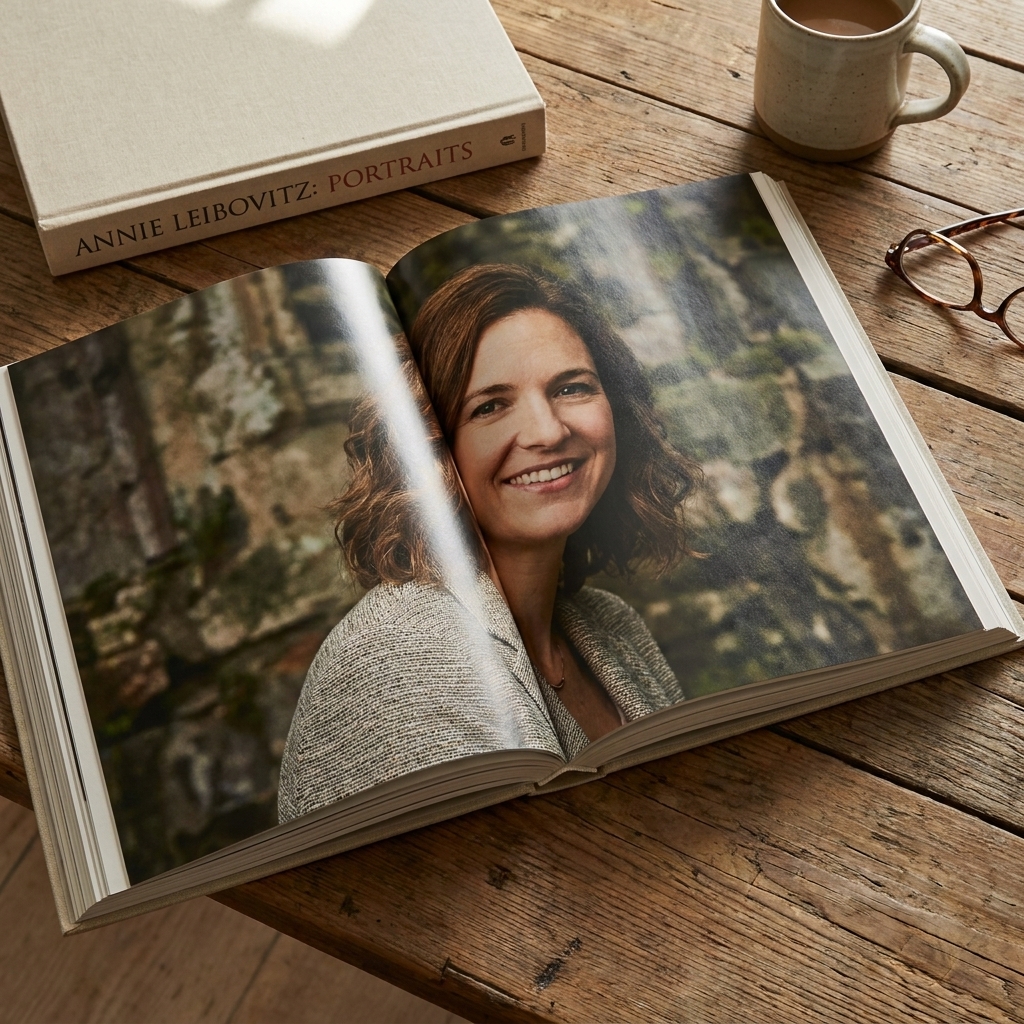
2) Annie Leibovitz: Portraits 2005–2016 (Annie Leibovitz)
Why it earns its place: Leibovitz portraits are cultural memory. Even when you think you have “seen” these images, the book format changes the encounter. The scale and sequencing show you her range, from celebrity iconography to intimate, quiet frames.
Edition details to know: The widely collected hardcover of Annie Leibovitz: Portraits 2005–2016 is published by Phaidon (2017). Regional variants and later printings exist, so if you are buying online, match the exact title and year on the copyright page to avoid an accidental near-miss.
Collector’s note: Prioritize editions with strong print fidelity. This is one where production values make a visible difference, especially in skin tones and shadow detail. Also check for jacket rub and spine sunning, both common on big, frequently handled books.
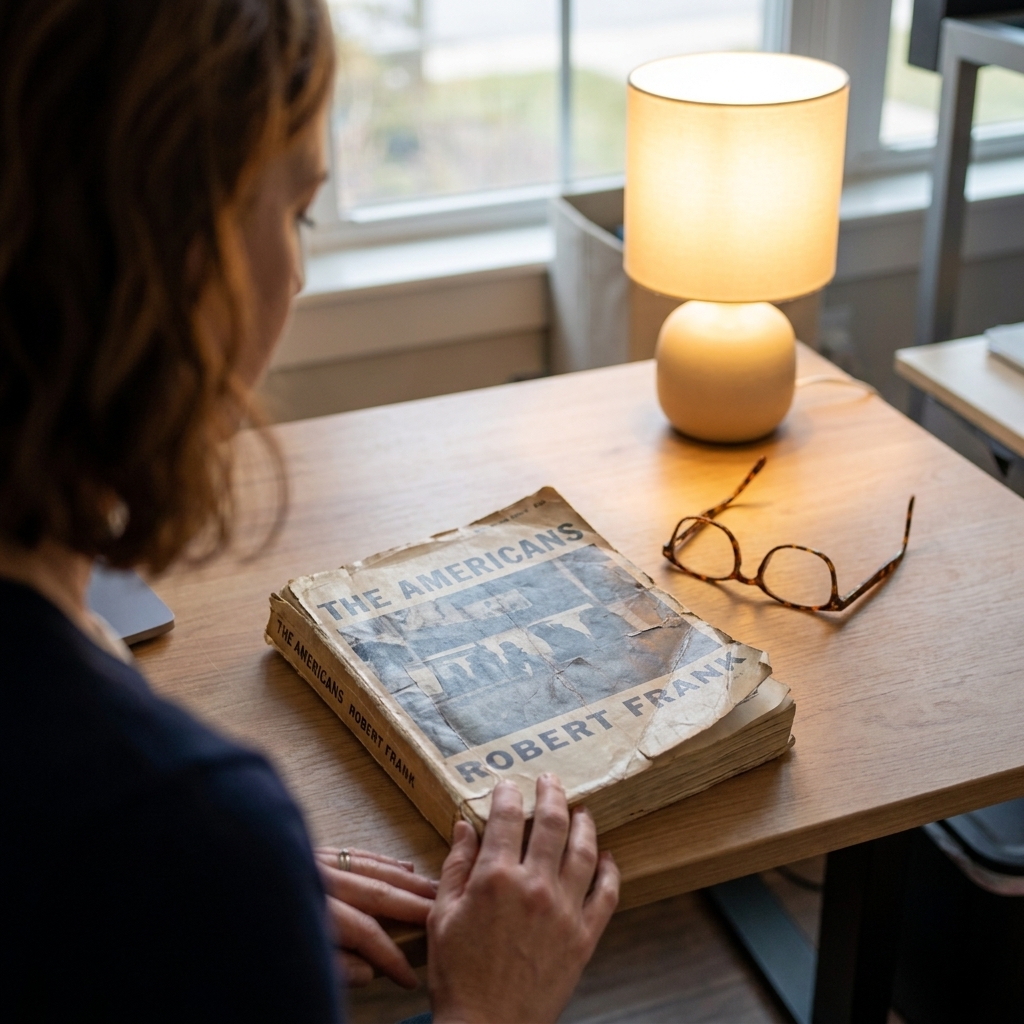
3) The Americans (Robert Frank)
Why it earns its place: Few photography books have this kind of aftershock. Frank’s road-trip gaze is restless, tender, and sometimes bruising. It shaped documentary photography the way certain novels rewire what fiction can do.
Edition details to know: If you want the classic US book as a historical object, the anchor edition is the Grove Press first edition (1959), with the Jack Kerouac introduction. For a modern, collector-friendly benchmark, look for the Steidl edition The Americans (Steidl, 2008). It is widely circulated, well produced, and clearly identified in listings by publisher and year. As always with this title, verify the publisher and publication year on the copyright page, and check whether the Kerouac introduction is included if that matters to you.
Collector’s note: If you are collecting seriously, buy from a reputable photo-book dealer and verify against a bibliography. If you are collecting to live with it, choose a strong modern edition in excellent condition and let it change the way you look at everything from diners to parades.
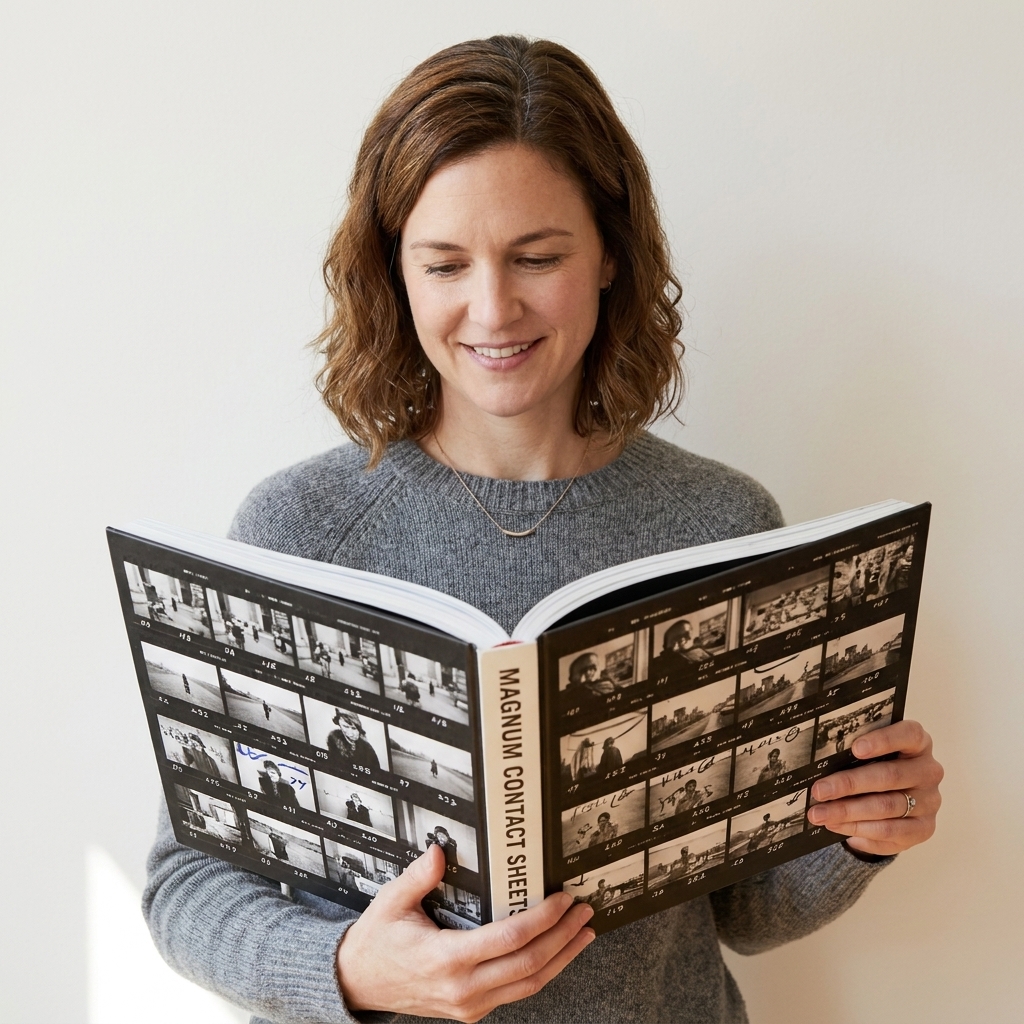
4) Magnum Contact Sheets (Magnum Photos)
Why it earns its place: This is photography as process, not just product. Seeing contact sheets teaches you how images are made, including the near misses, the alternate frames, the moment the photographer chooses as the moment. It is endlessly re-browsable.
Edition details to know: The best-known hardcover is published by Thames & Hudson (often credited to Thames & Hudson in the UK, with Aperture associated with US distribution on some copies). Because credits can vary by region and printing, confirm the exact publisher line on the title page and copyright page, especially if you are comparing listings.
Collector’s note: Because it is hefty and frequently handled, check the binding and the hinge areas carefully. This one is a true “leave it out” book for guests who swear they “aren’t really into photography” and then spend forty minutes hovering over a spread.
5) Jamie Hawkesworth: Preston Bus Station (Jamie Hawkesworth)
Why it earns its place: A single place becomes a whole universe. Hawkesworth photographs people with a kind of patient dignity, and the setting turns into a stage where ordinary life feels quietly epic.
Edition details to know: The sought-after first edition was published by MACK (2014). Similar-looking reprints and listings float around, so if you care about the first run, confirm: MACK as publisher and 2014 on the copyright page. If you are buying online, ask for a photo of that page.
Collector’s note: If you see this at a fair price in excellent condition, consider grabbing it. Check for bumped corners and scuffing, which show up fast on matte boards. Store it flat or upright with solid support to prevent warping.
6) Helmut Newton: Sumo (Helmut Newton)
Why it earns its place: This is the grand, operatic side of fashion photography, printed at a scale that feels like stepping into a gallery. Love Newton or argue with him, this book is a landmark of production and provocation.
Edition details to know: The original legendary edition is TASCHEN (1999), famously produced with a Philippe Starck bookstand. TASCHEN has also released later editions and formats, including more accessible versions. Confirm what is included, because “complete with stand” is not a small detail here. It is part of the point and part of the value.
Collector’s note: Be honest about your space. A book this size deserves a stable surface and room to be opened safely. Also avoid stacking heavy items on top of it long-term, since pressure can stress the spine and boards.
7) Georgia O’Keeffe (TASCHEN)
Why it earns its place: O’Keeffe’s work is often reduced to a few greatest hits. A well-produced survey reminds you how broad her vision was: bones and blooms, deserts and doorways, abstraction and clarity, all in conversation.
Edition details to know: TASCHEN has published more than one O’Keeffe book, so do not rely on the cover alone. A solid anchor edition to look for is Georgia O’Keeffe by Kristin Schwain (TASCHEN, 2020). TASCHEN also issues different sizes (including XL formats) that may share similar titling. Confirm the author name, publisher, and year on the copyright page to make sure you are buying the exact survey you want.
Collector’s note: In my experience, TASCHEN has a strong reputation for high-quality printing at approachable price points, especially in their core art series. Still, compare formats if you can. Color reproduction and paper stock can vary by size and printing. The best edition is the one you will actually open.

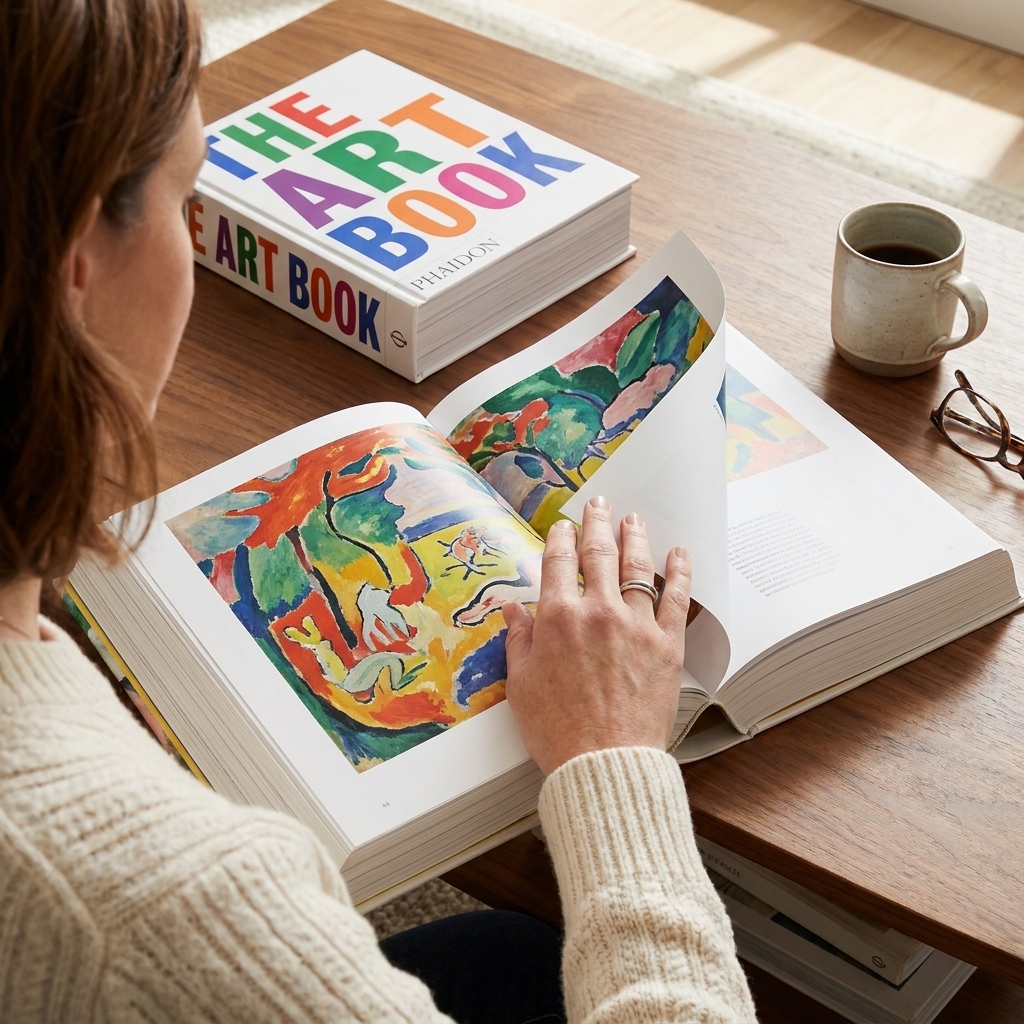
8) The Art Book (Phaidon)
Why it earns its place: If you want one handsome, browsable survey that can spark a thousand rabbit holes, this is a classic. It is structured like a visual glossary of major artists, which makes it perfect for dipping in and out.
Edition details to know: A dependable anchor is The Art Book (Phaidon, 1994). Phaidon has released later editions and updated versions with different cover treatments. If you are buying used, confirm you are getting the main alphabetical survey called The Art Book, and not a similarly named spin-off.
Collector’s note: This is a sturdy gateway volume for a home library. It is also a smart gift book. Buy it new or used, but make sure the spine is strong and the pages are clean, since it tends to be a face-up, frequently opened book.
9) Art Deco Complete (Alastair Duncan)
Why it earns its place: Art Deco is one of those styles people think they know until they see the global range: architecture, furniture, jewelry, posters, and that specific brand of glamour that still influences everything from film sets to cocktail bars.
Edition details to know: An anchor edition to seek out is Art Deco Complete by Alastair Duncan (Thames & Hudson, 2009). Multiple printings exist, and design histories can have subtle differences in paper and color between runs. If you can, compare copies in person.
Collector’s note: Condition matters for heavily illustrated books. Check for crisp pages, accurate color, and no mildew smell. If you thrift this, you may find earlier printings that feel especially lush, which is a small miracle.
10) The National Parks: An American Legacy (National Geographic)
Why it earns its place: Landscape photography can be pure escapism, but this book pairs sweeping beauty with a real sense of stewardship and history. It is the kind of volume you open on a rainy day and suddenly you can smell pine needles.
Edition details to know: The commonly collected hardcover is published by National Geographic (2016). National Geographic has released other similarly titled parks volumes, so match the exact title and year on the copyright page. If you are hunting a specific look and feel, check whether your copy is a first printing or a later reprint, since paper and saturation can vary slightly across runs in big, heavily illustrated books.
Collector’s note: Look for strong binding, because these tend to be thick with heavy paper. If you display it, keep it away from direct sun to protect those saturated skies and deep greens.

Buying tips
- Prioritize the best printing over the rarest printing: Unless you are collecting for resale, your daily joy comes from image quality.
- How to scan the copyright page fast: Check three things: the publisher line, the publication year, and the printing number line (often a row of numbers where the lowest number tells you the printing). If a listing will not show this page for a pricey book, move on.
- Check the jacket, corners, and boards: Coffee-table books get bumped. Look for a sharp jacket, clean corners, and minimal rubbing on the boards.
- Look for sunning and foxing: Faded spines and speckled spotting can signal long light exposure or poor storage.
- Beware humidity and heat: Warping and rippling pages are common in large-format books. Store them in a dry, stable space.
- Mind the weight: Oversized volumes can slump if stored upright without support. Use bookends or store very heavy books flat.
- Buy from good sources: Used bookstores, estate sales, museum shops, and specialty photo-book dealers are gold. Online, stick to sellers who photograph the actual copy and show the copyright page for high-value titles.
- Watch for counterfeits: If a “deal” looks too good on a premium book, it often is. Compare ISBN, publisher marks, and print quality, and avoid listings with vague photos.
FAQ
Are coffee-table books a good investment?
Some are, in the strict collector sense, especially limited editions and influential photo books that go out of print. But the best investment is often personal: a book you return to for years, that teaches your eye something new, and that makes your home feel more like yours.
How do I keep large art books from getting damaged?
Keep them out of direct sunlight, avoid damp areas, and support oversized volumes either flat or upright with bookends so the spine does not slump. If a book comes with a slipcase, use it. For truly massive books, avoid long-term stacking pressure and give the boards room to breathe.
What if I want one starter book before I splurge?
The Art Book from Phaidon is a friendly, handsome starting point. If you want something more narrative and people-focused, Humans of New York is a guaranteed page-turner for guests and for you.