Some books feel like doors. You open them expecting a story, and you walk out with a new way of seeing your friends, your family, your younger self, the stranger on the bus, the shape of a whole century. When people ask me for “literary fiction must-reads,” I try to steer away from homework vibes and toward that door-opening feeling.
Below are 15 timeless literary fiction novels that earn their keep, whether you are building your first serious shelf or shaking dust off your reading life. I picked a blend of classics and modern works that still spark conversation, still break hearts, still make you pause mid-page just to breathe.
Classics that still feel current
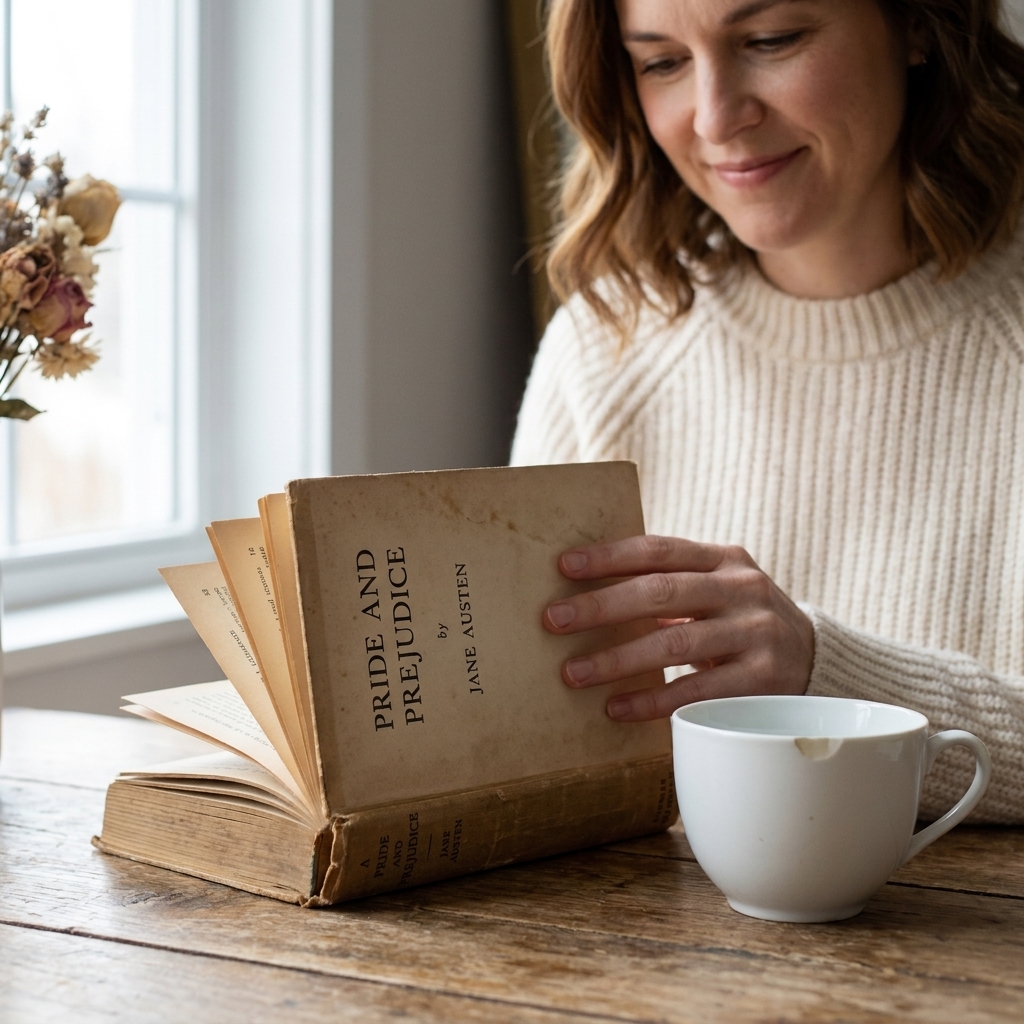
1) Pride and Prejudice by Jane Austen
If you have been told this is only about marriage plots, I want you to know it is also a razor-sharp comedy of manners and an unexpectedly tender story about learning to see clearly. Elizabeth Bennet remains one of literature’s great companions, witty and stubborn and more vulnerable than she wants to admit. It is romantic, yes, but it is also about pride as self-protection and prejudice as social reflex.
- Why it belongs on your shelf: Few novels balance satire and sincerity this well.
- Best for: Readers who want sparkle on the surface and steel underneath.
2) Middlemarch by George Eliot
This is the book I recommend when someone says, “I want a novel that feels like a whole world.” Eliot writes with such humane intelligence that even your least favorite character gets a moment of understanding. Love, ambition, money, gossip, medicine, reform, marriage, regret, all of it stitched into a town that feels startlingly real.
- Why it belongs on your shelf: It is a masterclass in empathy and social observation.
- Best for: Readers who like slow-burn immersion and big emotional payoffs.
3) Anna Karenina by Leo Tolstoy
Tolstoy gives you a tragic love story and then quietly hands you an entire philosophy of how people justify their choices. Anna is magnetic, complicated, and doomed in a way that feels less like melodrama and more like watching a social machine tighten its gears. Alongside her, you get Levin’s searching, earthy, frequently messy attempt to live a meaningful life.
- Why it belongs on your shelf: It captures desire, shame, and social pressure with startling modern clarity.
- Best for: Anyone who likes character-driven drama with moral weight.
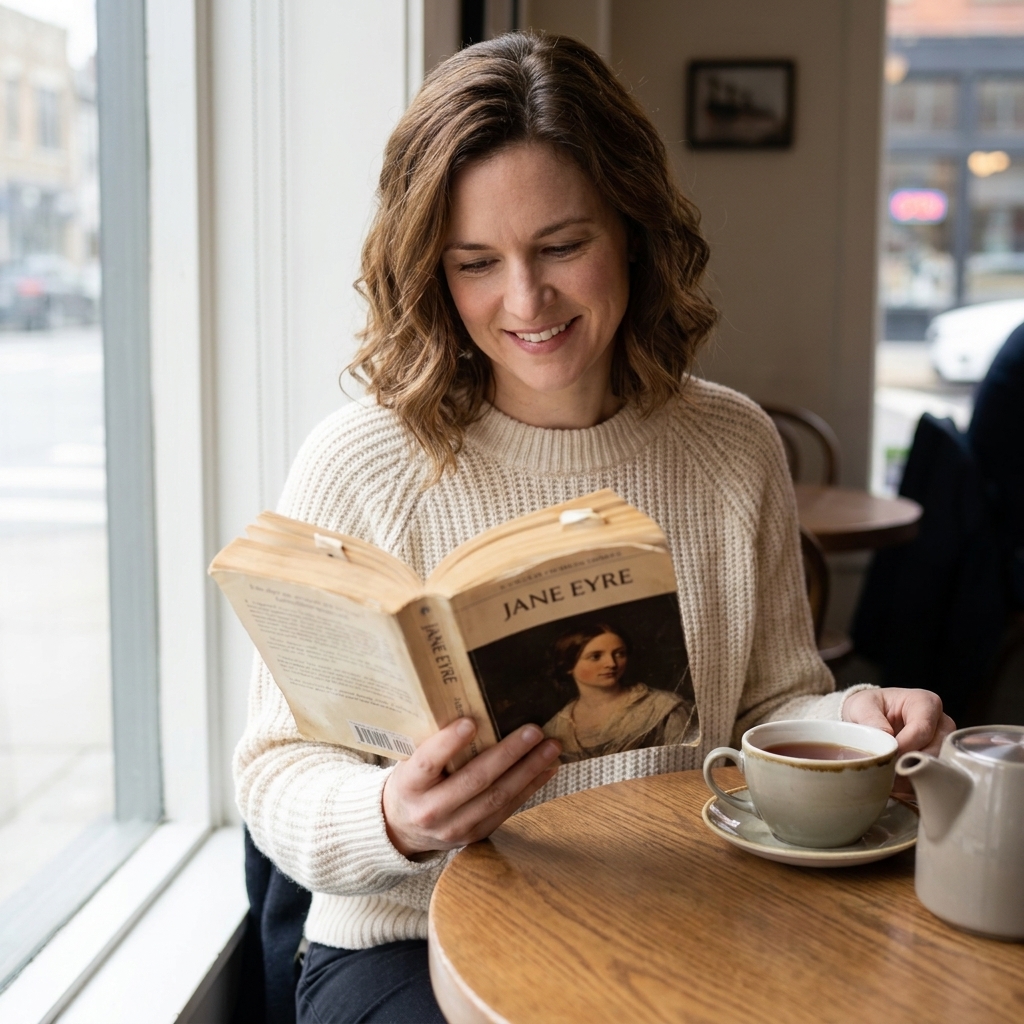
4) Jane Eyre by Charlotte Brontë
Jane’s voice is the hook: intimate, principled, quietly fierce. This is a gothic-tinged coming-of-age story where love is not a prize so much as a test of self-respect. It is also a novel about hunger, in every sense: for safety, for belonging, for beauty, for dignity.
- Why it belongs on your shelf: It is one of the most emotionally direct classics you can read.
- Best for: Readers who like atmospheric storytelling and an unbreakable narrator.
5) Great Expectations by Charles Dickens
If you have only met Dickens through cultural osmosis, this is a wonderful place to actually start. Pip’s longing to become “better” is so recognizable, and the novel’s twists are deliciously propulsive. It also has Miss Havisham, one of literature’s great haunting presences, and a portrait of shame that cuts deeper than you expect.
- Why it belongs on your shelf: It is page-turny, funny, and surprisingly brutal about self-deception.
- Best for: Readers who want classic lit with narrative momentum.
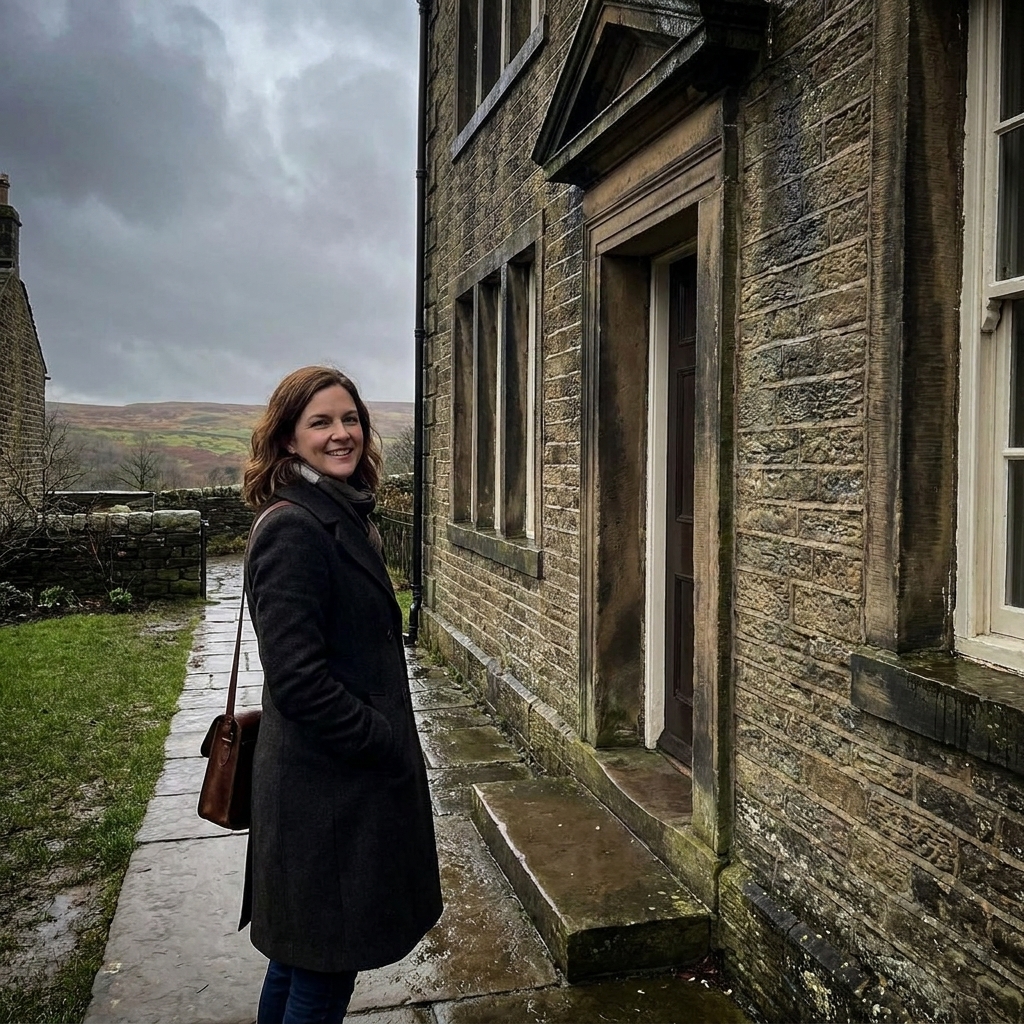
6) Wuthering Heights by Emily Brontë
This is not a cozy romance. This is a storm. It is a novel about obsession, cruelty, class, and the way grief can curdle into something feral. If you have ever wanted a book that feels like weather, windswept and relentless, this is it.
- Why it belongs on your shelf: It expands what a love story can look like, for better and worse.
- Best for: Readers who enjoy dark classics and morally messy characters.
20th-century modern classics
Think of this section as books that shaped how the last century writes about the self, society, memory, and power.
7) Mrs. Dalloway by Virginia Woolf
One day in London, a party to prepare for, and a mind that keeps opening into memory like a series of bright rooms. Woolf’s sentences can feel like learning a new dance at first, but once you catch the rhythm, you are inside the emotional texture of being alive. It is a novel about time, identity, and the quiet ache beneath social polish.
- Why it belongs on your shelf: It shows how interior life can be as dramatic as plot.
- Best for: Readers who love voice, mood, and psychological nuance.
8) One Hundred Years of Solitude by Gabriel García Márquez
This book is a feast. It is family saga, myth, political history, and love story braided together with a matter-of-fact sense of magic. The Buendía family’s joys and disasters echo across generations, and somehow it all feels both extravagant and inevitable, like a folk tale told by someone who knows too much.
- Why it belongs on your shelf: It is widely regarded as one of the most influential novels of the twentieth century, and it is wildly readable once you surrender to it.
- Best for: Readers who like sweeping stories and lush, dreamlike realism.
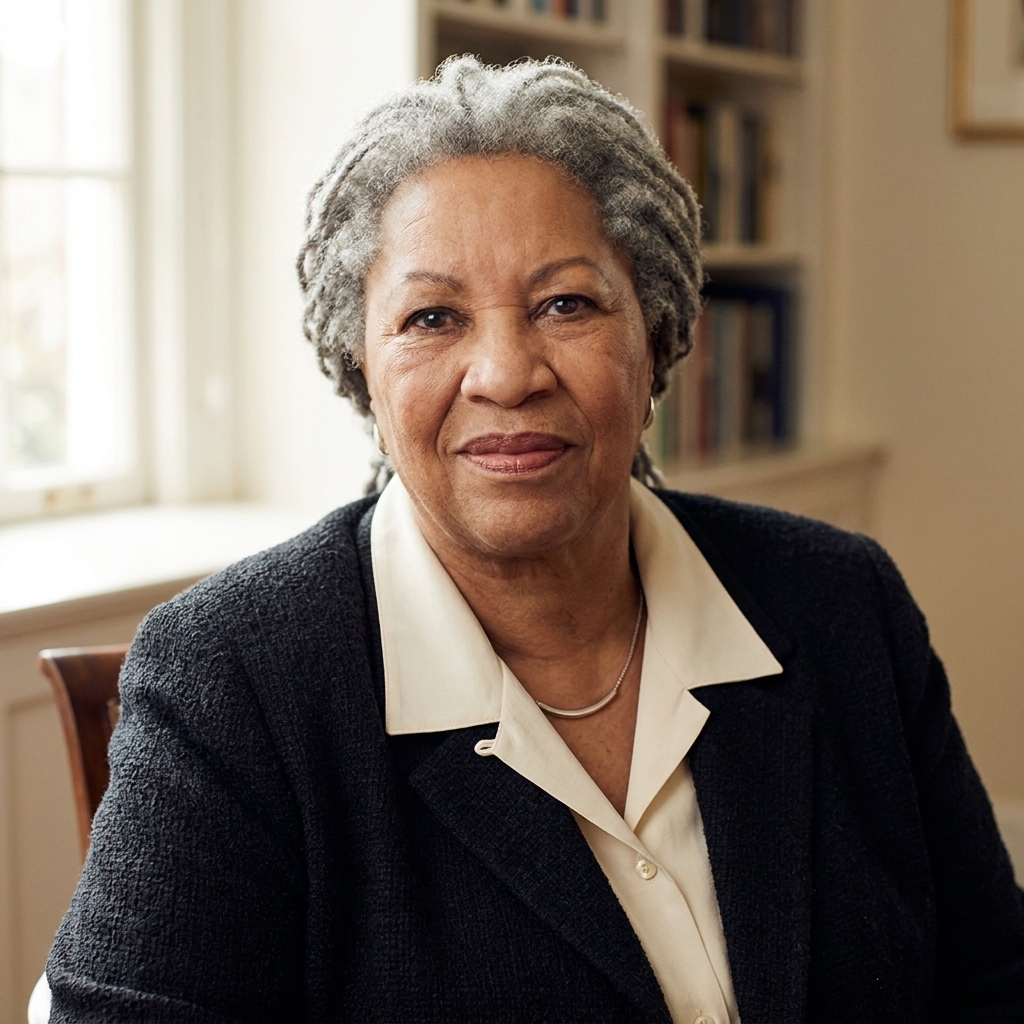
9) Beloved by Toni Morrison
There are books that change you, and Beloved is one of them. Morrison writes with lyric power about the afterlife of slavery, about motherhood, memory, and the way trauma can take up physical space. It is not easy, but it is essential, and it is deeply beautiful in the way truth can be.
- Why it belongs on your shelf: It is widely considered a landmark of American literature that insists on truth without sacrificing artistry.
- Best for: Readers ready for a profound, haunting experience.
10) The Great Gatsby by F. Scott Fitzgerald
Gatsby is short, sharp, and endlessly discussable. It is also a novel that can surprise you on reread, because it changes as you change. On the surface, it is glitter and longing. Underneath, it is a story about reinvention, class, and the American dream as a kind of mirage.
- Why it belongs on your shelf: Fitzgerald’s prose is a masterclass in elegance and sting.
- Best for: Readers who want something concise with maximum resonance.
11) To Kill a Mockingbird by Harper Lee
Many of us meet this book in school, but it is worth revisiting as an adult, when the edges feel sharper. Scout’s voice brings warmth and humor, while the story asks hard questions about justice, empathy, and the stories communities tell themselves to stay comfortable. It is also a book with a long, complicated afterlife: beloved as a teaching text, and critiqued for the way it centers whiteness while telling a story about racial violence. Holding both truths makes the reread richer, not smaller.
- Why it belongs on your shelf: It remains a powerful, widely taught novel for thinking about moral courage, even as readers debate its lens.
- Best for: Readers who appreciate clear storytelling with big ethical stakes.
Late 20th and 21st century essentials
12) The Remains of the Day by Kazuo Ishiguro
Imagine a novel built from restraint, and then imagine how devastating that can be. Stevens the butler is devoted to dignity, duty, and the idea of a life well-managed. Ishiguro lets you feel, slowly and then all at once, how the stories we tell ourselves can become cages.
- Why it belongs on your shelf: It is one of the best portraits of regret in modern fiction.
- Best for: Readers who love subtle emotional turns and unreliable self-narration.
13) The Handmaid’s Tale by Margaret Atwood
Atwood’s dystopia is chilling because, to me, it never feels far-fetched in the way of sci-fi spectacle. It feels like a society that slid, step by step, into cruelty with paperwork and slogans. Offred’s voice is intimate and human, full of fear and sharp wit, and the book’s questions linger long after the last page.
- Why it belongs on your shelf: It is a cultural touchstone that still sparks urgent conversation.
- Best for: Readers who like speculative fiction grounded in social reality.
14) Atonement by Ian McEwan
This is a novel about storytelling itself, about what a single mistake can do to multiple lives, and about the complicated comfort of art. McEwan’s prose has that cool, glassy clarity that makes emotion feel even more intense. If you like books that make you rethink everything you just read, you are in good hands here.
- Why it belongs on your shelf: It is a brilliant meditation on guilt, responsibility, and narrative.
- Best for: Readers who enjoy elegant writing and moral complexity.
15) Pachinko by Min Jin Lee
Some novels remind you that history is not abstract. It lives in families. Pachinko follows a Korean family in Japan across generations, with all the tenderness and heartbreak of ordinary life under extraordinary pressure. It is expansive, compassionate, and extremely hard to put down.
- Why it belongs on your shelf: It turns a sweeping historical canvas into intimate, unforgettable characters.
- Best for: Readers who love multigenerational sagas with emotional immediacy.

How to pick your next read
If you want a simple way to pick, here is my bookstore-floor method:
- Craving comfort with bite: Pride and Prejudice, Great Expectations
- Want a full-life immersion: Middlemarch, Anna Karenina, Pachinko
- Looking for lyrical intensity: Beloved, Mrs. Dalloway, One Hundred Years of Solitude
- In the mood for moral reckoning: The Remains of the Day, Atonement, To Kill a Mockingbird
- Want something dark and atmospheric: Wuthering Heights, Jane Eyre
And if you are in a reading slump, start with the shortest book that genuinely intrigues you. Momentum is a form of magic.
Gentle note: A few of these books deal with heavy material, especially Beloved and The Handmaid’s Tale. If you are feeling raw, it is okay to save them for a steadier week.
FAQ
What makes a book “literary fiction” anyway?
It is less about a strict set of rules and more about emphasis. Literary fiction tends to focus on character, language, theme, and emotional complexity, often leaving room for ambiguity. That said, plenty of books on this list are also suspenseful, funny, romantic, or downright dramatic. “Literary” does not mean “distant.”
Do I have to read these in order?
Absolutely not. Treat this as a menu, not a syllabus. If you bounce off one book, try another, then come back later. Timing matters more than willpower.
Are these all “classics”?
Some are the kind of classics you spot on every school list, and some are modern classics that have already proven they last. My real criterion is re-readability: these are books that keep giving you something new.