
If Batman has ever felt like a locked room full of intimidating continuity, consider this your spare key. The good news is that “modern Batman” has a handful of clear, beloved entry points that read beautifully in collected graphic novel form. Below is a straightforward, mostly chronological path through the most acclaimed stories from the mid-1980s to today, with just enough context to keep you oriented without turning this into homework.
One quick bookstore-manager tip: these are commonly available as trade paperbacks (often called “TPBs”), hardcovers, and occasionally deluxe editions. If you are reading digitally, look for the same titles. If you are browsing shelves, stick to the titles and you will be fine.
How this order works
- Chronological vibe, not strict publication order: This list follows Batman’s modern eras in a way that makes narrative sense for new readers.
- Core path first: The “essential” books build a satisfying arc from Batman’s early career to major modern reinventions.
- Optional detours: Marked clearly, because part of loving Batman is choosing your own level of obsession.
The essential modern reading order
1) Batman: Year One (1987) by Frank Miller and David Mazzucchelli
This is the cleanest “start here” for modern Batman. It is lean, atmospheric, and grounded, with a parallel origin for Bruce Wayne and James Gordon that makes Gotham feel like a real city with real consequences. Mazzucchelli’s art is crisp and humane, even when the story gets dark.
- Why it matters: Defines the tone for decades of Batman storytelling.
- Best for: Readers who like noir, character-driven crime stories, and origin tales that do not feel cheesy.
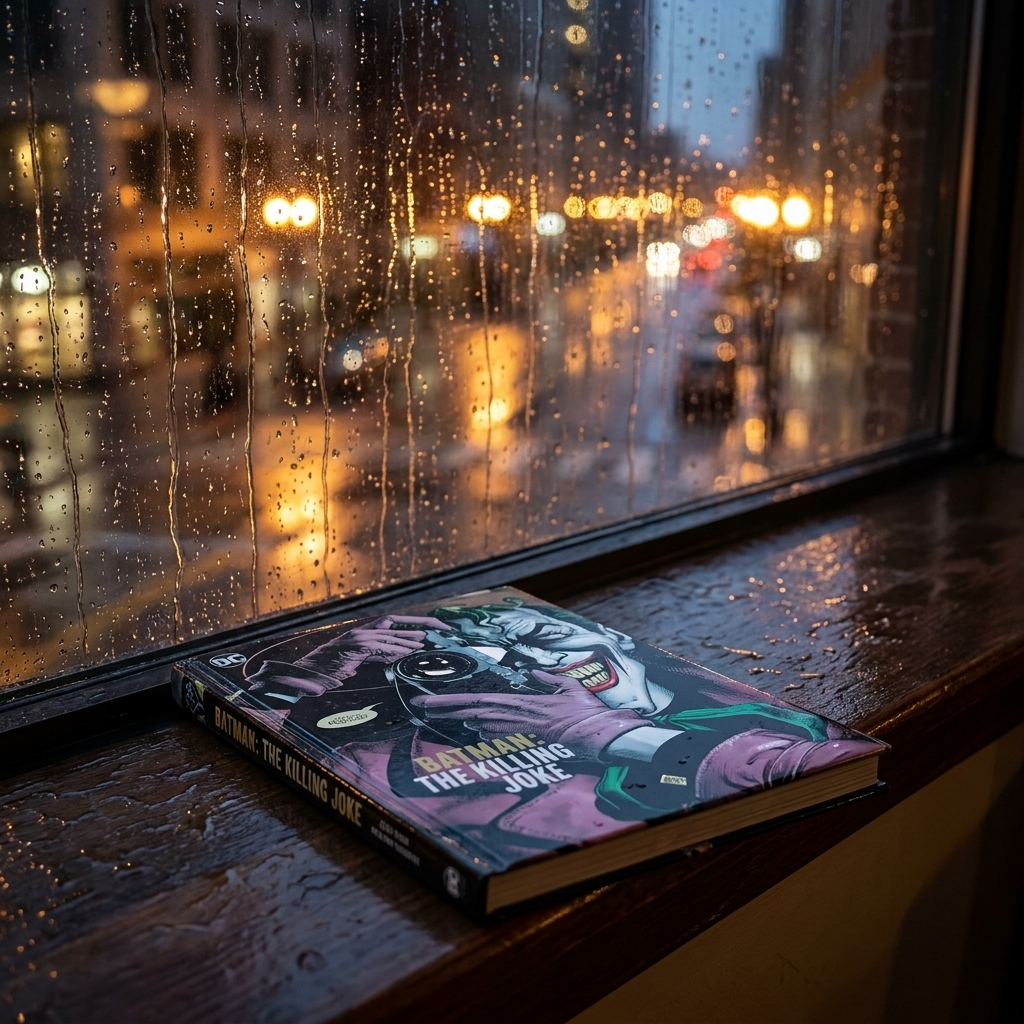
2) Batman: The Killing Joke (1988) by Alan Moore and Brian Bolland
Short, sharp, and hugely influential. It is also bleak. The art is iconic, the Joker is terrifying, and the story has shaped countless later interpretations. Read it once you have Year One under your belt, when you are ready for something that feels like a punch to the stomach.
- Why it matters: A cornerstone Joker story and a major turning point in the modern mythos.
- Content note: Includes graphic violence and implied sexual violence themes.
3) Arkham Asylum: A Serious House on Serious Earth (1989) by Grant Morrison and Dave McKean (optional but acclaimed)
This one is less “plot you follow” and more “experience you tumble through.” Dave McKean’s visuals feel like wandering a haunted gallery installation. It is brilliant, but it is also intentionally disorienting. If you love visual art and comics as an art form, it is a must.

- Why it matters: Expands what a Batman graphic novel can look and feel like.
- Best for: Readers who like symbolism, mood, and experimental storytelling.
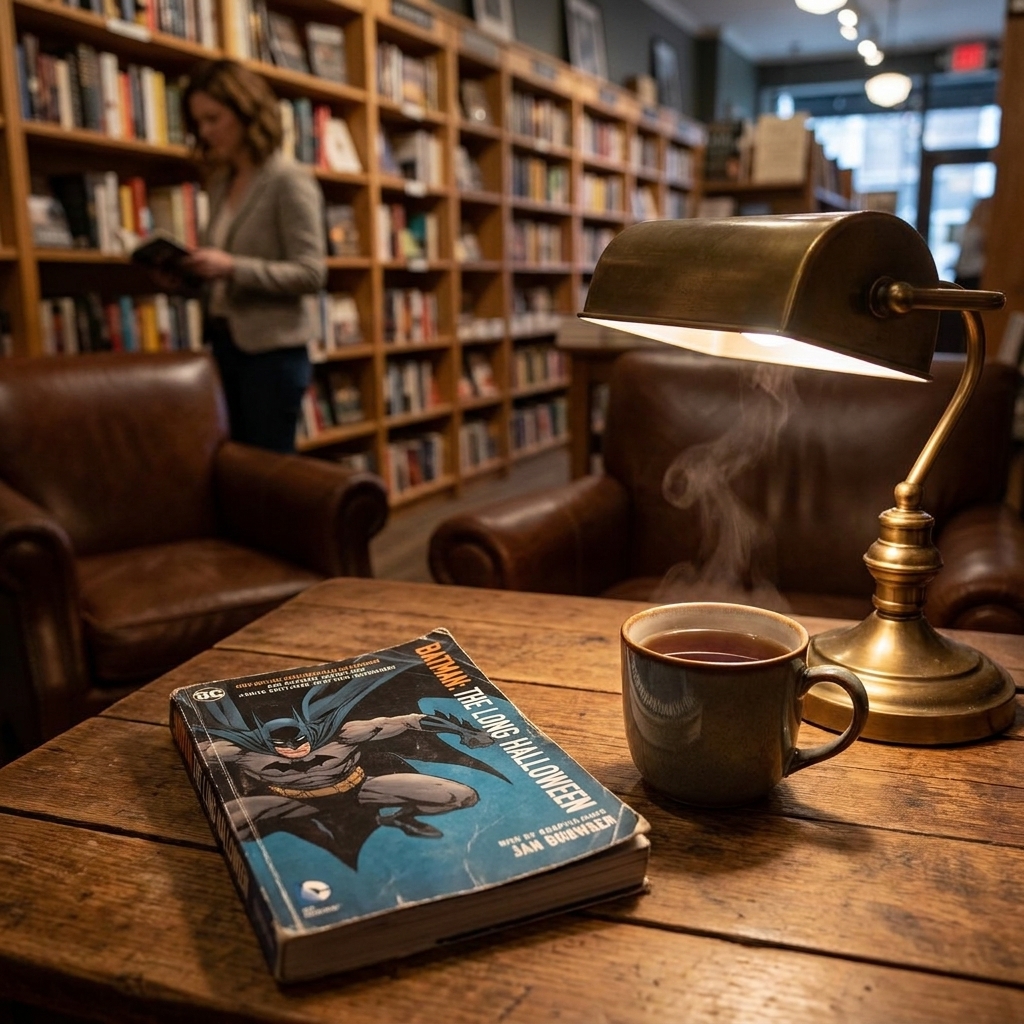
4) Batman: The Long Halloween (1996 to 1997) by Jeph Loeb and Tim Sale
If Year One is the spark, The Long Halloween is the slow-burn that lights up Gotham’s whole crime ecosystem. It follows a calendar-year mystery, with a holiday-themed killer and a gorgeous noir tone. Tim Sale’s stylized characters are unforgettable, especially his mournful Catwoman and looming Batman.
- Why it matters: A definitive early-career detective epic and a perfect bridge into the bigger cast of villains.
- Best for: Mystery lovers and readers who want “Batman, but make it a classic crime novel.”
5) Batman: Dark Victory (1999 to 2000) by Jeph Loeb and Tim Sale
Think of this as The Long Halloween’s immediate, emotionally richer follow-up. It continues the mob-to-freaks transition in Gotham and deepens the Robin legacy. The mood is autumnal, haunted, and surprisingly tender.
- Why it matters: Completes the Loeb and Sale noir pair in a way that feels satisfying and personal.
6) Batman: Hush (2002 to 2003) by Jeph Loeb and Jim Lee
This is the big glossy modern gateway book, the one I watched brand-new readers pick up because the art just grabs you by the collar. Jim Lee’s Batman is statuesque and cinematic, and the story parades a greatest-hits lineup of Gotham characters while building a central mystery.
- Why it matters: A modern classic that feels like a blockbuster without losing the soap-opera heart of Batman’s relationships.
- Best for: Readers who want an accessible “tour of Gotham” with stunning superhero visuals.
7) Batman and Son (2006 to 2007) by Grant Morrison and Andy Kubert
Now we pivot into a wilder, brainier era. Morrison’s Batman run is famous for rewarding readers who enjoy layered continuity, but Batman and Son is also a strong standalone hook because it introduces Damian Wayne with all the chaos that implies.
- Why it matters: Opens the door to one of the most influential long-form Batman runs of the 2000s.
- Reading note: If you love it, the simplest “keep going” breadcrumbs are Batman R.I.P. and then Batman & Robin (with Final Crisis as an optional, bigger-DC detour in between). If you do not, you can still skip ahead and be fine.
8) Batman: The Black Mirror (2010 to 2011) by Scott Snyder, art by Jock and Francesco Francavilla
Creepy, stylish, and sharply paced, The Black Mirror reads like a prestige crime thriller. It is technically a story featuring Dick Grayson in the cowl, but do not let that scare you off. The emotional core is pure Gotham, and the villainy is genuinely unsettling.
- Why it matters: A modern horror-tinged Batman standout and a clear preview of Snyder’s strengths.
- Best for: Readers who like serial-killer tension and shadowy, urban dread.
9) Batman: The Court of Owls (2011 to 2012) and City of Owls (2012) by Scott Snyder and Greg Capullo
If you only read one modern Batman arc from the last fifteen years, make it Court of Owls. It introduces a secret society that makes Gotham feel ancient and hungry, like the city itself has teeth. Capullo’s Batman is kinetic and expressive, and Snyder’s pacing is pure page-turner energy.
- Why it matters: A top-tier modern entry point with a fresh mythos that still feels classic.
- How to read: Many editions collect both arcs together. If not, read The Court of Owls first, then City of Owls.
10) Batman: Zero Year (Secret City and Dark City) (2013 to 2014) by Scott Snyder and Greg Capullo (optional but recommended)
This is Snyder and Capullo’s big, high-energy reimagining of Batman’s early days and the Riddler as a city-breaking threat. It is louder than Year One, less noir, more “Gotham as an obstacle course.” If you enjoy big set pieces and a Batman who feels relentlessly determined, it is a blast.
- Why it matters: A modern origin remix that pairs well with the Owls era.
11) Batman: The War of Jokes and Riddles (2017) by Tom King, Mikel Janín, and others (optional, best after Snyder)
Tom King’s Batman is more interior and emotionally raw. This arc is a flashback that reframes Batman’s early career through a brutal gang war between Joker and Riddler. It is not as starter friendly as Owls, but it is memorable and odd in a way I genuinely admire.
- Why it matters: A modern attempt to treat Gotham’s costumed chaos like a tragic historical event.
12) Batman (Rebirth): I Am Gotham, I Am Suicide, I Am Bane (2016 to 2018) by Tom King and collaborators (pick if you want a long emotional run)
If you are in the mood for a long, soap-opera-meets-war-story take on Batman, King’s run is the big modern option. It is ambitious, sometimes divisive, often gorgeous on the page. I recommend sampling the opening trio to see if the voice clicks with you.
- Why it matters: A major modern era focused on Batman’s inner life and relationships.
- Best for: Readers who want character study as much as capes and cowls.
- Reading note: This run reads best in order. If you decide to continue past the opening books, you will get the most out of it by staying sequential.
More optional classics
If you want a few extra “oh right, that one” titles that still read well in collected form, here are some high-reward side doors.
- Batman: A Death in the Family (1988 to 1989): a pivotal, grimly famous turning point for the Bat-family.
- Batman: Knightfall (1993 to 1994): a big, bruising saga that tests Batman to the breaking point.
- Batman: No Man’s Land (1999): a massive Gotham-in-crisis epic with a strong ensemble vibe.
- Batman: Under the Red Hood (2004 to 2006): a modern, emotional gut-punch that pays off if you know the broad Robin basics.
- Gotham Central (2002 to 2006) (Bat-adjacent): not a Batman book exactly, but one of the best “life in Gotham” crime series ever written.
Fast-track options
If a full list makes your eyes glaze over, here are three quick paths that still deliver the goods.
- The grounded noir path: Year One → The Long Halloween → Dark Victory.
- The modern blockbuster path: Hush → The Court of Owls → City of Owls.
- The art-forward, mood-heavy path: Arkham Asylum → The Black Mirror → The Court of Owls.

Where older classics fit
You might notice one famous title missing from the core path: The Dark Knight Returns by Frank Miller and Klaus Janson (with colors by Lynn Varley, in many editions). It is unquestionably one of the most influential Batman stories ever, but it is also a “future Batman” tale, not a straightforward step in a beginner chronology. If you want it, I love reading it after Year One and either after Hush or after Court of Owls, when you have a stronger sense of Batman’s default tone.
FAQ
Do I need decades of continuity to enjoy these?
No. These books are widely read because they work for newcomers. When a past event matters, the story usually gives you enough context to keep going.
Is “modern Batman” the same as “New 52” or “Rebirth”?
Those are publishing eras, and many essential Batman books live inside them. For new readers, it is more helpful to think in terms of great self-contained stories and major runs, which is what this order prioritizes.
What if I only want one Batman book to start tonight?
Batman: Year One if you want grounded and classic. The Court of Owls if you want modern, propulsive, and slightly spooky.
What is the difference between a “graphic novel” and a collected comic?
In Batman-land, most “graphic novels” on shelves are collections of originally serialized issues. The important part is that they read as one complete book in your hands.
A final note
Batman has a thousand faces, and the best one is the version that gets you turning pages. If you hit a story that feels like a slog, skip it. Gotham will still be there when you come back, brooding politely on your nightstand.