Magical realism is what happens when the impossible strolls into a perfectly normal kitchen, accepts a cup of tea, and nobody screams. The magic is not a system to be mastered or a quest to complete. It is simply part of the weather, part of the family lore, part of the way grief and love and history leave fingerprints on a place.
If you love traditional fantasy but want something that still feels transportive without maps and made-up monarchies, magical realism can be a gorgeous bridge. These books keep one foot in the recognizable world while the other steps into the surreal, the mythic, and the emotionally true.
A quick note before we begin: genre borders are porous. “Magical realism” gets used differently across countries, classrooms, and marketing copy. A few picks below are classic, widely taught examples. A few are close cousins (fabulist, surreal, mythic, or fantasy-leaning) chosen because they scratch the same itch for readers who want wonder woven into ordinary life.

Below are 10 must-read magical realism novels and adjacent reads that can shake you out of a reading slump and subtly reshape how you read reality.
1) One Hundred Years of Solitude (Gabriel García Márquez)
If magical realism has a grandfather clock, this is the steady tick. In the town of Macondo, generations of the Buendía family live through love, war, obsession, and prophecy, all while reality keeps slipping into the mythic. You will meet ascensions that happen like errands, an insomnia plague that rewrites the town, alchemy in the back room, and rain that lasts for years.
Why fantasy readers tend to love it: It has the scope of an epic saga, filtered through memory and dream logic instead of battles and magic schools.
Vibe: Lush, hypnotic, tragic, with a dry streak of humor that sneaks up on you.
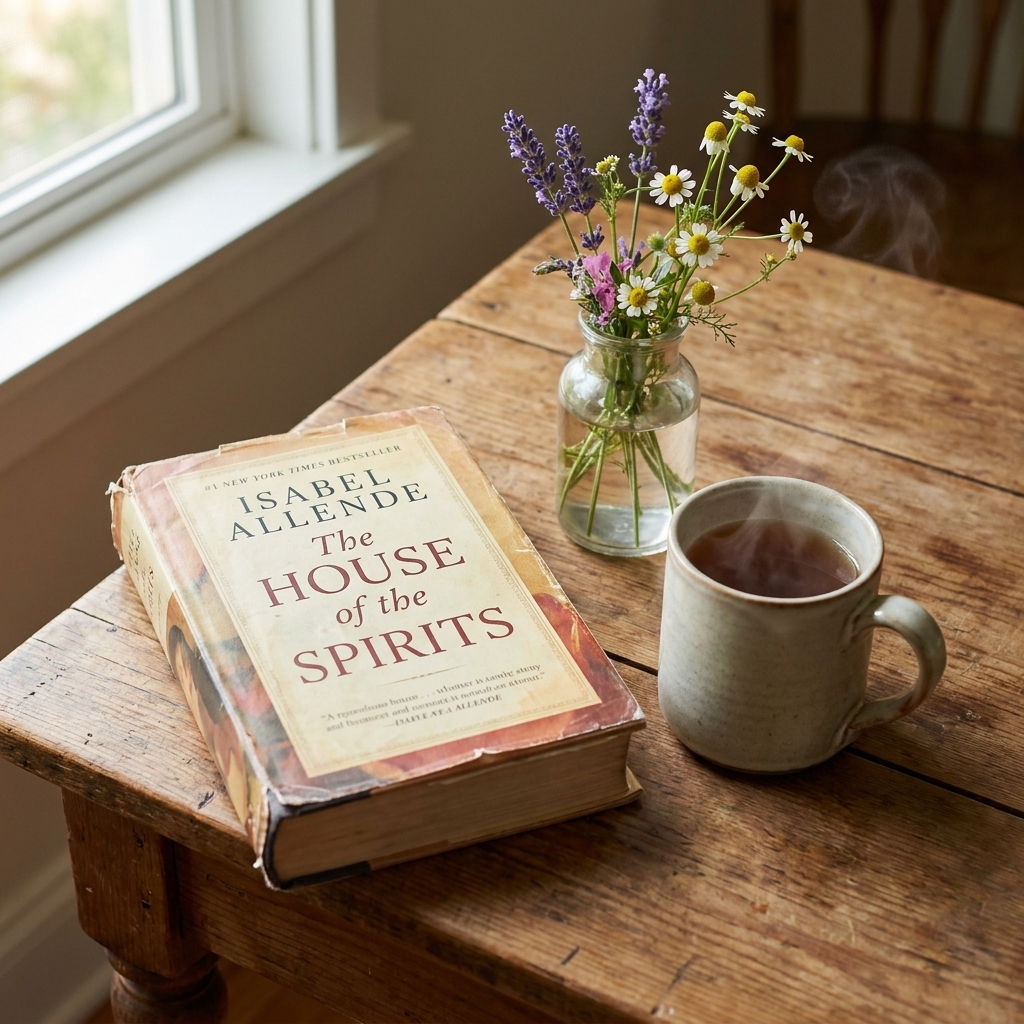
2) The House of the Spirits (Isabel Allende)
Allende gives you a family chronicle that spans decades of political upheaval, passionate love, and spectral visitors who feel as tangible as the living. The supernatural arrives like heirlooms rather than shock twists, woven into the women’s inner lives and the country’s shifting fate.
Why it works as a fantasy crossover: There is a strong sense of lineage, prophecy, and consequence, plus a haunted-house feeling that is more intimate than scary.
Vibe: Generational, romantic, and socially charged, with ghosts that feel like part of the household.
3) Like Water for Chocolate (Laura Esquivel)
This one is for anyone who believes food tells the truth faster than words do. Tita’s emotions infuse her cooking so powerfully that the people who eat her dishes experience longing, grief, desire, and joy as physical events. It is romantic, strange, and deliciously bittersweet.
Bonus for culinary history lovers: The recipes and domestic rhythms feel rooted in tradition, even when the magic turns the heat way up.
Vibe: Sensual, heartfelt, and melodramatic in the best way, with a strong sense of place at the table.
4) Beloved (Toni Morrison)
Few novels capture the way the past can haunt the present as fiercely as Beloved. A mother and daughter, newly freed from slavery, are visited by a presence that is both ghost and consequence. Morrison’s prose is astonishing, but what really lingers is the emotional realism: the way trauma shapes a home, a body, a memory.
Heads up: This is intense and unflinching, but also profoundly humane.
Why fantasy readers connect: The haunting is not a gimmick. It is the story’s gravity, pulling every scene into deeper meaning.
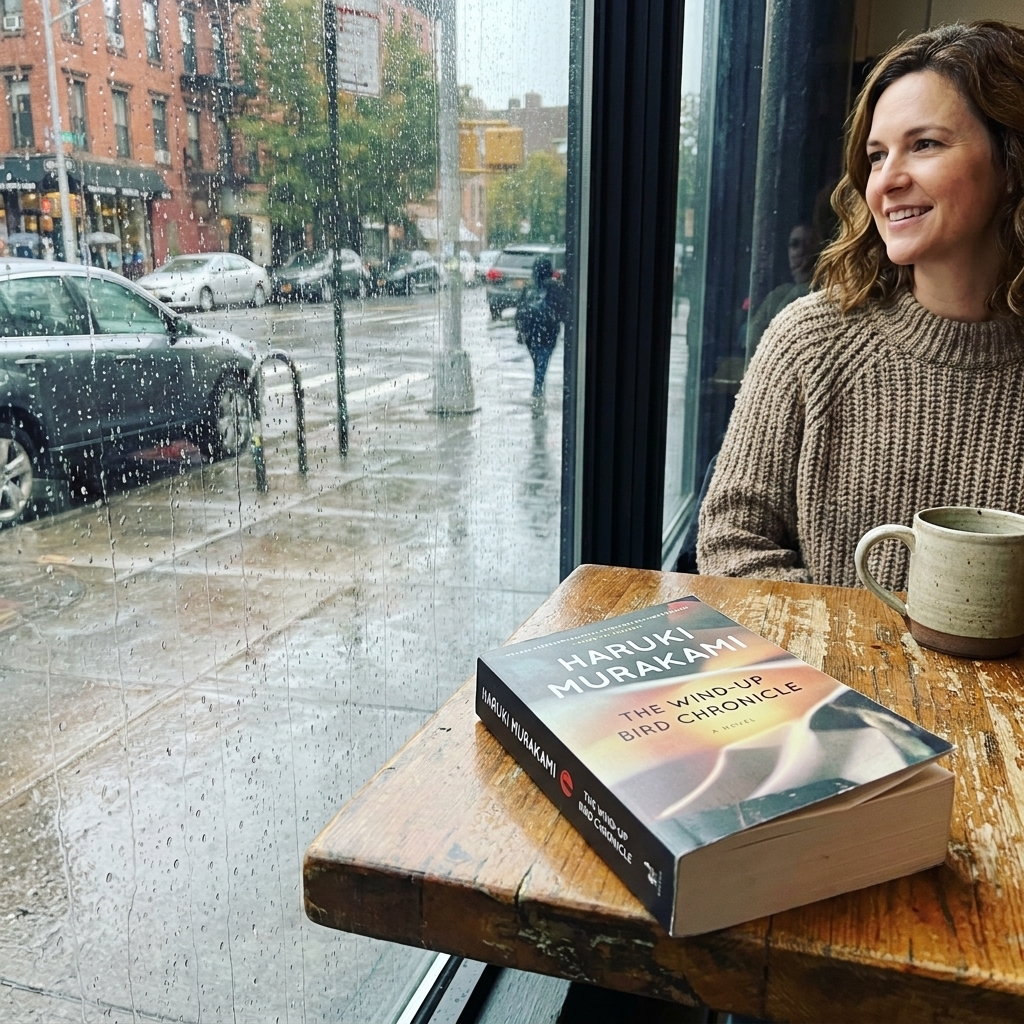
5) The Wind-Up Bird Chronicle (Haruki Murakami)
This is magical-realist-adjacent at most, and many readers would file it under surreal contemporary fiction. Still, it belongs on the bridge for how calmly it lets the uncanny leak into everyday life. A missing cat leads to a missing wife, a mysterious well, and encounters that feel half-dream, half-confession.
What it feels like to read: Patient, digressive, and atmospheric, with long quiet stretches that make the strange moments hit harder.
Vibe: Moody, urban, and oddly tender, with purposeful loose ends.
6) The Master and Margarita (Mikhail Bulgakov)
The Devil comes to Moscow with a talking cat and a flair for theatrical chaos, and suddenly everything you thought was stable starts wobbling. This satirical, sharp, and wildly imaginative novel blends political critique with spiritual questions and a love story that refuses to behave.
Why it still feels fresh: It is funny and furious at once, and the magical elements are delightfully literal.
Vibe: Fast, unruly satire with gothic shadows and big set pieces.
7) Midnight’s Children (Salman Rushdie)
Born at the exact moment India gains independence, Saleem Sinai discovers he is linked to other children with extraordinary gifts. The novel is bursting with invention, voice, and historical heft, where personal fate and national fate braid together until you cannot tell which is dreaming the other.
Why fantasy readers may latch on: There is a whole cast of “gifted” characters, but the story is really about identity, history, and the cost of mythmaking.
Vibe: Maximalist and playful, with a loud, intimate narrator and history humming in the background.
8) The Ocean at the End of the Lane (Neil Gaiman)
This is more contemporary fantasy and mythic fiction than strict magical realism, but it shares the same reality-softening intimacy. This short novel returns to childhood, where terror and wonder live in the same closet. A man revisits the site of an old friendship and finds that the past is not past, and the pond is not a pond.
Why it is a perfect transition book: It reads like a fairy tale that grew up and learned how memory works.
Vibe: Lyrical and eerie, with a small cast, tight pages, and an emotional aftertaste that lingers.

9) Exit West (Mohsin Hamid)
In a city slipping into conflict, two people fall in love, and doors begin to appear that open into other countries. The magic is clean and simple, almost minimal, which makes it hit harder. The novel asks what it means to leave, to arrive, to change, to carry home inside your body.
Why it belongs here: The fantastical element is quiet, but it transforms the entire emotional landscape.
Vibe: Tender and urgent, with spare prose and a wide-angle compassion.
10) The Night Circus (Erin Morgenstern)
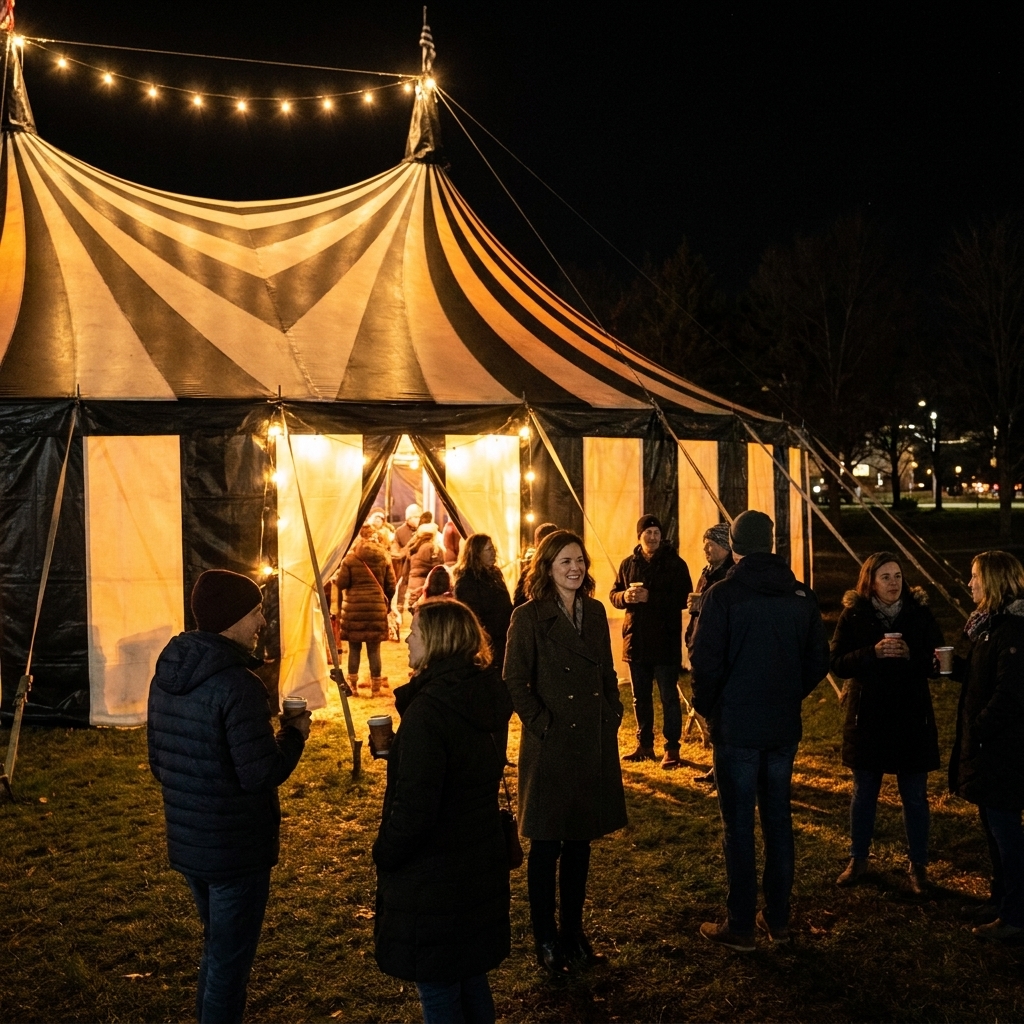
This is not a canonical magical realism pick. It is overtly fantastical. Still, if what you love about magical realism is atmosphere, enchantment treated as texture, and a world that feels more like a mood than a rulebook, The Night Circus delivers. A black-and-white circus appears without warning, tents hold impossible rooms, and the glamour comes with a cost.
Why fantasy readers adore it: It is pure immersion, like stepping into a sensory world you do not want to leave.
Vibe: Slow-burn romance, lush set dressing, and page after page of ambience.
More classics
If you came here specifically for classroom-standard magical realism, here are a few more canonical stops to add to your list:
- Pedro Páramo (Juan Rulfo): A haunting, spare descent into a town of voices and echoes.
- The Famished Road (Ben Okri): Spirit-soaked daily life, told with fever-dream intensity.
- Ficciones (Jorge Luis Borges): Short stories that bend reality with philosophical precision.
- The Complete Stories (Clarice Lispector): Not always labeled magical realism, but essential for readers who want the uncanny inside the ordinary mind.
How to choose
- If you want epic scope: One Hundred Years of Solitude, Midnight’s Children
- If you want romance and atmosphere: Like Water for Chocolate, The Night Circus
- If you want literary horror-adjacent: Beloved, The Ocean at the End of the Lane
- If you want contemporary and accessible: Exit West
- If you want surreal, urban weirdness: The Wind-Up Bird Chronicle, The Master and Margarita
If you are coming from traditional fantasy, my best advice is to loosen your grip on “rules.” Let the book set the terms, the way you would when listening to a beloved older relative tell a story that keeps getting stranger and more true.
Magical realism vs fantasy
Fantasy usually builds a world where magic is expected, explained, or at least treated as a known force. Magical realism keeps you grounded in our world or a recognizable version of it, then introduces magic as something ordinary characters often accept without much fuss.
Think of it this way: fantasy asks, “What if magic existed?” Magical realism asks, “What if reality is already strange, and we have been acting like it is not?”
FAQ
Are these books hard to read?
Some are, in the way rich food can be “hard” because it is intense. If you want the smoothest entry points, try Exit West or The Ocean at the End of the Lane. If you want a big, lush challenge, go for Márquez or Rushdie.
Which one should I read if I love cozy fantasy?
Like Water for Chocolate has comfort built into its domestic setting, even when emotions boil over. The Night Circus is also a great pick if you crave atmosphere and wonder.
What should I read next?
If you tell me which title you chose and what you loved about it, I can recommend a few more with the same flavor, whether that is lyrical prose, family sagas, gentle weirdness, or full-bodied surrealism.