There is a specific kind of relief that comes from reading a novel set far from your own neighborhood and still thinking, oh. Yes. That. The rent math, the quiet dread of group chats, the way family love can feel like a thumb on the scale, the loneliness that shows up even in a packed train car.
Translated fiction is where I go when my brain needs proof that the present tense is both deeply local and strangely shared. The twelve books below are contemporary novels in translation in the sense that matters to me: they feel in conversation with current life, whether they were published last year or set in an earlier decade. They are alive to right-now pressures, not because they chase headlines, but because they understand what it is like to be a person right now.
Translator note: Translator credits below reflect widely used English-language editions, but some books have multiple translations and imprints. If you are buying a specific edition, it is worth double-checking the translator on the publisher page.
The list
Each pick includes the original language and the translator, because translators are the reason these stories can travel. I have also noted what kind of reader mood each book suits, since sometimes you want a gut punch and sometimes you want a book that feels like walking home at dusk with your hands in your pockets.
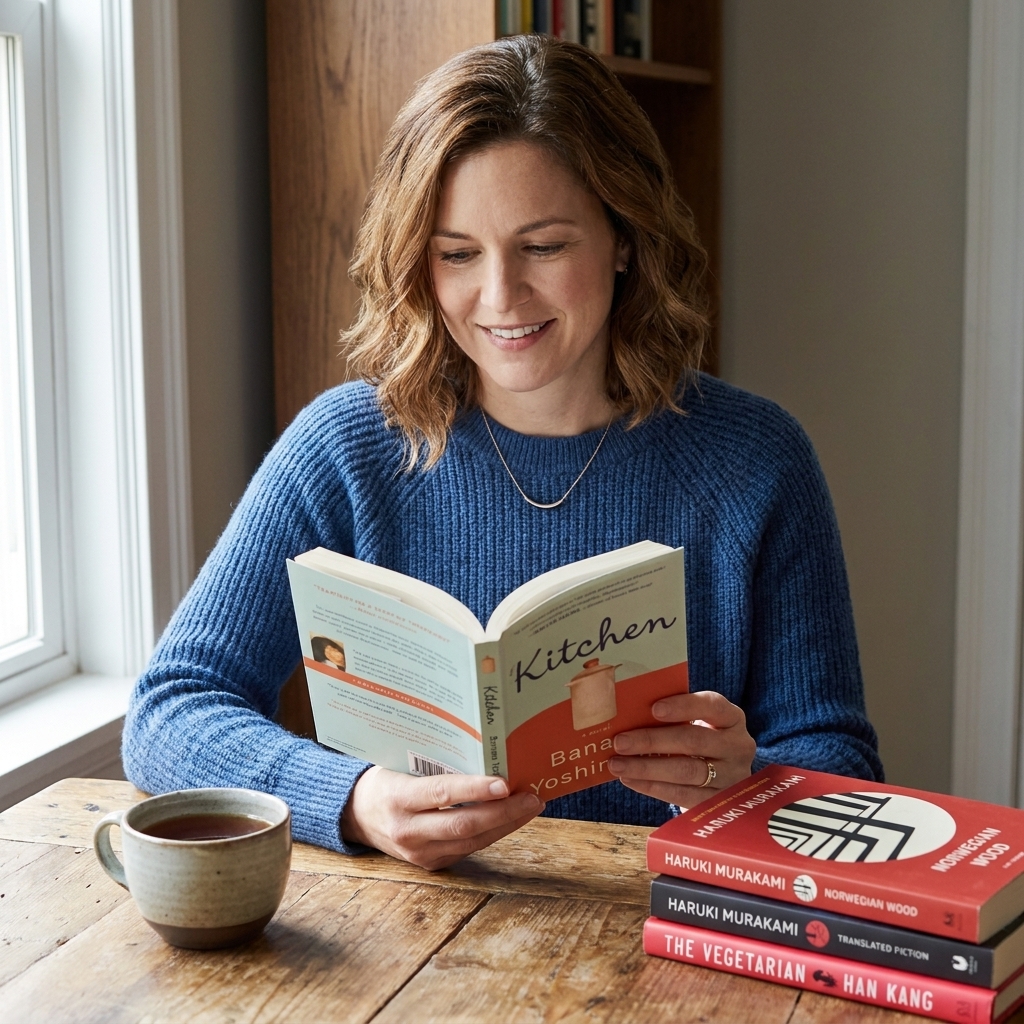
1) The Vegetarian by Han Kang (Korean, translated by Deborah Smith)
If present-day life had a pressure valve, this novel is the moment it hisses. A woman’s decision to stop eating meat becomes a fault line through her marriage and family, exposing the violence that can hide inside “normal.” It is spare, unsettling, and unforgettable, the kind of book that makes you look at dinner tables and expectations in a new way.
What it captures: bodily autonomy, social conformity, and how quickly loved ones can turn into witnesses and judges.

2) Convenience Store Woman by Sayaka Murata (Japanese, translated by Ginny Tapley Takemori)
This one is a bright, strange little gem about a woman who thrives in the precise rituals of convenience store work and refuses the usual life script. It is funny, prickly, and oddly tender. Also, it will absolutely make you reconsider how we use the word “normal” like it is a compliment.
What it captures: precarious work, social performance, and the relief of finding a system that fits your brain.
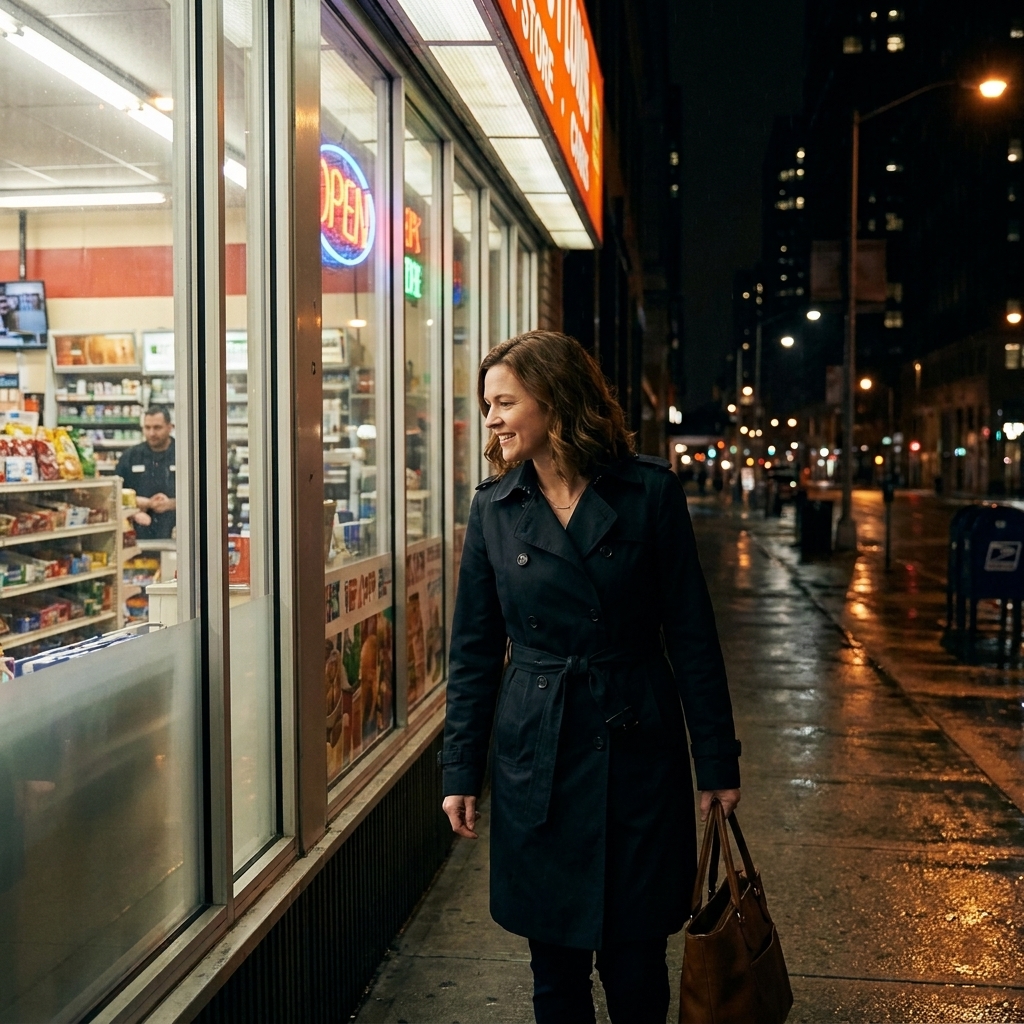
3) The Memory Police by Yoko Ogawa (Japanese, translated by Stephen Snyder)
A quiet dystopia where objects and concepts disappear from the world and from memory, enforced by a policing power that feels both surreal and chillingly familiar. People wake up and suddenly roses, ribbons, or photographs are gone, and everyone is expected to act as if that absence is natural. The beauty of this book is its hush. It does not shout its warnings. It simply shows you what erasure looks like when it becomes routine.
What it captures: information control, collective forgetting, and the fragile architecture of identity.
4) My Brilliant Friend by Elena Ferrante (Italian, translated by Ann Goldstein)
Yes, it begins earlier than “right now,” but the Neapolitan novels feel intensely current in their emotional intelligence: female friendship as a life force, class as gravity, ambition as a kind of hunger. If you want a long, immersive read that still turns pages like a thriller, this is your on-ramp.
What it captures: social mobility, the stories we tell about ourselves, and how friendships evolve under pressure.
5) The Years by Annie Ernaux (French, translated by Alison L. Strayer)
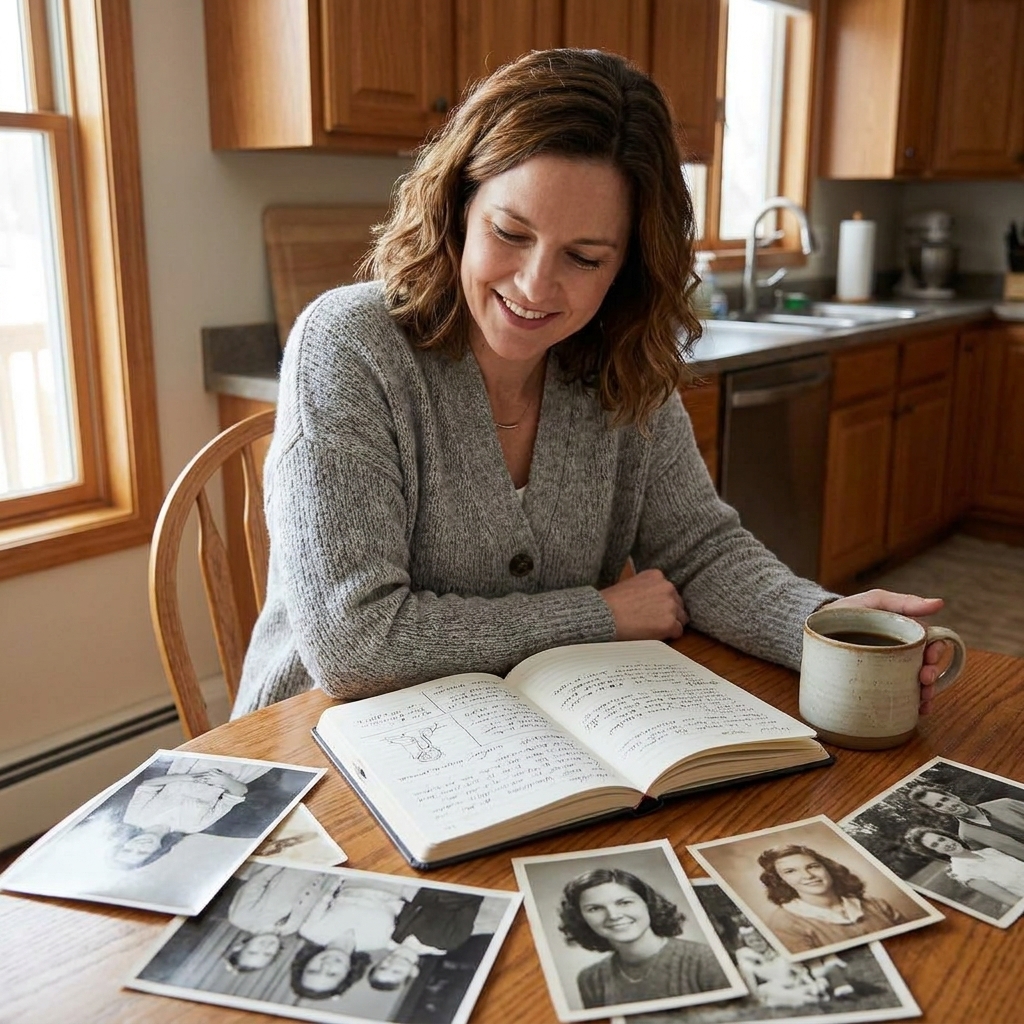
Ernaux writes memory the way a great photographer frames a life: not just personal confession, but a whole social atmosphere. This book moves through decades of France with startling clarity, using advertising, politics, food, sex, and family life as time stamps. It is autobiographical, yes, but it reads like collective history.
What it captures: how culture rewires us, and how a “private” life is never really private.
6) The Door by Magda Szabó (Hungarian, translated by Len Rix)
A writer hires a housekeeper, and a relationship unfolds that is equal parts devotion, obsession, misunderstanding, and awe. It is intimate and thorny, and it asks the question adulthood keeps bumping into: how do you truly know another person, even someone in your home? The book may be from an earlier era, but its tension feels startlingly present-day, especially around care, control, and the stories we tell ourselves about who holds power.
What it captures: power dynamics, care work, and the secrets people keep in plain sight.

7) Drive Your Plow Over the Bones of the Dead by Olga Tokarczuk (Polish, translated by Antonia Lloyd-Jones)
A cranky, brilliant narrator in a remote Polish village becomes fixated on animal rights, astrology, and a series of deaths that may or may not be connected. This book is part mystery, part ecological fable, part philosophical rant in the best possible way. If you like your current-life novels with bite, here you go.
What it captures: climate anxiety, institutional indifference, and the moral chaos of “progress.”
8) Hurricane Season by Fernanda Melchor (Spanish, translated by Sophie Hughes)
This is a novel that barrels forward on breathless, propulsive sentences, circling a murder and the community it exposes. The story moves through voices and rumors, each perspective tightening the net, until the whole town feels like it is speaking at once. It is brutal, yes, but also fiercely controlled, like someone turning up the volume on everything we prefer not to hear. Not a comfort read. A bracing one.
What it captures: misogyny, poverty, violence as inheritance, and the stories communities tell to survive.
9) The Discomfort of Evening by Marieke Lucas Rijneveld (Dutch, translated by Michele Hutchison)
Grief in a rural family is rendered with startling sensory detail, through a child’s perspective that is both innocent and razor-sharp. Rijneveld’s language is electric, and the book captures how trauma distorts time, how a room can feel too loud even when no one is speaking. It is intense, and it rewards careful reading.
What it captures: the private aftermath of tragedy and the silence families build around pain.

10) The Elegance of the Hedgehog by Muriel Barbery (French, translated by Alison Anderson)
Set inside a Paris apartment building, this novel follows a concierge who hides her intellectual life and a precocious girl planning an exit from the world. It is witty and surprisingly moving, a reminder that the people we overlook are often living the richest inner stories. It also nails that particular modern ache of being surrounded by people and still feeling unseen.
What it captures: class performance, loneliness in close quarters, and the human need to be seen.
11) Breasts and Eggs by Mieko Kawakami (Japanese, translated by Sam Bett and David Boyd)
Kawakami writes about bodies, money, friendship, and motherhood with the kind of candor that feels like opening a window. The novel moves from Osaka to Tokyo and from youthful scrappiness to adult complexity without losing its pulse. It is a present-day epic in everyday clothes, full of conversations that feel like the ones you have at 1 a.m. when no one is pretending anymore.
What it captures: reproductive choices, economic precarity, and the intimacy of women talking honestly.
12) Fever Dream by Samanta Schweblin (Spanish, translated by Megan McDowell)
Short, sharp, and utterly unnerving, this novel unfolds as a conversation under extreme stress, circling around motherhood, contamination, and what we owe the children we bring into a damaged world. It reads in one sitting, and it will follow you around afterward like a strange taste you cannot place.
What it captures: environmental fear, maternal anxiety, and the feeling that safety is always provisional.
Pick your next read
If you are staring at this list the way you stare into the fridge when you are not sure what you want, here is a quick mood match:
- Need something quick and sly: Convenience Store Woman or Fever Dream
- Want big feelings and long-term investment: My Brilliant Friend or Breasts and Eggs
- Craving quiet dystopia without explosions: The Memory Police
- Ready for a book that will wreck you: The Discomfort of Evening or The Vegetarian
- Want a mystery with teeth and ideas: Drive Your Plow Over the Bones of the Dead
- In the mood for memory and cultural time travel: The Years
- Want a relationship novel that gets under your skin: The Door
- Need wit plus a soft landing: The Elegance of the Hedgehog
- Can handle something ferocious and propulsive: Hurricane Season
FAQ
Do I need to know anything about the country or culture first?
No homework required. A good translation gives you enough context to feel oriented, and part of the joy is discovering how daily life is shaped differently elsewhere. If you like, read a short author interview after you finish, not before. Let the story do its work.
Are translations harder to read?
Not inherently. Some are spare and swift, others are dense and lyrical, just like English-language fiction. If you are easing into translated books, start with Convenience Store Woman, Fever Dream, or The Elegance of the Hedgehog.
Why do some translated novels feel so distinct in voice?
You are hearing two kinds of artistry at once: the author’s original style and the translator’s craft in recreating rhythm, tone, and meaning in another language. If you fall in love with a particular translated voice, follow that translator the way you would follow a favorite narrator.
If you have a favorite novel in translation that made you feel newly awake to the world, I want to hear about it. My TBR pile is already precarious, but it has survived worse.