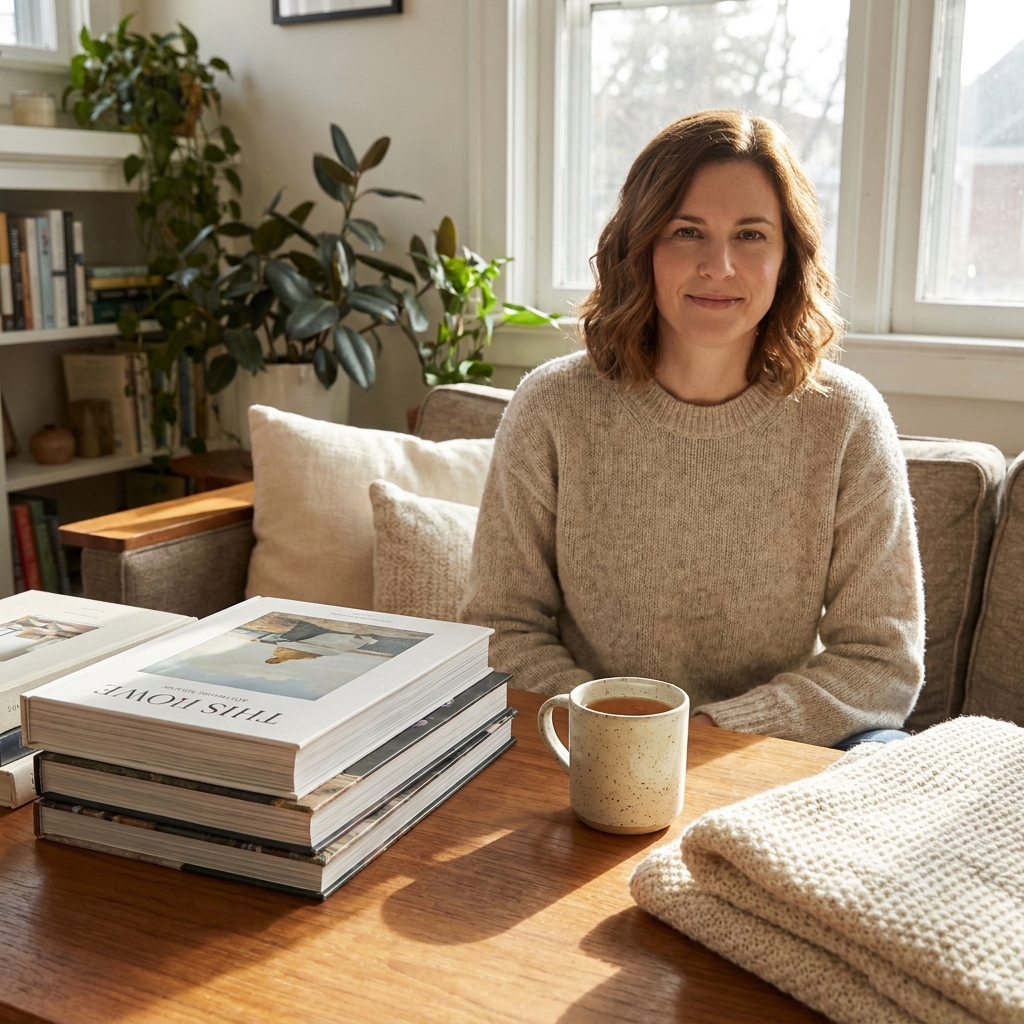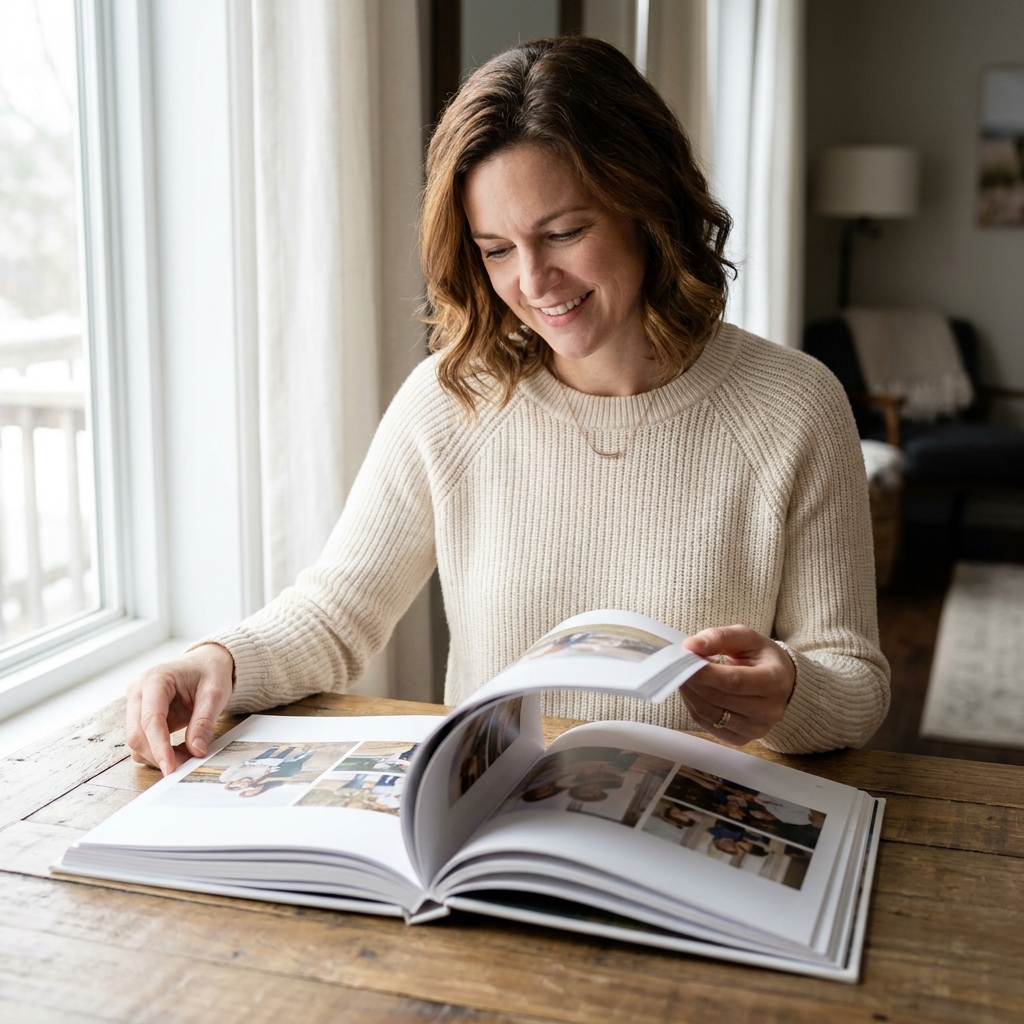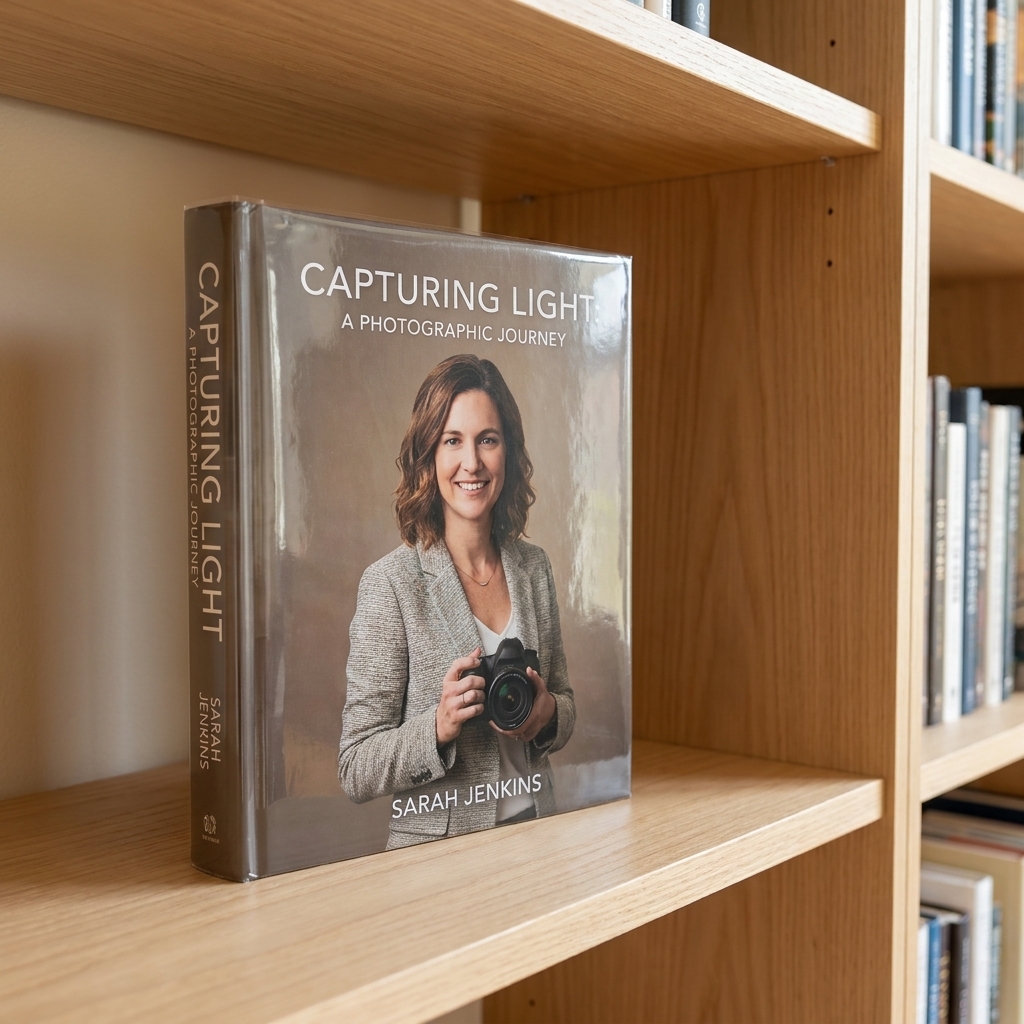
Art and photography books are one of the most joyful “slow hobbies” I know. They are portable museums and mood-lifters, all bound into something you can keep on your coffee table or tuck beside your bed. The best part is that you do not need a collector’s budget to build a collection that feels personal and genuinely beautiful.
Below is a beginner-friendly roadmap for finding high-quality art and photography books at reasonable prices, plus the little tricks I picked up back when I was managing an indie bookstore and hauling home armfuls of oversized, slightly scuffed treasures.
Start with a plan that saves money
Budget collecting is less about strict self-denial and more about deciding what you want before a gorgeous cover seduces you into an impulse buy.
Pick a through-line
A collection feels cohesive when it has a thread running through it. That thread can be delightfully simple:
- One medium: street photography, portraiture, contemporary painting, typography, fashion photography, food photography.
- One era: Bauhaus, 1970s documentary photography, postwar Japanese design.
- One place: Pacific Northwest landscapes, Paris in the 1920s, New York subway photography.
- One mood: quiet minimalism, bold color, surreal dream-logic.
You can absolutely collect “a bit of everything,” but when you are trying to keep costs down, a focus helps you pass on books that are lovely but not yours.
Choose your book type
Not all art books serve the same purpose. Knowing what you prefer prevents expensive misfires.
- Monographs: deep dives on a single artist or photographer. Often the most satisfying long-term.
- Exhibition catalogs: museum shows captured in book form, usually with strong essays and excellent reproductions. They are often a great value used, though blockbuster shows and limited runs can get pricey.
- Survey books: broader overviews of a movement, region, or medium. Great for learning and for building context.
- Technique books: lighting, printing, composition, darkroom history. Perfect if you want books that “do” something beyond sitting pretty.
Set a gentle price ladder
Here is a simple budget structure that works well:
- Everyday buys: $5 to $20 used finds you can pick up without guilt.
- Intentional upgrades: $25 to $60 for titles you have researched and know you will revisit.
- One or two splurges a year: a pricier monograph or a beautifully printed publisher edition. Saving a little “book fund” makes this feel fun instead of stressful.
What makes a book worth buying
In fiction, I can forgive a lot if the story sings. With visual books, the physical object matters, because it is part of the experience. A few quick checks can tell you whether a book will feel like a treasure or a disappointment.
Check reproduction and printing
When possible, flip through more than a few spreads. You are checking for:
- Color accuracy: do skin tones look natural, do blacks look rich instead of muddy, do whites look clean instead of yellowed by cheap paper?
- Detail: in photography especially, you want crisp textures, not smeary images.
- Paper quality: heavy matte or semi-matte paper usually feels more luxe and shows images well, but glossy can be stunning for certain color work.
If you are shopping online, search for a quick flip-through video, interior photos, or reviews that mention printing and paper.
Notice the publisher
This is one of the easiest shortcuts for quality. Some publishers have a strong reputation for design, editing, and production values. A non-exhaustive starter list to watch for:
- Taschen (often affordable for the size, especially used)
- Phaidon (solid design and wide-ranging topics)
- Aperture (photography with care and context)
- Steidl (often pricier, but frequently exceptional)
- Thames & Hudson (reliable, broad art history range)
- MACK (contemporary photography, beautifully made)
You do not need a “fancy” publisher for a book to be meaningful, but publisher awareness helps you take smarter risks when you are browsing quickly.
Check condition like a collector
Used art books are often big, heavy, and loved hard. A little wear is fine. Here is what matters most:
- Deal-breakers: mold or mildew smell, active water damage with rippling pages, missing pages, severe splitting at the spine.
- Usually okay: minor jacket tears, bumped corners, light shelf wear, a previous owner’s neat name on the first page.
- Nice-to-have: intact dust jacket, slipcase present, clean plates, strong hinge at the front and back.
If you want “pretty objects” for display, you can be pickier. If you want “books you live with,” a few scuffs are a fair trade for a lower price.
Where to find books for less
There is no single magic source. The budget sweet spot comes from mixing a few places and being patient.
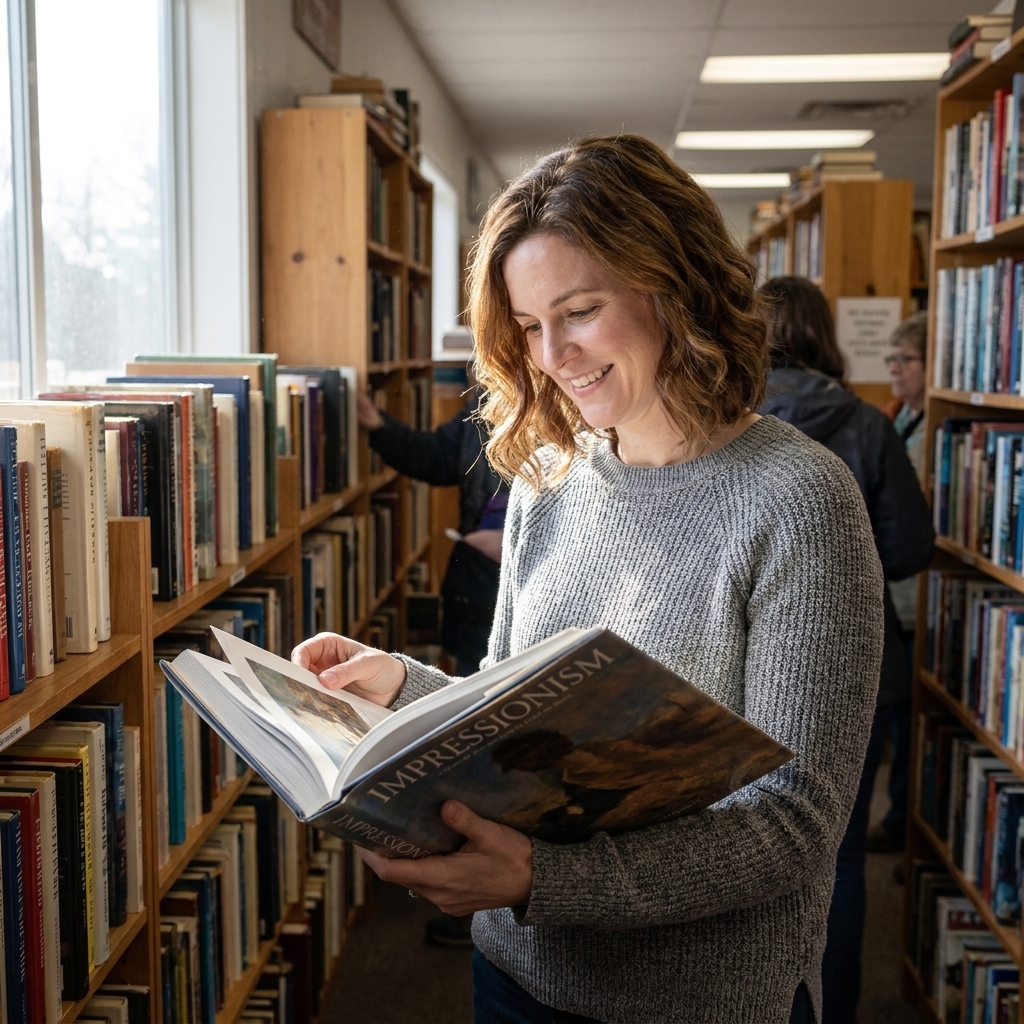
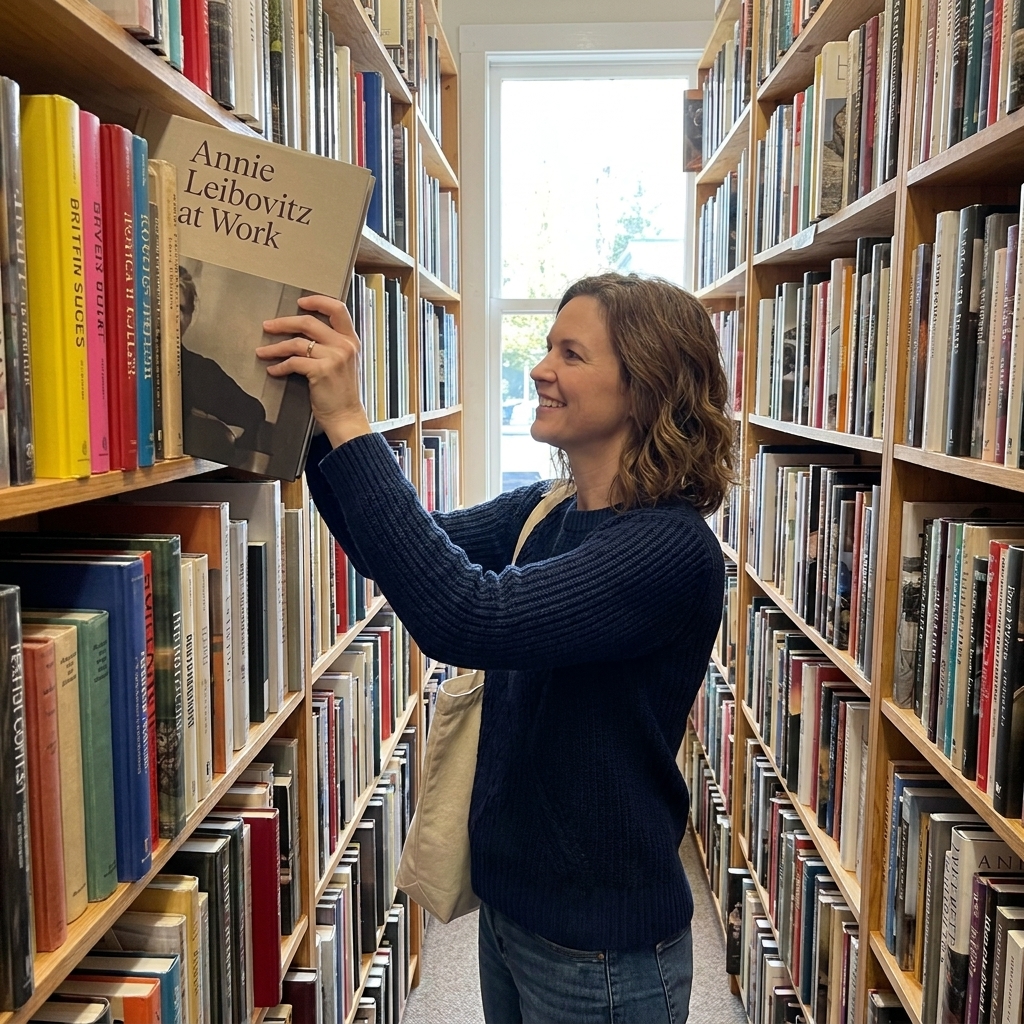
Used bookstores
In many shops, the art section is priced with more variation than fiction, because it depends heavily on condition, size, and how fast something moves. Check:
- Oversized shelves near the bottom
- Clearance carts
- Local interest sections
- “Architecture” and “design” areas if you like photography and visual culture
If you become a regular, mention what you collect. Booksellers love matching people with books, and we remember the customers who light up over a good monograph.
Library sales
This is one of my favorite budget routes. Libraries often deaccession duplicates and older editions, and art books do show up. Bring:
- A tote bag that can handle weight
- A quick wish list on your phone
- A willingness to leave empty-handed sometimes
Even if you only score one excellent exhibition catalog for a few dollars, it feels like finding a secret door.
Museum stores
Museum shops can be pricey, yes, but they also run sales, have member discounts, and sometimes stock exhibition catalogs that later become hard to find. My advice:
- Buy catalogs for shows you truly loved, because they keep the memory alive.
- Wait for end-of-season sales when possible.
- Ask if they discount lightly damaged copies.
Thrift and estate sales
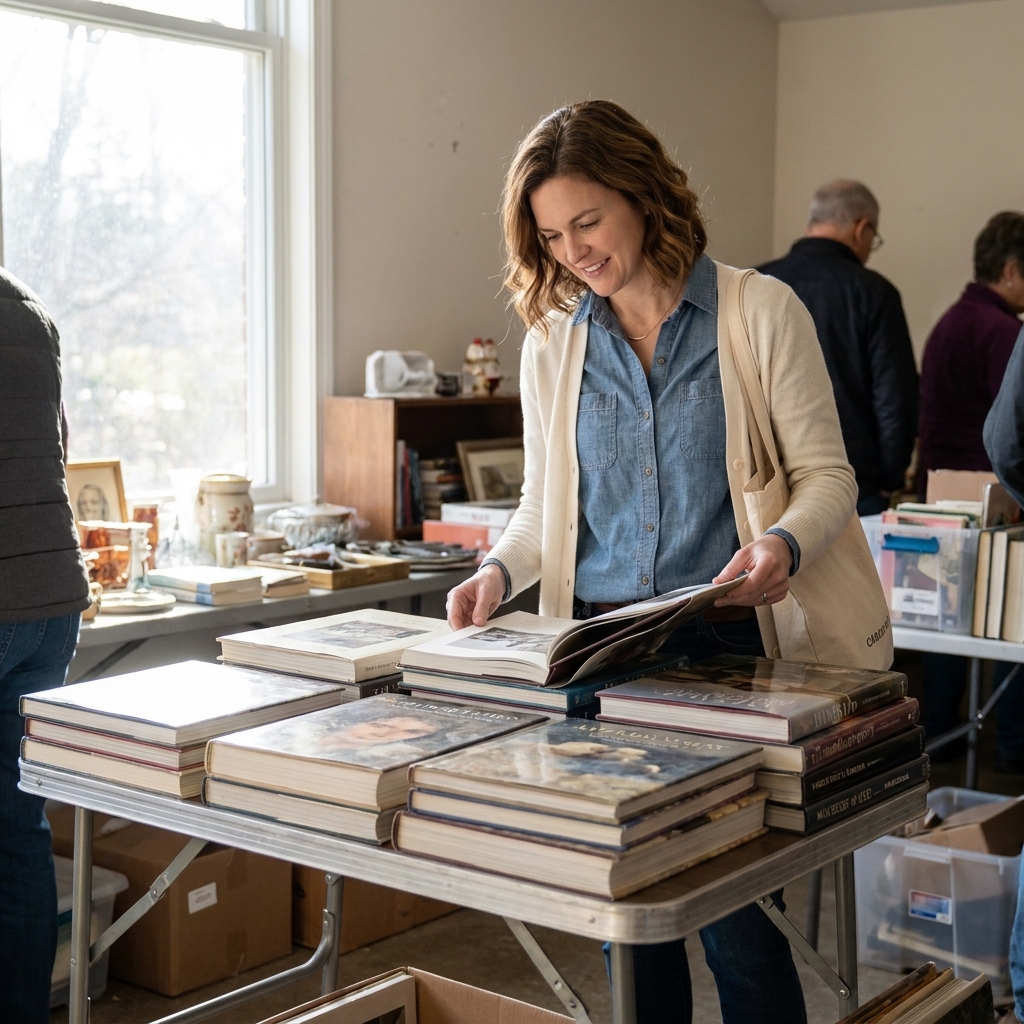
Thrift shops are chaotic, which is exactly why they can be wonderful. Estate sales are especially good for art books, because collections often stay together.
Quick thrift tips:
- Check the oversize section, not just regular shelves.
- Look at cookbooks too, because food photography and design history often hide there.
- Inspect for dampness and musty odor before you fall in love.
If you want a couple of reliable “great value” targets, keep an eye out for retrospective catalogs from major museums and medium-sized photography surveys from reputable publishers. They tend to be generous on images and surprisingly affordable when they hit the used stacks.
Buying online without overpaying
Online shopping is great for targeted hunting, but it is also where beginners accidentally pay collectible prices for common books. A little homework goes a long way.
Compare prices
Do not stop at the first “good-looking” listing. For the same title, prices can vary wildly based on condition, edition, and seller optimism.
- Check several marketplaces.
- Look at sold prices when the platform shows them.
- Factor in shipping, especially for heavy books.
Check seller basics
- Look at seller ratings and recent feedback.
- Read the return policy before you buy, especially for higher-priced books.
- Learn common condition terms: “Very Good” usually means light wear, “Good” can mean noticeably worn but intact, and “Acceptable” may have heavy wear or markings. “Ex-library” often includes stamps, stickers, or protective tape.
Learn edition language
Small differences can matter.
- First edition / first printing: often pricier, sometimes not necessary for casual collecting.
- Reprint: can be identical in content and a fraction of the cost.
- Revised or expanded edition: can be worth it if it improves image quality or adds key work.
- International edition: occasionally cheaper and sometimes different in size, cover, ISBN, or paper quality. Read carefully and compare photos when you can.
Ask for photos
If a listing only shows a cover shot, ask for:
- Spine close-up
- Dust jacket corners
- A couple interior spreads
- Copyright page (for edition details)
A reputable seller will not mind. For expensive books, this is a must.
Curate, do not clutter
Art books multiply quickly. They are big, and they have gravitational pull. A few habits keep your shelves from becoming an accidental paper avalanche.
Use the three-flip test
When you pick up a potential buy, flip to three random places. Ask yourself:
- Do I want to linger here?
- Do I feel my breathing slow down, or my brain spark?
- Would I show this to a friend just to share the feeling?
If the answer is yes, it is a good sign. If you are only buying it because you think you “should,” leave it for someone else.
Mix big and small
Big monographs are wonderful, but zines, slim exhibition booklets, and small-format photo books can be just as magical and much cheaper. Let your collection have different sizes and energies. It keeps it alive.
Rehome freely
A collection is not a shrine. If a book no longer delights you, trade it in, sell it, or donate it. Think of it as making space for your future favorites.
Care and storage
One of the easiest ways to “save money” is to protect what you already own. Art books can last decades with basic care.
Simple storage rules
- Keep them out of direct sun: it fades spines and dust jackets.
- Avoid damp areas: bathrooms and basements are risky.
- Store oversized books flat if needed: especially if the binding feels stressed upright. Keep stacks short so the bottom book is not being crushed.
- Do not overstuff shelves: tight squeezing tears jackets and weakens hinges.
- Mind shelf weight: art books are sneaky-heavy. Support long shelves and avoid loading one shelf to the point it bows.
Dust jackets and slipcases
If you can keep the dust jacket, keep it. It protects the book and holds value. If you dislike the look, you can store it inside the book or in a protective sleeve. Slipcases are worth keeping whenever possible, especially for photo books.
Beginner ideas
If you want a few starting lanes that tend to have good availability used, try one of these:
- Exhibition catalogs from local museums: they are often plentiful on the secondhand market and usually well edited.
- Photography surveys: books that introduce you to multiple photographers help you discover who you want to collect next.
- Design and poster art books: often cheaper than high-end monographs, and extremely satisfying to flip through.
- Regional collections: books focused on a specific city or landscape can be abundant at local shops and sales.
FAQ
How many should I buy at first?
Start with 5 to 10 books you truly love and will revisit. A small core collection teaches you your taste faster than a huge pile of “maybe.”
Are coffee table books worth it?
They can be. Some are shallow, some are genuinely excellent. The trick is to buy for image quality and your personal connection, not for the idea of having a “stylish” object.
What is the best budget move for photography books?
Look for used exhibition catalogs and reputable photography publishers, then buy in person when possible so you can check print quality and condition.
How do I avoid low-quality reprints or fakes?
In art and photo books, true counterfeits are less common than in some other categories, but low-quality print-on-demand “reprints” do exist. Stick to known publishers, verify the ISBN and edition, and buy from sellers who show the copyright page and clear photos of the actual book. If a “too good to be true” price is paired with vague images, trust your instincts and skip it.
Final nudge
Collecting art and photography books on a budget is a long game, and that is part of the pleasure. Let yourself fall slowly. Keep a list, haunt the shelves, and celebrate the imperfect used copy that gets you most of the beauty for a fraction of the cost.
And if you ever feel stuck, pick one theme for the next month, then hunt gently. The right book has a way of finding you when you are paying attention.