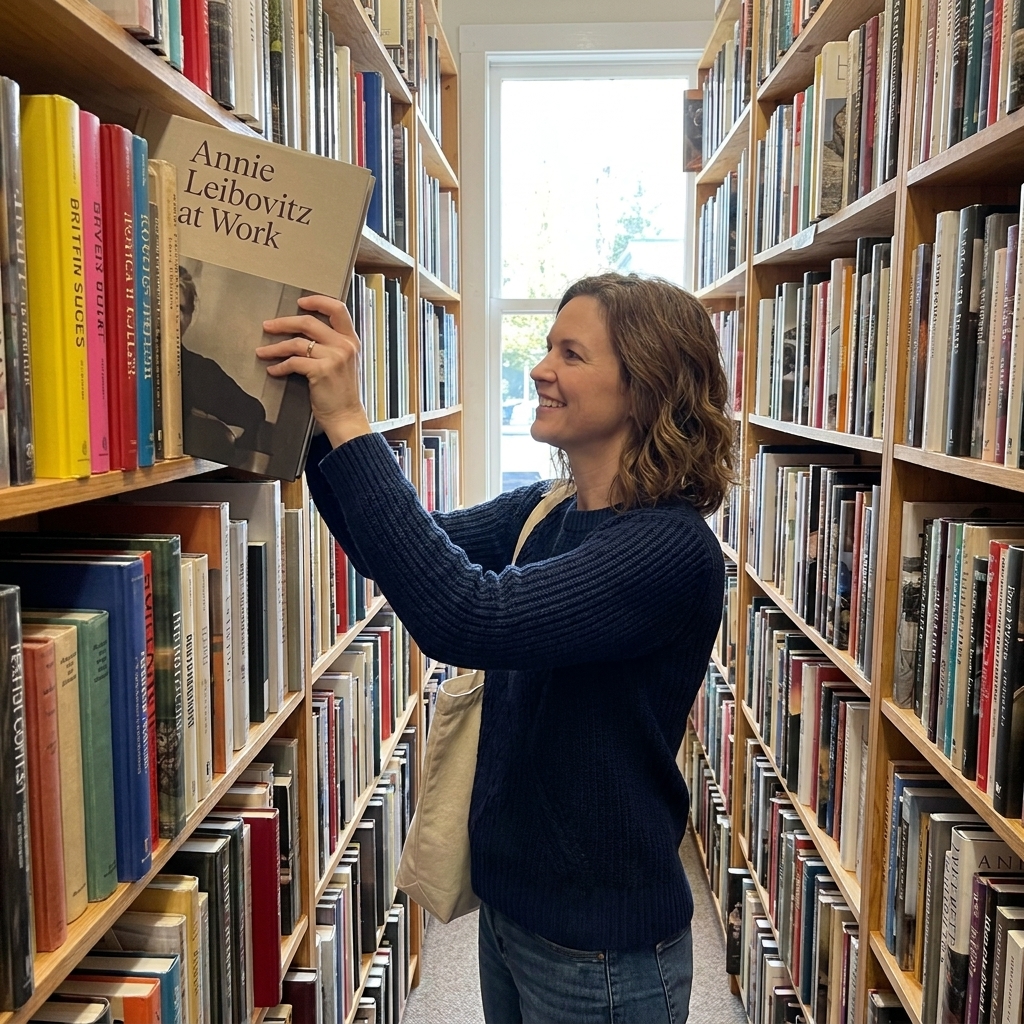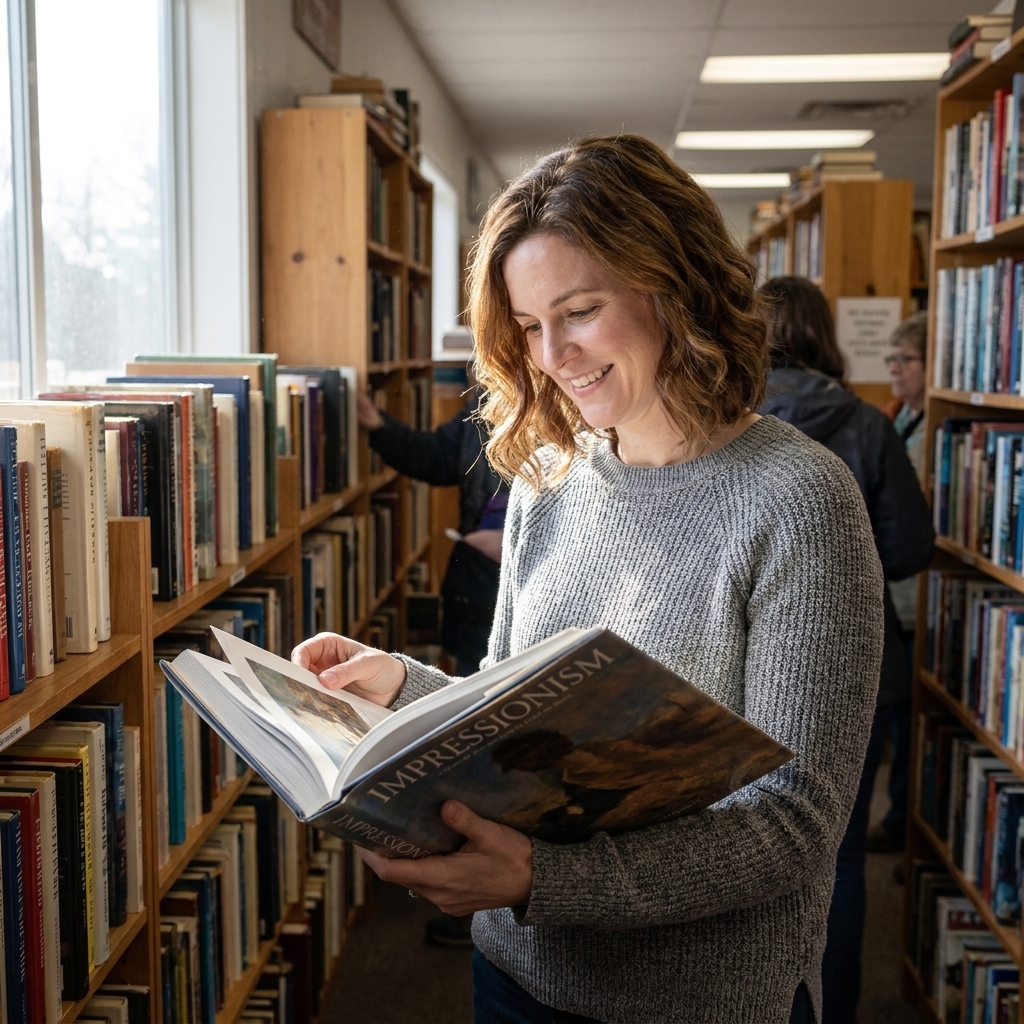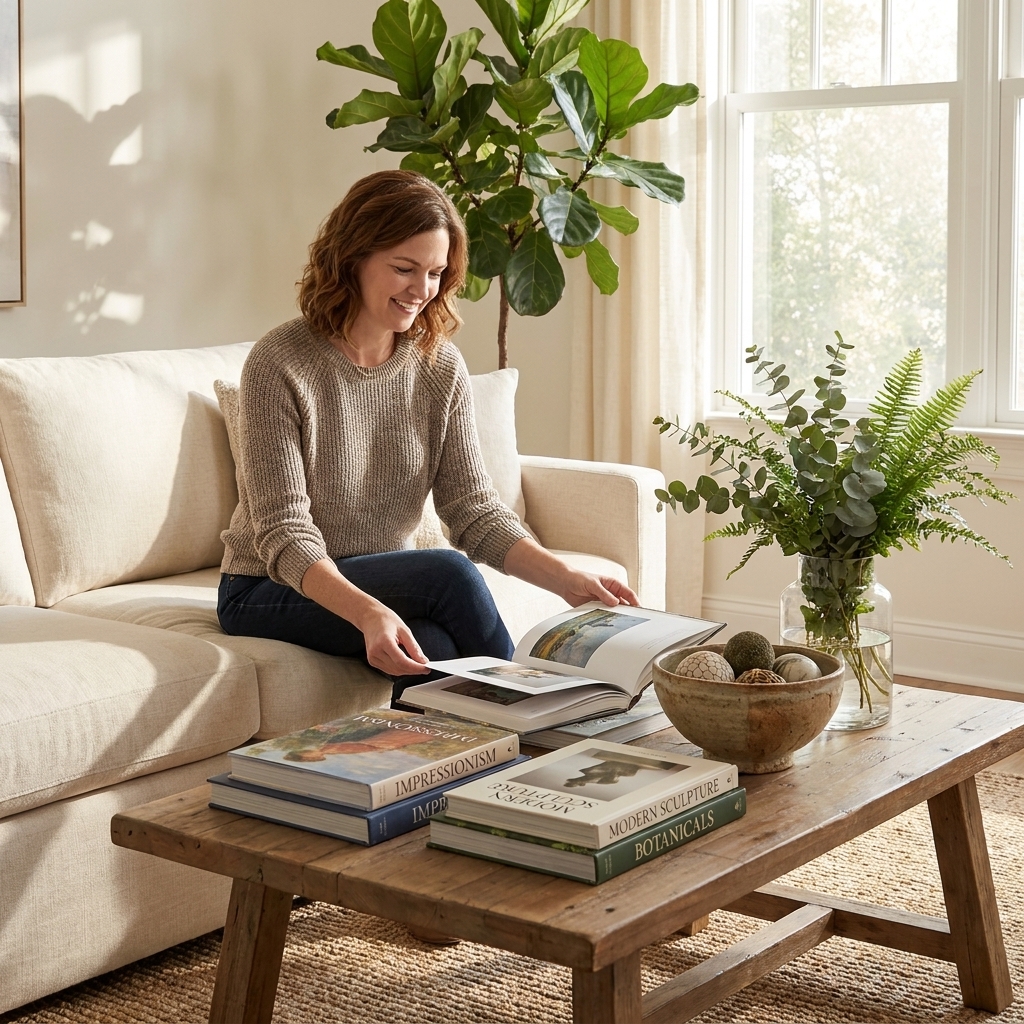
Photography books are a special kind of treasure. They are part gallery, part time capsule, and part object of desire, with paper types and inks that can be heartbreakingly sensitive. If you have ever opened a beloved photobook and noticed a faint “old basement” scent, a waviness to the pages, or a jacket that’s gone a little sun-bleached, you already know the stakes.
This guide walks you through the same practical steps I used when I was managing an indie bookstore and later while helping collectors triage their shelves at home. We’ll focus on the three biggest threats to rare photography books: humidity, sunlight, and physical stress on the spine and boards. The goal is not perfection. It is stability, gentle handling, and a setup you can maintain without turning your home into a museum.
Know what you are protecting
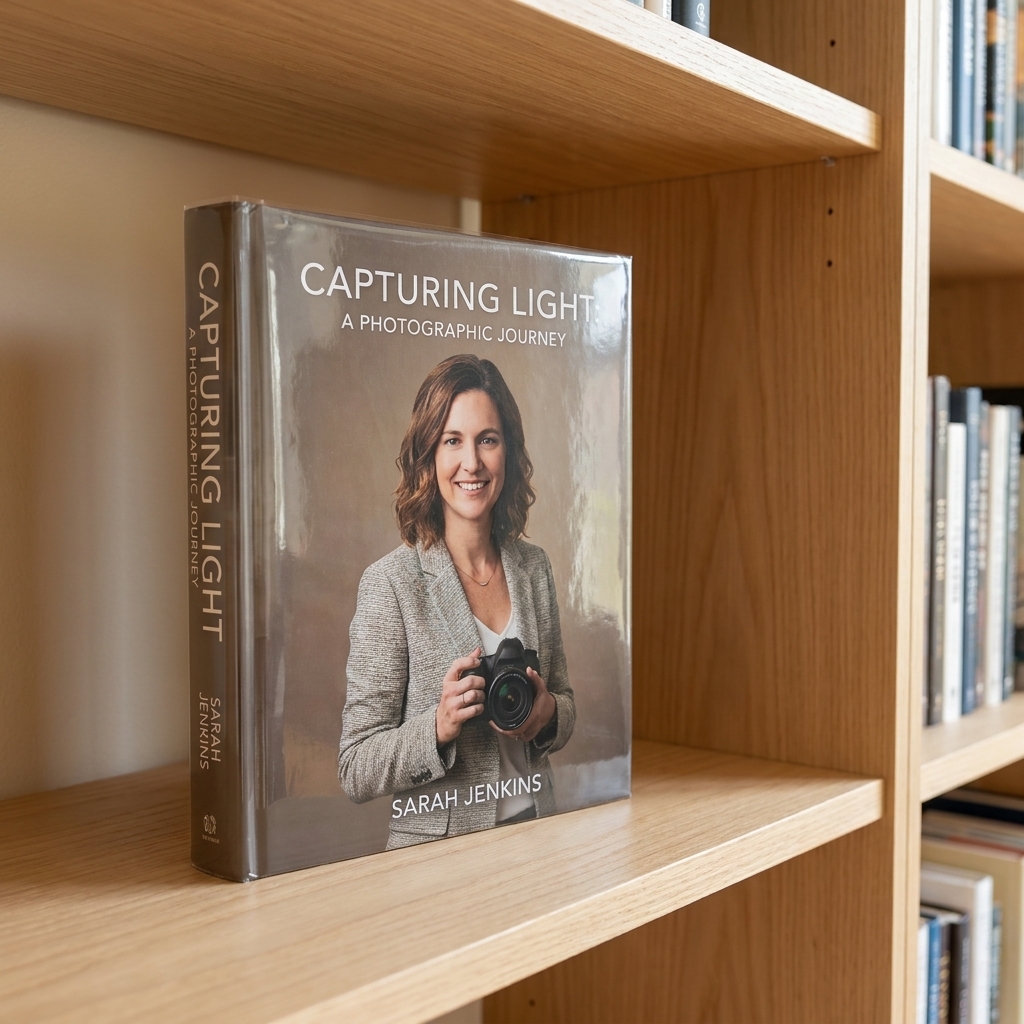
Rare photography books tend to be more fragile than they look. Many use coated papers, dense ink coverage, tipped-in plates, gatefolds, delicate dust jackets, and adhesives that can become brittle over time. Limited editions may include acetate jackets, belly bands, or slipcases that are easily scuffed or torn.
Common weak points in photo and art books
- Dust jackets and printed boards: prone to fading, rubbing, and edge wear.
- Coated and glossy pages: can block (stick together) with humidity plus heat and pressure, especially in tight stacks.
- Spines and hinges: heavy text blocks pull against the joints, especially when shelved too tightly or forced open flat.
- Special materials: acetate, metallic inks, and certain laminates can cloud, crack, or become tacky with heat.
If you are unsure whether a book is truly rare or simply beloved, treat it like it is rare anyway. Good preservation habits benefit every book on the shelf.
Step 1: Pick the safest spot
Where you store your books matters more than any fancy enclosure. The best location is boring in the best way: steady temperature, steady humidity, and low light.
Best places
- An interior room or hallway with stable conditions
- A bedroom or office that stays comfortable year-round
- Closed shelving or a cabinet in a low-traffic area
Places to avoid
- Attics and garages: big swings in temperature and humidity, plus pests.
- Basements: chronic damp and that musty airflow that loves paper.
- Directly under HVAC vents or near radiators: drying, blasting airflow and heat stress.
- Against an exterior wall: more temperature fluctuation and condensation risk.
- In kitchens: grease aerosols and humidity spikes from cooking.

Step 2: Control humidity and temp
Humidity is the sneakiest enemy because it invites a whole entourage: mold, cockling pages, warped boards, and even insects. Temperature matters because heat speeds up the chemical aging of paper and adhesives.
A practical target range
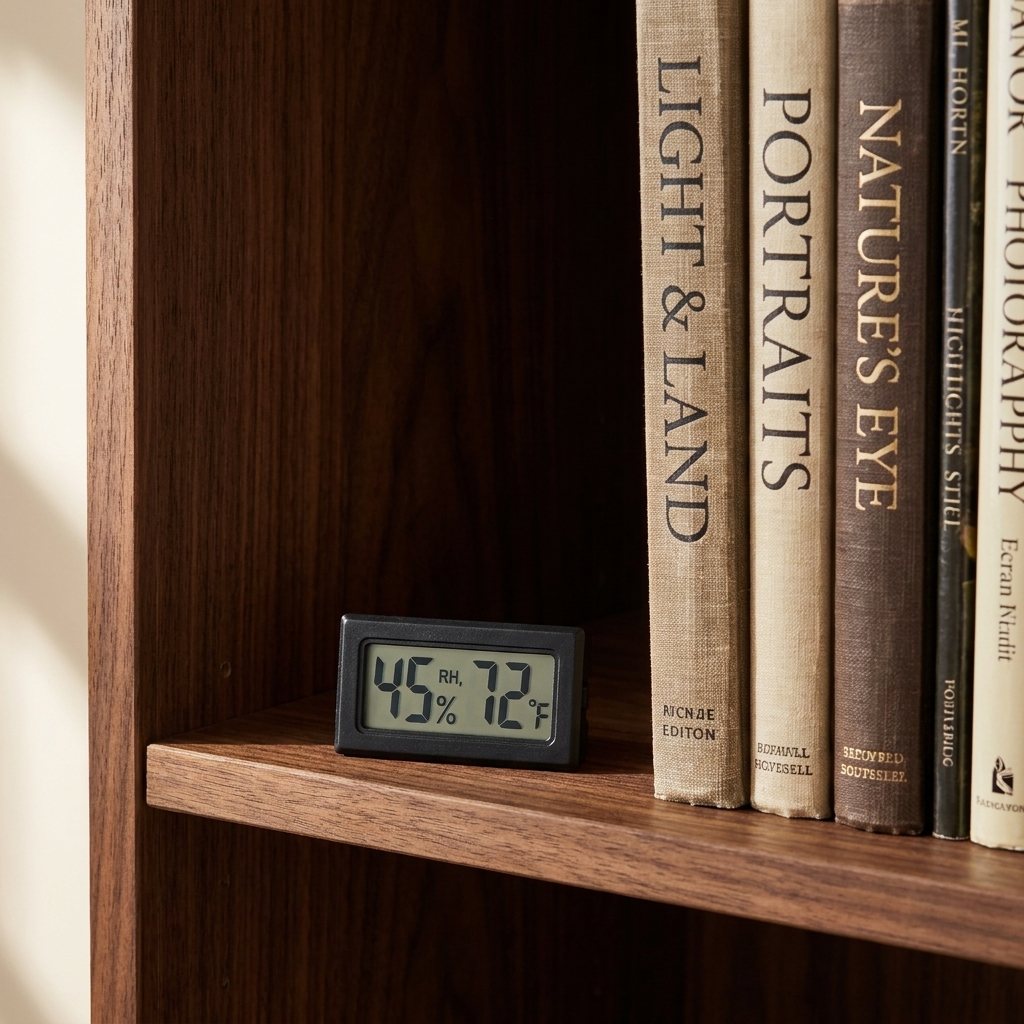
- Relative humidity: common home-preservation recommendations land around 35% to 50% RH, with as little fluctuation as possible. If you can, try to stay below about 55% to reduce mold risk.
- Temperature: roughly 65°F to 72°F (18°C to 22°C) is a comfortable, book-friendly zone for most homes, with stability more important than chasing a perfect number.
If you can only do one thing: prevent big swings. Stability matters, but so does not drifting into the muggy zone for long stretches.
Simple tools that make a big difference
- Hygrometer/thermometer: a small digital one placed near your shelves tells you what is actually happening.
- Dehumidifier: ideal for damp climates or basement-adjacent apartments. Empty it regularly and keep it clean.
- Humidifier: helpful in very dry winters, but keep it across the room and monitor closely. Over-humidifying is worse than staying slightly dry.
- Air circulation: do not press shelves flush against walls. Leave a little breathing room behind and around them.
If you ever smell mildew when you open a book, treat it as a warning flare. Mold can spread through a shelf surprisingly fast.
Step 3: Protect from light
Sunlight is relentless. It fades dust jackets, bleaches cloth, and can yellow paper over time. Even bright ambient light can cause gradual damage if it hits the same spines day after day.
Light-smart habits
- Keep shelves out of direct sun: if a sunbeam lands on your books for an hour a day, that adds up.
- Use curtains, shades, or UV-filtering window film: especially for south- or west-facing windows.
- Prefer warm LED bulbs: LEDs emit far less UV than older bulbs and run cooler.
- Rotate display books: if you love facing a cover out, swap it periodically so one jacket is not taking all the light exposure.
If you collect iconic photobooks with black spines and bold typography, light damage is painfully obvious. Think of light control as preservation you can see.
Step 4: Shelve like a conservator
Most spine damage is not dramatic. It is cumulative: a heavy book leaning, a shelf that is too tight, a habit of yanking at the top of the spine, or storing a massive monograph upright without enough support.
Upright vs. flat storage
- Store upright for most standard hardcovers when they are well-supported and not oversized.
- Store flat for very large, heavy, or delicate books (think tall folios, thick monographs, books with loose inserts, or compromised hinges).
For flat stacks, keep them short. As a rule of thumb, three to five books is a comfortable maximum, depending on size and weight. Too much pressure can encourage page blocking and warping, especially with coated papers.
How to shelve upright books safely
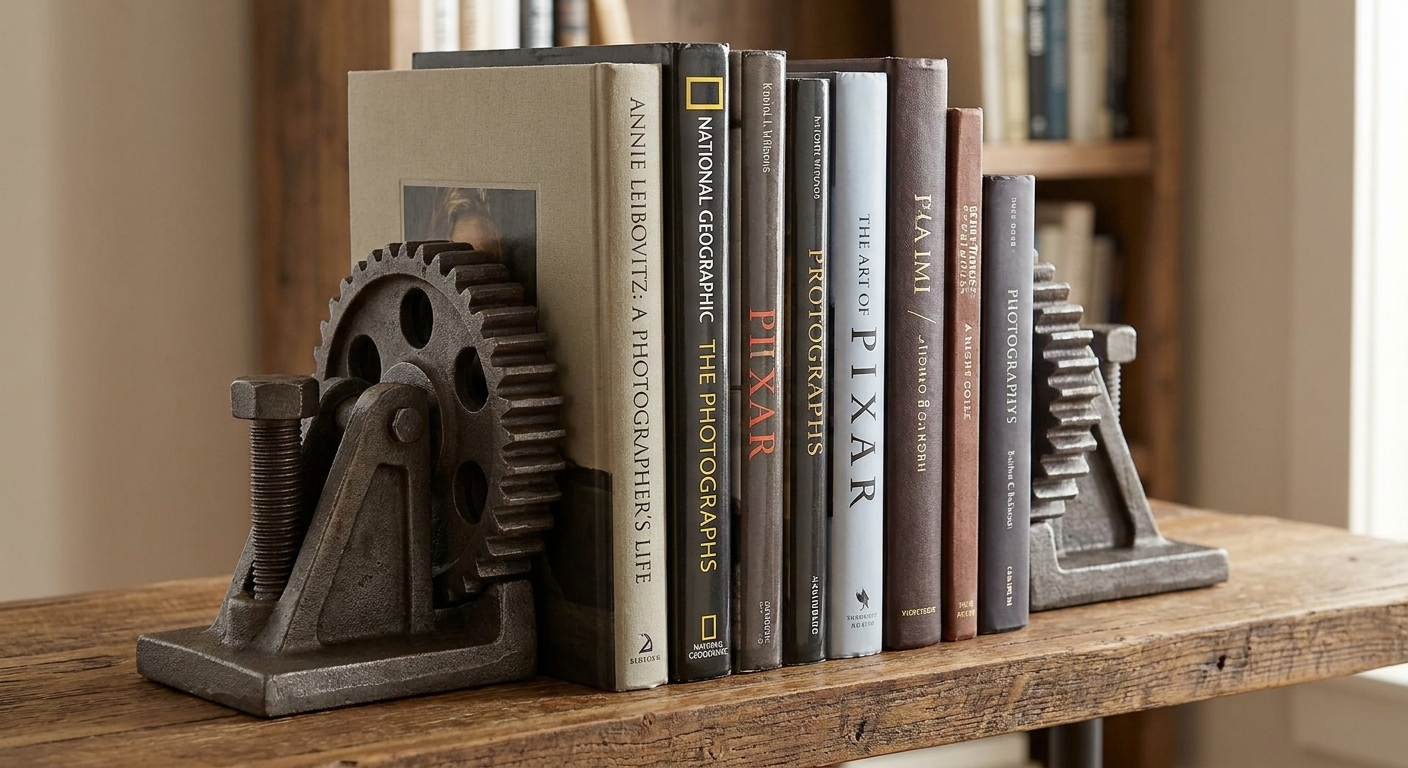
- Support the row: use sturdy bookends so books do not lean.
- Give them breathing space: snug is fine, jammed is not. You should be able to remove a book without scraping its neighbors.
- Keep books vertical: leaning puts pressure on joints and can pull at the spine.
- Match size to size: avoid storing small books next to tall, heavy ones that can slump onto them.
Step 5: Use a two-hand lift
I have watched hundreds of spines get quietly injured by one bad move: pulling a book out by the top of the spine. It feels natural, and it is a hinge-wrecker.
The safer way to remove a book
- Push the neighboring books back slightly so the target book has room.
- Grip the book at the middle of both boards (front and back), not the spine headcap.
- Lift straight out with two hands, especially for oversized volumes.
Reading habits that reduce wear
- Use a book cradle or pillows for large hardcovers so the spine is not forced open flat.
- Do not press a book open to “train” it. Photography bindings often do not want that.
- Keep food and drink at a distance, especially from matte dust jackets that stain easily.
White gloves are not necessary for most situations and can reduce dexterity. Clean, dry hands are usually safer than slippery fabric.
Step 6: Use archival protection
Not every book needs to be bagged and boarded. But for rare photography books, first editions, signed copies, and anything with a fragile jacket, a few archival supplies go a long way.
Dust jacket covers
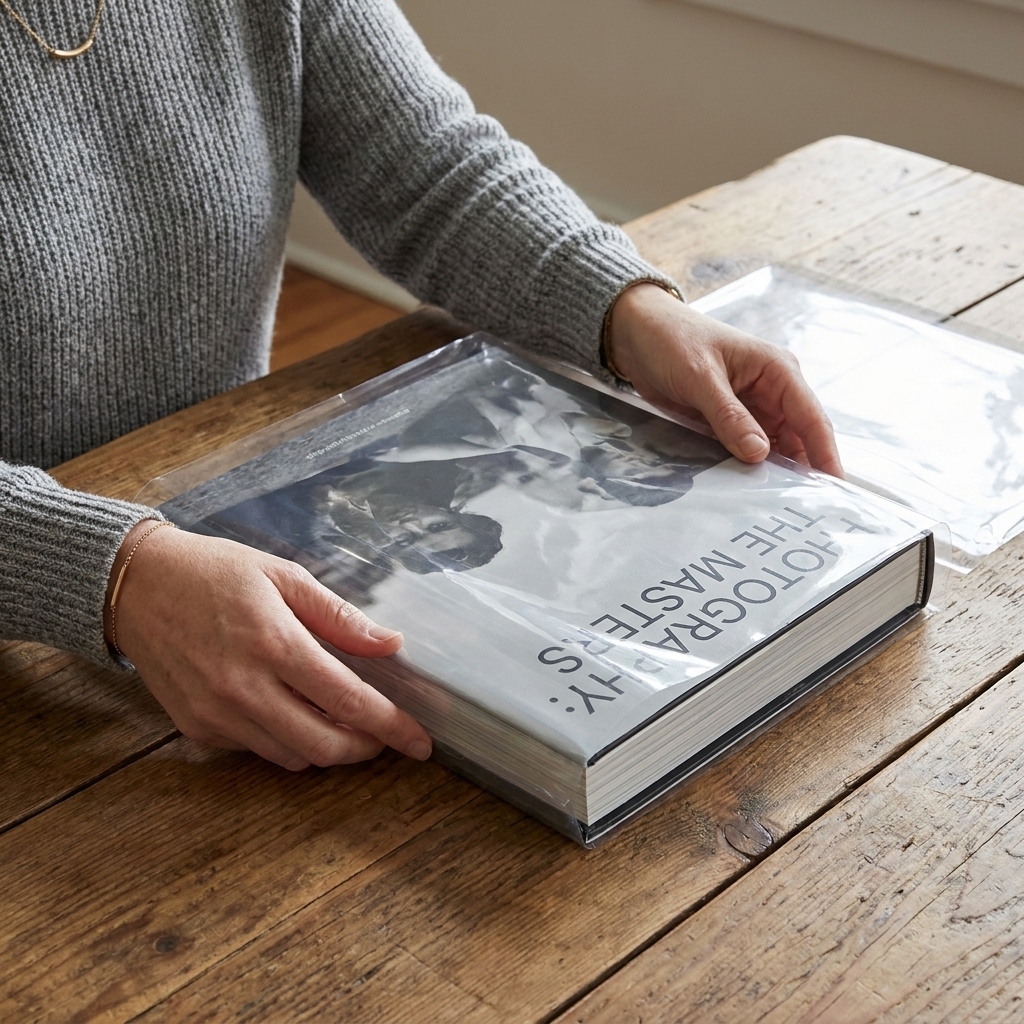
A clear, archival dust jacket cover is one of the best upgrades you can make. It reduces rubbing, shields from fingerprints, and adds a little water resistance in everyday life.
- Choose archival-quality, inert plastic from a reputable supplier, such as polyester (often sold as Mylar) or polypropylene.
- Avoid cheap, cloudy plastics that can stick, off-gas, or become brittle.
- If your jacket is already fragile, consider having it fitted by a local bookbinder or conservator.
Slipcases and clamshell boxes
For truly valuable books, a custom clamshell box is the gold standard: it protects from light, dust, and shelf wear while supporting the structure. A well-made slipcase is also helpful, though it offers less protection at the edges.
Interleaving for problem materials
If you have a book with known sticking issues, or a volume with delicate inserts, archival interleaving paper can help, but it should be used thoughtfully. Adding paper changes the way the book closes and can stress the spine if overdone.
Step 7: Keep dust and fumes away
Dust is not just an aesthetic issue. It holds moisture, can be mildly abrasive, and invites pests if left to accumulate.
Also watch for invisible trouble: fumes and off-gassing. Fresh paint, solvents, fragranced products, and some woods (like cedar) can leave residues and odors that cling to paper and cloth.
A gentle cleaning routine
- Light dusting monthly: use a clean, soft microfiber cloth on shelves and the tops of books.
- Vacuum nearby, not on books: if you vacuum shelves, use a brush attachment and keep suction low.
- Spot clean cautiously: never use household cleaners on dust jackets or cloth. If something sticky happens, a conservator’s advice is worth it.
If you live in a wildfire-prone region or a city with higher pollution, closed cabinets can offer surprising peace of mind.
Step 8: Watch for mold and pests
Rare books do not usually fail dramatically. They whisper. A little ripple in paper. A faint speckling at the gutter. A sweet, musty odor that was not there last year.
Red flags
- Musty smell that intensifies when the book is opened
- Powdery or fuzzy spots on paper, cloth, or boards
- Small pepper-like specks that could indicate insect activity
- Wavy pages and warped covers that suggest moisture exposure
If you suspect mold
- Isolate the book in a breathable paper bag or box (not plastic for long-term storage).
- Reduce humidity in the room immediately.
- Avoid brushing mold indoors, as spores can spread.
- Check the two books on either side, plus the shelf above and below.
- If the book is valuable, contact a professional conservator rather than experimenting.
With mold, speed matters. If one book is affected, assume its neighbors have been invited to the party.
Step 9: Moving and travel tips
Most serious dings happen during “just a quick move.” A rare photobook sliding around in a tote bag is a tragedy you can prevent.
For short trips
- Use a snug book bag or wrap the book in acid-free tissue.
- Transport flat for oversized volumes.
- Keep it out of hot cars, even for a quick errand.
For moving house
- Use small, sturdy boxes. Books get heavy fast.
- Pack books upright or flat with minimal shifting.
- Pad empty space so spines do not bang against corners.
- Let books acclimate if you are moving from a humid space to a dry one (or vice versa). Sudden changes can cause warping.

Step 10: What to do after water
Water damage is where calm, fast decisions matter. The goal is to keep damage from multiplying.
If a book got damp
- Act quickly: remove it from the shelf so it does not share moisture with its neighbors.
- Blot, do not rub: use clean, absorbent paper to blot covers and edges.
- Air-dry with support: stand the book slightly open like a tent in a well-ventilated room, away from heat sources and direct sun. A fan in the room is fine, but do not blast air directly at the book.
- Interleave carefully: if pages are wet, place plain, unprinted absorbent paper between small sections and change it frequently. Do not overstuff.
- Call a pro for valuable books: and if the book is soaking wet, treat it as an emergency.
If you cannot deal with a thoroughly wet book right away, freezing can be a stopgap to slow mold growth until a conservator can take over. It is not a cute hack. It is triage.
Step 11: Decide on repairs
For rare photography books, well-meaning DIY repair can reduce value and cause long-term damage. Pressure-sensitive tape, glue from a craft drawer, and laminate covering are the usual suspects.
When to seek a professional
- Loose or detached boards
- Split hinges or cracked joints
- Severe warping or water damage
- Tears on a valuable dust jacket
A reputable book conservator or binder can often stabilize a book with minimal visual impact. If the book is valuable, get an opinion before doing anything irreversible.
Quick setup checklist
- Interior shelving away from windows and exterior walls
- Humidity monitored with a hygrometer, kept roughly 35% to 50% RH when possible
- Stable, comfortable room temperature
- Books supported upright with bookends, oversize volumes stored flat
- Archival dust jacket covers on your most vulnerable jackets
- Gentle handling: two hands, no spine-yanking, no forced flat opening
- Regular light dusting and occasional condition check
FAQ
Should I store photography books in plastic bags?
Generally, no. Sealed plastic can trap moisture and encourage mold. If you want extra protection, use breathable enclosures or archival-quality covers designed for books, and focus on stable room humidity.
Is it okay to store books flat?
Yes, especially for large and heavy photography books. Keep stacks short and make sure nothing on top is crushing a delicate slipcase or warping boards.
Do I need a dehumidifier in the Pacific Northwest?
Often, yes, at least seasonally, depending on your building. Portland apartments can swing from damp winters to surprisingly dry heated interiors. A simple hygrometer will tell you whether you are consistently above about 50% relative humidity.
How do I stop dust jackets from tearing at the edges?
An archival dust jacket cover is the most effective everyday protection. Also make sure the book is not packed too tightly on the shelf, which causes jackets to snag and crease.
What is the biggest mistake collectors make?
Storing books where they “look nice” rather than where conditions are stable. A sunlit shelf is gorgeous until you notice the spines fading like a slow-motion disappearing act.