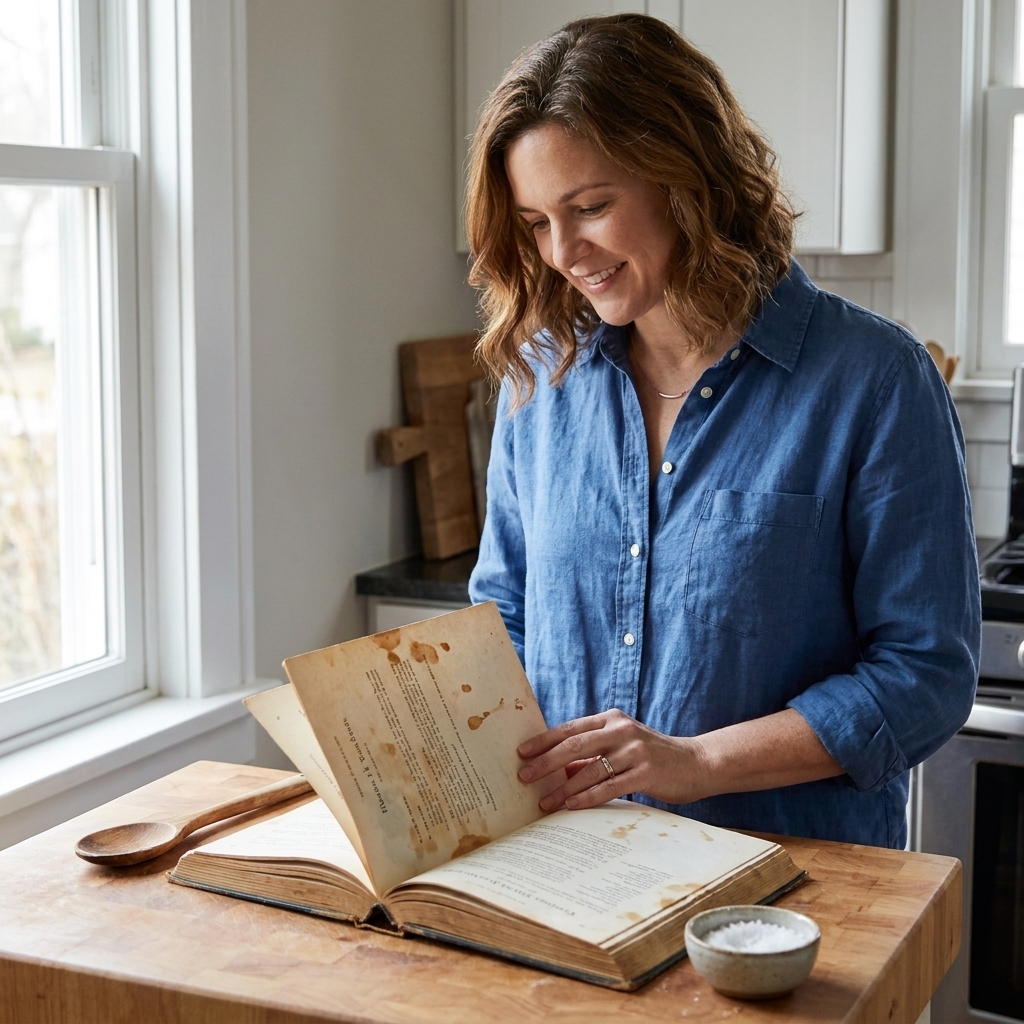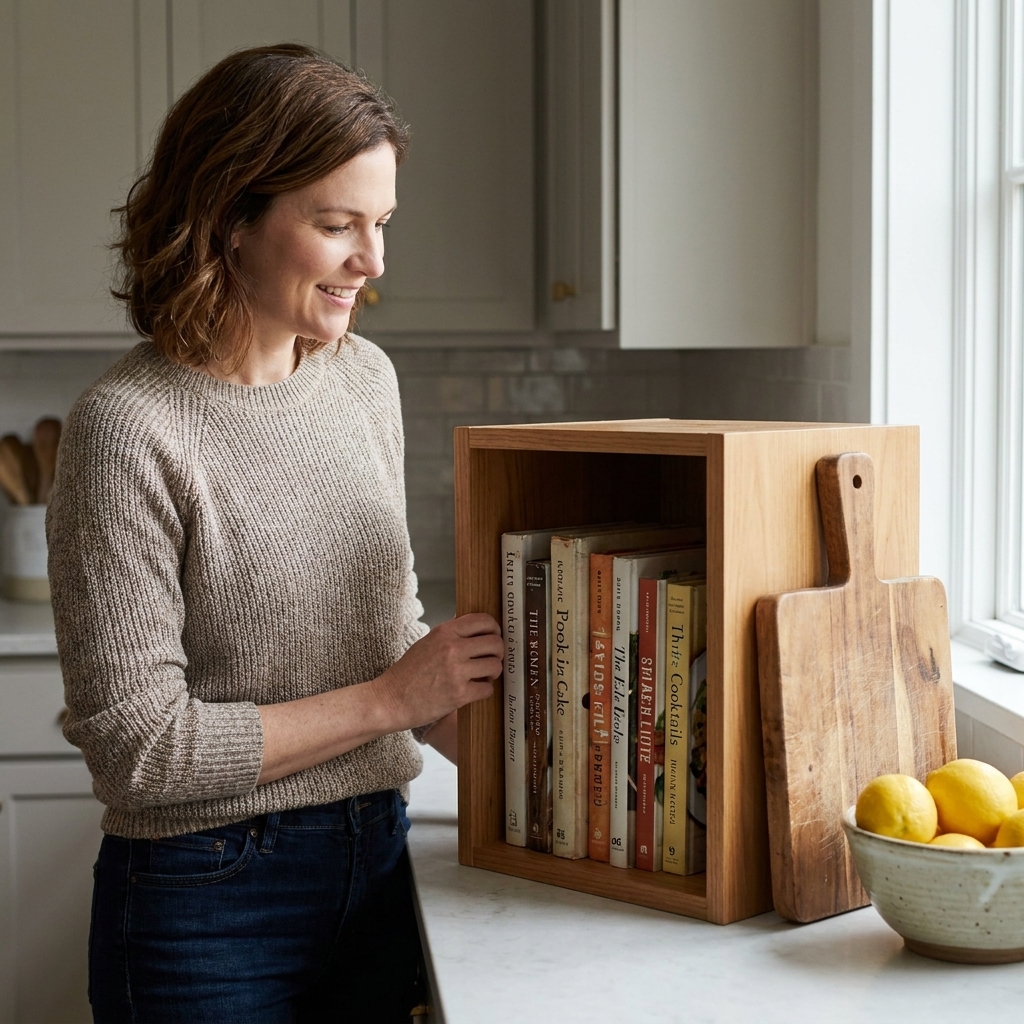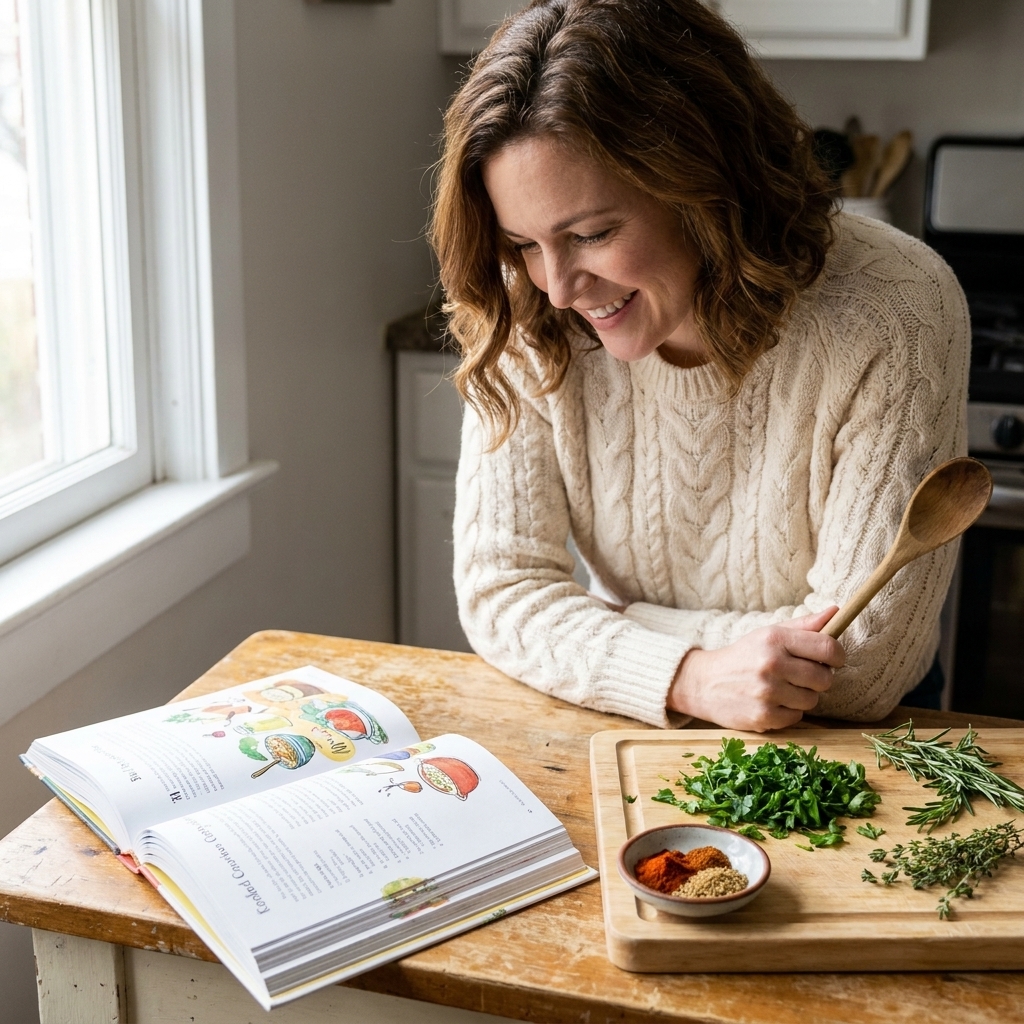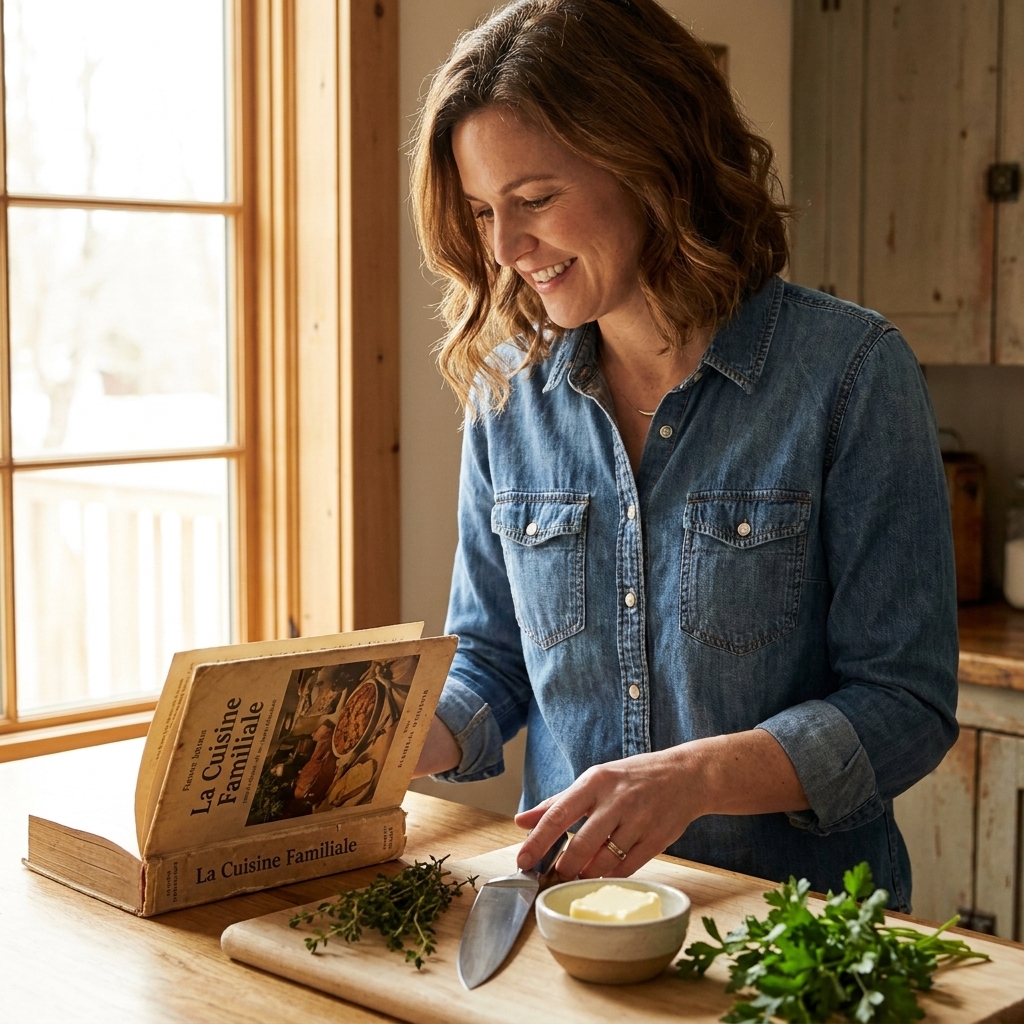
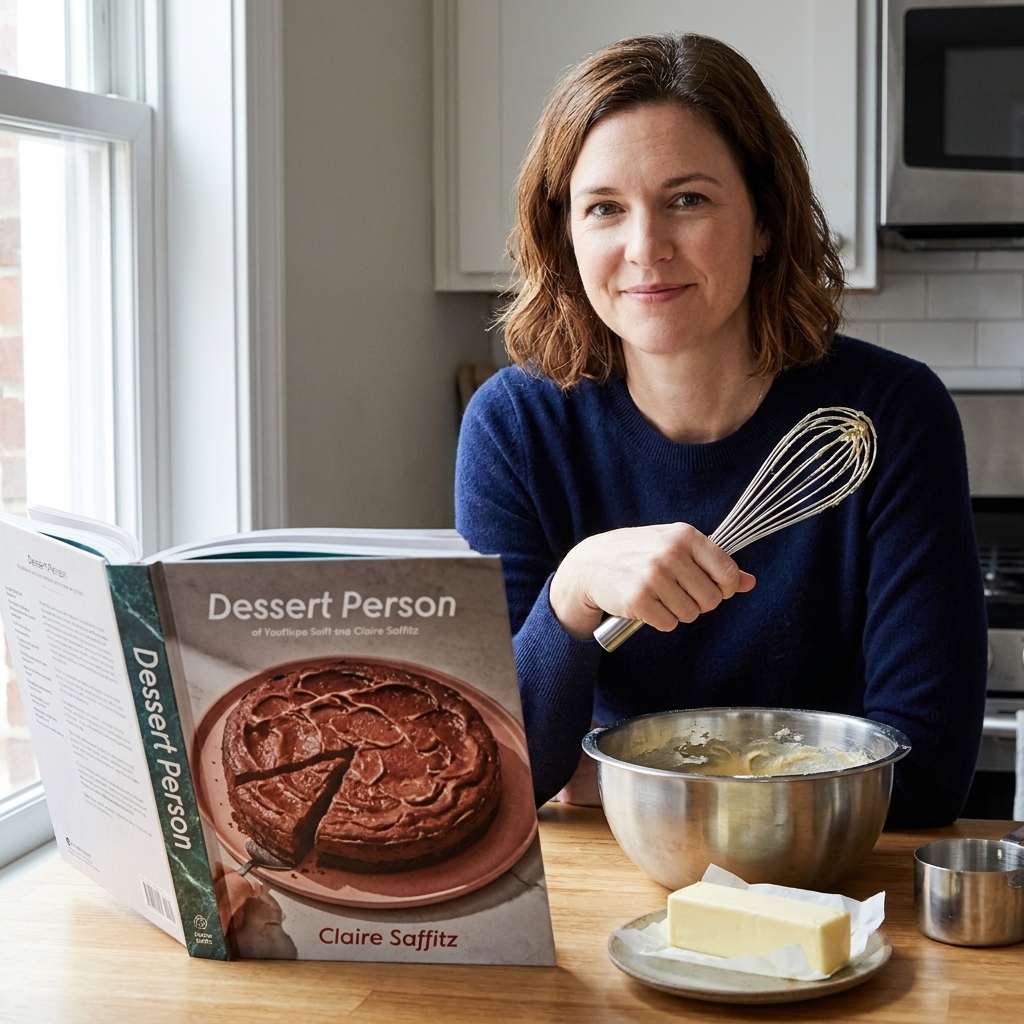
There are cookbooks you flip through like a magazine, and cookbooks you keep open on the counter until the spine softens and the pages get that fine dusting of flour that says, we actually bake from this. Claire Saffitz’s Dessert Person and Stella Parks’s BraveTart both land squarely in the second camp, but they do it with wildly different energy.
Think of this as less “who wins?” and more “who are you in the kitchen on a Saturday afternoon?” The comfort-seeking baker who wants a joyful project and a big payoff? Or the curious baker who loves knowing why something works, and is willing to measure with a little more precision to get there?
At a glance
- Best for baking confidence: Dessert Person
- Best for baking fluency: BraveTart
- Flavor mood: Dessert Person leans modern, bright, and playful. BraveTart leans nostalgic, classic Americana, and tightly tested for specific textures.
- Difficulty curve: Dessert Person has a friendlier ramp with a mix of quick wins and bigger weekend projects. BraveTart can look simple, but often asks for more technique and exactness.
- Kitchen style: Dessert Person is encouraging and intuitive. BraveTart is methodical, explanatory, and deeply thorough.
The vibe
Dessert Person (Claire Saffitz)
Dessert Person reads like the most competent friend you know gently stepping in when your pie dough starts to sweat. Claire’s tone is warm and calming, and the book is built around forward motion. You get clear categories, plenty of context in the headnotes, and frequent cues that help you plan ahead (especially for components you can prep earlier).
The overall vibe is modern home baking with a pastry-chef backbone: brown butter, tang, crisp edges, and that contemporary bakery-case love of a “little something extra” like toasted sugar or a savory note.
Recipe examples people bake again and again: her malted forever brownies, the blood orange olive oil cake, and the famously dramatic (and doable) tarte tatin.
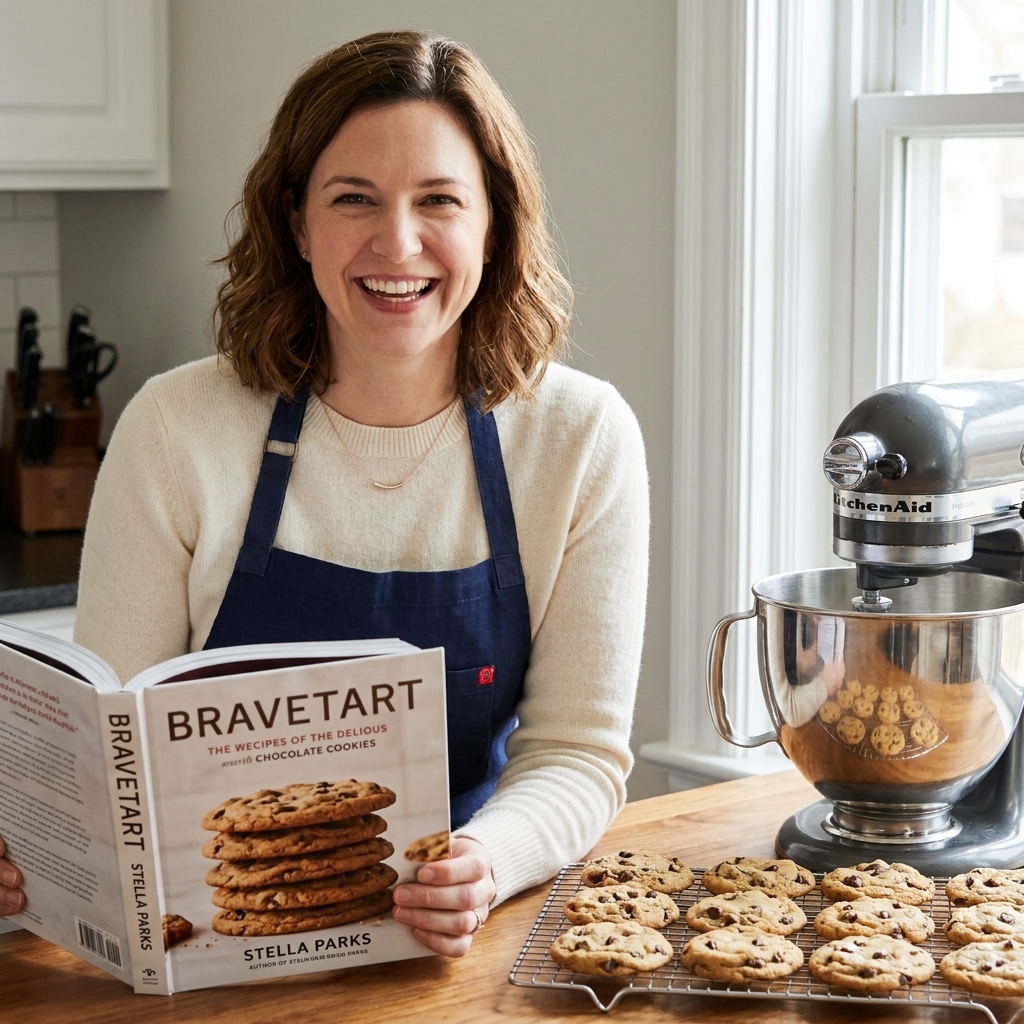
BraveTart (Stella Parks)
BraveTart is the book I reach for when I want to understand dessert the way you understand a great novel: character motivation, backstory, and the engine beneath the plot. Stella Parks writes with the specificity of a recipe developer who has tested a thing into the ground, then tested it again because she had a better idea at 11 p.m.
It’s a love letter to iconic American sweets, from birthdays to bake sales, but with a serious culinary brain behind it. If you’ve ever bitten into a supermarket treat and thought, “I want this, but… real,” BraveTart is your book.
Recipe examples that show what she does best: her homemade Oreos, the Classic Yellow Cake, and her deeply researched take on Red Velvet Cake.
Difficulty
Both books can make you a better baker. They just ask for different kinds of bravery.
Dessert Person: projects with guardrails
Claire is great at giving you a sense of the road ahead. A lot of the book is designed to be achievable for enthusiastic home bakers, with a spectrum that runs from lower-effort bakes (think cookies, snacking cakes, simple bars) to multi-component showstoppers.
- Difficulty is often about steps, not mystery. You may toast nuts, brown butter, or build a component, but the instructions tend to anticipate common missteps.
- Great for visual and sensory learners. You get cues for look, smell, and texture, plus pacing that helps you keep your place.
- When it gets hard: laminated doughs, certain tarts, and anything with multiple components. Even then, the tone stays steady and human.
BraveTart: simple on paper, precise in practice
Stella’s recipes often look straightforward because they are built on strong fundamentals. But they can be less forgiving if you like to eyeball, swap pans without thinking, or make “just one tiny” substitution.
- Difficulty is about accuracy. Temperatures, timing, and weights matter, especially for recipes aiming at a specific texture.
- Technique is explained, not just demanded. Her headnotes frequently cover ingredient function, method choices, and the reasoning behind them.
- When it gets hard: candy and syrup stages, copycat-style nostalgia bakes, and recipes where texture is the whole point.
Flavors
Dessert Person flavors
This book loves contrast: sweet plus tang, rich plus bitter, creamy plus crisp. You’ll see plenty of citrus, cultured dairy notes, toasted flavors, and that signature “pastry chef, but make it cozy” sensibility.
- Expect: brown butter warmth, bright fruit, chocolate used with intention, subtle savory notes, and a lot of “just one more bite” balance.
- Best for: bakers who like contemporary bakery flavors and desserts that feel special without being overly fussy.
BraveTart flavors
BraveTart aims for the Platonic ideal of the classics: the perfect chocolate cake, the perfect cookie, the perfect brownie that makes you wonder why you ever settled for a box mix. The sweetness is often more direct, but it’s also carefully controlled, with salt, vanilla, and cocoa doing heavy lifting.
- Expect: deep vanilla, cocoa-forward chocolate, caramelized sugar, and “childhood memory, but upgraded.”
- Best for: bakers who love Americana and want results that are consistent and repeatable.
Usability
Navigation
- Dessert Person: browseable and inviting. It supports impulse baking well, and the effort-level framing makes it easy to pick a project that matches your day.
- BraveTart: also easy to navigate, but it rewards reading first. Many recipes click best after you’ve absorbed the headnotes and the logic behind the method.
Ingredients
- Dessert Person: mostly standard grocery store items, with occasional specialty touches (a favorite chocolate, a specific flour, a tangy dairy product). Nothing feels unreachable, but you may build a pantry over time.
- BraveTart: often pantry-friendly, but she is particular about formats and weights. For example, she may specify natural vs. Dutch-process cocoa or call for particular sugar types to hit a target texture.
Tools
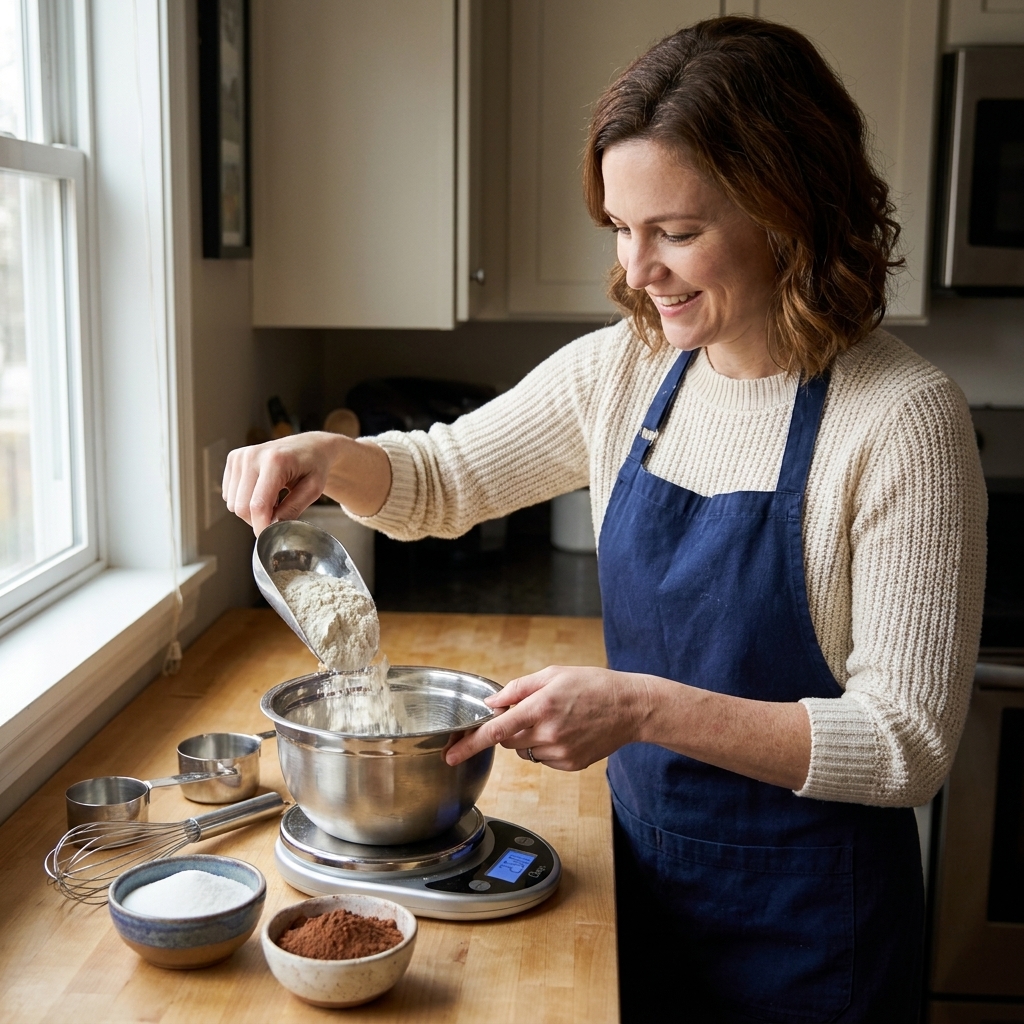
Both books benefit from a kitchen scale and an oven thermometer. BraveTart especially shines when you can follow weights closely, while Dessert Person feels a bit more flexible if you are still building your toolkit.
If you want one small upgrade that improves both books: get a reliable kitchen scale. It’s the cheapest confidence you can buy.
Teaching style
Dessert Person
Claire teaches through clarity and reassurance. She tells you what to look for, what it should smell like, and what to do if it looks a little off. It’s the kind of writing that lowers your shoulders while you bake.
BraveTart
Stella teaches through explanation. You get the why behind the method, ingredient function, and often a bit of history around the dessert itself. It’s not showy, it’s generous. If you like understanding the mechanics of sweetness and structure, you will feel cared for here.
Design and photos
- Dessert Person: modern, highly photographic, and easy to cook from while standing at the counter. The layout encourages you to start, even if you are not in a “read every headnote” mood.
- BraveTart: also photo-rich, with headnotes that do real work. If you like learning while you bake, the format supports that kind of deep dive.
Swaps and dietary needs
Neither book is primarily written as a dietary-specific baking guide. You will find recipes that naturally fit certain needs (some are nut-free, some are egg-free, some are easy to make alcohol-free), but gluten-free or dairy-free baking is not presented as a main throughline. If you rely on those swaps often, plan to use these books as inspiration and bring a trusted substitution resource alongside.
Which one to buy
Choose Dessert Person if you want:
- a modern baking book that feels like a friendly companion
- desserts with bright, layered flavors and bakery-style polish
- a mix of lower-effort bakes and bigger weekend projects, plus planning cues
- a confidence boost that helps you bake more often
Choose BraveTart if you want:
- the best possible versions of classic American desserts
- deep explanation and repeatable results
- a book that makes you feel like you leveled up after every bake
- to recreate nostalgic treats with from-scratch integrity
If you can only buy one
For most home bakers, I’d start with Dessert Person if you want to bake more frequently and feel supported along the way. Go with BraveTart if you are specifically chasing classics and you love precision, process, and understanding the mechanics of sweetness.
And if you’re the kind of reader who keeps a “To Be Read” pile and a “To Be Baked” list, the honest answer is that these two books complement each other beautifully. One is the voice that says “let’s make something gorgeous today.” The other is the voice that says “let’s make the definitive version and never look back.”
Where to start
First bakes in Dessert Person
- Try: malted forever brownies if you want a high-reward, low-drama win.
- Try: a snacking cake like the blood orange olive oil cake for confidence with cakes.
- Try: a fruit-forward recipe when you want something seasonal that still feels special.
First bakes in BraveTart
- Try: homemade Oreos to see how she nails an iconic texture from scratch.
- Try: a bar or brownie when you want precision to pay off fast.
- Try: the Classic Yellow Cake when you are ready to practice timing, mixing, and doneness cues.
FAQ
Are these books good for beginners?
Dessert Person is generally more beginner-friendly because the instructions read like a hand on your shoulder. BraveTart can absolutely work for beginners too, especially patient ones, but it tends to assume you will follow the method closely and use precise measurements.
Do I need a stand mixer?
Not strictly, but it helps for both, especially for cakes, certain cookies, and frostings. A hand mixer plus determination can still get you very far.
Which one is better for learning technique?
BraveTart teaches technique through explanation and repeatability. Dessert Person teaches technique through approachable practice and clear sensory cues. If you want the why, pick Stella. If you want the how it should feel, pick Claire.
Which has the better everyday desserts?
Dessert Person tends to win for day-to-day baking because it offers more obvious quick wins alongside the bigger projects. BraveTart is everyday-friendly too, but it often pulls you toward “let’s perfect the classic,” which can feel like a slightly more focused mission.