Some cookbooks teach you dinner. The best illustrated cookbooks teach you dinner and a sense of momentum: a beginning, a middle, and a delicious ending you can practically see coming. When recipes are told through sequential art , little kitchen mysteries suddenly make sense. How finely is “finely chopped,” really? What does “fold until just combined” look like in motion? A panel-by-panel approach answers those questions with the calm certainty of a friend who has already made the mess and found the shortcut.
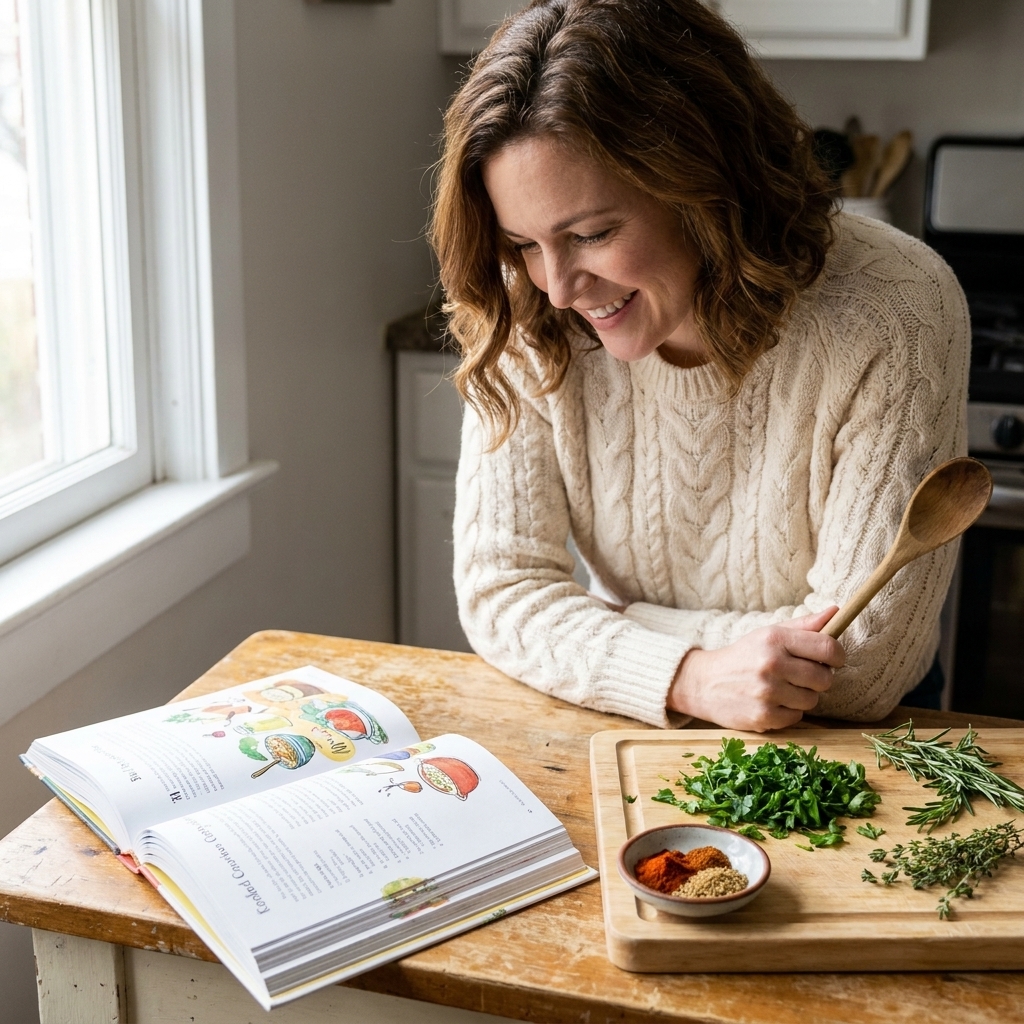
Below are five visual culinary books I think are genuinely worth shelf space. Some are true comic-format, step-by-step cookbooks. Others are more traditional in layout, but use illustration so well that you can practically feel the technique in your hands.
Why illustrated cookbooks work
Traditional cookbooks are great at listing instructions. Illustrated cookbooks are great at showing you the in-between moments: the texture you are aiming for, the pan size that actually makes sense, the timing cues that keep small things (like garlic) from tipping too far, the posture of a hand when you are rolling dough.
- Sequential art slows you down in a good way. You read with your eyes and your body, checking the picture against what is happening on your cutting board.
- Technique becomes visual memory. Once you have seen a drawn progression of whisked eggs turning glossy or onions shifting from pale to copper, you can recall it later without re-reading the whole recipe.
- They invite rereading. Like good comics, you come back for the details, the margins, the little jokes, the tiny background ingredients waiting their turn.
If you are in a cooking slump or a reading slump , these books can be a gentle on-ramp back into both.
5 illustrated cookbooks to own
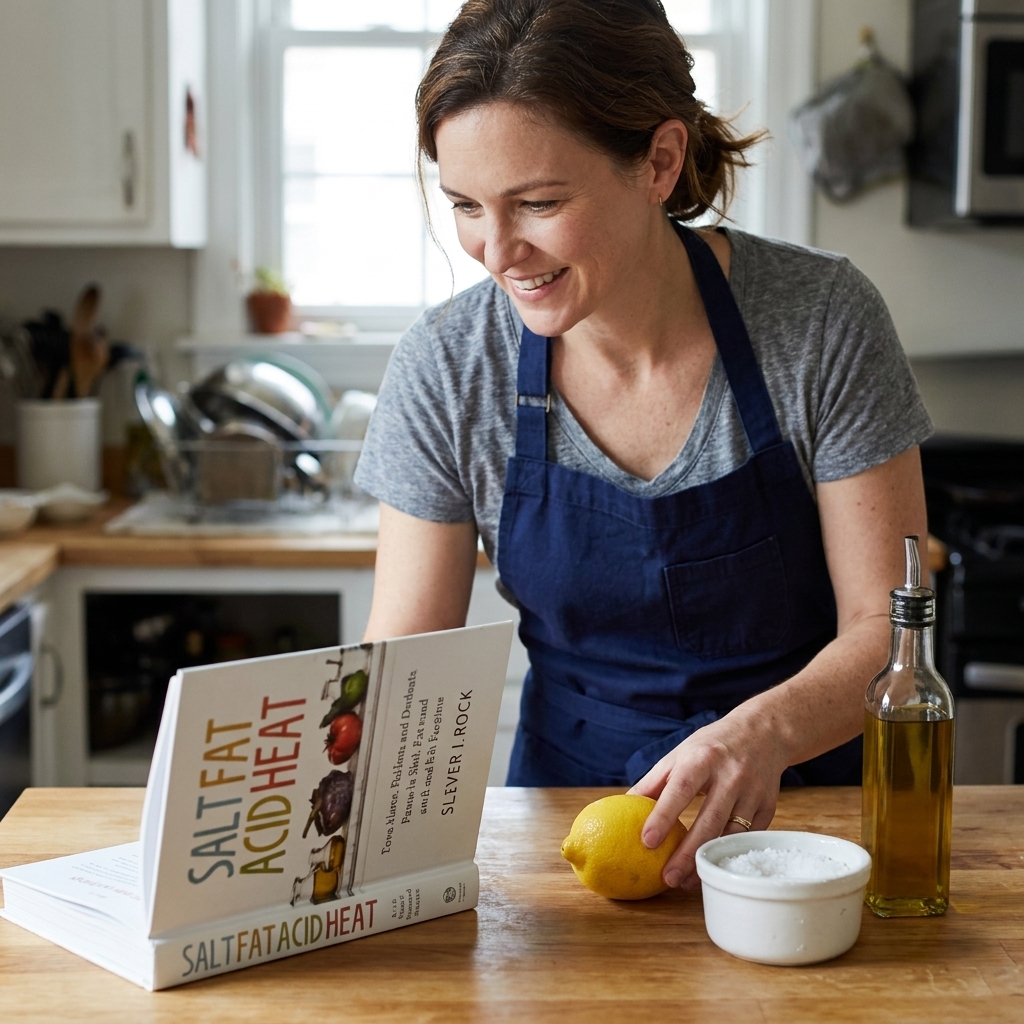
1) Salt Fat Acid Heat by Samin Nosrat, illustrated by Wendy MacNaughton
This is not a comic in the strict sense, but it is one of the clearest examples of how drawing can make cooking feel friendly instead of fussy. Nosrat teaches the four elements that quietly power most great meals, and MacNaughton’s illustrations do constant behind-the-scenes work: translating abstract flavor ideas into images you can grasp instantly.
Why you will keep it: it builds confidence. You start thinking in “add brightness” and “soften with fat” instead of clinging to a recipe like a life raft.
Best for: cooks who want to understand why things taste good, plus visual learners who love doodle-like warmth on the page.
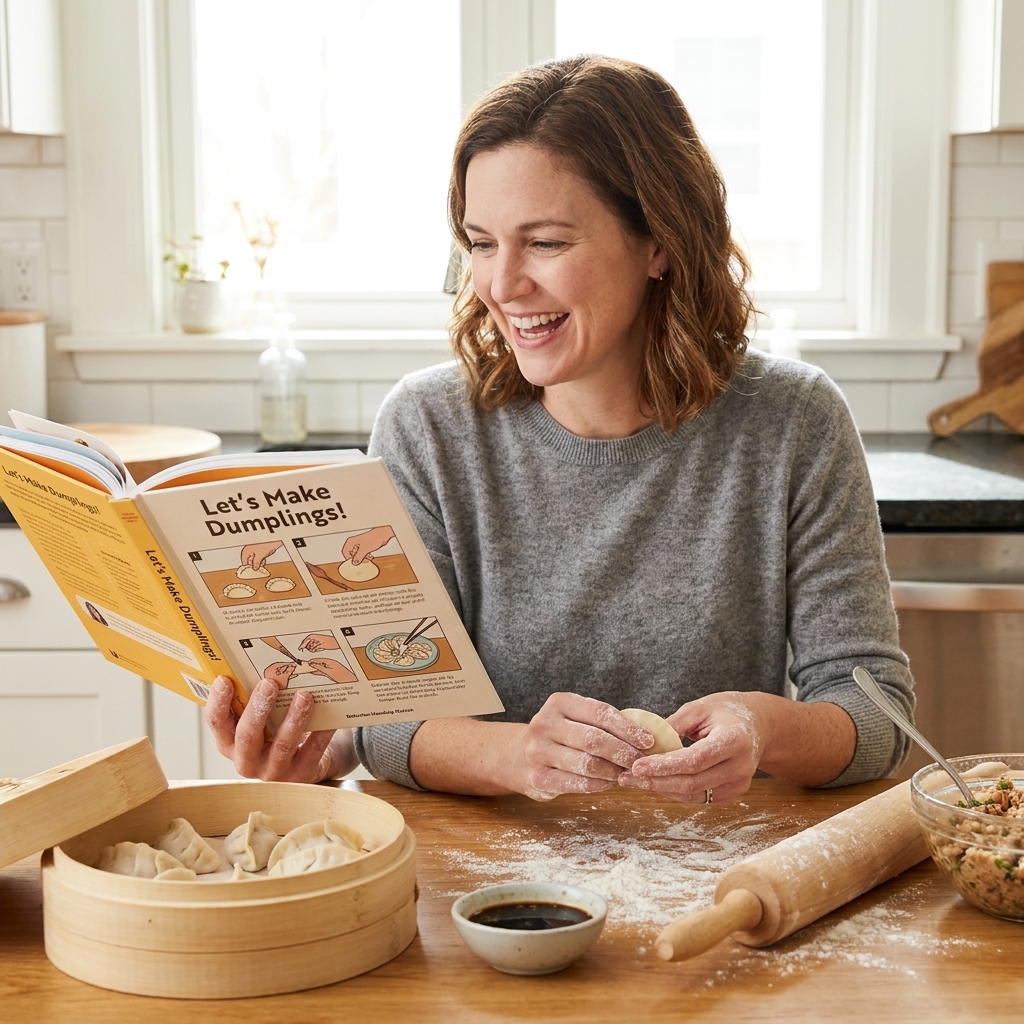
2) Let’s Make Dumplings! by Hugh Amano and Sarah Becan
If you have ever wished someone would stand beside you and gently narrate dumpling-making, this is that experience in book form. Amano and Becan use a comic-forward structure that makes each step feel doable, from mixing dough to crimping edges without panic. It also does something I adore: it treats dumplings as culture, comfort, and technique all at once.
Why you will keep it: it is a genuinely cook-from-it book, not just a cute concept. The visuals make tricky steps like sealing and pleating far less intimidating.
Best for: weekend kitchen projects, family cooking, and anyone who wants dinner to feel like craft time.
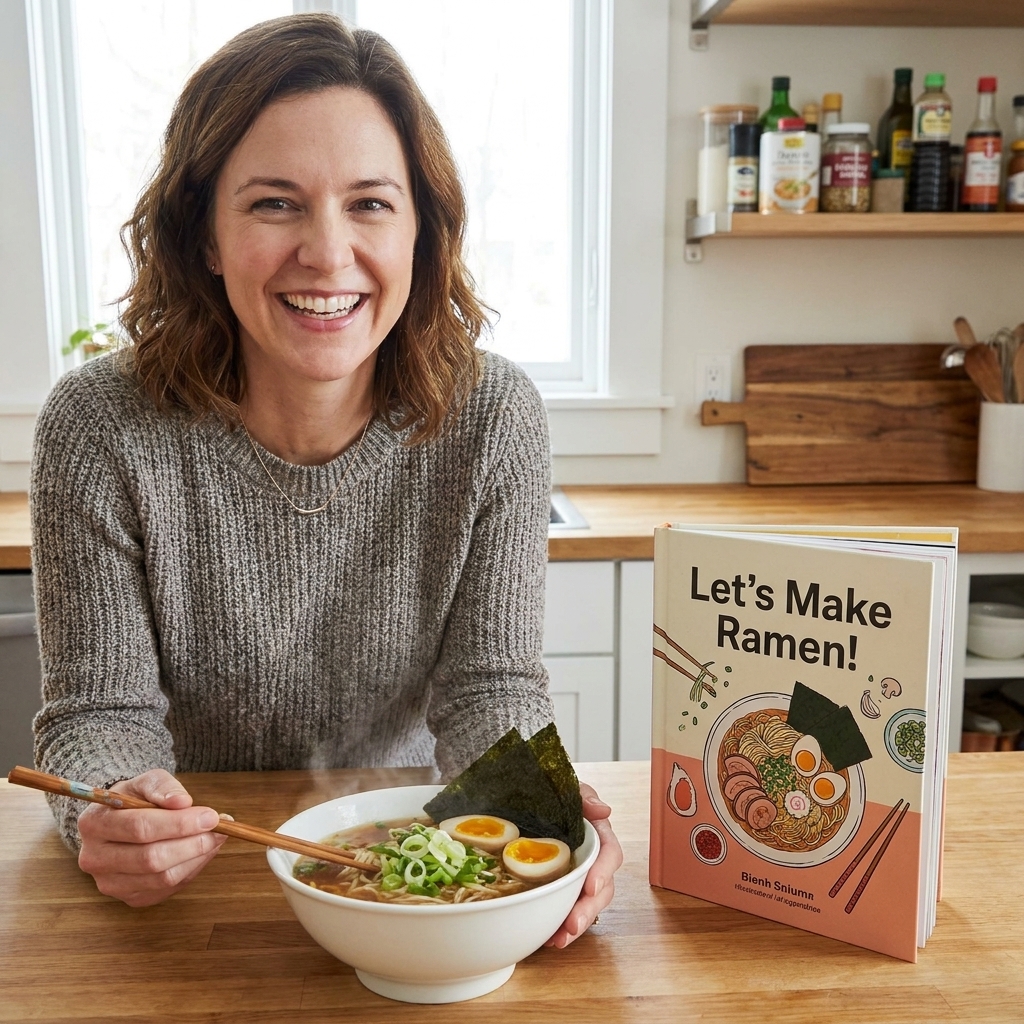
3) Let’s Make Ramen! by Hugh Amano and Sarah Becan
Ramen has a reputation for being a whole ordeal, and sometimes it is, but this book makes the process feel like a satisfying build rather than a marathon. The comic pacing is perfect for ramen: broth foundations, tare, noodles, toppings. You can choose your own level of intensity and still end up with a bowl that feels intentional.
Why you will keep it: it turns a “big dish” into a set of choices you can mix and match. Once you understand the basic architecture, you can build a bowl from what your week actually looks like.
Best for: soup obsessives, methodical cooks, and anyone who wants a project that pays off in leftovers.
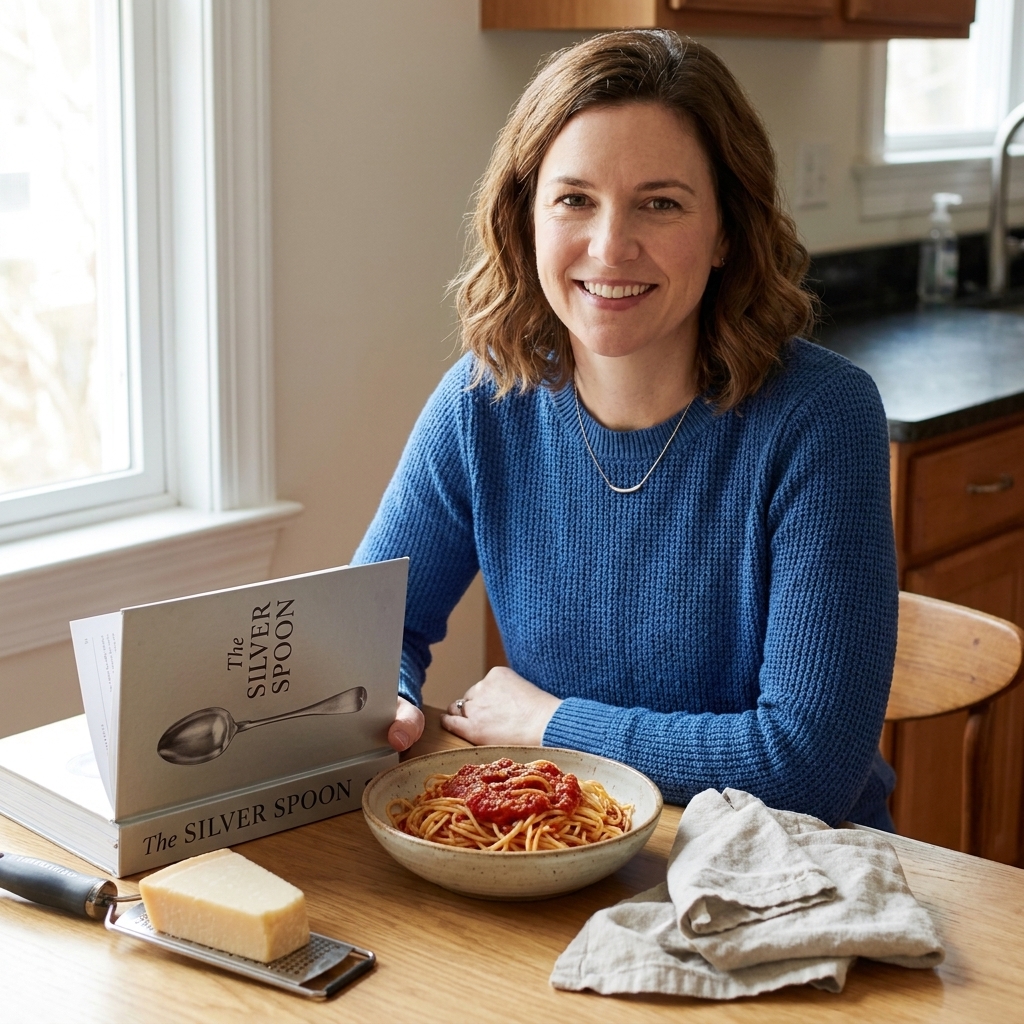
4) The Silver Spoon (illustrated recipes edition)
The Silver Spoon has long been a staple for cooks who like their Italian recipes straightforward and deeply rooted. If you are buying it specifically for the visuals, look for an edition that includes recipe illustrations and step-by-step images, since there are multiple English-language versions in print. In the illustrated format, it becomes even more approachable for foundational techniques where a picture can save you from second-guessing the texture of dough or the look of properly reduced sauce.
Why you will keep it: it is the kind of book you can live with for years. The visuals support the recipes without turning them into theater, which I mean as a compliment.
Best for: cooks building a core library and anyone who wants an Italian reference that is both practical and beautiful.
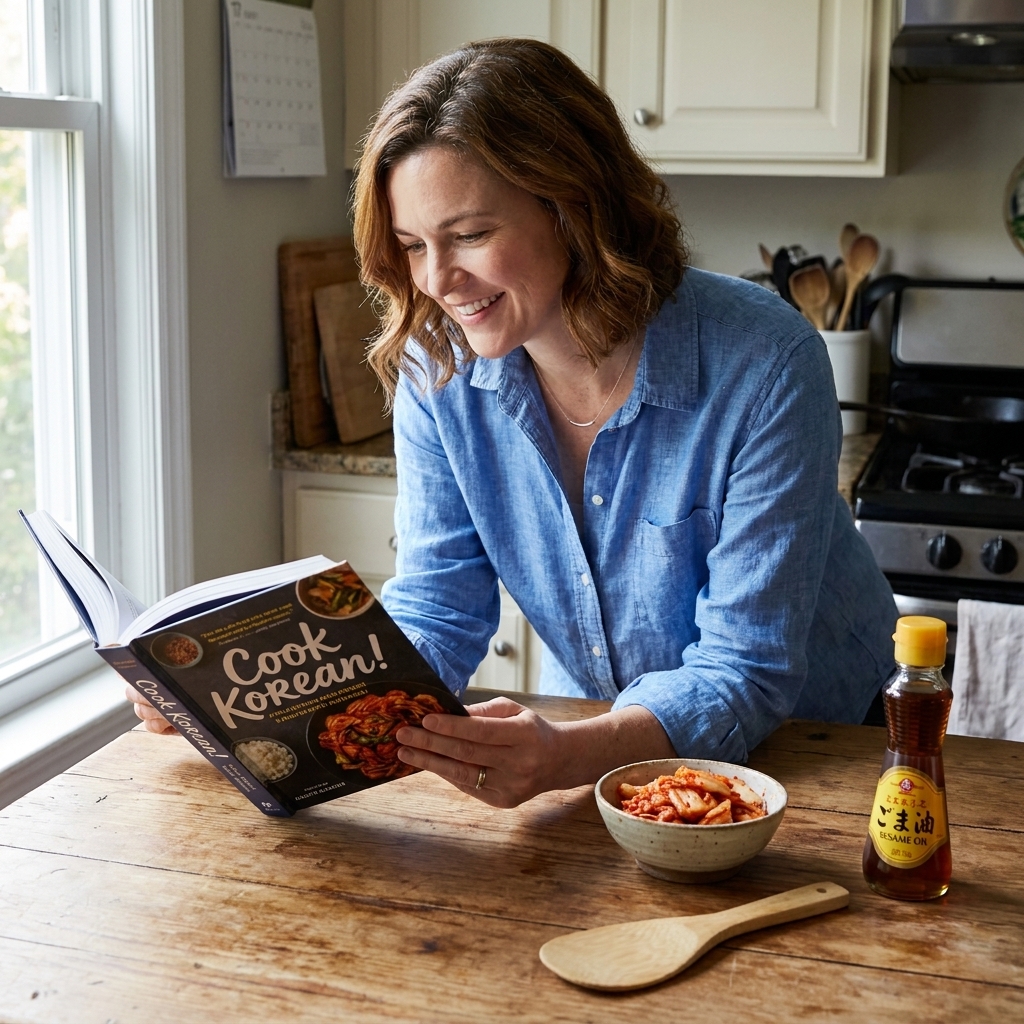
5) Cook Korean! by Robin Ha
This is the one I hand to anyone who says, “I want to learn Korean food, but I want it to feel friendly.” Ha’s comic-format teaching is clear, warm, and wonderfully specific. You get step-by-step visuals for core dishes, plus the kind of steady reassurance that makes you brave enough to try anchovy broth, roll kimbap without overthinking it, or finally stop guessing what “mix until it looks like wet sand” means.
Why you will keep it: it makes technique feel conversational, and it gives you plenty of weeknight winners to loop into your regular rotation.
Best for: beginners who want hand-holding, experienced cooks who want a reliable Korean comfort-food baseline, and anyone who learns best by seeing each step unfold.
How to pick one
If you are only buying one to start, here is my cozy-bookseller shortcut.
- If you want to cook more intuitively: Salt Fat Acid Heat.
- If you want a hands-on, craft-like weekend meal: Let’s Make Dumplings!.
- If you want a big “build the bowl” project: Let’s Make Ramen!.
- If you want an Italian backbone book: an illustrated recipes edition of The Silver Spoon.
- If you want comic-style, step-by-step Korean comfort food: Cook Korean!.
Also, consider how you actually cook. If you are a “book on a stand, hands messy” person, go for sturdy bindings and clear page design. If you are a “read on the couch, then cook from memory” person, go for books with strong visual sequences and technique explanations you can replay in your head.
Keep it kitchen-safe
Speaking as a former bookstore manager who has seen what steam does to paper: treat these like the working art objects they are.
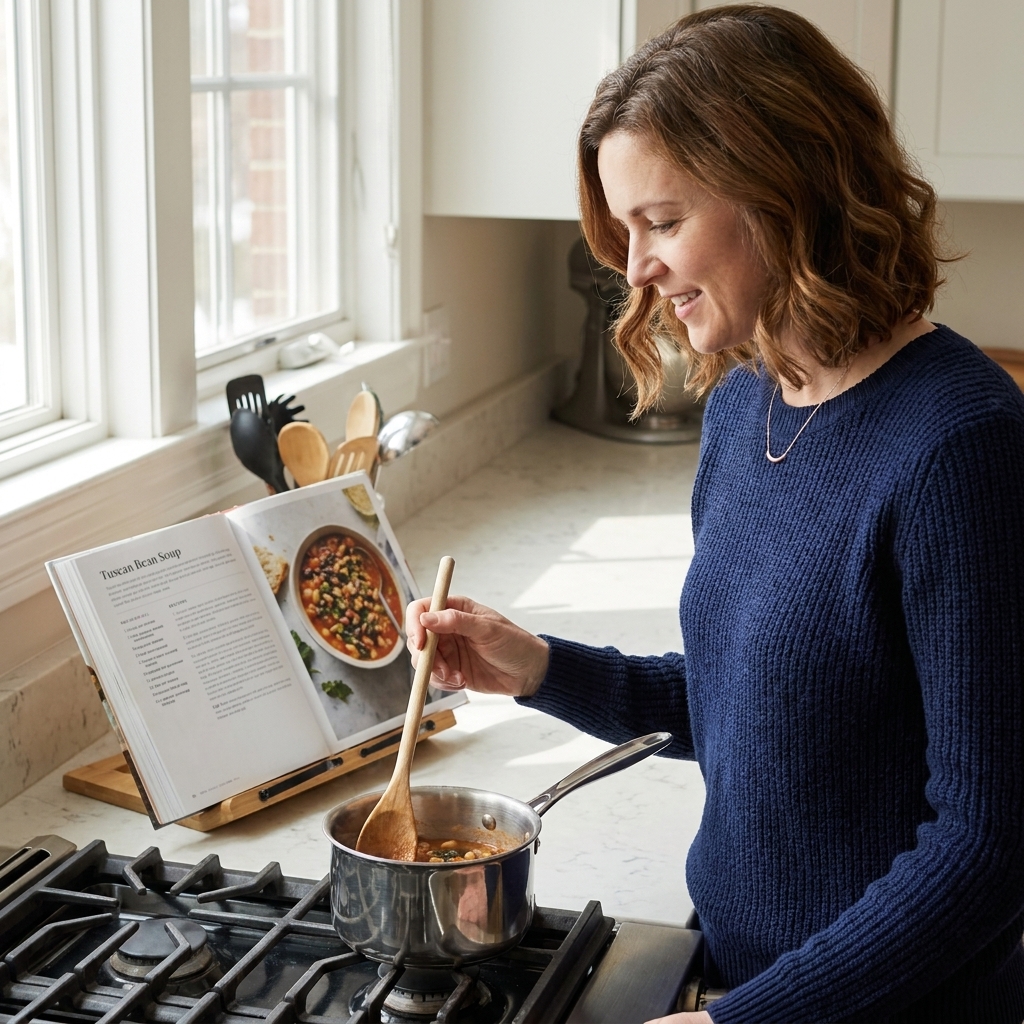
- Use a cookbook stand so you are not forcing the spine flat.
- Slip a sheet of parchment over the page if you are frying or simmering something splattery.
- Flag recipes with sticky tabs instead of folding corners. Your future self will thank you.
Mini FAQ
Are illustrated cookbooks usable?
The good ones are deeply usable. The best test is whether the visuals clarify a technique or sequence. In the books above, the art is not decoration, it is instruction.
What if I am a beginner?
Start with Salt Fat Acid Heat if you want confidence across many cuisines, or Cook Korean! if you want clear, comic-style guidance with lots of visual checkpoints.
Do comic cookbooks replace traditional cookbooks?
Not for everyone, and they do not need to. Think of them as a different tool. A classic recipe book gives you precision and breadth. A comic-forward book gives you motion, texture, and the sense that someone is in the kitchen with you.