French cooking has a reputation for being fussy, like you need a copper pan collection and a calm personality to even attempt it. I disagree. At its heart, French home cooking is about learning a few reliable techniques and repeating them until they feel like muscle memory: how to brown, how to braise, how to make a proper pan sauce, how to treat butter like a supporting character and not a jump scare.
Below are eight cookbooks I recommend when you want French flavors and a clear path from “I can boil pasta” to “I just made something that tastes like a little bistro miracle.” They are ranked with true beginners in mind: clear instruction, realistic ingredient lists, and recipes that fit into everyday life.
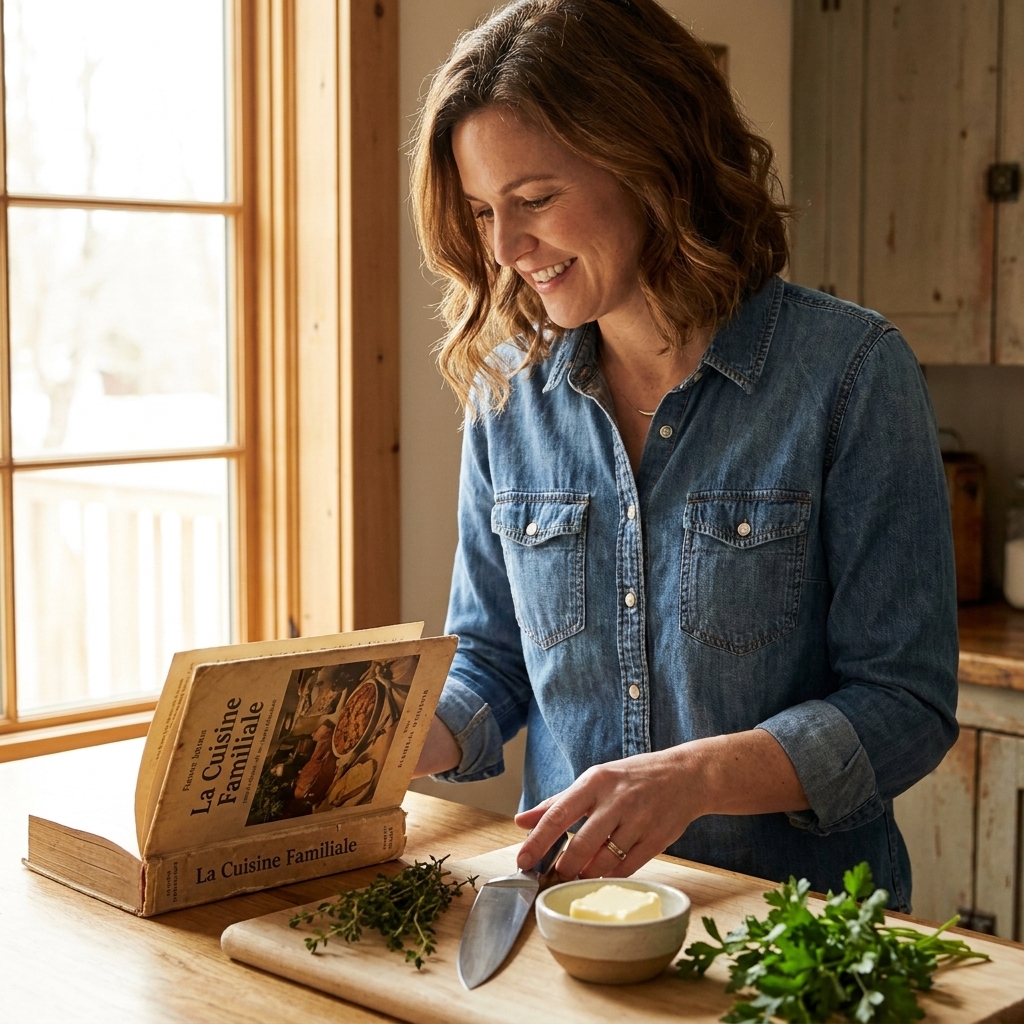
How I ranked these
- Clarity: recipes that explain why you do something, not just what to do
- Skill building: you learn transferable techniques like sautéing, roasting, and sauce-making
- Approachability: ingredients you can find at a normal grocery store
- Confidence factor: books that make you feel brave, not judged
- Weeknight potential: yes, even French food can be Tuesday food
The top 8 beginner-friendly French cookbooks
1) Jacques Pépin New Complete Techniques by Jacques Pépin (2012, Black Dog & Leventhal)
If you want one book that will quietly change how you cook everything, start here. Pépin teaches with calm authority, like a favorite uncle who happens to have impeccable knife skills. This is less “theme dinner party” and more “learn the building blocks so dinner is easier forever.”
- Best for: foundational technique, knife skills, sauces, and confidence
- Why it’s beginner-friendly: visually clear instruction that demystifies classic methods
- Format notes: technique-forward with lots of step-by-step visuals (more instructional than glossy), built for learning with your hands
- Time level: varies, but many core techniques take 10 to 30 minutes of focused practice
- Cook this first: a classic French omelet, a simple pan sauce, or sole meunière (fish in brown butter with lemon and parsley)
What you’ll learn: how French cooking is often just smart prep plus good heat control.
2) Mastering the Art of French Cooking (Volume 1) by Julia Child, Louisette Bertholle, and Simone Beck (1961, Alfred A. Knopf)
The legend for a reason. Is it a commitment? Yes. Is it also a joy, like stepping into a warm, very buttery time capsule? Absolutely. For beginners, the secret is to treat it like a course, not a sprint: pick a chapter, make notes, repeat a couple of recipes until they become “yours.”
- Best for: classic French canon and technique with storytelling charm
- Why it’s beginner-friendly: deeply explanatory, especially when you read before you cook (but it can be project-heavy)
- Format notes: mostly text with thorough detail and troubleshooting, not a “flip and cook” photo book
- Time level: weeknight-friendly options exist, but many recipes shine as weekend projects
- Cook this first: soupe à l’oignon, a simple sautéed chicken dish, or boeuf bourguignon as a weekend project
My note: this is the book that makes you feel like you’re learning a craft, not just following directions.
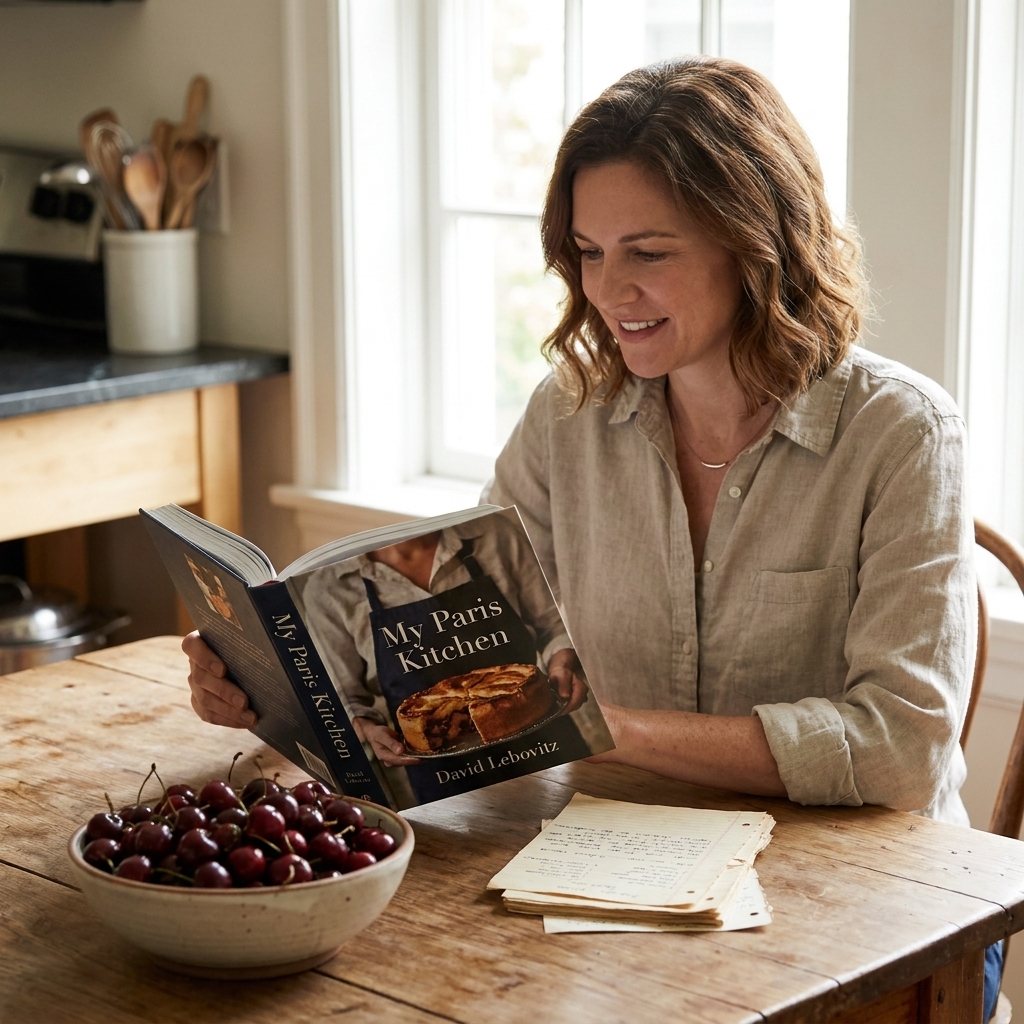
3) My Paris Kitchen by David Lebovitz (2014, Ten Speed Press)
This is French cooking through a very modern, very practical lens. Lebovitz writes like someone who has actually shopped for dinner ingredients at 6 p.m., which I find deeply comforting. The recipes feel current, with plenty of “Parisian everyday” energy rather than museum-piece formality.
- Best for: contemporary French meals, market cooking, and food you will genuinely crave
- Why it’s beginner-friendly: accessible voice, clear steps, and lots of doable wins
- Format notes: strong headnotes and helpful photos, great for cooks who like context
- Time level: lots of realistic weeknight cooking, plus a few fun projects
- Cook this first: a lentil salad, a simple braise, or his yogurt cake (an unfussy, reliable French-style dessert)
4) French Cooking Academy: 100 Essential Recipes for the Home Cook by Stéphane Nguyen (2023, Page Street Publishing)
Consider this one a friendly on-ramp for technique. The explanations are straightforward, the recipes are structured to teach, and the overall vibe is “you can do this” without skipping the important details that make French food taste French.
- Best for: structured learning, fundamentals, and classic recipes made manageable
- Why it’s beginner-friendly: step-by-step approach that anticipates common mistakes
- Format notes: lesson-style organization, designed to build skills in sequence
- Time level: a mix, but many recipes are “one main skill” at a time, which keeps them approachable
- Cook this first: béchamel, chicken in wine with mushrooms and bacon (coq au vin-style), or a simple fruit tart
What you’ll learn: technique sequencing, the thing most beginners struggle with when multiple components happen at once.
5) Ruhlman’s Twenty by Michael Ruhlman (2011, Chronicle Books)
Not strictly French, but deeply French-adjacent in the way it focuses on core culinary principles: stock, sautéing, braising, reductions. If you want French results without pledging allegiance to one cuisine, this book trains your instincts and makes you a better cook fast.
- Best for: technique that transfers directly into French cooking
- Why it’s beginner-friendly: focuses on a small set of essential skills, explained clearly
- Format notes: concept-driven chapters with practical recipes and repeatable frameworks
- Time level: designed for repetition, so the payoff is quick once you cook a chapter twice
- Cook this first: a basic braise (short ribs or chicken thighs) or a pan sauce built from a good sear
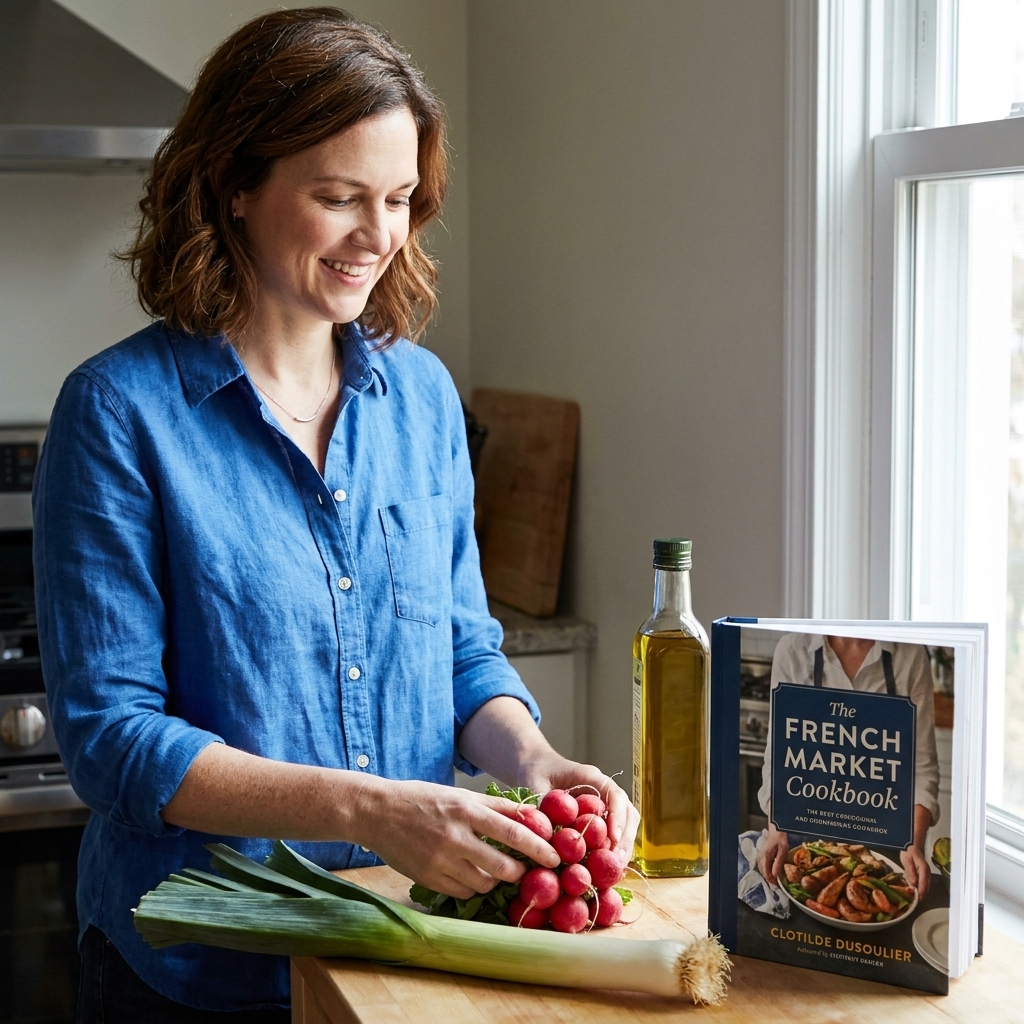
6) The French Market Cookbook by Clotilde Dusoulier (2013, Clarkson Potter)
This is for the home cook who wants French food to feel light, seasonal, and quietly charming, not heavy and ceremonial. It leans toward vegetables, simple proteins, and market sensibility. The payoff is huge if you like meals that feel like a long exhale.
- Best for: seasonal everyday French cooking and low-stress menus
- Why it’s beginner-friendly: relies on good ingredients and simple methods over complicated technique
- Format notes: produce-forward and flexible, great for “cook what you bought” nights
- Diet lane: veg-leaning with plenty of adaptable options
- Cook this first: a vegetable gratin, a simple roast, or a big bright salad with a mustardy vinaigrette
7) Around My French Table by Dorie Greenspan (2010, Houghton Mifflin Harcourt)
Dorie is the friend you want in the kitchen: reassuring, clear, and genuinely excited for you. This book covers a wide range, from simple staples to more special-occasion dishes, and it’s organized in a way that nudges you into building a French repertoire without realizing you’re “studying.”
- Best for: balanced French home cooking with lots of variety
- Why it’s beginner-friendly: warm guidance and recipes that feel achievable, not theatrical
- Format notes: broad mix of recipes with plenty of cues for serving and timing
- Time level: strong weeknight selection with some weekend treats
- Cook this first: carrot salad with Dijon, a simple soup, or an easy fruit dessert
8) The Complete Robuchon by Joël Robuchon (2008, Knopf)
This is the “reach” pick, ranked last for a reason. Robuchon can be more exacting, but if you’re the kind of beginner who loves precision and wants a gold standard for certain classics, it’s an inspiring companion. Think of it as your north star for purées, sauces, and technique refinement.
- Best for: leveling up details, especially potatoes, purées, and foundational preparations
- Why it’s beginner-friendly (in small doses): clear standards, excellent for mastering one recipe at a time
- Format notes: more precise and chef-y, best used as a reference and a personal challenge
- Time level: not weeknight-first, but incredible for focused practice sessions
- Cook this first: pick one iconic classic and repeat it until it’s effortless (yes, even the potatoes)
Tip: borrow this from the library if you want inspiration without committing shelf space.
Quick starter roadmap
If decision fatigue is your nemesis, here’s a gentle plan that builds real skill quickly.
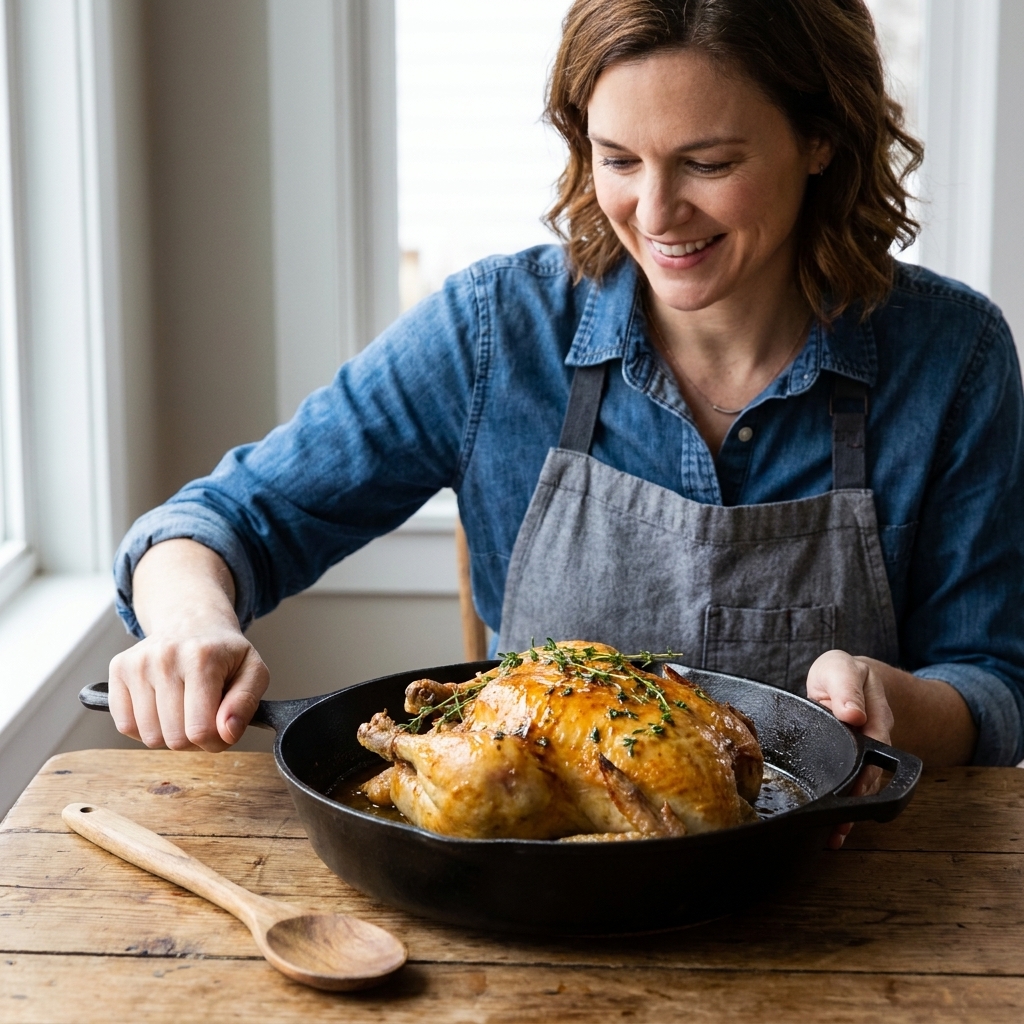
- Week 1: roast chicken with pan jus, a green salad with sharp vinaigrette, and one omelet practice session
- Week 2: a chicken braise (wine + mushrooms + bacon), a simple gratin, and one “learn forever” sauce like béchamel
Repeat one recipe you like. French cooking gets magical when you do the same thing twice and it’s suddenly easier.
Pantry and tools
Five ingredients that do a lot of work
- Butter: for flavor and finishing sauces
- Dijon mustard: vinaigrettes, sauces, marinades
- Shallots or onions: the base of so many good things
- Dry white wine or dry vermouth: for deglazing and braises
- Fresh herbs: thyme, parsley, tarragon if you want to feel fancy
Three tools that make French cooking easier
- A heavy skillet or sauté pan: for browning and pan sauces
- A Dutch oven: braises, soups, and no-drama stews
- A sharp chef’s knife: this is the most romantic kitchen upgrade, I swear
Best picks by vibe
- If you want a teacher: Pépin, always.
- If you want modern weeknights: Lebovitz.
- If you want the classic apprenticeship feeling: Julia Child (plan a weekend project and enjoy the process).
- If you want lighter, produce-forward dinners: Dusoulier.
- If you love precision and standards: Robuchon, one recipe at a time.
FAQ
Which French cookbook is best if I’m truly new to cooking?
If you want a teacher, pick Jacques Pépin New Complete Techniques. If you want modern, flexible dinners, start with My Paris Kitchen. If you want a classic apprenticeship feeling (and do not mind a weekend project now and then), go with Mastering the Art of French Cooking (Volume 1).
Do I need special French ingredients?
No. You can get very far with butter, onions or shallots, stock, wine (or vermouth), and herbs. French cooking is more about method than rare products.
What’s the first “wow” French dish that isn’t too hard?
A properly made omelet, pan-seared fish meunière, or a simple potato gratin. They teach technique and feel restaurant-level without turning into a weekend-long construction project.
Which books are easiest to find or borrow?
Mastering the Art of French Cooking, Dorie Greenspan, and Jacques Pépin are common library and used-bookstore staples. The Complete Robuchon is also a widely available English edition, so it’s a good library check if you want to browse before you buy.
A final nudge
Pick one book from the top three and commit to making two recipes from it this month. Not ten. Two. Put a sticky note on the page, reread the headnotes, and let the book get a little flour on it. That is how a cookbook becomes yours.