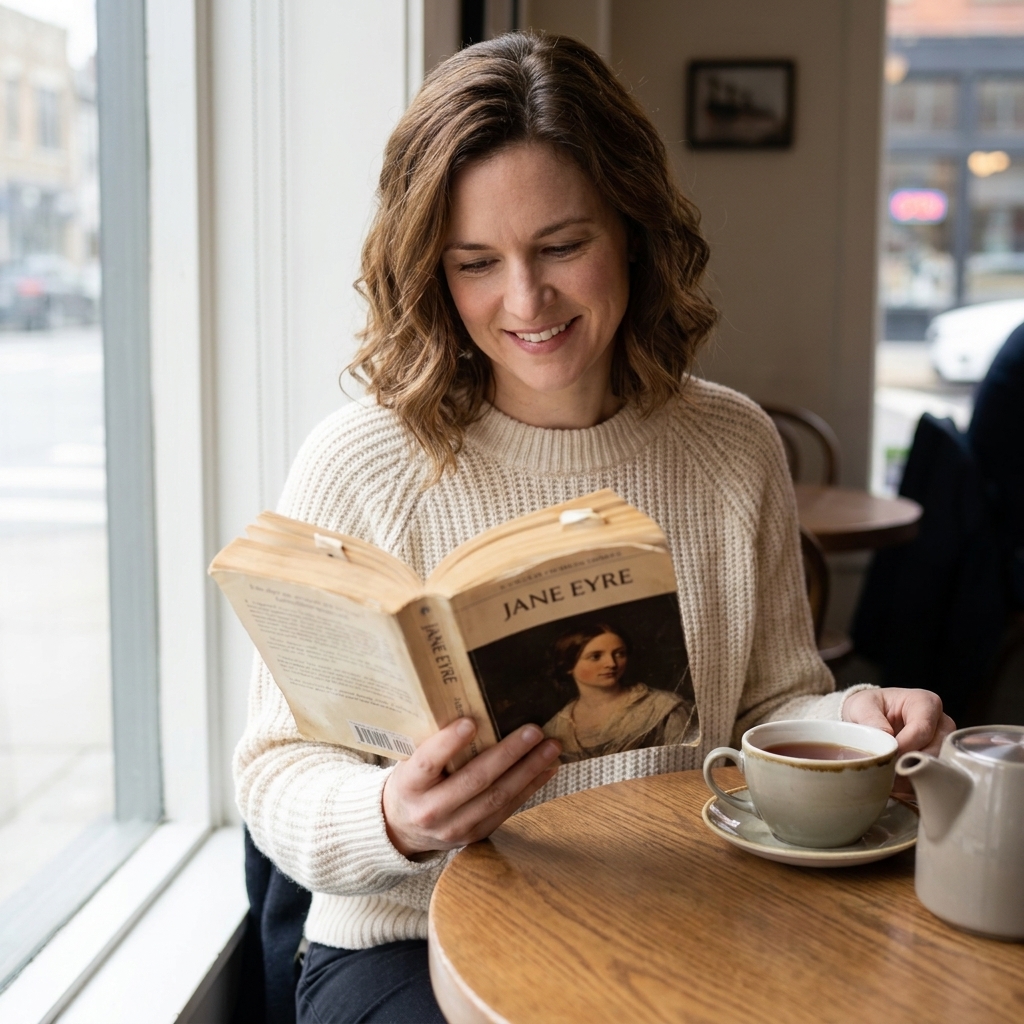
There is something irresistibly intimate about an epistolary novel. You are not watching a story from a polite distance, you are holding the paper trail. Confessions. Receipts. Late-night diary spirals. The kind of sentences people only write when they think no one is looking.
If traditional third-person narration sometimes feels more mediated or guided, epistolary fiction feels like eavesdropping in the best possible way. And the format is wonderfully flexible: letters, journal entries, interview transcripts, emails, text messages, newspaper clippings, case notes. It is storytelling built out of artifacts.
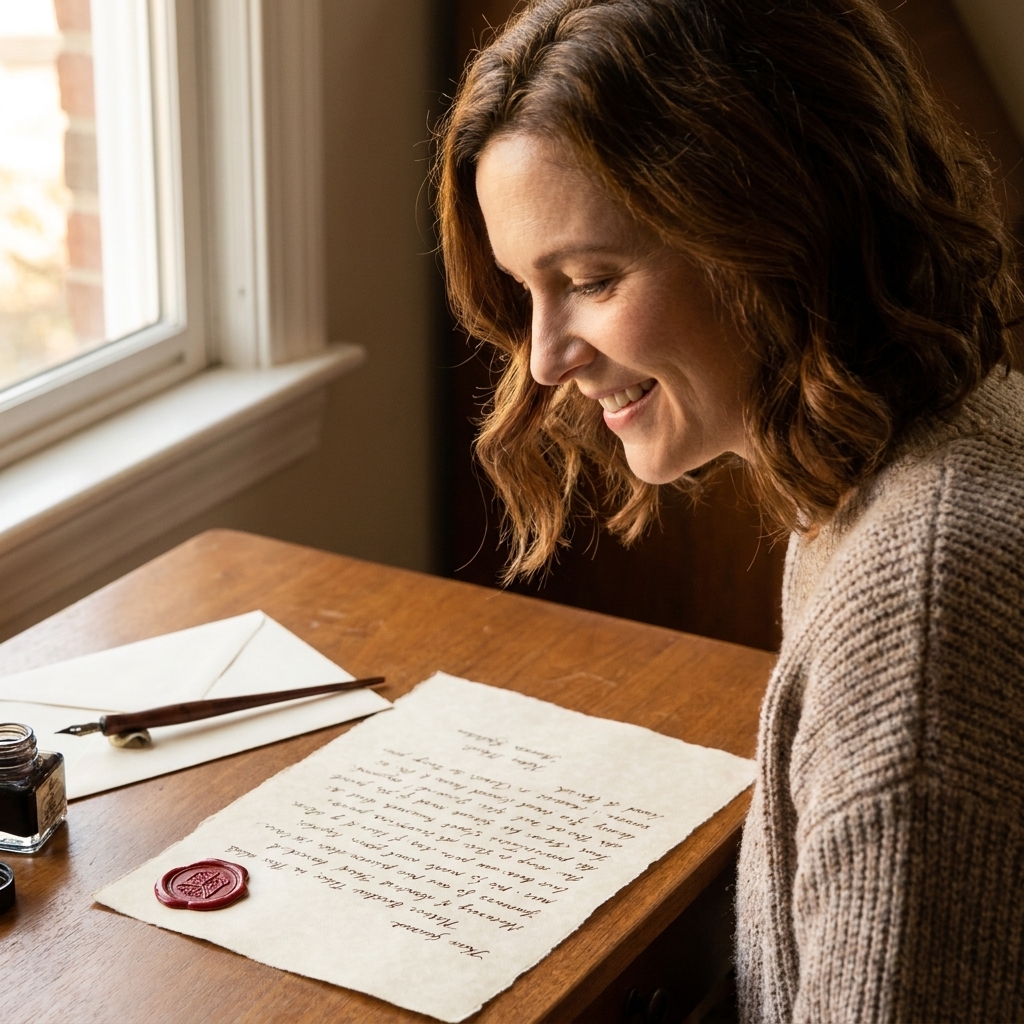
Below is a beginner-friendly guide to what epistolary novels do best, plus eight excellent books that show off the form across time periods and tones.
What is an epistolary novel?
An epistolary novel is a work of fiction told through documents created by the characters, most commonly letters and diary entries. Instead of a single narrator calmly laying everything out, you piece the story together from what the characters choose to record.
Some epistolary novels are fully made of documents; others are partly epistolary, blending “regular” narration with letters, logs, or messages. Either way, the document angle changes the feel of everything.
That choice is the secret sauce. Every letter has an audience, even if it is an audience of one. Every diary entry has a mood. Every “found document” has gaps, biases, and blind spots. Epistolary novels thrive on the delicious tension between what is said and what is meant.
Why the format is so addictive
- Built-in suspense: You are always asking, “What happened between these pages?”
- Unreliable narrators, naturally: People omit, exaggerate, and revise themselves in writing.
- Multiple viewpoints without whiplash: Different voices arrive as separate documents.
- Big feelings, up close: Letters and journals skip the small talk and go straight for the pulse.
- A tactile, archival vibe: Even in modern versions, the story can feel like a box of keepsakes.

How to read epistolary
A small tip that makes a big difference: treat it like you are assembling a timeline. Notice dates, who is writing to whom, what gets skipped, and where accounts contradict. The fun is in the gaps.
8 epistolary novels to start with
I picked these with beginners in mind, meaning they are page-turning, voice-driven, and rewarding even if you have never read a “letters only” book before. A few are classics, a few are contemporary, and all of them understand that the real drama often lives in what we dare to put into writing.
Quick note: a couple of these get heavy. If you like going in prepared, it is worth checking content notes for The Color Purple and We Need to Talk About Kevin.
1) Dracula by Bram Stoker
If you want to see the epistolary form used like a suspense engine, this is the one. Dracula is stitched together from journal entries, letters, telegrams, ship logs, and newspaper clippings, and it creates the prickly feeling that you are reading evidence. It is eerie, propulsive, and surprisingly modern in its “assembled dossier” structure.
- Best for: gothic atmosphere and fast-building dread
- Format notes: multiple documents and multiple voices, very “found archive”
2) The Color Purple by Alice Walker
Few books show the emotional power of letter-writing like this one. Told largely through Celie’s letters, The Color Purple is intimate in a way that can make you forget you are reading at all. The voice is immediate, the transformation is hard-won, and the epistolary structure gives the story its raw, private intensity.
- Best for: character growth that hits the heart
- Format notes: letters as confession, survival, and self-making
3) Frankenstein by Mary Shelley
Yes, it begins with letters. And then it keeps nesting stories inside stories like a set of increasingly haunted Matryoshka dolls. The epistolary frame makes everything feel like testimony: someone trying to explain what happened, and why, and what it cost. It is philosophical, chilling, and endlessly discussable.
- Best for: gothic classics with big moral questions
- Format notes: letters frame the narrative, with layered first-person accounts
4) The Guernsey Literary and Potato Peel Pie Society by Mary Ann Shaffer and Annie Barrows
If you want an epistolary novel that feels like curling up under a quilt, this is a wonderful entry point. Set just after World War II, it unfolds through letters between an English writer and residents of Guernsey. It is charming, yes, but it is also tender about trauma, community, and the way books become lifelines.
- Best for: cozy wit with real emotional depth
- Format notes: letter exchanges, distinct voices, very readable
5) We Need to Talk About Kevin by Lionel Shriver
This is epistolary fiction with a tight jaw and a steady stare. The novel is structured as letters addressed to Eva’s husband, Franklin, as she reflects on their son Kevin and the unthinkable event that reshaped their lives. The form matters here because the letters become a courtroom of memory, self-justification, and grief.
- Best for: psychological intensity and moral ambiguity
- Format notes: one primary letter-writer, heavy on reflection and interrogation
6) The Perks of Being a Wallflower by Stephen Chbosky
Told through letters to an anonymous “friend,” this novel captures the ache and sweetness of being a teenager with your feelings turned up too loud. Charlie’s voice is sincere, observant, and often quietly funny. The epistolary setup works because it mirrors how many of us first learn to articulate ourselves: privately, to someone safe.
- Best for: coming-of-age with tenderness and bite
- Format notes: one-sided letters, conversational and quick to read
7) Where’d You Go, Bernadette by Maria Semple
This is the epistolary novel as a modern scrapbook: emails, memos, letters, transcripts, and assorted paper trails that slowly reveal what happened to Bernadette. It is sharp, funny, and surprisingly moving, with the format doing comedic work as well as mystery work. You get to play detective and gossip at the same time.
- Best for: humor, family mess, and a plot that scoots along
- Format notes: mixed documents, multiple perspectives, very contemporary
8) Dangerous Liaisons by Pierre Choderlos de Laclos
If you like your letters with a side of scheming, this classic is a feast. Told almost entirely through correspondence, Dangerous Liaisons is a social chess match of seduction, manipulation, and reputation. The brilliance is that the characters are constantly performing on the page, trying to out-write and outwit one another.
- Best for: scandal, strategy, and razor-edged wit
- Format notes: many letters, many motives, delicious dramatic irony
How to pick your first epistolary read
If you are new to the format, match the structure to your reading mood.
- Want something cozy and uplifting: try The Guernsey Literary and Potato Peel Pie Society.
- Want a thriller-like page-turner: try Dracula.
- Want contemporary comedy plus a mystery: try Where’d You Go, Bernadette.
- Want emotionally intense and unforgettable: try The Color Purple or We Need to Talk About Kevin.

Epistolary FAQs
Are diary novels epistolary?
Often, yes. Diaries, journals, logs, and notebooks are commonly included under the epistolary umbrella, though some purists separate “letter novels” from “journal novels.” The practical rule is simple: if the story is told through in-world writing rather than a conventional narrator, you are in epistolary territory.
Do epistolary novels feel slow?
Not necessarily. Some are reflective, but many are built for momentum because every entry can end with a little hook. If you want fast pacing, look for books with mixed documents and multiple voices, like Dracula or Where’d You Go, Bernadette.
Why do they feel so intimate?
Because you are reading what a character thinks is private, or at least controlled. You get the “behind the scenes” version of a life, complete with self-editing and emotional spillover.
Your turn
Epistolary novels are perfect for reading slumps because they create natural stopping points and natural “just one more” momentum. They also remind you that stories are not only told, they are kept by people who write things down.
If you try one from the list, tell me which direction you went: cozy postwar book club letters, gothic dossiers, or modern email chaos. I love them all, and my cats, Brontë and Yotam, are morally opposed to any reading plan that does not involve at least one late-night chapter.