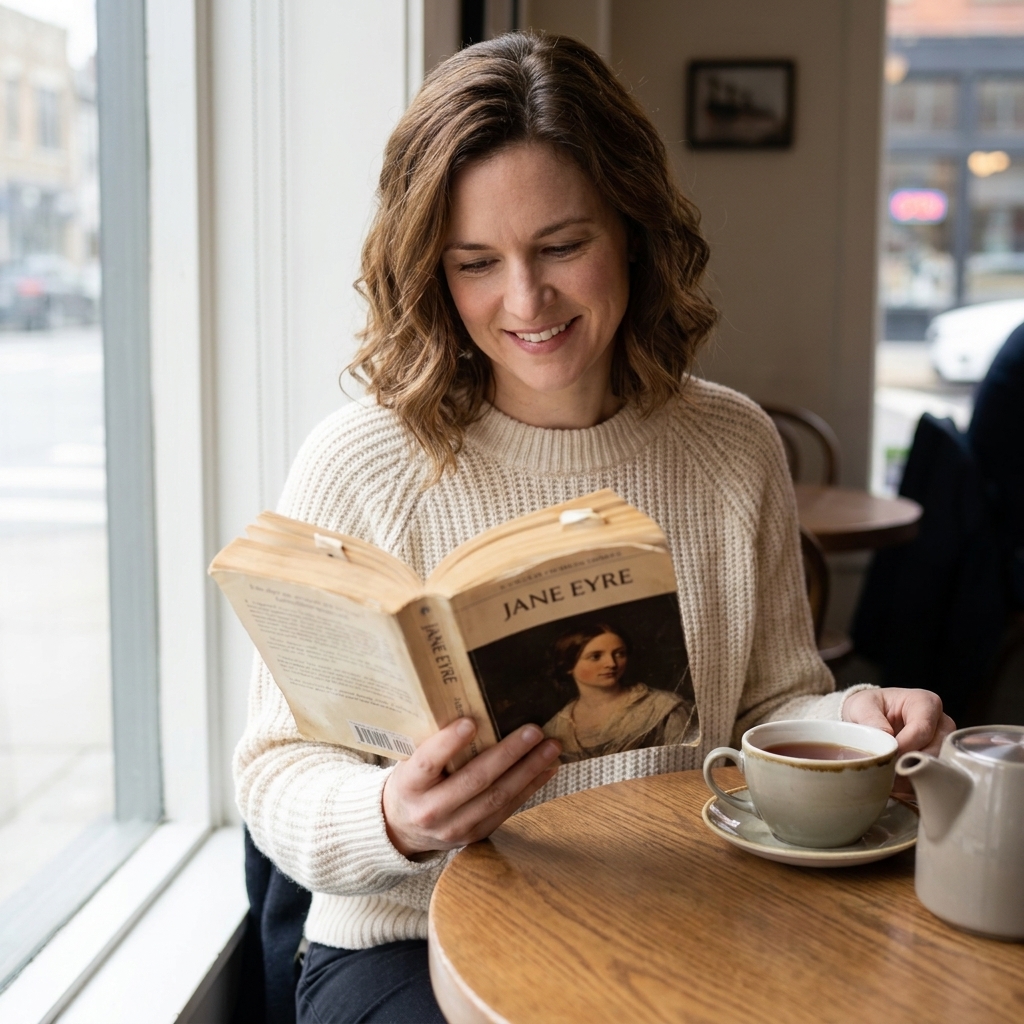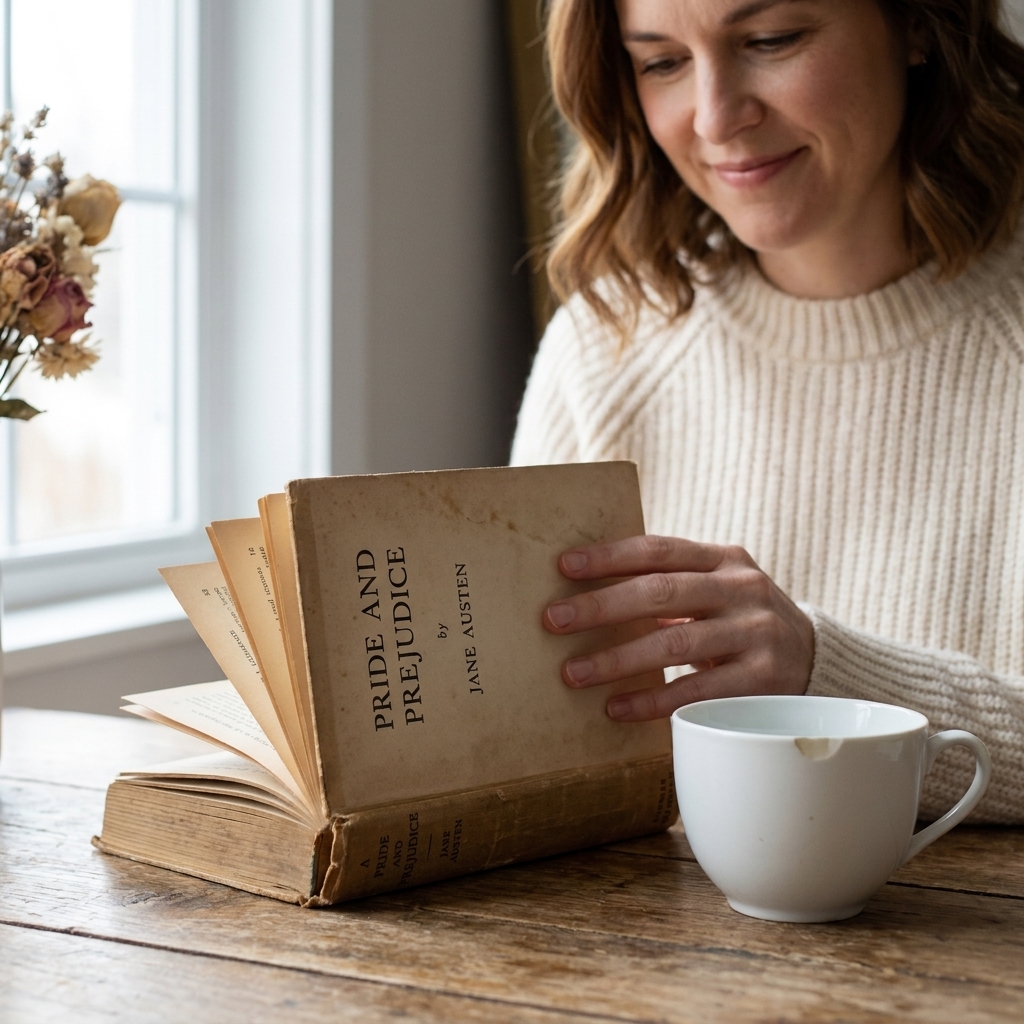
Historical fiction is my favorite kind of time travel: no jet lag, no weird period-accurate dentistry, and you still get to eavesdrop on other centuries. The best books in the genre do two things at once. They give you the satisfying click of real-world detail, and they hand you characters who feel pulse-true and emotionally modern, even when they are wearing stays or sharpening a sword.
This guide breaks down the historical eras readers reach for again and again, plus a stack of essential reads for each. Think of it like wandering an indie bookstore with a staffer who keeps pressing books into your hands and whispering, “Trust me.”
How to pick your next era
If historical fiction ever feels overwhelming, choose your era by vibe, not by syllabus. Here are a few quick ways to narrow it down:
- Want high stakes and big moral questions? Try World War II, the French Revolution, or the Civil Rights era.
- Craving court intrigue and poison-in-the-goblet energy? Tudor England and Imperial China have you covered.
- Love cozy domestic detail and food on the page? Regency and Victorian novels often shine here, as do immigrant-saga stories set in early 20th-century cities.
- Prefer adventure and exploration? Ancient Rome, the Age of Sail, and frontier narratives tend to move.
- Need a gentle on-ramp? Pick a “familiar doorway” like a bookstore, a family, a romance, or a mystery plot, then let the history sneak in around it.
Also, a small permission slip from me: you do not need to read historical fiction “in order.” Hop centuries. Cherry-pick. Follow your curiosity.
One more gentle note: some eras are comfort reads. Others are bruising for a reason. Both can be worth your time, just maybe not on the same week you also decided to reorganize your entire life.
When we move from ballrooms to battlefields, I will keep the hand on the railing: the tone shifts, but the goal stays the same. Good stories, told honestly, with human stakes you can feel.
Ancient world
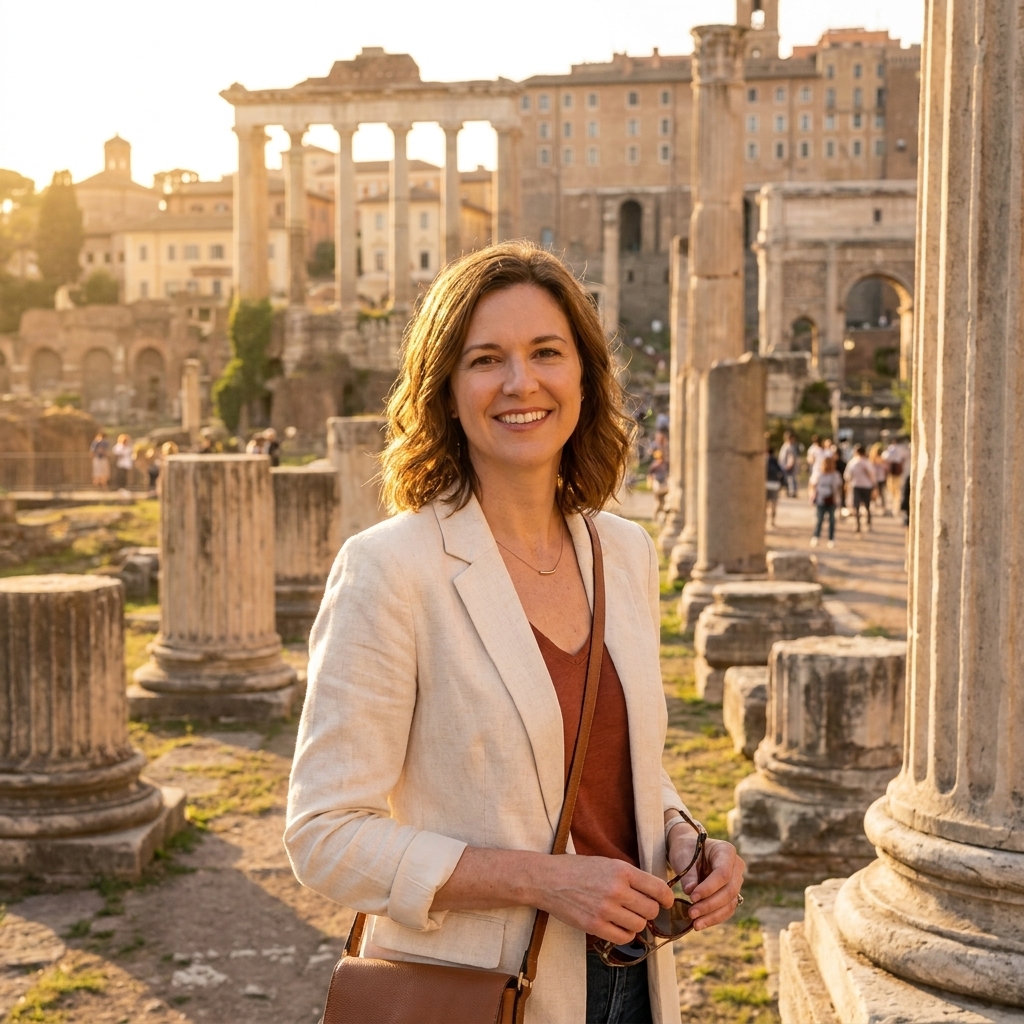
These books scratch the itch for mythic scale, public spectacle, and intimate human messiness, often in the same chapter. The best ancient-world historical fiction makes marble feel warm, not museum-cold.
Essential reads
- Mary Renault, The King Must Die and The Bull from the Sea (Theseus retold with grounded, lived-in detail)
- Robert Graves, I, Claudius (gossip, danger, and power games in imperial Rome)
- Colleen McCullough, The First Man in Rome (a doorstopper in the best way, with politics you can taste)
- Anita Diamant, The Red Tent (biblical-era family life rendered with intimacy and heat)
- Pauline Gedge, Lady of the Reeds (ancient Egypt with court pressure, spiritual stakes, and a richly textured world)
- Madeline Miller, The Song of Achilles (myth-adjacent, emotionally devastating, and beautifully paced)
If you like: arenas, philosophy, doomed love, dynastic chaos.
Medieval Europe
Medieval-set historical fiction can be gloriously sensory: candle smoke, wool cloaks, wet stone, and the constant churn of faith, survival, and shifting loyalties. This is also a golden era for big, immersive cathedral novels and sweeping family sagas.
Essential reads
- Ken Follett, The Pillars of the Earth (cathedrals, ambition, love, and long-game storytelling)
- Umberto Eco, The Name of the Rose (a monastery mystery with teeth and atmosphere for days)
- Sharon Kay Penman, When Christ and His Saints Slept (political turmoil with aching personal stakes)
- Ellis Peters, A Morbid Taste for Bones (and the rest of the Brother Cadfael mysteries, for gentler medieval sleuthing)
If you like: monastery corridors, feudal power plays, slow-burn worldbuilding, mystery plots that pull you along.
Renaissance and Tudor
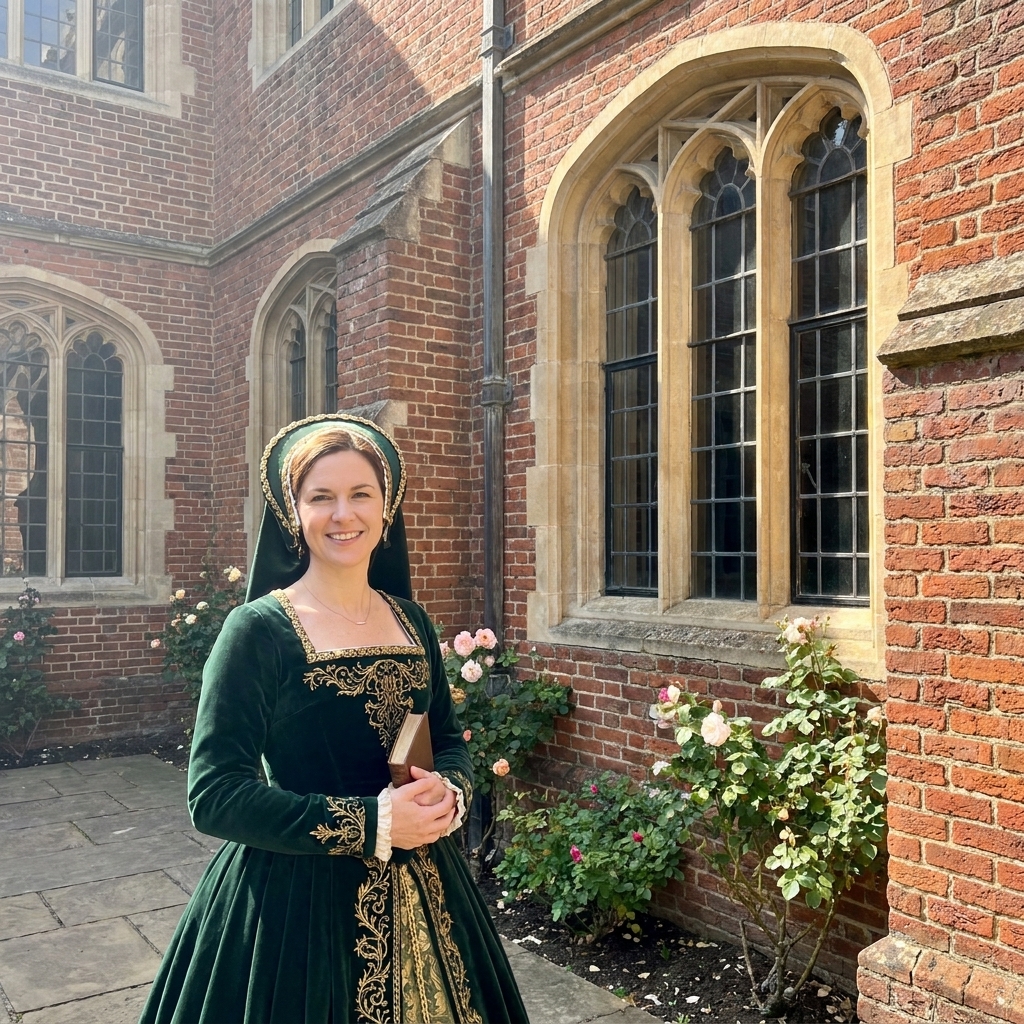
If you want your history with velvet sleeves and a hidden dagger, the Tudor and Renaissance eras deliver. These novels tend to be sharply character-driven, full of court politics, marriage-as-statecraft, and the feeling that one wrong sentence could end everything.
Essential reads
- Hilary Mantel, Wolf Hall (and its sequels, for a brilliantly intimate Thomas Cromwell)
- Philippa Gregory, The Other Boleyn Girl (accessible, propulsive, and unapologetically dramatic)
- Alison Weir, The Six Wives of Henry VIII (nonfiction, but a perfect companion if you want the record alongside the novels)
If you like: intrigue, ambition, political maneuvering, fraught romance, sumptuous settings.
17th century
This period is all tension and transformation. Belief systems collide with emerging science, communities fracture under paranoia, and survival can hinge on reputation. Historical fiction here often explores fear, power, and who gets believed.
Essential reads
- Arthur Miller, The Crucible (a play, yes, but a foundational Salem touchstone)
- Katherine Howe, The Physick Book of Deliverance Dane (a modern frame with historical threads, for readers who like a little genre blend)
- Geraldine Brooks, Year of Wonders (plague, community, and moral courage in a village under pressure)
If you like: social claustrophobia, moral panic, survival stories, and questions about truth.
18th century
Powdered wigs, pamphlets, salons, and the crackling idea that the world can be remade. These books often balance personal stories with sweeping social change, which makes them especially satisfying when you want both romance and consequence.
Essential reads
- Charles Dickens, A Tale of Two Cities (the French Revolution with an operatic heart)
- Diana Gabaldon, Outlander (a time-slip from 1945 into 1740s Scotland, with history that lands like weather)
- Patrick O’Brian, Master and Commander (Napoleonic-era naval life with humor, grit, and deep friendship)
If you like: revolutions, sea voyages, political ideals, big feelings.
Regency and Georgian
Come for the drawing rooms and dances, stay for the sharp social observation. Regency and Georgian historical fiction ranges from manners-and-romance to darker stories that examine class, inheritance, and what it costs to appear “respectable.”
Essential reads
- Jane Austen, Pride and Prejudice (the blueprint for a reason, and still a delight)
- Georgette Heyer, Venetia (sparkling dialogue and classic Regency comfort)
- Cecilia Grant, A Lady Awakened (Regency romance with wit, bite, and a surprisingly tender core)
If you like: romance with bite, etiquette as battlefield, witty narration.
Victorian era
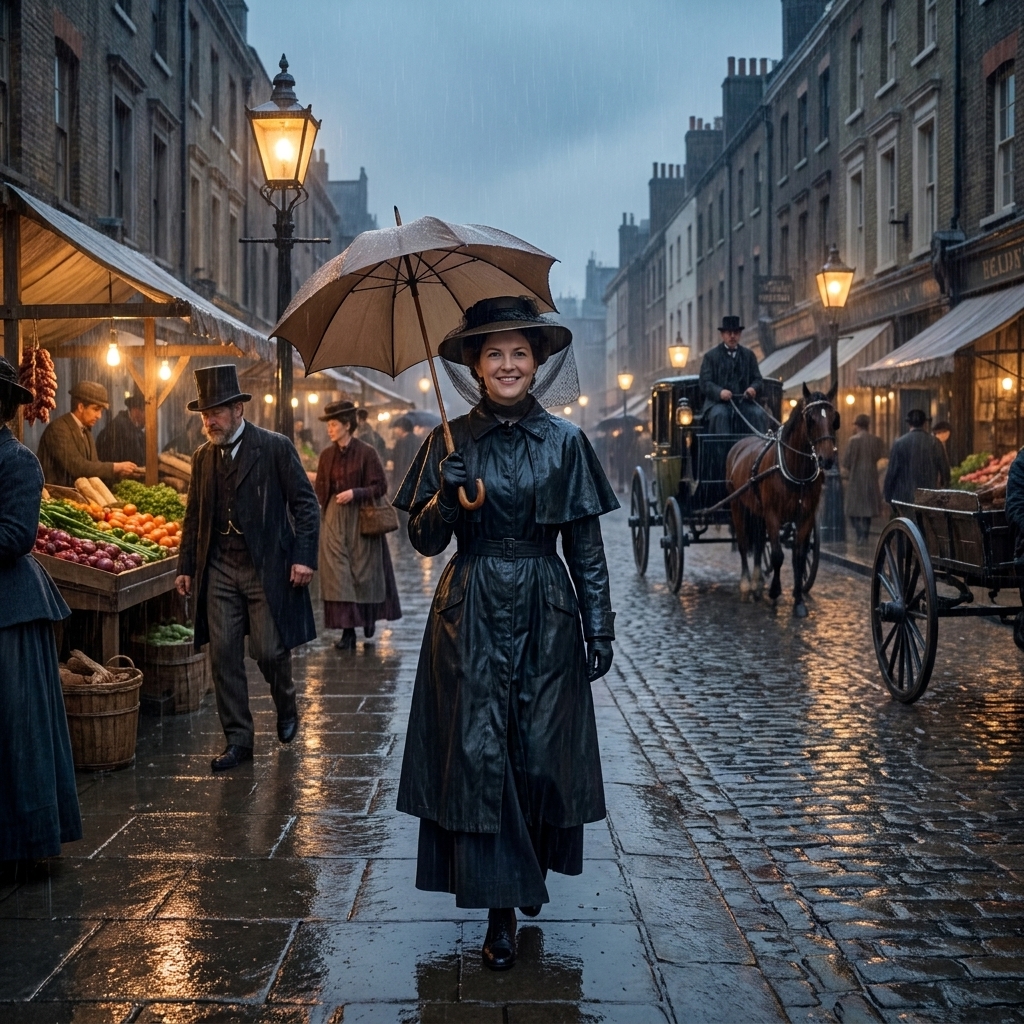
The Victorian era is a feast: industrial change, scientific fascination, social reform, and the shadowy edges of cities where mysteries thrive. This is a wonderful era if you love atmosphere, moral complexity, and stories that move between drawing rooms and back alleys.
Essential reads
- Charles Dickens, Bleak House (fog, courts, secrets, and a surprisingly modern sense of outrage)
- Sarah Waters, Tipping the Velvet (queer historical fiction with theater sparkle and emotional heft)
- Sarah Waters, Fingersmith (1860s England, twisty plotting, and social constraints weaponized)
- Wilkie Collins, The Woman in White (a sensation novel that still feels page-turny)
- Elizabeth Gaskell, North and South (industry, class conflict, and a romance that earns its tenderness)
If you like: gothic notes, social commentary, urban grit, twisty secrets.
American Civil War
Civil War fiction can be devastating, illuminating, and deeply personal. The strongest novels refuse to treat history like a backdrop. They show how ordinary lives warp under extraordinary pressure.
Essential reads
- Toni Morrison, Beloved (haunting, essential, and unlike anything else)
- Michael Shaara, The Killer Angels (Gettysburg rendered with immediacy and empathy)
- Charles Frazier, Cold Mountain (a journey narrative with lyrical pull and hard truths)
If you like: moral complexity, survival, big landscapes, the cost of war at home.
Reconstruction
Reconstruction is one of those periods that gets taught like a footnote, even though it reshaped a nation. Fiction set here can feel razor-tense: new freedoms fought for in real time, backlash moving just as fast, and families trying to build a life on unsettled ground.
Start here
- Charles Frazier, Thirteen Moons (postwar Appalachia with a long view of upheaval; not a strict 1865 to 1877 snapshot, but steeped in the era’s aftershocks)
- Isabel Wilkerson, The Warmth of Other Suns (nonfiction, but an excellent bridge for understanding the long arc from Reconstruction into the Great Migration)
- Attica Locke, The Cutting Season (a contemporary mystery rooted in plantation history and Reconstruction’s legacy, for readers who like history braided into the present tense)
If you like: aftermath stories, hard-earned hope, histories that refuse to stay buried.
Turn of the century
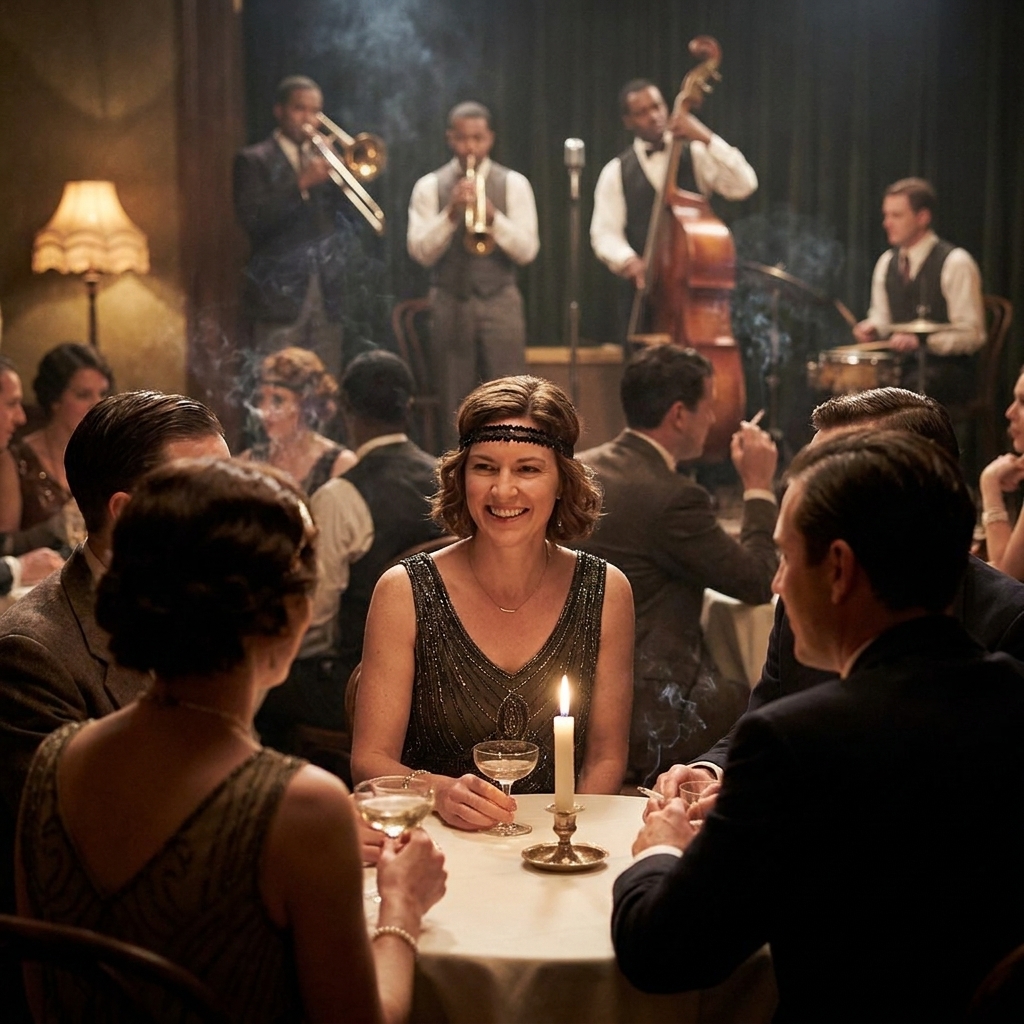
This is one of the most satisfying historical fiction zones because it feels close enough to touch: photographs, recipes, city maps, and family stories that still echo. You will find glitter and grit side by side.
Essential reads
- E.L. Doctorow, Ragtime (a kaleidoscope of America in motion)
- Erik Larson, The Devil in the White City (nonfiction, set in 1893 Chicago, and it reads with the momentum of a novel)
- Edith Wharton, The Age of Innocence (old New York society, sharp restraint, and emotional undertow)
- Zora Neale Hurston, Their Eyes Were Watching God (not event-based historical fiction, but essential early-20th-century life on the page)
If you like: city stories, ambition, changing social rules, family legacies.
World War I
WWI fiction often captures a particular kind of heartbreak: innocence meeting industrialized violence, and a world’s old rules collapsing in real time. These novels can be quiet, poetic, or brutally direct.
Essential reads
- Erich Maria Remarque, All Quiet on the Western Front (a classic for a reason, and still crushing)
- Pat Barker, Regeneration (war trauma, identity, and the fragile work of healing)
- Sebastian Faulks, Birdsong (a sweeping love-and-war story with trench reality intact)
If you like: psychological depth, antiwar narratives, lyrical prose.
World War II
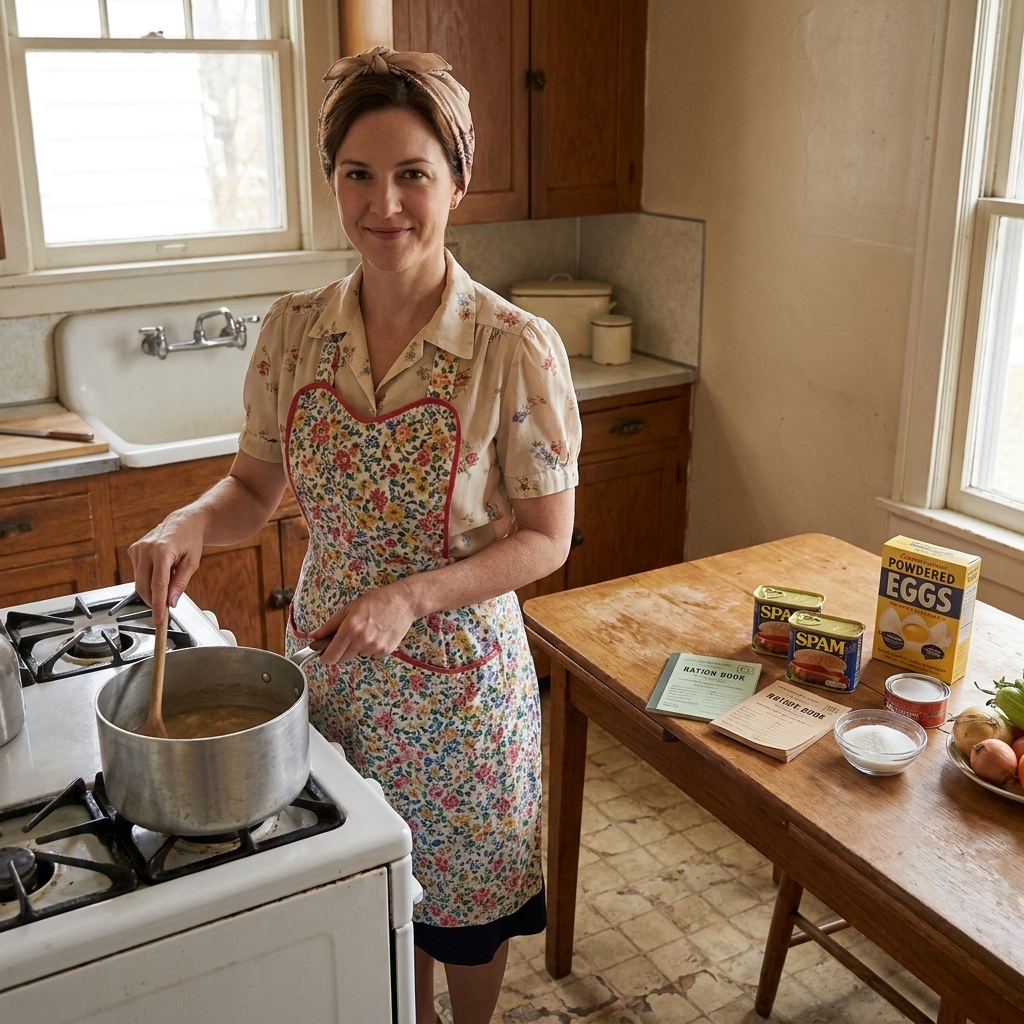
WWII is one of the most written-about eras in historical fiction, which means there is both a lot of repetition and a lot of brilliance. My best advice is to look for novels with a distinct lens: a specific place, a particular community, an unusual occupation, a story that restores complexity rather than flattening it.
Essential reads
- Anthony Doerr, All the Light We Cannot See (tender, sensory, and beautifully structured)
- Kristin Hannah, The Nightingale (propulsive and emotional, with sisterhood at the center)
- Markus Zusak, The Book Thief (a distinctive narrative voice and a story that lingers)
- Joseph Heller, Catch-22 (darkly funny and furious, for when you want satire with teeth)
If you like: resistance stories, moral dilemmas, found family, books that make you ugly cry in public.
Postwar and midcentury
After the “big event” comes the quieter work of living with what happened. Postwar fiction can be some of the most affecting historical fiction because it is about repair, memory, and the stories families tell to keep going. The drama is still there. It just happens in living rooms, letters, and long silences.
Essential reads
- Ian McEwan, Atonement (guilt, storytelling, and the long shadow of a single choice)
- Amor Towles, A Gentleman in Moscow (20th-century Russia through the lens of confinement and grace)
- John Steinbeck, East of Eden (a multigenerational saga with an intimate ache)
If you like: family secrets, moral reckoning, slow-bloom character work.
Late 20th century
More and more historical fiction is exploring the “recent past,” and I love it for the way it lets us feel history in our bones, not just recognize it in dates. These books often blend personal lives with public shifts, showing how movements live in kitchens, schools, and friendships.
Essential reads
- Kathryn Stockett, The Help (widely read and conversation-starting, and worth pairing with broader reading)
- Colson Whitehead, The Nickel Boys (devastating, precise, and profoundly humane)
- Barbara Kingsolver, The Poisonwood Bible (family, faith, and colonial aftermath, told with incredible momentum)
If you like: social change narratives, political backdrops with intimate stakes, books that make you think and feel.
Beyond the West
If you want to widen the map, historical fiction has you covered. These picks still deliver the good stuff: immersive detail, characters with complicated hearts, and stakes that feel personal even when the stage is enormous.
Essential reads
- Lisa See, Snow Flower and the Secret Fan (19th-century China, friendship, survival, and a world of coded language)
- Amitav Ghosh, Sea of Poppies (colonial India and the Ibis Trilogy’s sweeping, salty momentum)
- Chinua Achebe, Things Fall Apart (a classic of precolonial Nigeria and the rupture of colonization)
- Isabel Allende, The House of the Spirits (Chile, family power, and political tremors across generations)
If you like: big family stories, cultural texture, history that refuses to be one-note.
Frontier stories
Frontier historical fiction is not just wagon wheels and wide skies. At its best, it is about friction: people, laws, land, survival, and the stories a nation tells itself while it is still being built. These books tend to be spare, tough, and deeply atmospheric.
Try these
- Larry McMurtry, Lonesome Dove (big landscape, bigger characters, and a slow-build emotional wallop)
- Charles Portis, True Grit (sharp, funny, and morally bristling, with a narrator you will not forget)
- Geraldine Brooks, March (a Civil War adjacent story that follows the father from Little Women into the conflict’s brutal realities)
If you like: survival competence, rough justice, found family under pressure, place as a character.
Age of Sail
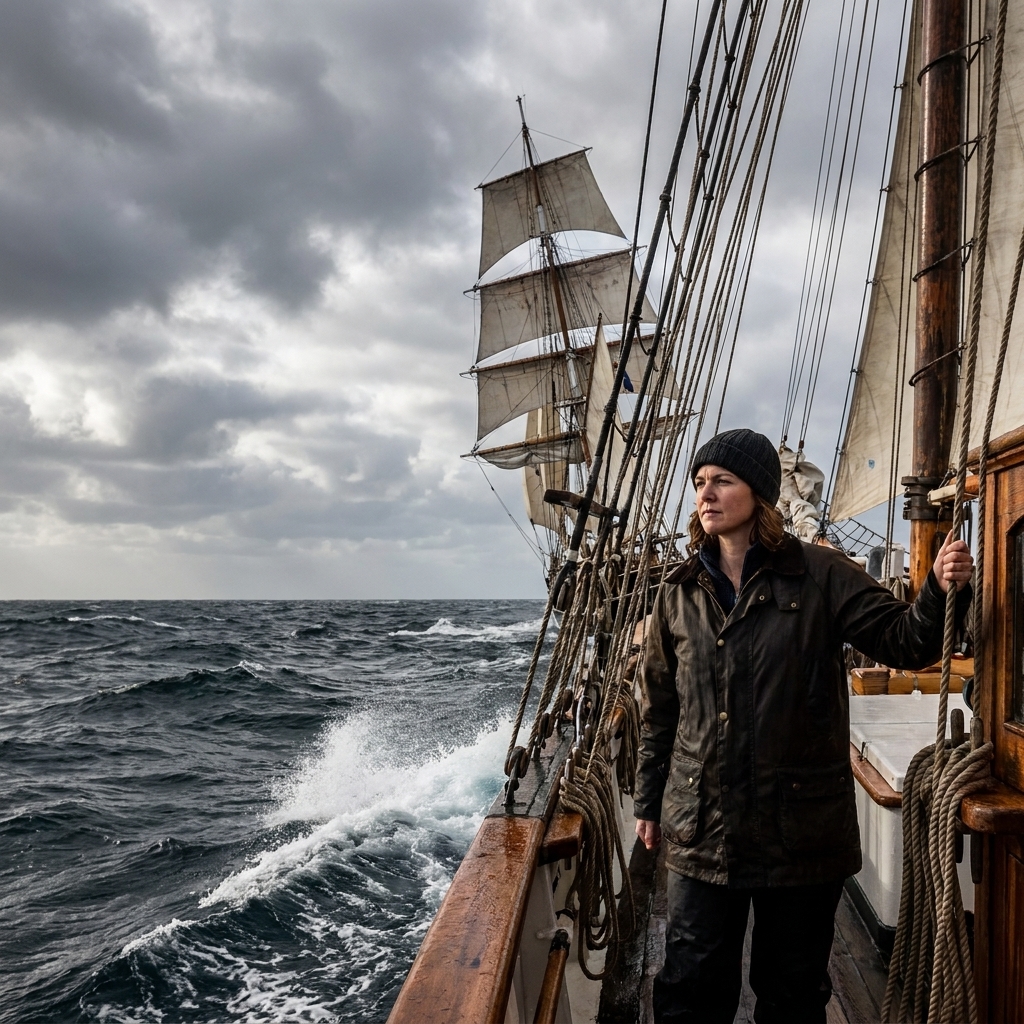
There is something deeply satisfying about shipboard historical fiction: the tight community, the constant physical risk, and the way a small decision can become a storm. You get adventure, yes, but also discipline, obsession, and camaraderie under pressure.
Start here
- C.S. Forester, Mr. Midshipman Hornblower (classic naval coming-of-age, propulsive and readable)
- Alexander Kent, Richard Bolitho series (high-seas action with a steady page-turning engine)
- Jules Verne, Twenty Thousand Leagues Under the Seas (adventure with a 19th-century imagination, for when you want the ocean to feel limitless and strange)
If you like: storms, strategy, shipboard hierarchies, competence under fire.
Historical mysteries
If you are in a reading slump, a historical mystery can be a lifeline. The investigation gives your brain a clear thread to follow, and the history arrives as part of the evidence.
Try these
- Gillian Bradshaw, The Beacon at Alexandria (ancient world with a clever mystery spine)
- C.J. Sansom, Dissolution (Tudor England with atmosphere and moral grit)
- Jacqueline Winspear, Maisie Dobbs (post-WWI England, deeply readable and emotionally smart)
What makes it work
I look for three things:
- Texture: Not just costumes and carriages, but the small stuff. How people eat. What they fear. What they cannot say out loud.
- Character first: The history should sharpen the character’s choices, not replace them.
- Honesty about the era: A great historical novel does not sand down injustice to keep things “pretty.” It lets beauty and brutality coexist, the way life does.
If you finish a book and immediately want to look up five things, cook one dish, and visit a museum, that is historical fiction doing its job.
Quick FAQ
Do I need to know history first?
No. A well-crafted novel teaches you what you need as you go. If anything, historical fiction is a sneaky way to learn because you are emotionally invested.
What is the easiest entry point?
WWII and the Regency era tend to be the easiest entry points because there are many approachable, plot-forward books. If you want a gentler start, try a historical mystery or a family saga.
How accurate should it be?
It depends on the author’s approach, but the best books are faithful to the spirit of the era even when they take narrative liberties. If accuracy matters deeply to you, pair your novel with a reputable nonfiction book or an author’s note that clearly explains what was changed and why.
Pick by mood
- For romance and manners: Pride and Prejudice (Austen) or Venetia (Heyer)
- For intrigue and ambition: Wolf Hall (Mantel)
- For big immersive comfort: The Pillars of the Earth (Follett)
- For a lyrical gut-punch: Beloved (Morrison) or All Quiet on the Western Front (Remarque)
- For WWII with tenderness: All the Light We Cannot See (Doerr)
- For widen-the-map energy: Sea of Poppies (Ghosh) or Snow Flower and the Secret Fan (See)
If you tell me two things, the era you are curious about and the last book you loved, I can help you pick a perfect historical fiction match. Consider it a virtual bookstore hand-sell, minus me trying to also convince you to buy a tote bag.